 EN
EN
 English
  Español
  Deutsch
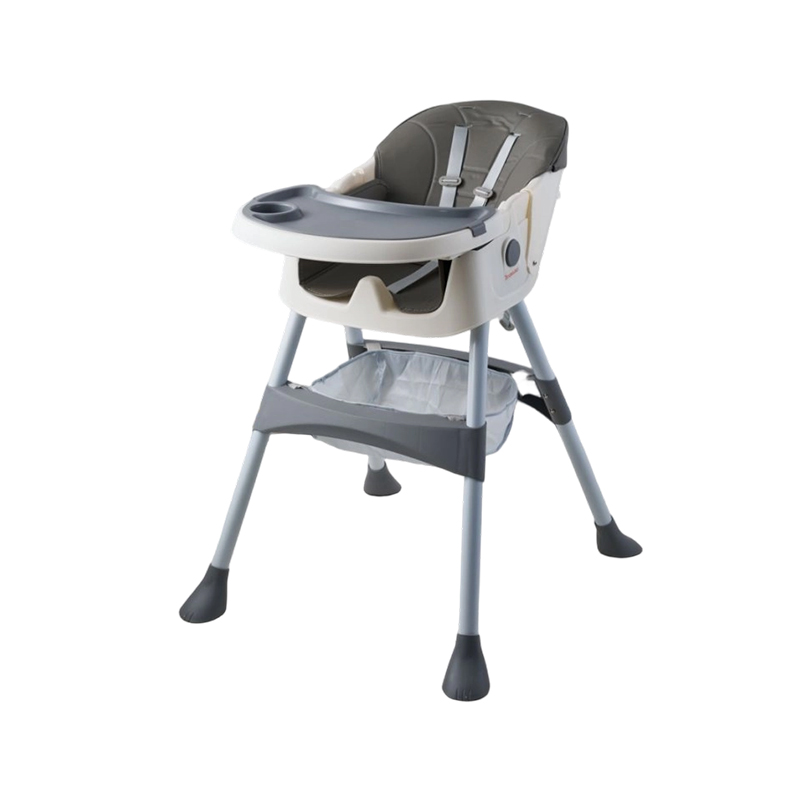
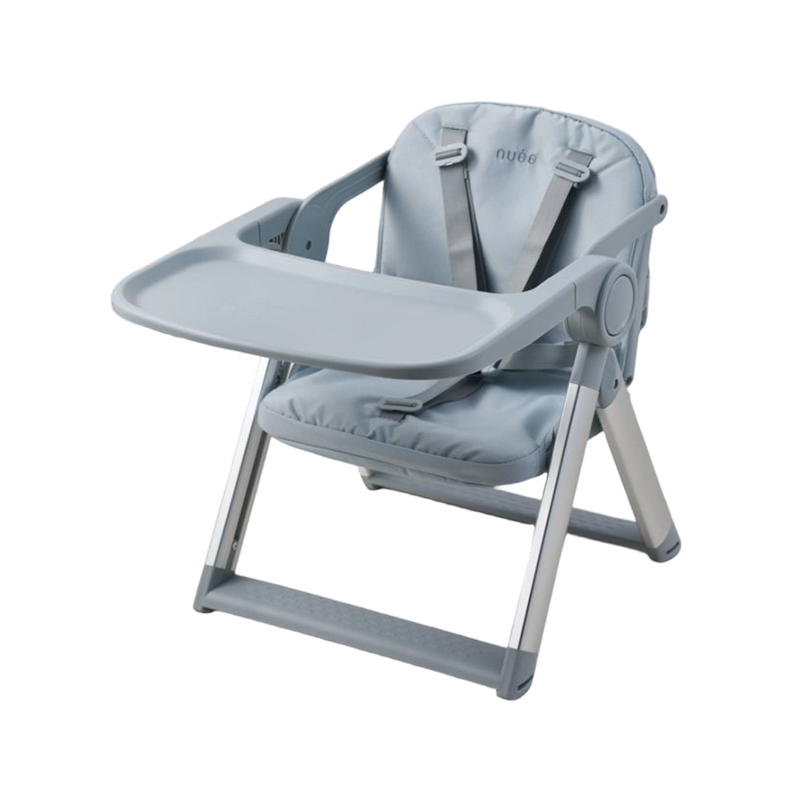
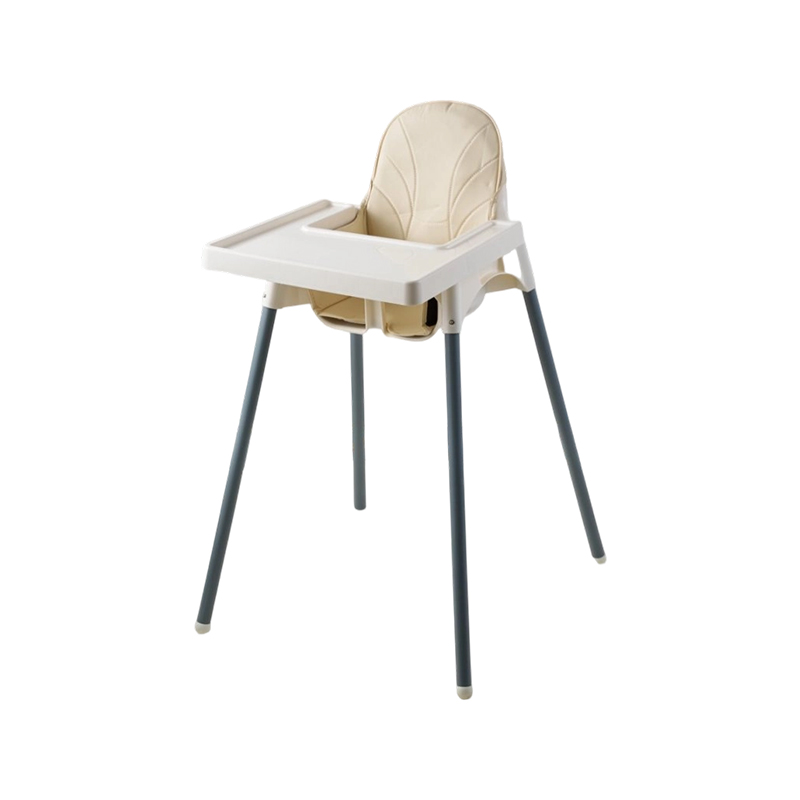
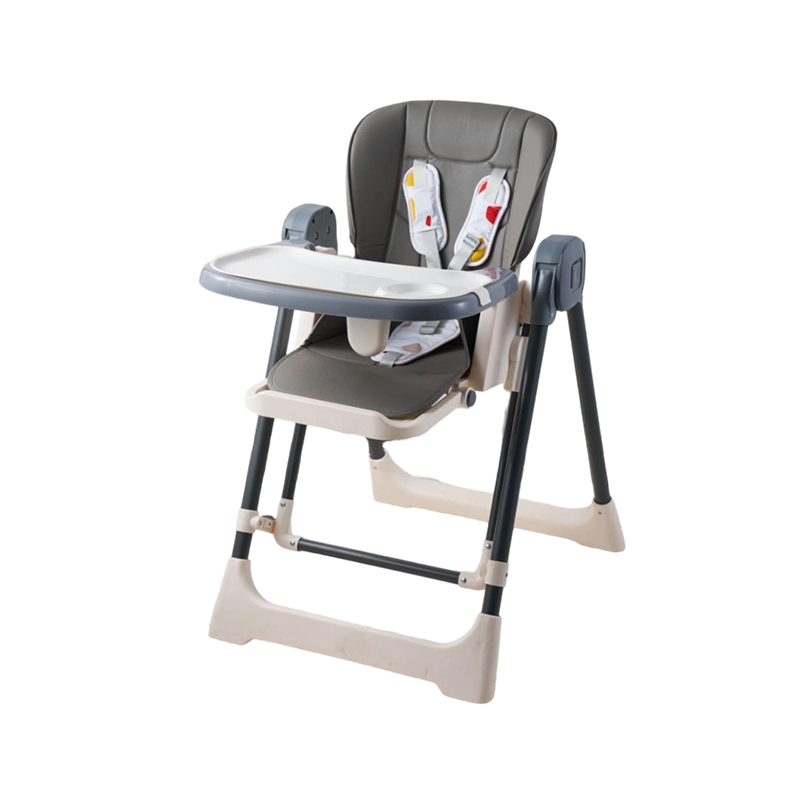
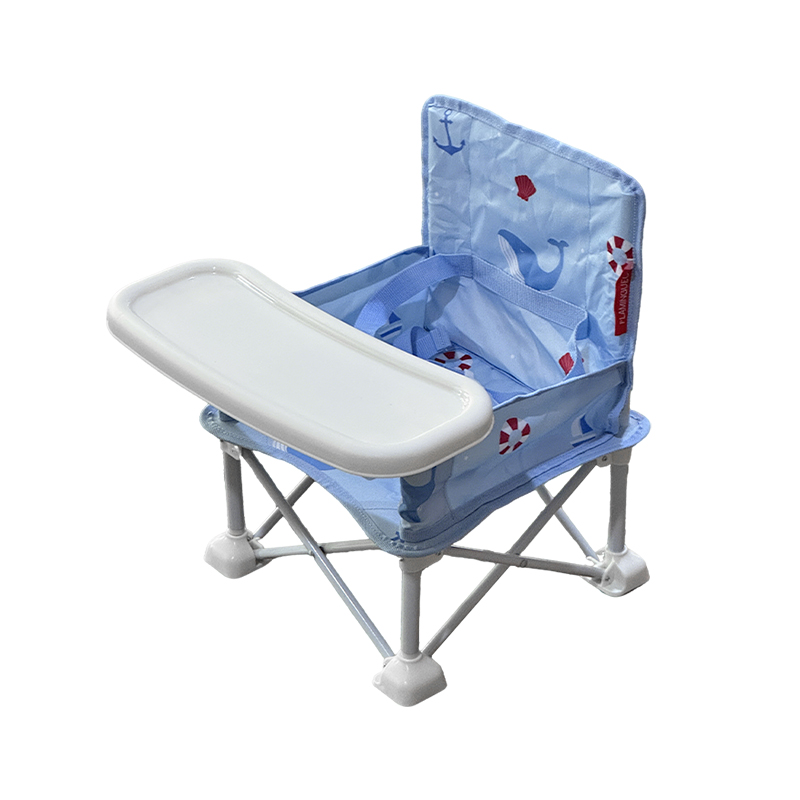
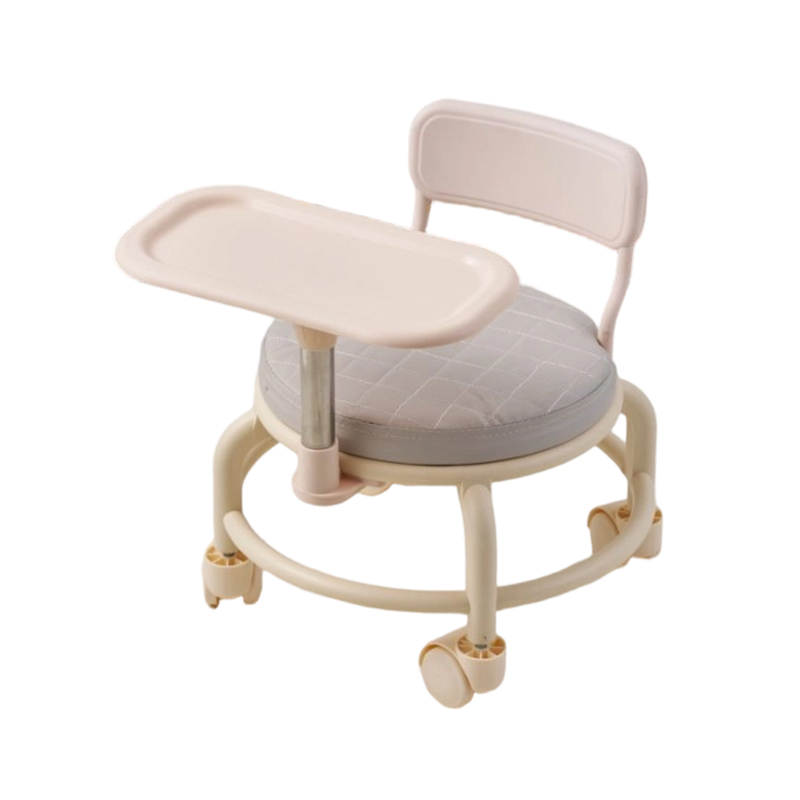
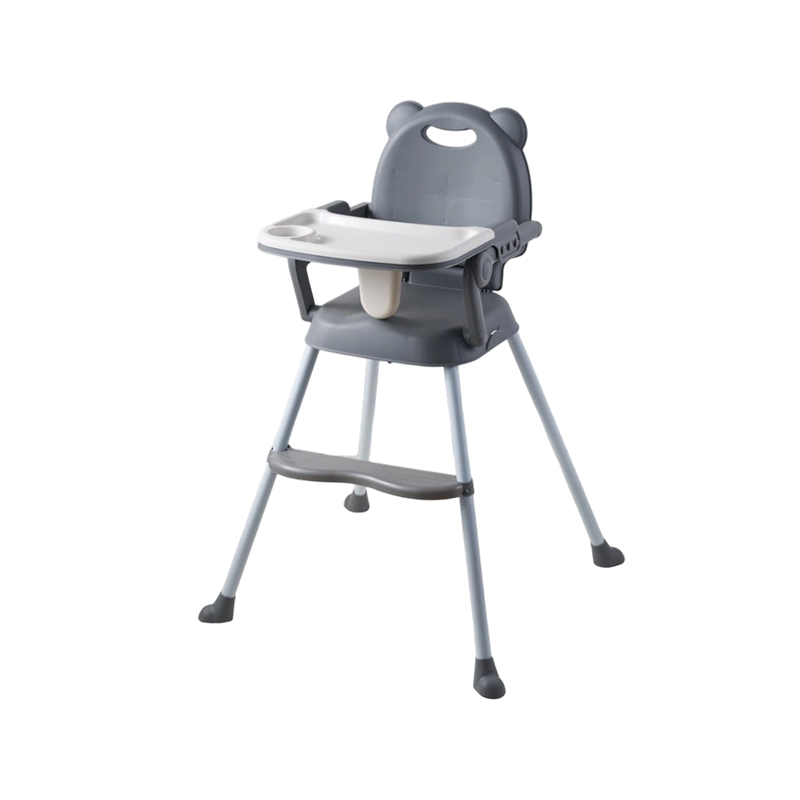
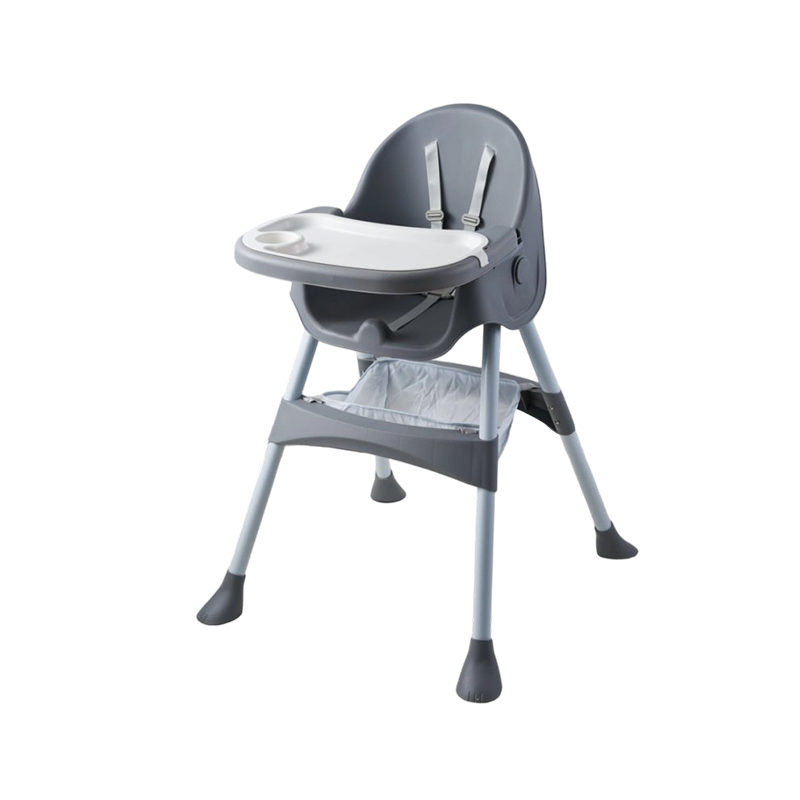
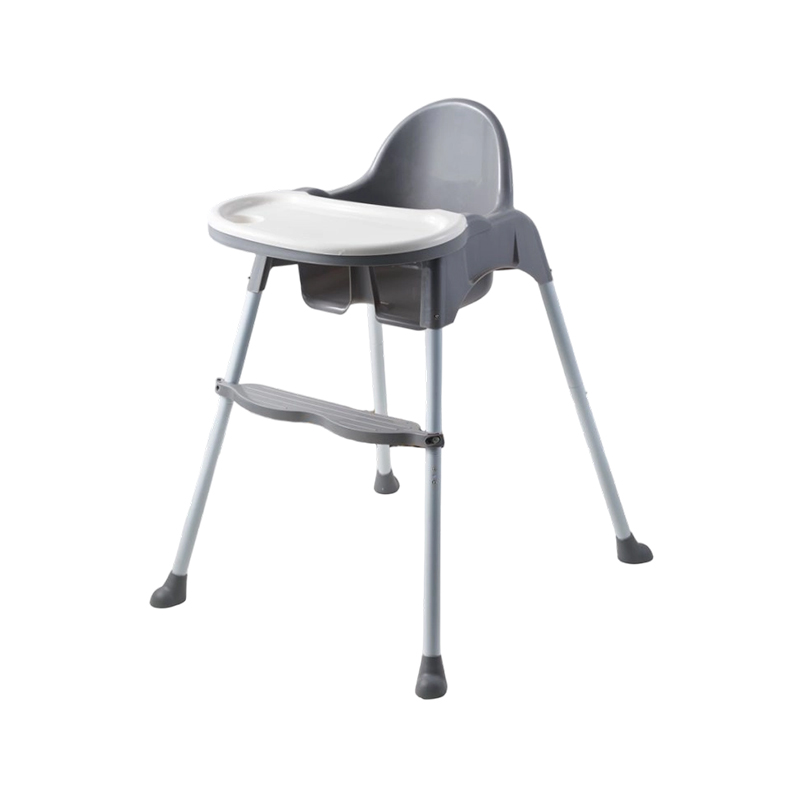
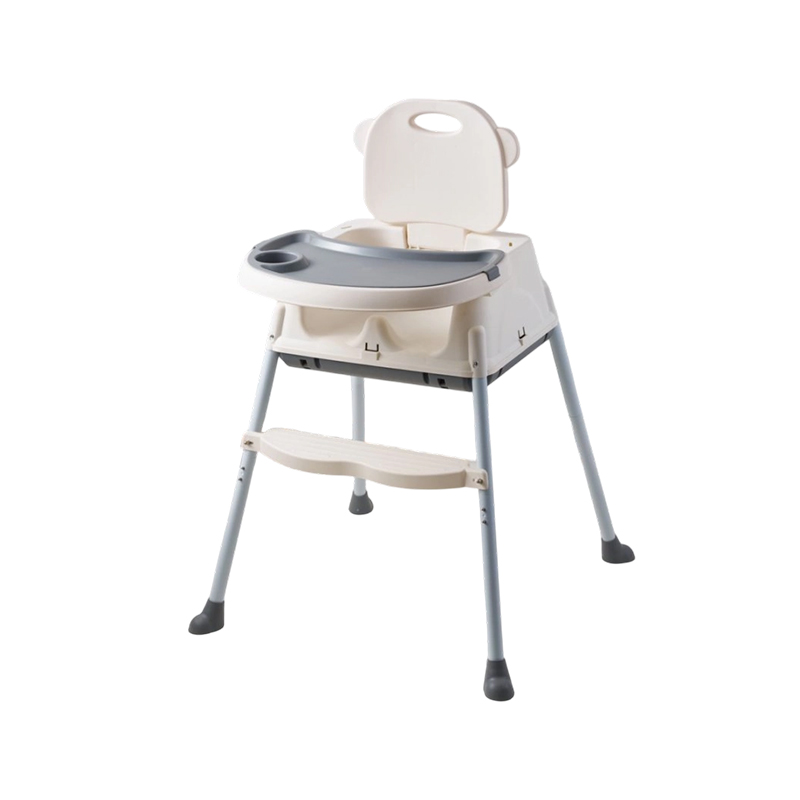
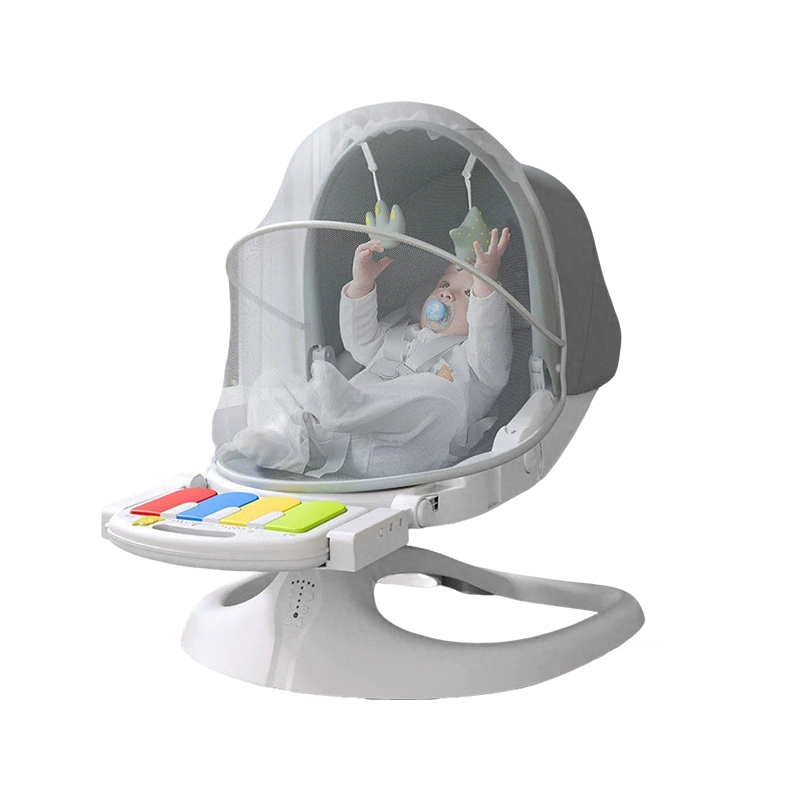


Infant Feeding Dining Chair Supplier
Designed to support every stage of early childhood, our Baby High Chairs & Feeding Chairs combine safety, comfort, and modern functionality for everyday family meals. The ergonomic seat structure supports proper sitting posture, helping toddlers develop healthy eating habits from an early age. Made with child-safe, BPA-free materials, the chair features a stable base and anti-slip foot design to ensure reliable support during feeding time.
The adjustable height and reclining backrest allow parents to customize the chair for different stages. A removable tray with smooth edges makes cleaning quick and effortless, while the compact folding design saves space when not in use. With a focus on durability and ease of use, this feeding chair fits seamlessly into modern family lifestyles.
Product Categories
Hot Products
Company Profile

Yongkang Zhongdao Daily Necessities Co., Ltd.
Yongkang Zhongdao Daily Necessities Co., Ltd. is a China Baby High Chairs & Feeding Chairs manufacturer and wholesale Baby High Chairs & Feeding Chairs factory , integrating R&D, production and sales. Relying on Yongkang's mature industrial chain resources, it has created a high-quality product matrix covering infant and toddler home, travel and protection scenarios. We have an in-house R&D team of 5 professionals, along with a full-process injection molding workshop equipped with 15 high-precision injection molding machines.
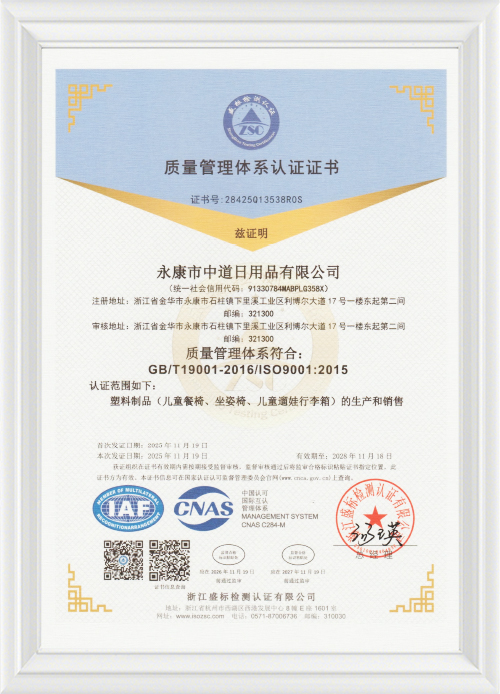
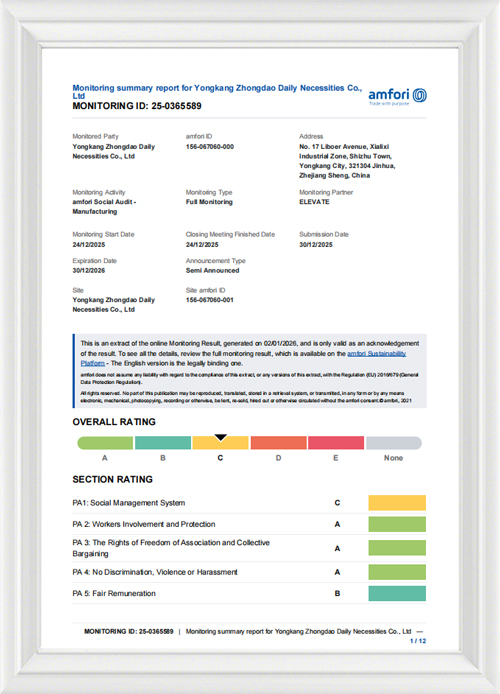
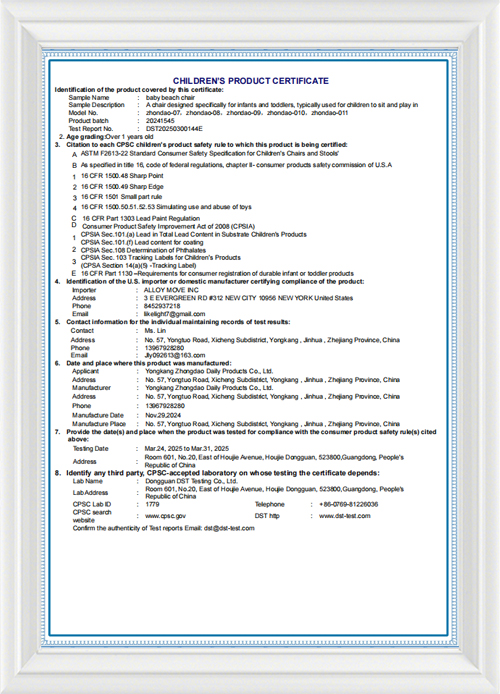
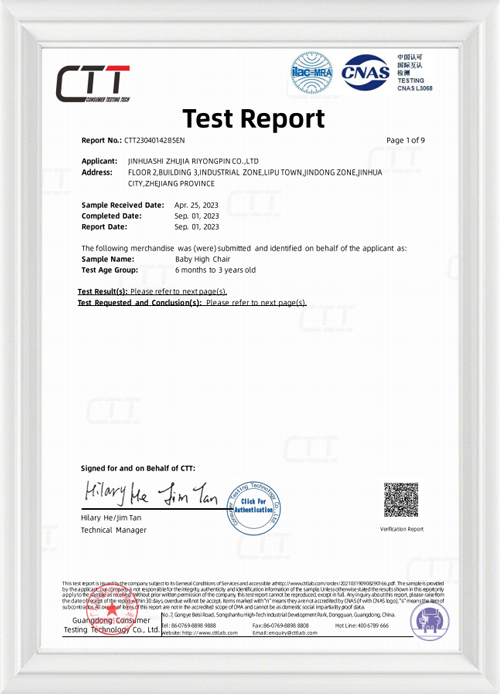
Our quality control system is certified in compliance with ISO 9001, EN 14988 and ASTM F963 standards.
Certificates
Contact Us Now
Baby High Chair Manufacturing Quality and Design Guide
Baby high chairs are not really a "simple product" anymore. Once you move into export markets, things start to get more technical—factories, safety rules, materials, all of it comes together pretty quickly. And in most cases, buyers only realize this after they start sourcing.
What Should You Consider When Choosing a Baby High Chair Factory?
When people look for a Baby High Chair Factory, price is usually the first thing they notice, but it rarely stays the most important one. In real projects, what matters more is whether the factory can keep quality stable when orders repeat or when small changes are made.
An experienced Infant Feeding Dining Chair Supplier is usually quite different from a basic workshop. You can see it in how they handle sampling and how they respond when you ask for design adjustments. Some factories are flexible on paper, but struggle once production actually starts.
Also, communication speed is something buyers underestimate. A Baby High Chair Factory that understands export work will usually respond with clear technical feedback instead of vague answers. That alone can save weeks during development.
What Safety Requirements Do Infant Feeding Chairs Need to Meet?
Safety rules for infant feeding chairs are strict, but not always consistent across markets. In Europe, EN 14988 is widely used, and it focuses on stability and restraint systems. In the US, ASTM F404 is more common, especially around tipping risk and structure strength.
A good Infant Feeding Dining Chair Supplier doesn't treat these as "final testing steps." They usually design with these standards in mind from the beginning. Otherwise, the product often fails at certification stage, which is costly and frustrating.
One common issue in weaker factories is unstable base design or weak joint reinforcement. It doesn't sound serious at first, but it becomes obvious during real testing. That's why experienced manufacturers tend to overbuild certain parts slightly instead of going for the lowest material usage.
What Materials Are Commonly Used in Baby High Chair Production?
Most Baby High Chair Factory setups rely on a mix of plastic, metal, and sometimes wood. Polypropylene and ABS are very common because they are easy to mold and clean. Aluminum is used when structure needs extra strength without making the chair too heavy.
Wood is a bit different. It's not just about function—it's more about how the product looks in a home. That's why many premium Infant Feeding Dining Chair Supplier options still keep wooden versions in their catalog.
Material testing is something that often gets underestimated. In export cases, it's not only about strength, but also chemical safety. Coating, paint, and even small plastic parts all need to pass checks before shipping.
What Are the Current Trends in Minimalist Baby High Chair Design?
Minimalist design has become very popular, especially in urban households. A Minimalist High Chair usually avoids heavy structure and unnecessary decoration. It looks simple, but that simplicity actually takes more effort in engineering.
A Baby High Chair Factory working with international buyers often tries to reduce visual bulk while keeping stability strong. That balance is not always easy. If you remove too much material, safety becomes a problem. If you keep too much, the design no longer feels "minimalist."
Buyers also like neutral colors now—white, light gray, natural wood tones. They fit better in modern interiors, especially small apartments.
| Aspect | Traditional High Chair | Minimalist High Chair |
|---|---|---|
| Structure | More bulky and visible | Cleaner and simpler |
| Materials | Mixed and heavier | Lighter combinations |
| Storage | Fixed use | Foldable or compact |
| Design Focus | Function priority | Function + visual balance |
Overall, baby high chair production is slowly moving toward simpler looks but stricter engineering behind the scenes. Factories that can balance both usually perform better in global markets.

No. 17, Liboer Avenue, Xialixi Industrial Park, Yongkang City, Zhejiang Province, China
 +86-13345922055
 +86-18057957037
+86-18069926676
 [email protected]
 [email protected]
[email protected]
Get in Touch
