 EN
EN
 English
  Español
  Deutsch
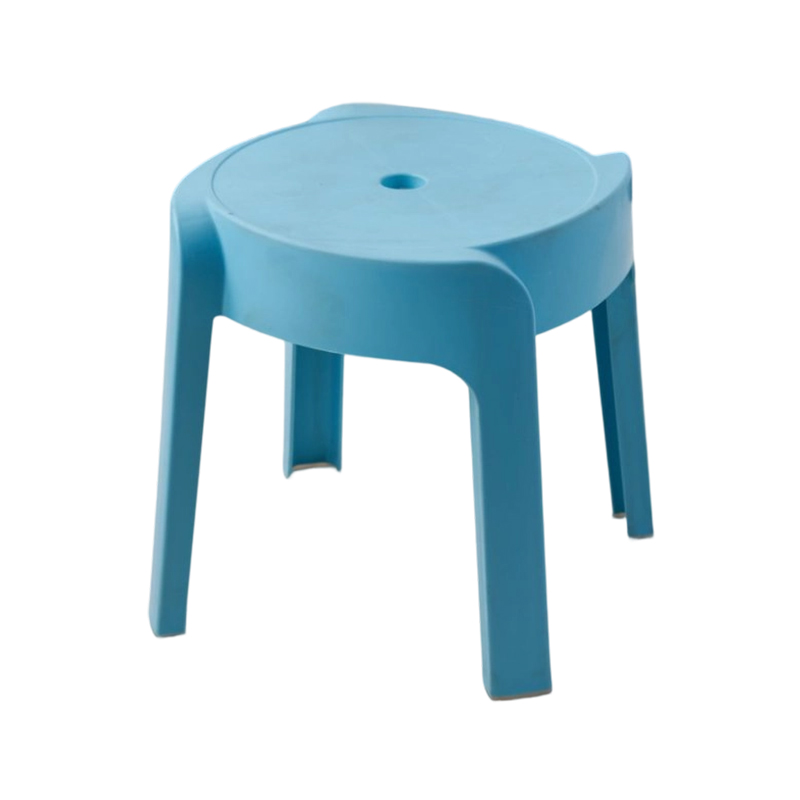
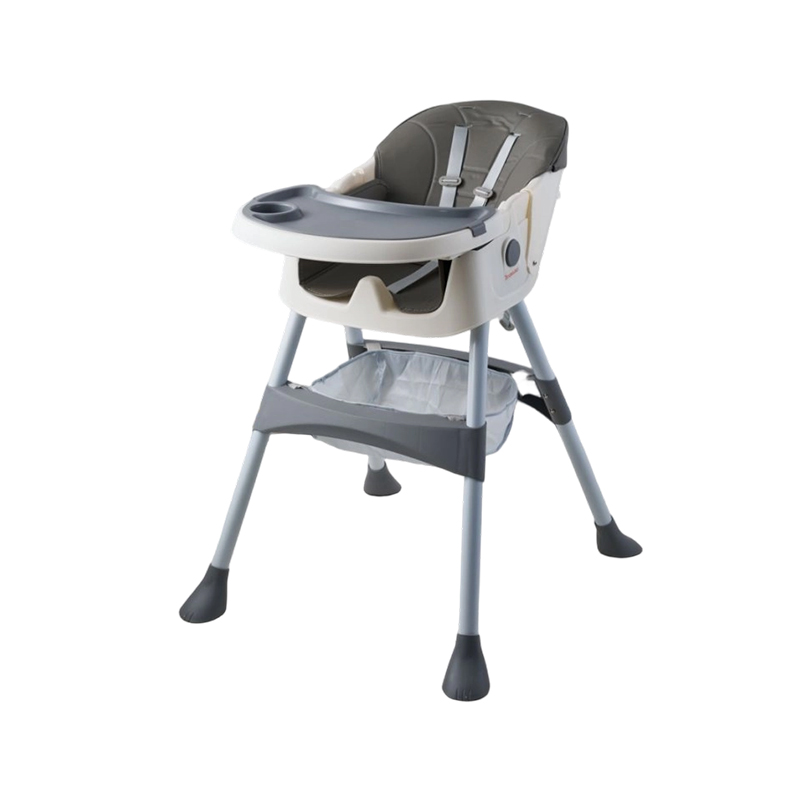
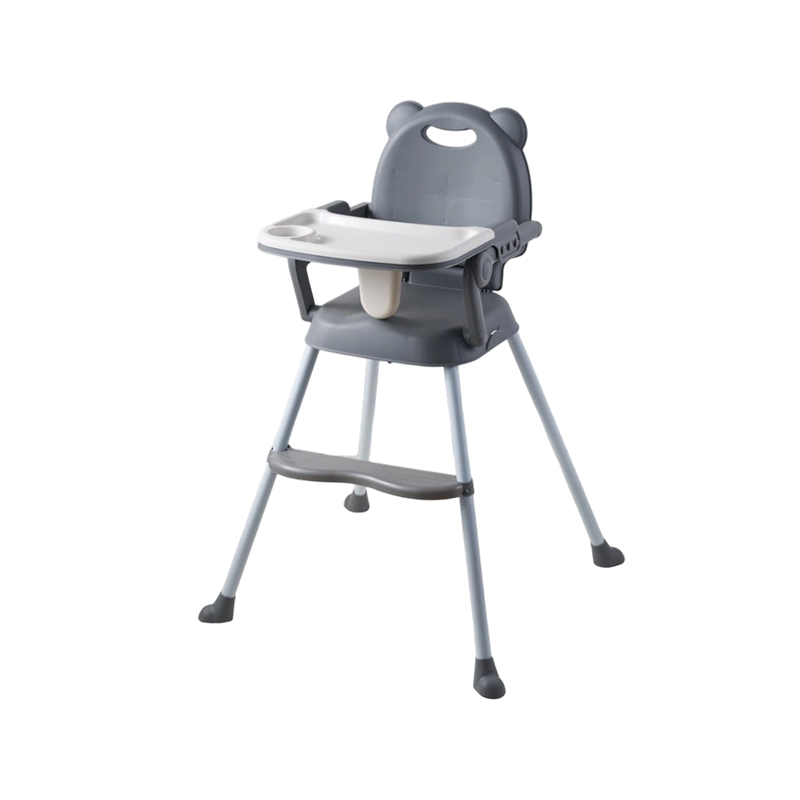
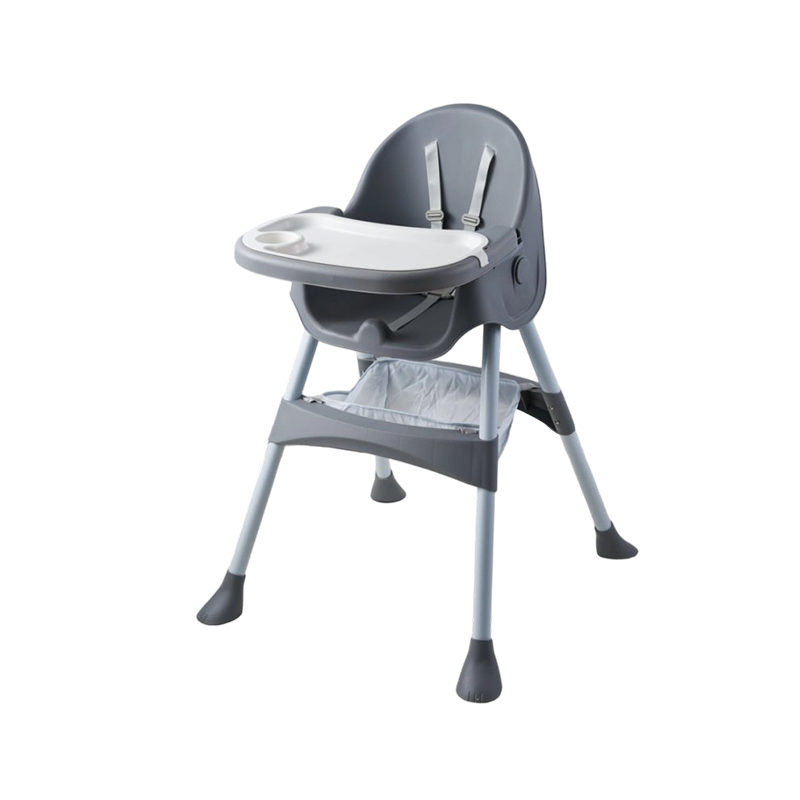
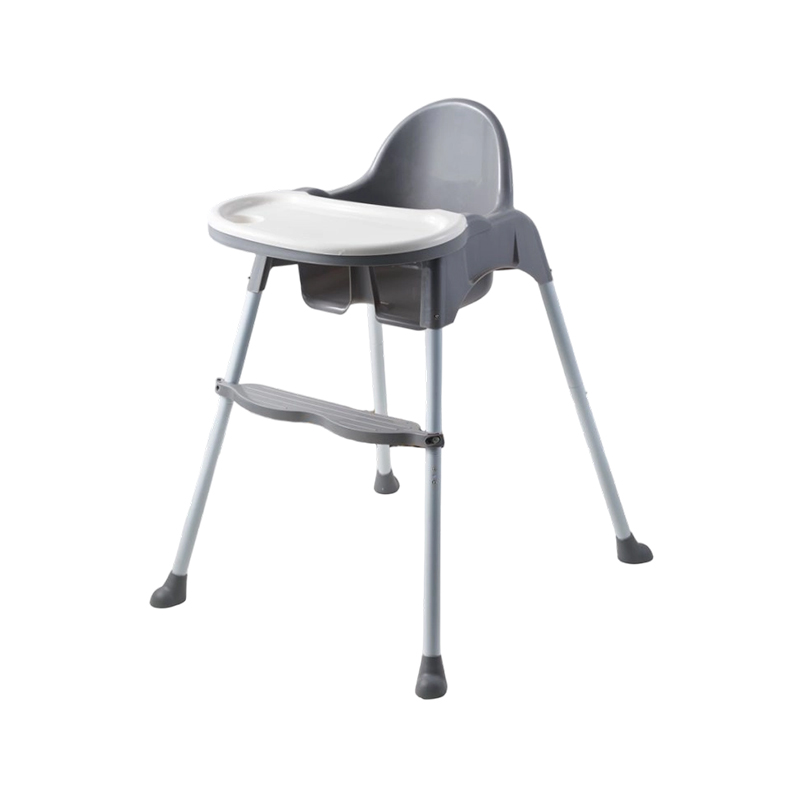
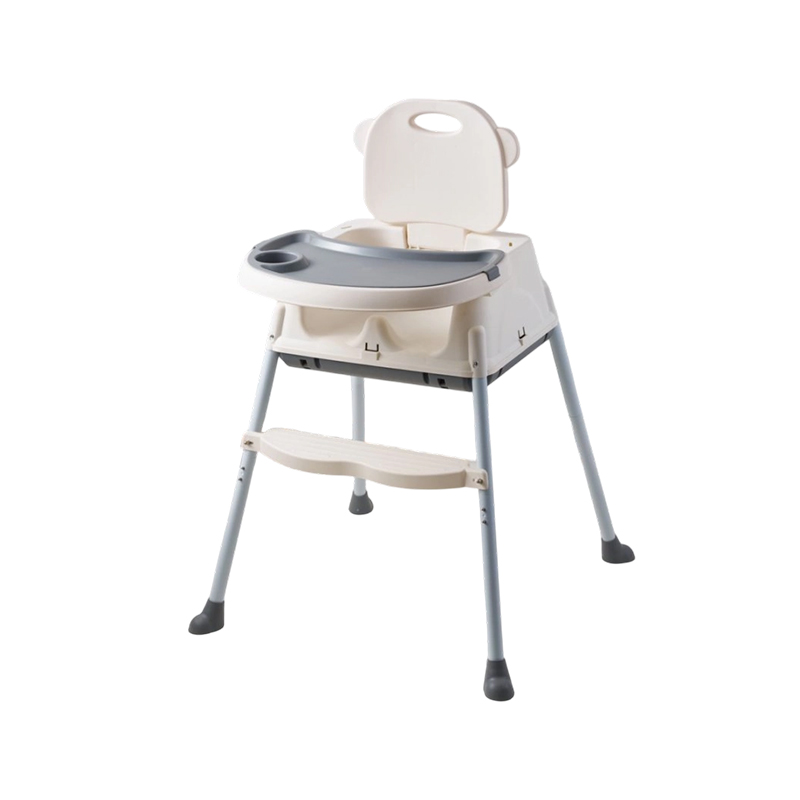


Bathroom Sink Step Stool
The Toddler Step Stool is made to help young children safely reach higher places while encouraging independence. Constructed from durable, child-friendly materials, the stool offers a stable structure with reinforced support. The wide stepping surface and anti-slip texture provide added safety for little feet.
Lightweight yet sturdy, it is easy for children to move and position on their own. The compact design makes it suitable for bathrooms, kitchens, and bedrooms without taking up extra space.
Product Categories
Hot Products
Company Profile

Yongkang Zhongdao Daily Necessities Co., Ltd.
Yongkang Zhongdao Daily Necessities Co., Ltd. is a China Toddler Step Stool manufacturer and wholesale Toddler Step Stool factory , integrating R&D, production and sales. Relying on Yongkang's mature industrial chain resources, it has created a high-quality product matrix covering infant and toddler home, travel and protection scenarios. We have an in-house R&D team of 5 professionals, along with a full-process injection molding workshop equipped with 15 high-precision injection molding machines.
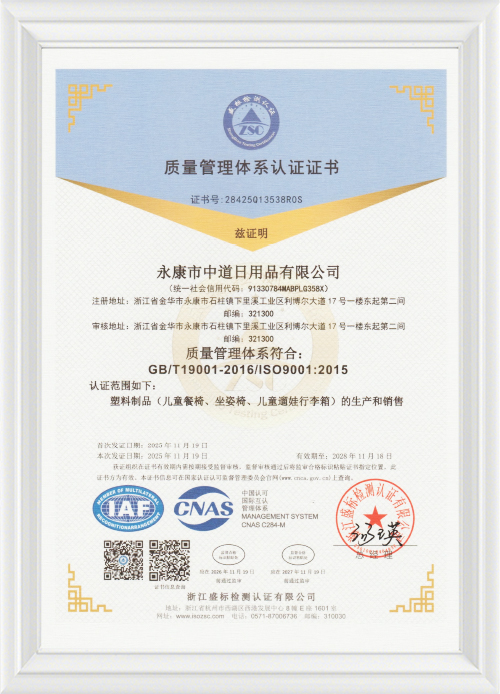
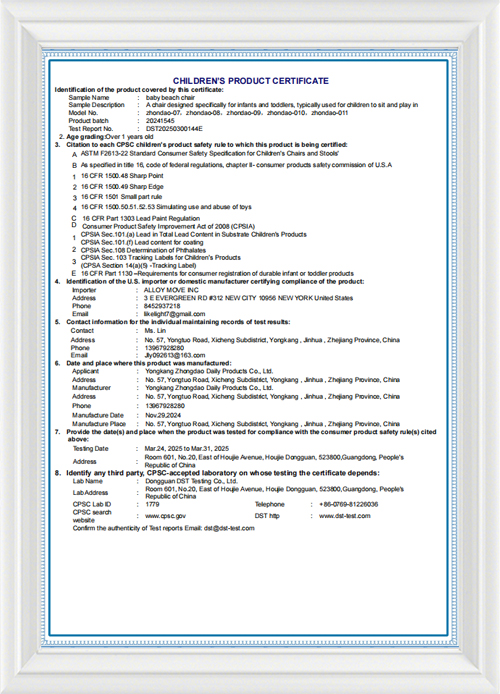
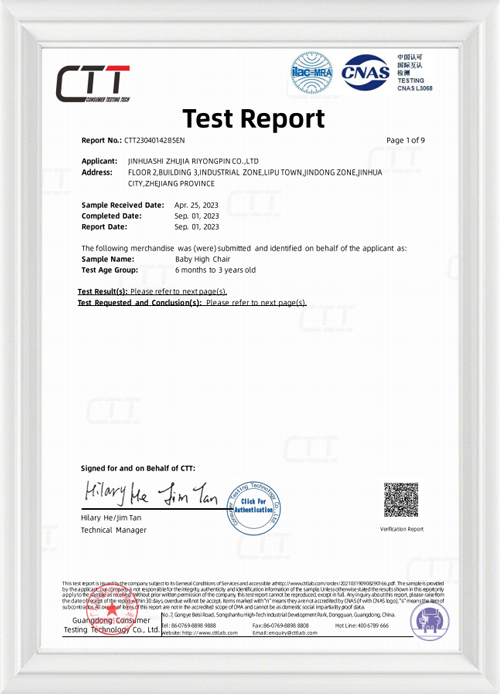
Our quality control system is certified in compliance with ISO 9001, EN 14988 and ASTM F963 standards.
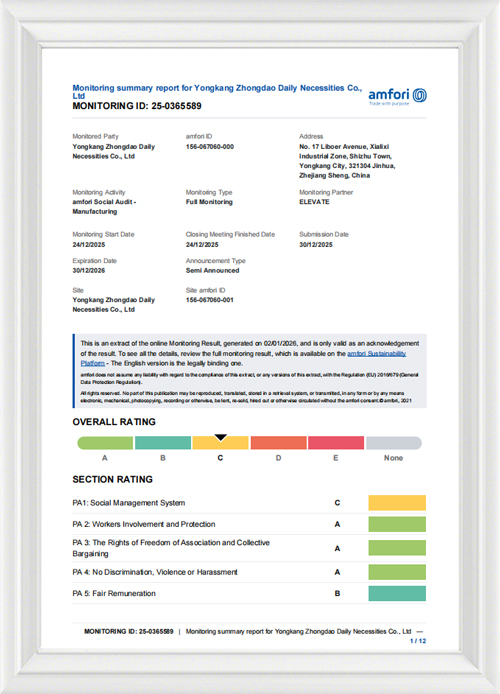
Certificates
Contact Us Now
Kids Step Stool Safety and Everyday Use Overview
A step stool is one of those small household items that doesn't look very important at first, but in families with young children, it quickly becomes something used every single day. Especially in bathrooms, where sinks are usually too high for kids to reach on their own.
Why Do Kids Need a Step Stool for Bathroom Sink Independence?
Most children can't reach the bathroom sink comfortably without help. In many homes, this usually means parents have to lift them or assist every time they wash hands or brush teeth. A Compact Step Stool changes that routine quite a bit.
In real daily use, especially during busy mornings, kids can just step up and handle basic hygiene themselves. A Bathroom Sink Step Stool gives them that extra height, but more importantly, it removes the constant need for adult support.
Over time, this builds a simple habit—children start doing small tasks on their own without waiting. That's often where parents notice the real difference, not just in height, but in independence.
What Safety Features Are Important in a Kids Step Stool?
Safety becomes very noticeable once the stool is actually used in a bathroom setting. Floors can be slightly wet, and kids don't always step carefully.
A Plastic Safety Step is usually designed with anti-slip surfaces to prevent sliding. That detail sounds basic, but in real use, it matters a lot. Even a small movement can make a difference when a child shifts weight suddenly.
Stability is another key point. A Compact Step Stool should stay balanced even when a child steps slightly off-center. Rounded corners are also commonly used because bumps and quick movements happen often with younger children.
How to Choose the Right Size of a Compact Step Stool for Children?
Size selection is where many parents only realize the difference after trying it at home. A Compact Step Stool that looks fine in pictures might feel too high or too low depending on the child.
In practice, a Bathroom Sink Step Stool is usually chosen based on sink height rather than age. Kids grow differently, so a fixed age-based choice doesn't always work well.
A Plastic Safety Step should allow the child to stand naturally without stretching too much or feeling unstable. If they have to tiptoe or lean forward, the size is usually not ideal.
| Stool Type | Height Range | Safety Focus | Typical Use |
|---|---|---|---|
| Compact Step Stool | Low–Medium | Balance + portability | General home use |
| Bathroom Sink Step Stool | Medium | Wet-area stability | Bathroom routines |
| Plastic Safety Step | Variable | Anti-slip design | Daily indoor use |
Where Can a Bathroom Sink Step Stool Be Used in Daily Life?
Although it's often called a Bathroom Sink Step Stool, its use is not limited to the bathroom. In many homes, it moves around quite a bit during the day.
In the kitchen, children use it to wash hands or help with simple tasks under supervision. In bedrooms, a Compact Step Stool is sometimes used to reach shelves or storage boxes. Even in living rooms, it can help kids access things that are slightly out of reach.
A Plastic Safety Step is often preferred because it is light enough to carry from room to room without effort. That flexibility is what makes it more than just a bathroom item.

No. 17, Liboer Avenue, Xialixi Industrial Park, Yongkang City, Zhejiang Province, China
 +86-13345922055
 +86-18057957037
+86-18069926676
 [email protected]
 [email protected]
[email protected]
Get in Touch
