 EN
EN
 English
  Español
  Deutsch
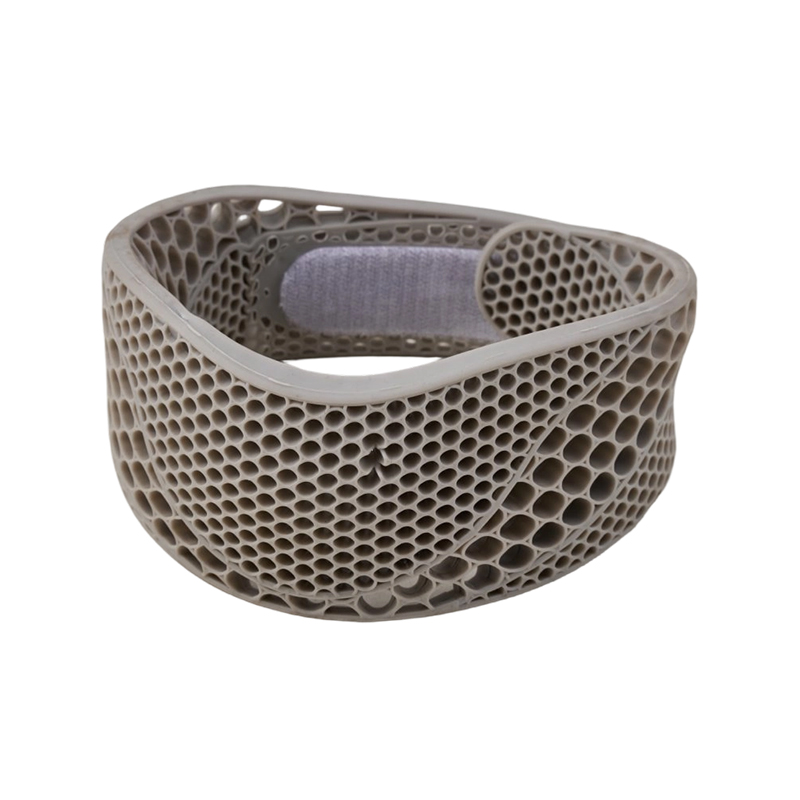
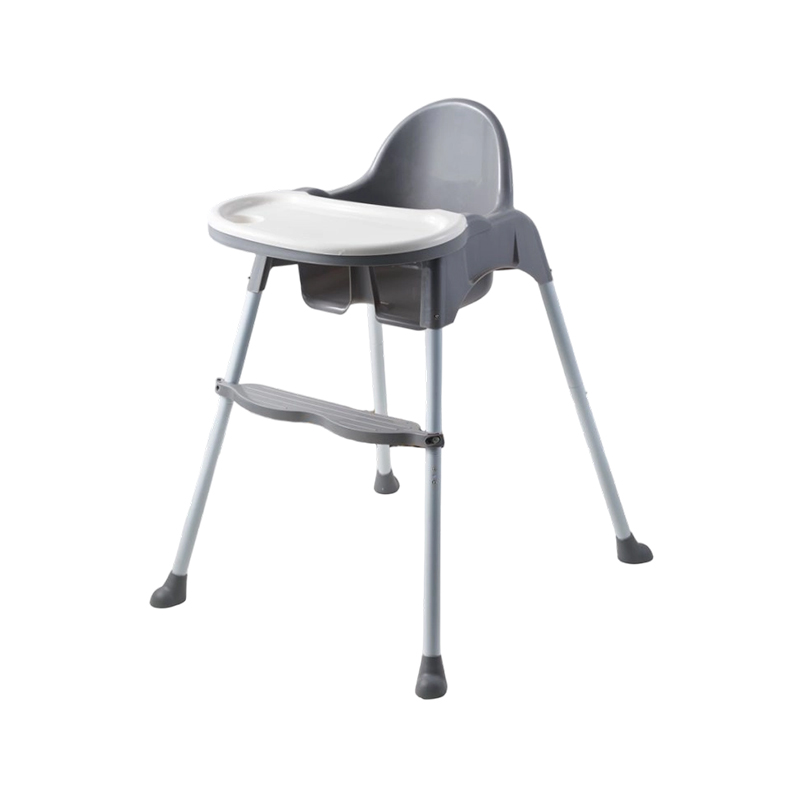
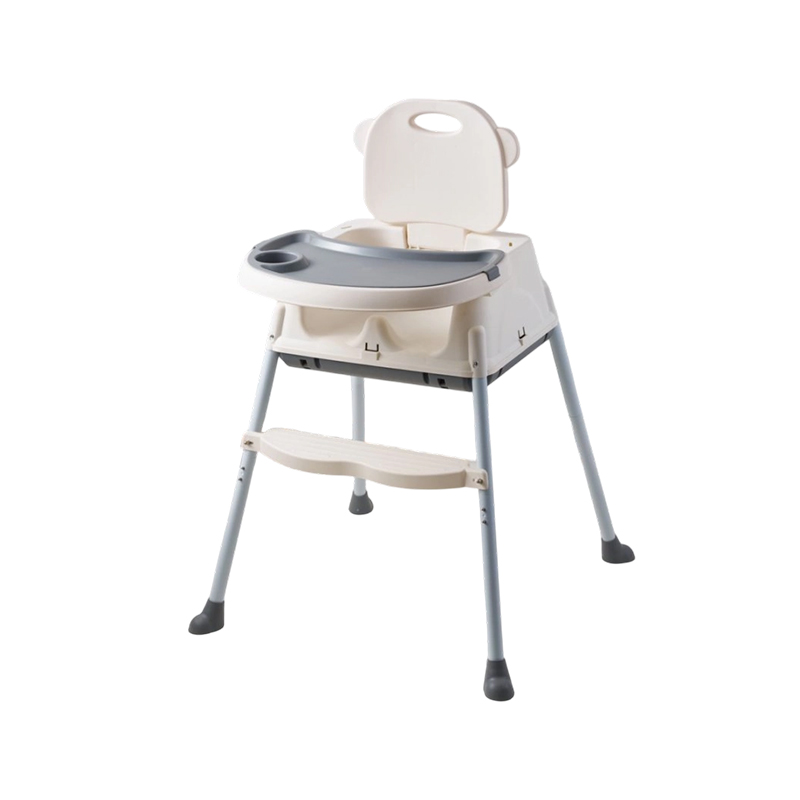


Lightweight Neck Brace
The TPE Neck Brace is designed to provide reliable neck support while maintaining flexibility and comfort. Made from high-quality thermoplastic elastomer (TPE), it offers a soft touch with excellent resilience, adapting naturally to the neck’s contour. This material helps evenly distribute pressure, reducing strain caused by prolonged sitting, improper posture, or recovery needs.
The breathable structure allows airflow, minimizing heat buildup during extended wear. Lightweight and easy to adjust, the neck brace can be used at home, in the office, or during travel.
Product Categories
Hot Products
Company Profile

Yongkang Zhongdao Daily Necessities Co., Ltd.
Yongkang Zhongdao Daily Necessities Co., Ltd. is a China TPE Neck Brace manufacturer and wholesale TPE Neck Brace factory , integrating R&D, production and sales. Relying on Yongkang's mature industrial chain resources, it has created a high-quality product matrix covering infant and toddler home, travel and protection scenarios. We have an in-house R&D team of 5 professionals, along with a full-process injection molding workshop equipped with 15 high-precision injection molding machines.
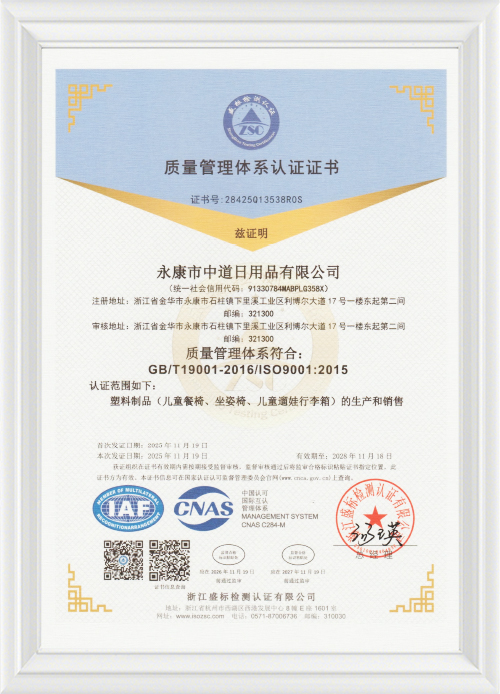
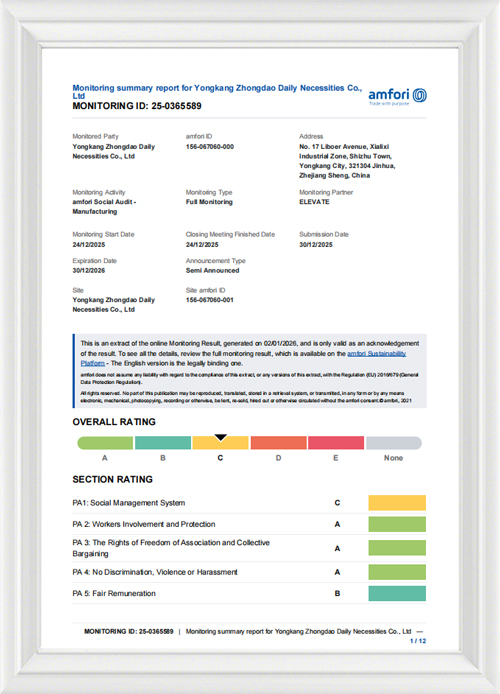
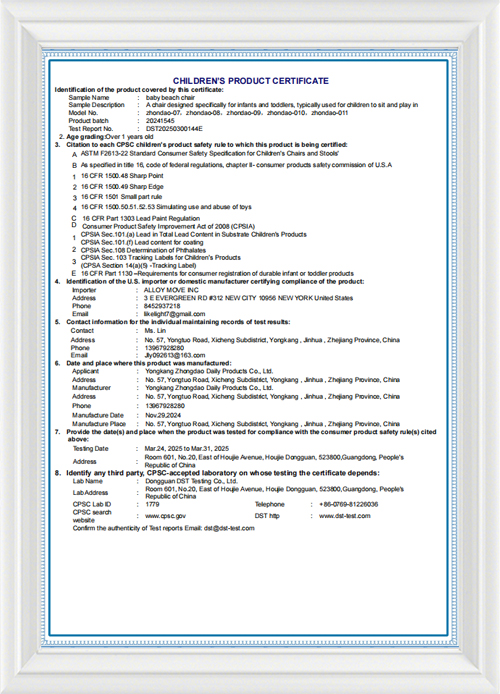
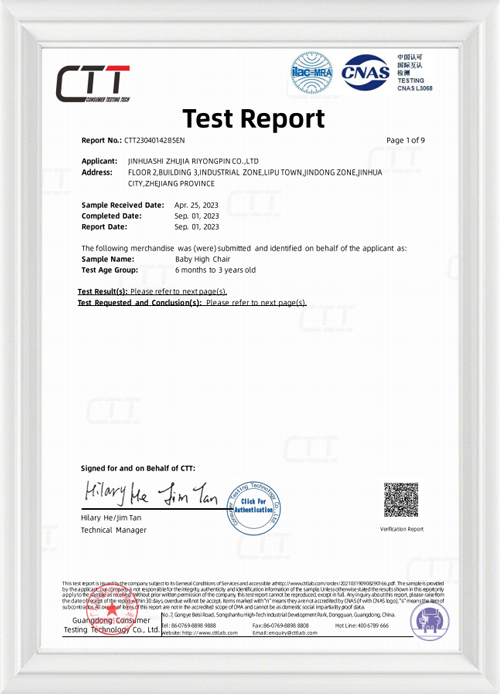
Our quality control system is certified in compliance with ISO 9001, EN 14988 and ASTM F963 standards.
Certificates
Contact Us Now
Cervical Neck Brace Comfort and Usage Overview
Neck braces are not just medical devices anymore. In many cases, people use them for daily posture issues, long sitting hours, or mild neck strain. So the expectations are no longer only about “support”, but also about how comfortable they feel in real life.
When Should You Use an Adjustable Cervical Neck Brace?
An Adjustable Neck Brace is usually chosen when the level of support needed is not fixed. Some days you might need tighter support, other times just light restriction is enough. That flexibility is really the main reason people prefer it.
In practice, it is often used after mild neck strain, long working hours in front of a screen, or during travel when posture gets unstable. It helps keep the neck in a safer position, but without fully locking movement, which matters more than people expect.
A lot of caregivers also prefer adjustable types because they can be fine-tuned instead of replaced. This becomes useful during recovery stages where support gradually reduces over time.
How Does a Lightweight Neck Brace Improve Daily Comfort?
A Lightweight Neck Brace makes a noticeable difference when it comes to long wearing time. Heavy braces might feel supportive at first, but after a few hours, they start to feel tiring on the shoulders.
In daily routines like office work, commuting, or even resting at home, lighter design simply feels easier to live with. It doesn't constantly remind you that you are wearing something medical.
Another point that often gets overlooked is consistency. When a brace feels light, people actually wear it longer. That alone can make a difference in recovery habits. Compared to rigid designs, lightweight versions focus more on comfort balance than full immobilization.
How to Choose the Right Neck Brace for Different Levels of Neck Support?
Choosing a neck brace usually depends on how serious the condition is, but in real life, people don't always fall into clear categories.
For mild discomfort, softer support is usually enough. When stability is more important, firmer designs are used. An Adjustable Neck Brace sits somewhere in between, which is why it's so commonly recommended.
A Lightweight Neck Brace is often preferred for daily wear because it doesn't interfere too much with movement. Stronger braces do provide more control, but they also limit flexibility, which not everyone can tolerate for long periods.
| Brace Type | Support Level | Comfort Feeling | Typical Use |
|---|---|---|---|
| Adjustable Neck Brace | Medium (flexible) | Balanced | Recovery + daily adjustment |
| Lightweight Neck Brace | Low–Medium | High | Daily use + mild strain |
| Rigid Support Brace | High | Lower | Post-injury stabilization |
What Features Make a Breathable Neck Brace Suitable for Long-Term Wear?
Breathability becomes important once the brace is worn for longer hours. Without proper airflow, heat and moisture can build up quickly, which is usually the main reason people stop using it.
A Breathable Neck Brace helps reduce that problem by using ventilation zones or moisture-friendly materials. It sounds like a small detail, but in daily use, it really affects comfort.
When combined with an Adjustable Neck Brace design, it becomes easier to maintain fit without sacrificing airflow. A Lightweight Neck Brace also helps here because less material naturally means less heat retention.
In long-term wear situations, comfort is not just a bonus—it directly affects whether people continue using the product or abandon it after a few days.

No. 17, Liboer Avenue, Xialixi Industrial Park, Yongkang City, Zhejiang Province, China
 +86-13345922055
 +86-18057957037
+86-18069926676
 [email protected]
 [email protected]
[email protected]
Get in Touch
