 EN
 English
 Español
 Deutsch

Industry News

Industry News
Evaluating Daily Safety of Compact Feeding Seats for Infants
Compact feeding seats offer a practical way to support mealtimes and everyday routines. Portability, simple storage, and structural security often guide the selection process. When matched to the current developmental stage and installed correctly, a compact design can serve regular feeding without difficulty. Safety rests on the frame, locking parts, attachment method, and continuous supervision rather than on the foldable form alone. Several core points determine whether such a seat suits repeated daily use.
Clarifying the Nature of Compact Feeding Seats
Compact feeding seats take up less space and weigh less than the larger stationary ones. Many fold flat or clamp onto an ordinary dining chair. A collapsible frame, a tray that lifts off, and straps that adjust form the usual set of parts. The same seat can sit at the kitchen table, travel to another house, or serve in any other indoor spot that offers a steady surface. Because each model uses its own way of locking and its own range of stages, the printed guide that comes with it has to be read before the seat becomes part of the daily meal routine. Portable High Chair for Baby versions put the stress on easy carrying, yet they still need the same careful locking and checking that the bigger chairs demand.
Essential Elements That Support Secure Daily Operation
Maintaining a Steady Frame During Mealtimes
Once the meal starts the seat has to stay put on whatever surface it rests on. A stiff frame, locks that click fully into place, and every joint pushed home stop the whole thing from rocking or sliding. A quick look before each use shows whether anything has worked loose, cracked, or slipped out of line. Doing the setup exactly as the guide describes keeps the seat sitting the way it was meant to sit.
Ensuring Correct Restraint Placement
A properly adjusted harness holds the occupant in a stable upright position. Buckles and straps must fasten according to the given guidance. The tray itself never serves as a substitute for the restraint system. Regular checks of webbing and fasteners detect wear or damage early enough to prevent failure during use.
Matching the Seat to Developmental Readiness
The occupant must already possess the head control and trunk strength needed to sit upright with the support the seat provides. Ordinary feeding seats are not intended for stages that still require full reclined positioning. Observing the stated developmental and load requirements prevents placement of an unready occupant into the chair.
Confirming Secure Placement and Attachment
Some models stand independently; others fasten to an existing adult dining chair. Attachment versions require every strap to be tightened and both the feeding seat and the supporting chair to remain stable together. Only surfaces and chair styles listed by the maker are acceptable. Elevated surfaces such as tables or counters remain off-limits unless the product is explicitly approved for that placement.
Assessing Suitability for Regular Household Feeding
Supporting Routine Mealtimes at Home
A compact seat can simplify daily feeding in suitable indoor spaces. Foldable construction allows quick setup and compact storage between meals. Convenience, however, never replaces the need for full installation checks and harness use each time the seat appears.
Fitting Limited Living Spaces
In smaller dwellings a folding frame reduces the floor area occupied when the seat is not required. Proper folding and locking keep the stored unit secure until the next meal. Every reuse begins with verification that locks have engaged correctly.
Serving Occasional Travel and Visits
The same compact form can travel to other households or temporary locations. Compatibility with the available floor or adult chair must be confirmed on arrival. Familiar equipment still requires complete installation and stability checks in every new setting.
Simplifying Everyday Cleaning
Removable trays and smooth surfaces allow food residue to be wiped away promptly. Debris that collects in buckles, hinges, and joints needs regular attention. Cleaning and drying steps follow the guidance provided with the product so that materials remain intact.
Frequent Errors That Reduce Safety
Leaving an occupant unsupervised in the seat, placing the seat before developmental readiness is reached, skipping the harness or attachment straps, choosing an unstable surface or incompatible supporting chair, allowing standing or climbing inside the seat, continuing use after straps or locks show damage, and exceeding stated limits or ignoring assembly steps all increase risk. Avoiding these practices keeps the seat functioning within its intended range.
Selecting a Compact Feeding Seat for Reliable Daily Service
Confirming that the current developmental stage matches the seat's stated range forms the first filter. Clear instructions, relevant safety-standard markings, and compliance documents support informed choice. Frame stability, locking quality, and the attachment method deserve close review. The restraint system should offer secure adjustment and durable buckles. Folding ease, storage size, and cleaning access influence how readily the seat fits into daily patterns. Attachment-style models require verification of compatible chair types. Instructions that remain easy to follow for every caregiver complete the evaluation.
Comparing Key Safety Checks Across Common Situations
| Situation | Primary Check Required | Outcome of Incomplete Check |
|---|---|---|
| Daily home meals | Frame locks and harness fit | Possible shifting during feeding |
| Limited storage space | Secure folding and locked storage | Unexpected unfolding or instability |
| Visits to other locations | Compatibility with new surface or chair | Improper attachment or tip risk |
| After cleaning | Dry buckles and free-moving joints | Sticking or incomplete fastening |
| Visible wear | Immediate removal from service | Continued use of damaged components |
Practical Value of Compact Feeding Seats in Household Routines
A well-constructed compact seat combines ready setup, reduced storage needs, and dependable feeding support. Features such as a secure harness, steady frame, wipeable surfaces, and reliable folding contribute to everyday practicality when they are present. Flexible placement helps households that shift seating arrangements frequently. Comparison of safety elements and intended stage remains more useful than selection based solely on appearance or cost. Portable High Chair for Baby options exist for households seeking convenient feeding support, provided the specific instructions for each model receive full attention.
Determining Everyday Suitability of Compact Feeding Seats and Available Production
Compact feeding seats can support regular mealtimes when the chosen model matches the current developmental stage and receives correct installation and continuous supervision. Stability, a fully secured harness, routine inspection, and uninterrupted adult presence remain essential. No portable form removes the obligation to follow the supplied instructions. Selection guided by verified safety features, cleaning ease, and practical household needs produces the most reliable results. Yongkang Zhongdao Daily Necessities Co., Ltd. manufactures a range of compact feeding seats designed for everyday household use. Reviewing the exact features and instructions of any selected model confirms whether it aligns with the household's feeding requirements and safety expectations.
NEXT:Childrens Dining Chair Safety Testing: What Importers Should Confirm Before Placing Bulk Orders
-
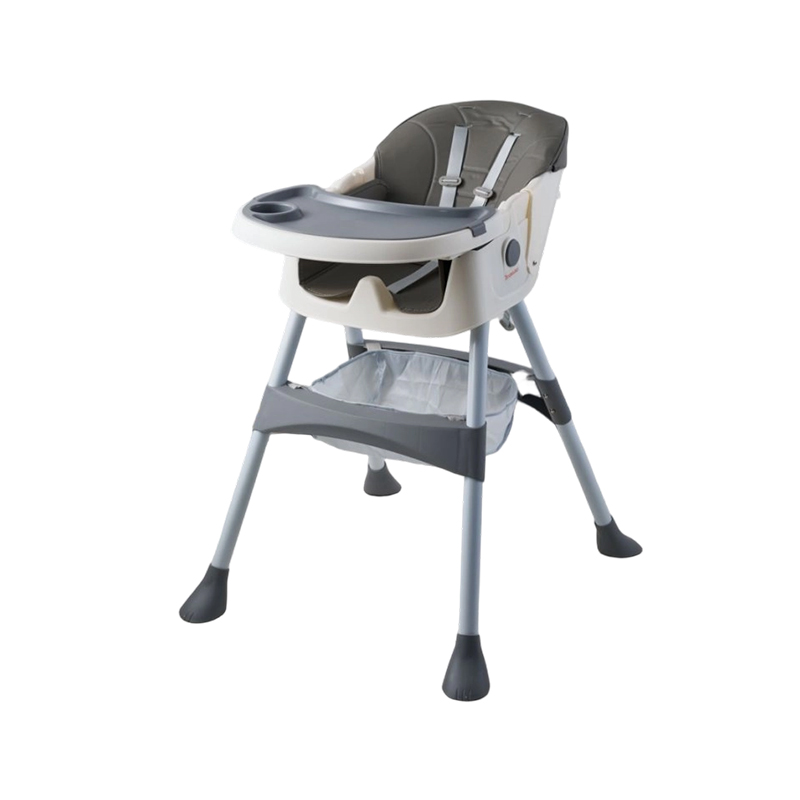 CY12 Features Description:1. No installation required, ready to use straight out of the box2. Can be...View More

-
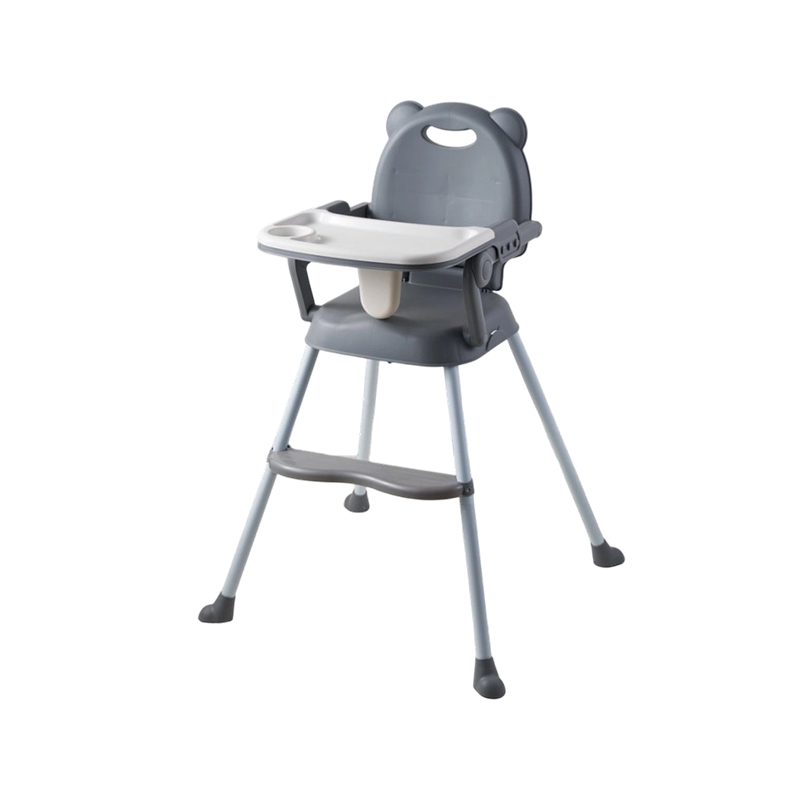 CY05 features description:1. Dining chair height is adjustable2. Multiple modes can be switched at w...View More
-
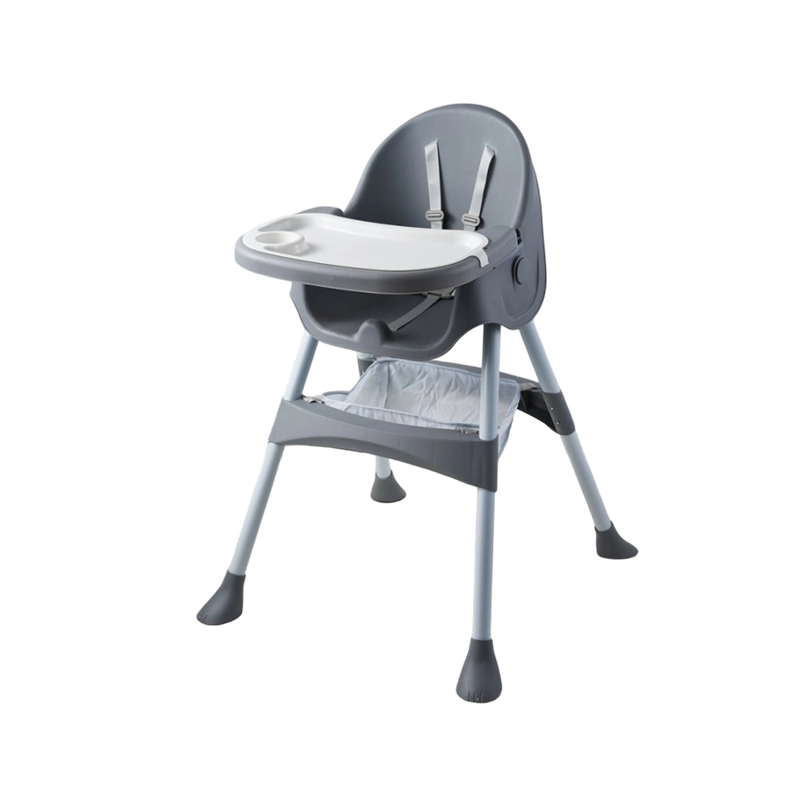 CYO3 Features:1. Dining chair height is adjustable2. Multiple modes can be switched at will3. Three-...View More
-
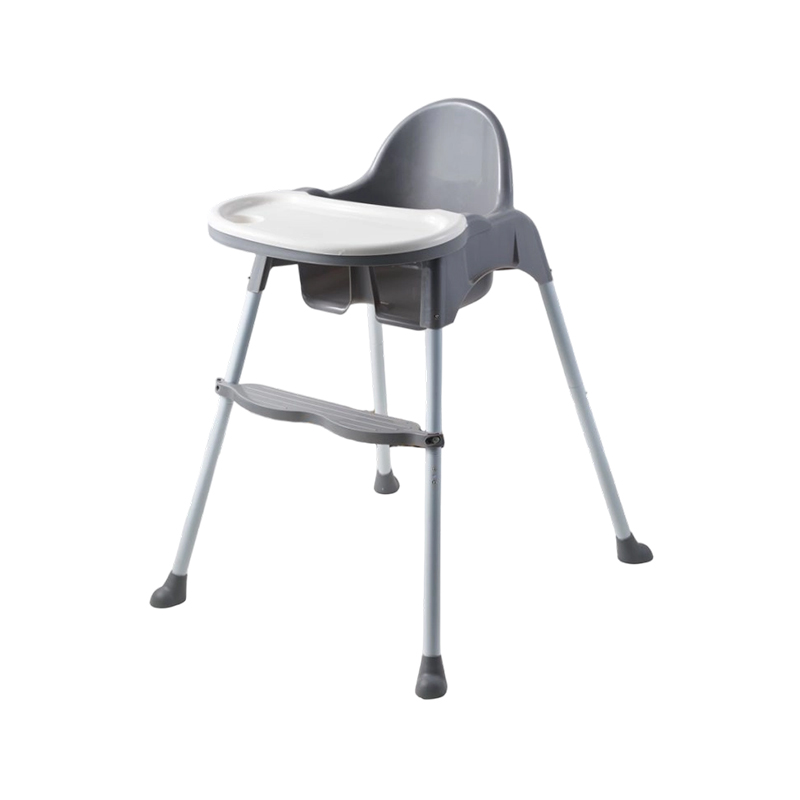 CY02 features description:1. Dining chair height is adjustable2. Multiple modes can be switched at w...View More
-
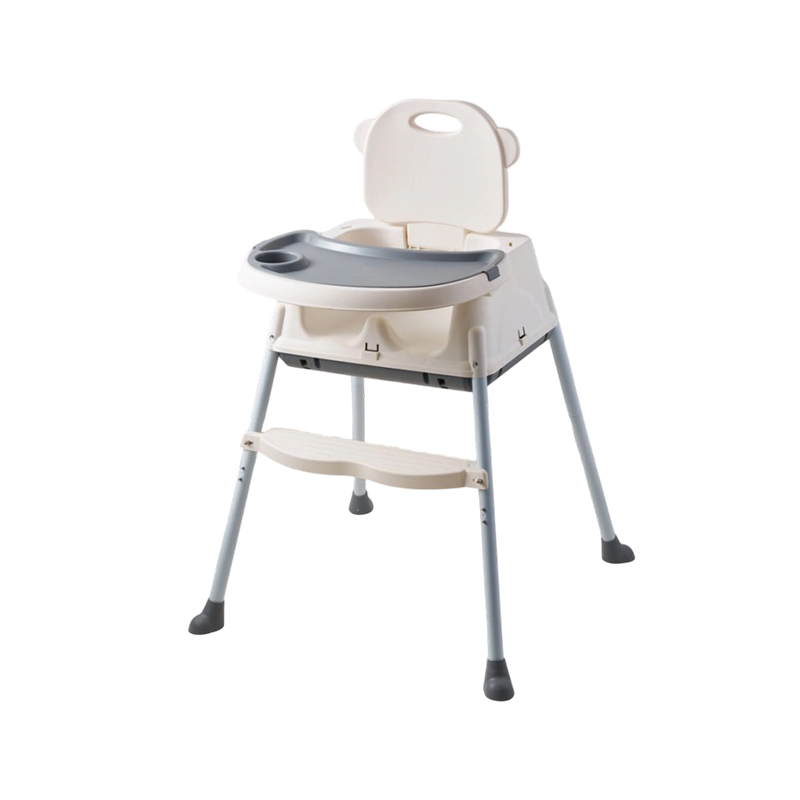 CY01 features description:1. Dining chair height is adjustable2. Multiple modes can be switched at w...View More
-
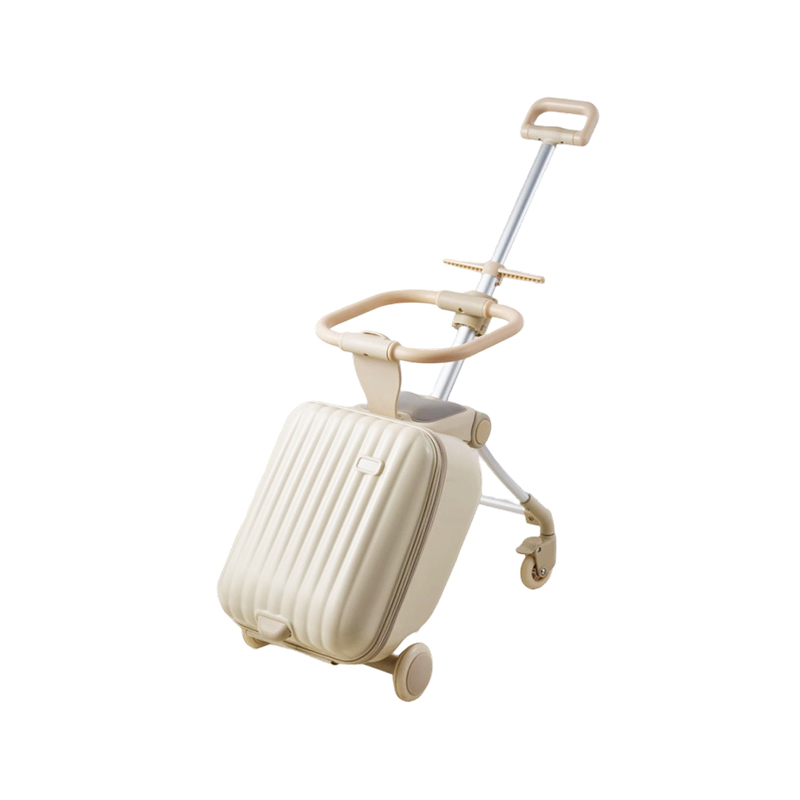 L-01 features description1. 20L, carry-on approved2. Snap-apart frame swaps modes in seconds3. Trian...View More

No. 17, Liboer Avenue, Xialixi Industrial Park, Yongkang City, Zhejiang Province, China
 +86-13345922055
+86-18057957037
+86-18069926676
 [email protected]
[email protected]
Get in Touch
Copyright © Yongkang Zhongdao Daily Necessities Co., Ltd. All Rights Reserved
OEM Baby Chair Manufacturer
