A children's dining chair can look fine in a catalogue and still turn out to be a problem once it reaches a customer's home. Maybe one leg sits slightly higher than the others. Maybe a screw starts coming loose after a few weeks, or the backrest cracks when the chair is used regularly. These are the sorts of defects importers need to catch before thousands of chairs are packed and shipped.
Price and appearance are easy to compare. Safety is harder, because you need to know what was tested, how it was tested, and whether the finished product is actually the same as the sample.
The type of chair matters, too. A high chair used to feed a toddler isn't necessarily subject to the same requirements as a small dining chair for an older child. Selling the product in the United States may bring different obligations from selling it in the European Union.
For importers sourcing a Childrens Dining Chair, the goal isn't to collect as many certificates as possible. It's to establish which requirements apply, check that the chair meets them, and make sure the factory doesn't change important details halfway through production.
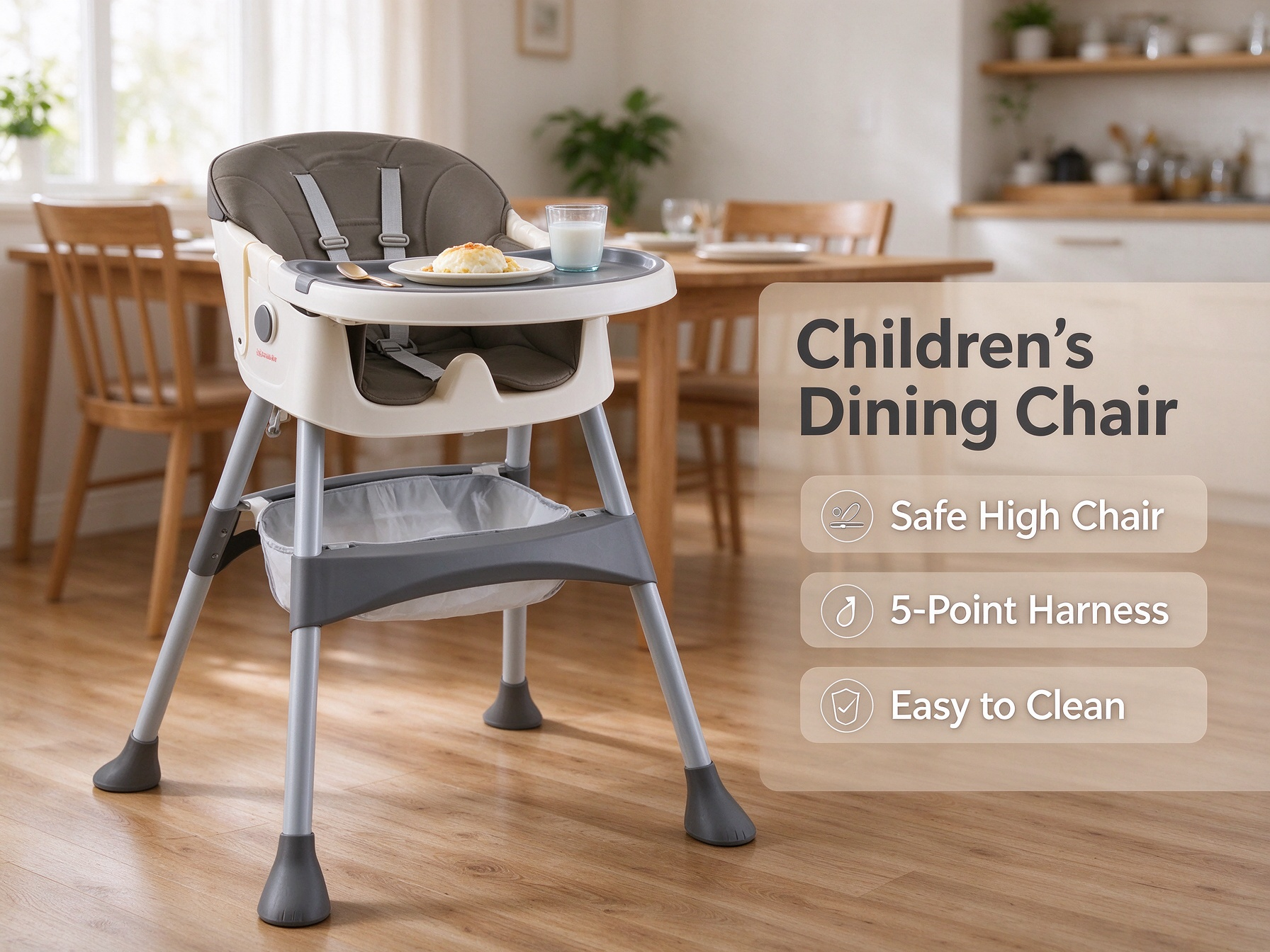
Work Out Which Safety Standards Apply Before Ordering
Start with the chair's intended use. This sounds obvious, but it can affect the entire testing process.
A high chair designed to hold a young child during feeding may fall under specific high-chair requirements. A small chair designed for a child to use at a dining table may be classified differently. Don't assume the same test report will cover both.
The destination market needs the same attention. In the United States, importers should check the applicable Consumer Product Safety Commission (CPSC) requirements. Depending on the product category, these may include specific safety standards, lead limits, third-party testing, and certification obligations.
For the European Union, buyers need to identify the applicable product safety requirements, relevant standards, and chemical restrictions. The exact requirements depend on the chair's design, materials, and intended use.
Before discussing production schedules, get clear answers to these questions:
- Is the product classified as a high chair or another type of children's seating?
- What age group is it designed for?
- Which countries will the chair be sold in?
- What tests and certifications are required for those markets?
- Will the factory arrange testing, or is the importer responsible?
Be careful when a supplier says a chair is "certified" without providing details. Ask for the actual report and check which model it covers. A certificate for a similar-looking chair doesn't necessarily establish compliance for the one you're buying.
If the classification is unclear, ask a qualified testing laboratory or compliance specialist before production starts. It's much easier to sort out a missing requirement while the order is still on paper.
Can the Chair Tip Over or Break During Normal Use?
Children don't always sit still. They lean across the table, push against nearby furniture, shift their weight, and sometimes try to climb onto the seat. A chair needs to remain stable under the conditions covered by its applicable safety requirements.
Stability deserves a proper test
A chair might feel solid when an adult presses down on the seat. That doesn't tell you what happens when weight shifts toward one side or the child leans forward.
Ask the manufacturer for stability test results covering the directions and conditions required by the relevant standard. Depending on the design, these may include forward, backward, and sideways tipping tests.
The shape of the chair matters here. Leg spacing, seat height, and weight distribution all influence stability. A wider base can help, but it isn't a guarantee on its own.
When reviewing the results, check whether the test covers the actual chair configuration you're ordering. If the supplier changes the leg angle or raises the seat, for example, don't assume the previous results automatically remain valid.
What about the frame itself?
Stability is only one part of the job. The seat, backrest, legs, and their connections also need to withstand the forces specified for the product.
Ask the factory which parts were tested, what loads were applied, and what counted as a pass. If repeated use is a concern under the applicable standard, check whether durability testing was carried out as well.
Why does this matter? A chair might survive a single load test and still develop loose joints after repeated use. The important thing is to know what the test results actually demonstrate, rather than relying on a general statement that the chair is sturdy.
Look at the Joints, Fasteners, and Load-Bearing Parts
A chair doesn't usually fail because every component breaks at once. Sometimes the problem starts with one poorly secured screw or a joint that wasn't assembled properly.
The inspection should reflect the materials used in the chair. Wooden models need checks around glued joints, dowels, screws, and the wood surrounding those fasteners. On plastic chairs, look for cracks or weak areas around molded connections. Metal frames need attention at the welds, joints, and mounting points.
|
Component
|
Possible problem
|
What buyers should check
|
|
Seat
|
Cracking or structural failure
|
Relevant strength test results and secure attachment
|
|
Backrest
|
Loosening or breakage
|
Joint integrity and resistance to specified forces
|
|
Legs
|
Uneven support or bending
|
Stability and structural performance
|
|
Fasteners
|
Loosening or detachment
|
Secure installation and durability
|
|
Folding joints
|
Unexpected movement
|
Locking mechanism and applicable safety tests
|
|
Footrest
|
Detachment or instability
|
Attachment and suitability for the intended use
|
Pay particular attention to fasteners that are difficult to inspect after assembly. If screws are hidden behind covers, ask how the factory checks them before the product is finished.
For chairs that require maintenance, the supplier should explain which parts need checking and how they should be tightened. Don't leave this information to guesswork.
One more thing: if the factory substitutes a different screw, joint, or frame material after testing, ask whether the change affects the existing results. Even a small design change can matter if it alters the way the chair carries weight.
Check the Folding Mechanism and Small Parts
A basic fixed chair has fewer moving components to worry about. Folding or adjustable models need a closer look because hinges and locking mechanisms can create additional hazards.
Start with the places where parts move or come close together. Gaps around hinges, openings between the seat and frame, and adjustable footrests may need assessment for finger or limb entrapment, depending on the design and applicable requirements.
Small detachable parts deserve attention as well. Plastic caps, knobs, plugs, and decorative pieces should be checked against the relevant requirements for the product category and intended age group.
During inspection, look for:
- Gaps around hinges and folding joints.
- Parts that could close unexpectedly.
- Openings that may create an entrapment risk.
- Removable components that could come loose.
- Fasteners that may become accessible as the chair wears.
For a folding model, ask how the locking mechanism was tested. It needs to work as intended and prevent unexpected collapse under the applicable test conditions.
Instructions and warnings should match the finished product. If a chair has a folding lock or adjustable parts, generic instructions copied from a simpler model won't necessarily cover the risks.
Don't Treat Material Safety as a Box-Ticking Exercise
A chair can pass its structural tests and still use materials that don't meet the requirements of the destination market. Paint, plastic, upholstery, adhesives, and decorative finishes may all need to be considered.
For a painted wooden chair, buyers may need evidence covering applicable lead limits and coating requirements. Plastic parts and metal finishes can have different chemical restrictions. Upholstered chairs may require additional checks on fabric and other materials.
|
Material or component
|
What to investigate
|
|
Painted wood
|
Lead content and applicable coating requirements
|
|
Plastic seat or frame
|
Restricted substances and material consistency
|
|
Metal frame
|
Coating composition, corrosion resistance, and relevant chemical limits
|
|
Fabric upholstery
|
Applicable chemical restrictions and material durability
|
|
Adhesives
|
Restrictions relevant to the product and destination market
|
|
Decorative finishes
|
Chemical compliance and resistance to normal use
|
For products sold in the United States, importers should identify the applicable CPSC requirements, including relevant lead limits for children's products. Depending on the product, third-party testing and a Children's Product Certificate may be required.
For the European Union, check the applicable chemical restrictions, including REACH requirements where they apply.
Ask the supplier for documents that identify the material or component tested. A general statement that the materials are safe doesn't tell you which substances were tested or whether the result applies to the finished chair.
This becomes especially important when ordering several colors. A report covering one coating shouldn't automatically be treated as evidence for every finish.
Check the Finishing by Handling the Actual Sample
Some problems don't require complicated equipment to spot. Sharp edges, splinters, exposed screws, and rough welds can often be found during a careful physical inspection.
On a wooden chair, check the seat edges, backrest, legs, and corners for splinters. Plastic models should be free from sharp molding flash and poorly trimmed edges. Metal chairs shouldn't have exposed burrs or rough welds.
Don't just inspect the front of the product. Turn it over and look underneath the seat, around the leg connections, and at the places where different materials meet. That's where unfinished edges or rough assembly can be easier to miss.
Also check decorative parts and labels. If a component comes loose, it shouldn't expose a sharp edge underneath.
For bulk production, the factory should have a clear finishing standard that inspectors can follow. Photographs showing acceptable and unacceptable examples are useful when the buyer and manufacturer need to agree on what must be corrected.
Of course, handling a sample doesn't replace formal safety testing. It catches visible problems, while the required mechanical and chemical tests establish other aspects of compliance.
Make Sure the Test Report Covers Your Model
A supplier may send you a report for a chair that looks almost identical to the one you're buying. Before accepting it, check whether the tested product and your order really match.
Differences in frame dimensions, materials, fasteners, or folding mechanisms can affect the relevance of the results.
When reviewing a report, pay attention to:
- Product identification: Does it identify the correct model or product family?
- Test coverage: Were the relevant stability, strength, mechanical, and chemical requirements assessed?
- Laboratory details: Is the laboratory identified, with appropriate competence for the tests performed?
- Test date: Is the report suitable for the applicable requirements and current product configuration?
- Results: Are the findings clear, including any failures or limitations?
- Design changes: Has anything changed since the tested sample was produced?
Don't stop at the word "pass." You need to know what was tested and whether the results cover the chair you're ordering.
For a large order, or a product with more complicated safety requirements, consider having a qualified testing laboratory or compliance specialist review the documents before approving mass production.
Find Out What Happens on the Factory Floor
A tested sample is useful, but the shipment still needs to match it. Assembly mistakes, material substitutions, and inconsistent finishing can introduce problems once mass production begins.
Ask the manufacturer how it checks quality between receiving raw materials and packing the finished chairs.
A practical production inspection plan may include:
- Checking incoming frames, fasteners, plastic parts, and coatings.
- Verifying assembly dimensions and fastening methods.
- Inspecting for sharp edges and surface defects.
- Checking folding or adjustment mechanisms where fitted.
- Reviewing labels, warnings, and packaging.
- Keeping production and shipment records for traceability.
It's worth agreeing on defect categories before production starts. A small cosmetic mark is different from a chair that tips too easily or a locking mechanism that fails. Safety-related defects need to be treated separately from appearance issues.
If the factory uses sampling inspection, ask how the plan works and which risks it covers. Sampling can help monitor batch quality, but it doesn't replace mandatory testing or certification.
What Should Be Written Into the Purchase Order?
Once the product requirements are clear, put them in writing. This gives both sides a reference if questions come up during production or inspection.
|
Purchasing item
|
What needs confirming
|
|
Product classification
|
Intended age group, use, and applicable regulations
|
|
Safety testing
|
Relevant standards and required tests
|
|
Test reports
|
Reports covering the correct model and configuration
|
|
Materials
|
Material specifications and relevant chemical compliance
|
|
Construction
|
Stability, strength, joints, and fasteners
|
|
Moving parts
|
Pinch-point, entrapment, and folding-mechanism checks where applicable
|
|
Labels
|
Required warnings, instructions, and traceability information
|
|
Design changes
|
Approval process for material or construction changes
|
|
Quality inspection
|
Agreed acceptance criteria and inspection responsibilities
|
|
Shipment documents
|
Required certificates and supporting records
|
Discuss these points before paying the deposit or starting mass production.
If the factory doesn't have all the required documents, ask what's missing, who will arrange the tests, and how the extra work affects the cost and schedule. Don't leave that discussion until the finished chairs are waiting to ship.
Keep the approved sample, drawings, test reports, and final specifications on file. They're useful references for repeat orders, shipment inspections, and any later questions about compliance.
Get the Safety Details Settled Before Mass Production
When buying a Childrens Dining Chair, don't rely on appearance or price to tell you whether the product is ready for sale. The chair needs to meet the applicable safety requirements, and the evidence should cover the version you're actually importing.
Confirm the product classification, inspect the structure and finishing, review the material documentation, and make sure the factory can maintain the agreed specifications. If a design or material changes, check whether the existing test results are still relevant.
Doing this work before production takes some effort, but it's easier than dealing with a rejected shipment or a safety complaint later. Clear requirements and reliable test documentation give importers a much sounder basis for placing bulk orders.
 EN
EN
 English
  Español
  Deutsch

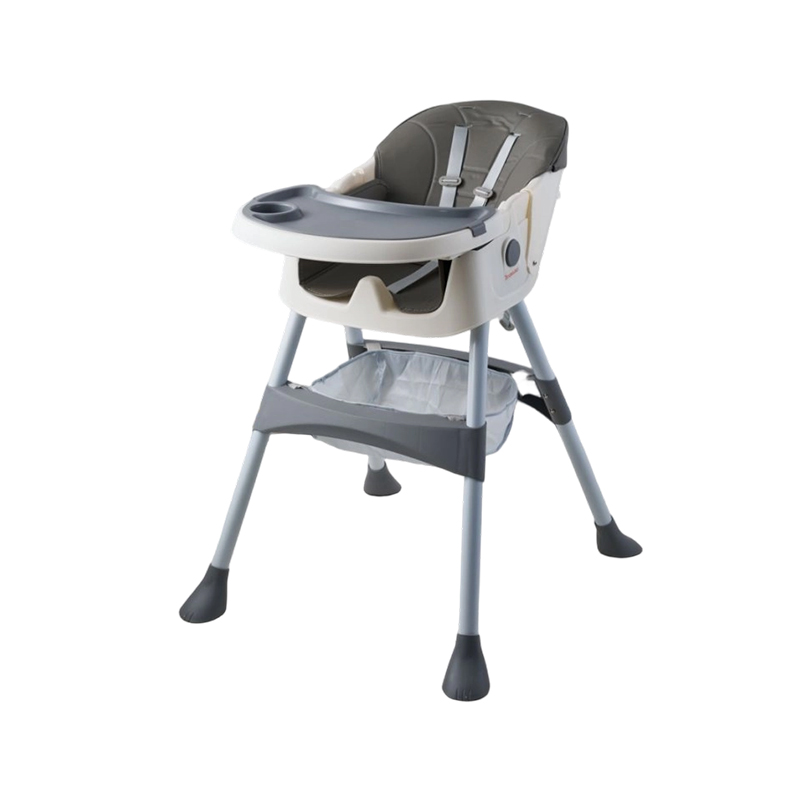 CY12 Features Description:1. No installation required, ready to use straight out of the box2. Can be...View More
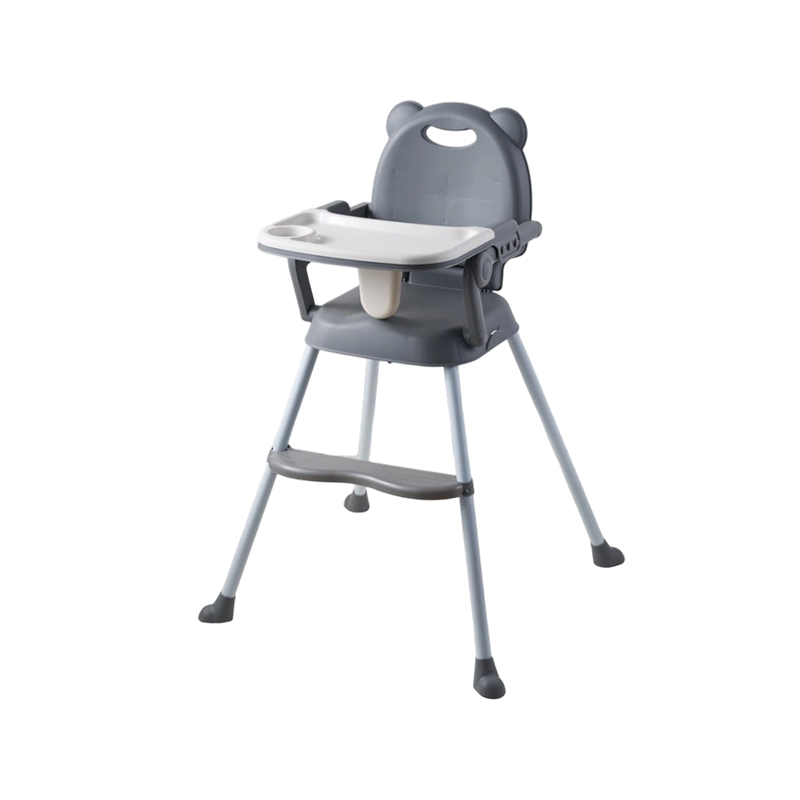 CY05 features description:1. Dining chair height is adjustable2. Multiple modes can be switched at w...View More
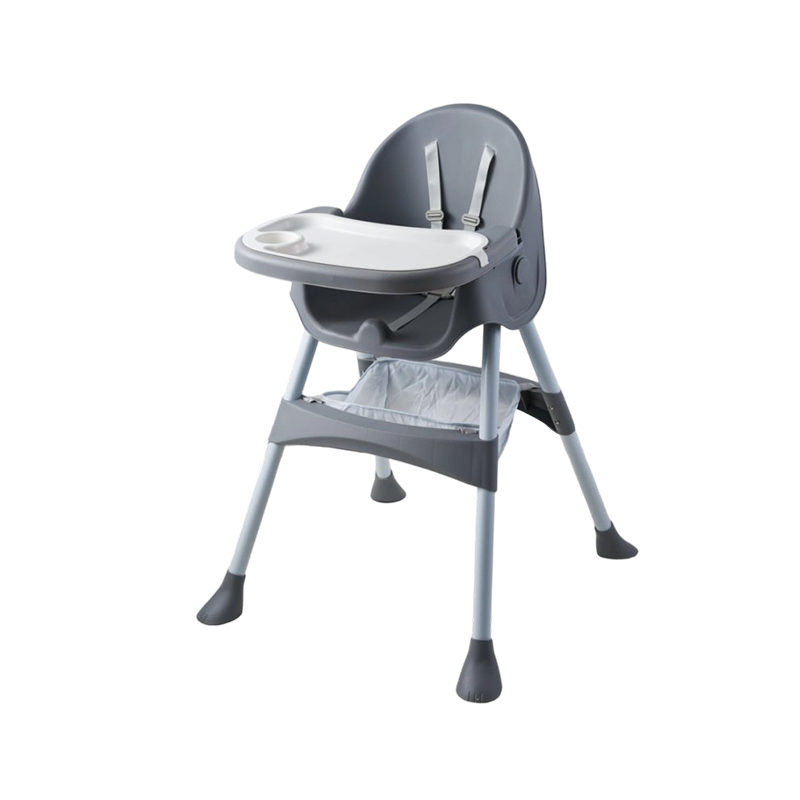 CYO3 Features:1. Dining chair height is adjustable2. Multiple modes can be switched at will3. Three-...View More
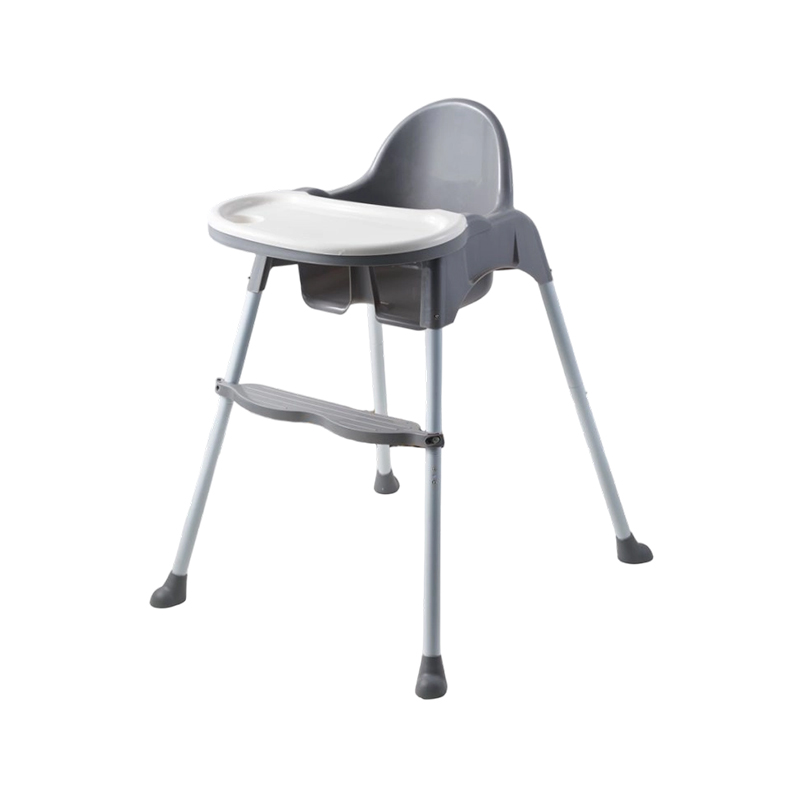 CY02 features description:1. Dining chair height is adjustable2. Multiple modes can be switched at w...View More
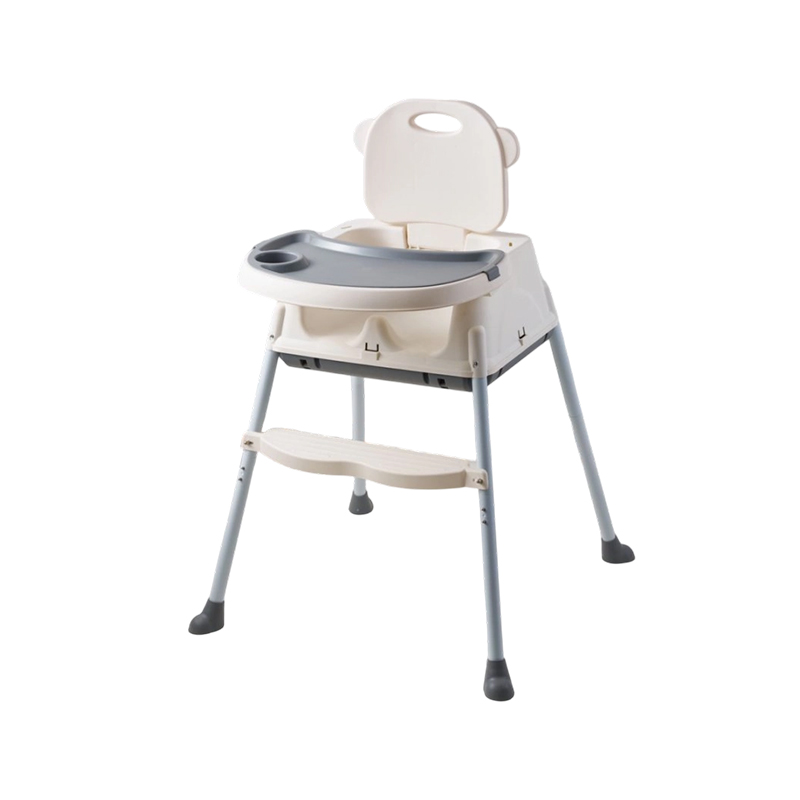 CY01 features description:1. Dining chair height is adjustable2. Multiple modes can be switched at w...View More
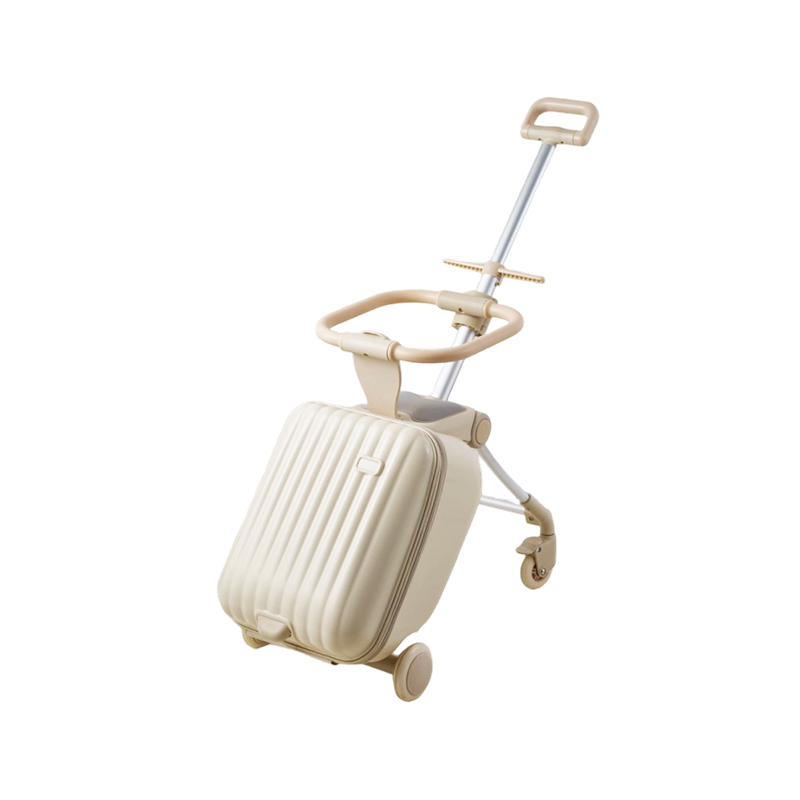 L-01 features description1. 20L, carry-on approved2. Snap-apart frame swaps modes in seconds3. Trian...View More
 +86-13345922055
  [email protected]