 EN
EN
 English
  Español
  Deutsch
Industry News

Industry News
How Does a Baby Rocker Manufacturer Meet Modern Baby Care Needs
Parents today often look for baby products that feel calm to use, fit into home routines, and support everyday care without making the room feel crowded. A baby rocker sits in that space between comfort and convenience. It is simple in concept, yet the choices behind it can shape how a family uses it day after day. For a supplier or brand owner, that means product design is never only about appearance. It is about how the seat feels, how the frame holds up, how the fabric works in real life, and how the whole product fits changing household habits.
A Baby Rocker Manufacturer usually works with several layers of expectation at the same time. One layer is comfort. Another is safety. A third is practical use, since many families need products that can move easily, store neatly, and stay useful across different rooms or routines. When these layers are handled with care, the product becomes easier to position in a competitive market. When they are ignored, even a visually pleasant design may fail to meet daily needs.
How Does a Baby Rocker Manufacturer Create Comfortable Designs for Different Baby Needs
Comfort begins with the way the product supports the child's body. A seat that feels too flat may not give enough support. A seat that feels too firm may not feel calm for longer use. The shape, fabric, and padding all work together, and each choice affects the overall experience.
A calm design often starts with a balanced seat angle. The child should feel held, not pressed. The back area needs support without making the product rigid. Soft contact points help reduce strain, while clear side support can make the space feel more secure. Small details matter here, such as whether the fabric stays smooth, whether the cover feels gentle, and whether the seat remains comfortable when used more than once in a day.
Many buyers also care about how the rocker fits into family routines. Some homes use it near a sofa, while others place it in a nursery corner. That means comfort is not only physical. It is also visual and practical. A design that feels light, quiet, and easy to position often fits better into modern living spaces.
How Do Baby Rocker Manufacturers Select Materials for Safe and Practical Product Designs
Material choice affects more than appearance. It shapes touch, cleaning, durability, and daily handling. A frame must feel steady. A cover must handle regular use. Padding must keep its shape without becoming bulky. These choices influence whether a product feels convenient or tiring over time.
The frame is usually the part that carries the structure, so it needs to stay steady under regular movement. The cover needs a surface that is easy to wipe, simple to remove when needed, and not overly delicate. Padding should support the child without making the product too heavy. When these elements work together, the design feels more natural to use.
| Design Focus | What Buyers Notice | Why It Matters |
|---|---|---|
| Frame Structure | Steadiness and balance | Helps the product feel secure in daily use |
| Cover Material | Soft touch and cleaning ease | Affects comfort and maintenance |
| Padding Layer | Support and shape retention | Shapes the sitting experience over time |
| Edge Finishing | Smooth contact points | Reduces rough spots and improves handling |
A Baby Rocker Manufacturer often has to balance several material needs at once. A softer finish can improve comfort, but it should not weaken the structure. A lighter material can help portability, but it should still hold shape. The right balance depends on the intended market and the way the product will be used in homes, shops, or travel settings.
How Does a Baby Rocker Manufacturer Develop Foldable and Portable Designs for Modern Families
Families living in smaller spaces often look for products that do not dominate the room. They may also want something that can move from one area to another without effort. Foldable and portable designs respond to those habits in a direct way.
A good portable design begins with clear folding logic. The product should open without confusion and close without struggle. Handles, locking points, and frame balance all play a part. If a rocker feels awkward to carry, the benefit of portability quickly fades. If it folds smoothly, stores neatly, and feels easy to position, it becomes more useful in daily routines.
Portable design also affects how parents talk about the product. They may describe it as easier to move, easier to store, or easier to keep nearby during household tasks. These points are practical, not decorative. They matter because modern baby care often happens across several rooms, not in one fixed place.
A Baby Rocker Manufacturer that pays attention to portability usually studies how the product is lifted, folded, placed, and stored. Those simple actions reveal whether the design matches real household needs.
Which Production Details Should You Check When Working With a Baby Rocker Manufacturer
Production quality is not visible from a product photo alone. Buyers often need to ask how parts are joined, how the fabric is attached, how the frame is prepared, and how the final item is packed. These details can reveal whether the factory follows stable routines or relies on loose assembly.
A useful way to review production is to look at the path from material to finished item. Are parts cut cleanly? Is sewing consistent? Are connection points smooth? Does the structure feel even from one sample to another? These questions are simple, but they tell a lot.
| Production Stage | What to Check | Why It Helps |
|---|---|---|
| Material Preparation | Clean cutting and sorting | Supports consistent assembly |
| Frame Assembly | Stable joining points | Helps maintain shape and balance |
| Fabric Work | Smooth stitching and fit | Affects comfort and appearance |
| Final Packing | Safe placement and protection | Reduces handling problems in transit |
A Baby Rocker Manufacturer with careful production habits usually shows consistency across samples. The seams feel aligned. The joints feel steady. The cover fits without pulling. The structure opens and closes in a controlled way. These signs do not depend on flashy presentation. They depend on process discipline.
What Quality Control Steps Do Baby Rocker Manufacturers Follow Before Product Delivery
Quality control is the point where design choices meet real use. A product may look complete, but it still needs to be checked for balance, finish, and consistency before it moves out of the factory.
The first check is often visual. The surface should look even. The fabric should not show loose areas. The frame should not appear bent or uneven. After that comes handling. The product needs to open, close, rest, and move in a controlled way. If a part feels stiff or unstable, it deserves attention before delivery.
Some buyers like to ask for a simple review list during this stage:
- Check the structure for steady support.
- Inspect the fabric for clean finishing.
- Test moving parts for smooth action.
- Review edges and corners for safe contact.
- Confirm that the packed item stays protected.
A Baby Rocker Manufacturer that follows careful review habits helps reduce avoidable problems after shipment. That can matter as much as the design itself, because the delivery stage is often where a product either gains confidence or creates concern.
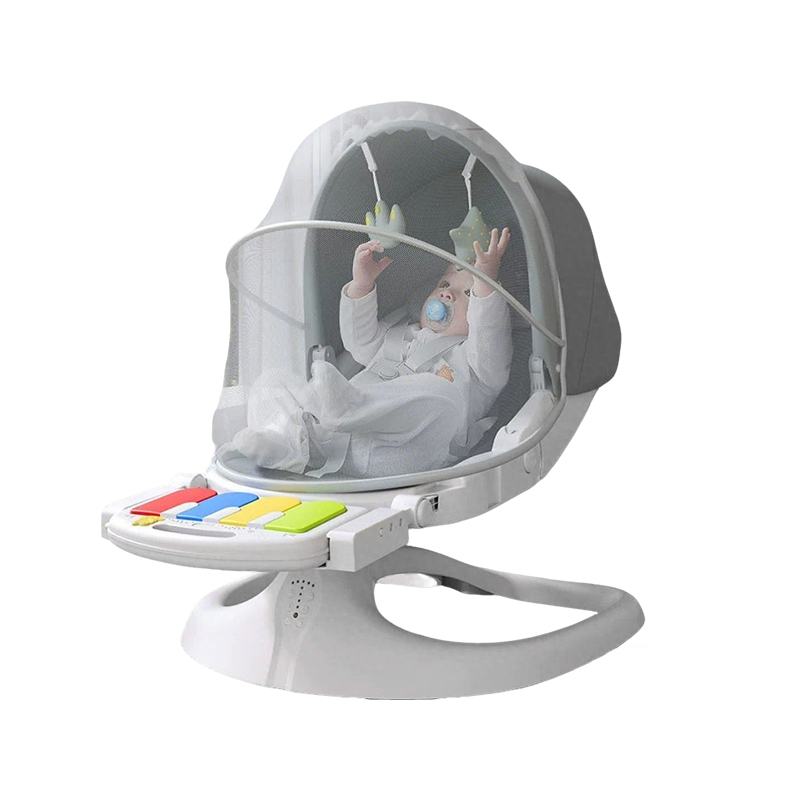
What Should Buyers Know Before Choosing a Baby Rocker Manufacturer for Custom Orders
Custom orders usually involve more than changing a color or pattern. They can include seat shape, fabric feel, frame style, packaging layout, and product presentation. That is why the early conversation matters so much.
Buyers should start by confirming what can be adjusted without disrupting the structure. Some changes are simple. Others may require a new setup or a revised production route. Clear communication helps avoid confusion later. It also helps both sides understand what the final product should look and feel like.
A useful cooperation checklist can look like this:
| Cooperation Point | What Buyers Should Ask | Why It Matters |
|---|---|---|
| Product Shape | What can be adjusted? | Clarifies design limits |
| Fabric Choice | Which material options are available? | Supports comfort and use case |
| Sample Stage | How are revisions handled? | Helps align expectations |
| Packing Style | What protection is included? | Reduces delivery concerns |
Working with a Baby Rocker Manufacturer on custom orders is smoother when the conversation stays specific. A buyer who knows the intended market, room style, and use setting can give clearer direction. A factory that responds with clear samples and straightforward feedback usually makes the process easier to manage.
Why Are OEM and ODM Services Important When Choosing a Baby Rocker Manufacturer
OEM and ODM service options matter because they shape how much of the product is already defined and how much can be adjusted. For some brands, the goal is to build from an existing structure with small changes. For others, the goal is to develop something more original from the start.
OEM arrangements often suit buyers who already have a clear product direction and need production support. ODM arrangements often suit buyers who want a ready design that can be adapted to their brand needs. In both cases, the value lies in clarity. The more clearly the two sides understand the product path, the easier it becomes to move from sample to final order.
A Baby Rocker Manufacturer with flexible service options can help brands move at a workable pace. That does not mean every request should be accepted. It means the factory should know how to explain what can be done, what needs adjustment, and where the practical limits are.
This kind of service is useful for buyers who want a product that fits a specific market without starting from nothing each time. It also helps reduce back-and-forth during early development.
What New Design Trends Are Influencing Baby Rocker Manufacturer Product Development
Design trends in baby care often move in a quiet direction. Families usually want less visual clutter, easier cleaning, and smoother handling. They may also prefer products that fit modern homes without feeling oversized. These habits shape how product development moves forward.
One clear direction is simplicity. Buyers often respond well to forms that feel calm and clean. Another direction is flexibility. Products that fit different rooms or routines tend to stay useful for longer. A third direction is ease of care, since parents do not want a product that takes too much effort to maintain.
A Baby Rocker Manufacturer that follows these shifts may focus on:
- lighter frame handling
- smoother folding use
- softer visual styling
- easier fabric care
- better fit for compact rooms
The direction is not about adding more parts. It is often about removing friction. When a design feels easy to place, easy to clean, and easy to live with, it matches the way many modern families think about baby products.
A brand or buyer reviewing new product ideas can use these changing habits as a guide. Not every market wants the same shape, texture, or frame style, but many markets do respond to products that feel calm, practical, and well put together. That is where thoughtful product development keeps its value.
A Baby Rocker Manufacturer that pays attention to comfort, structure, material choice, production detail, quality review, custom service, and changing household needs can create products that fit daily life with less effort. The strongest product direction usually comes from steady design thinking rather than unnecessary complexity.
NEXT:How Does an OEM Baby High Chair Manufacturer Support Brands
-
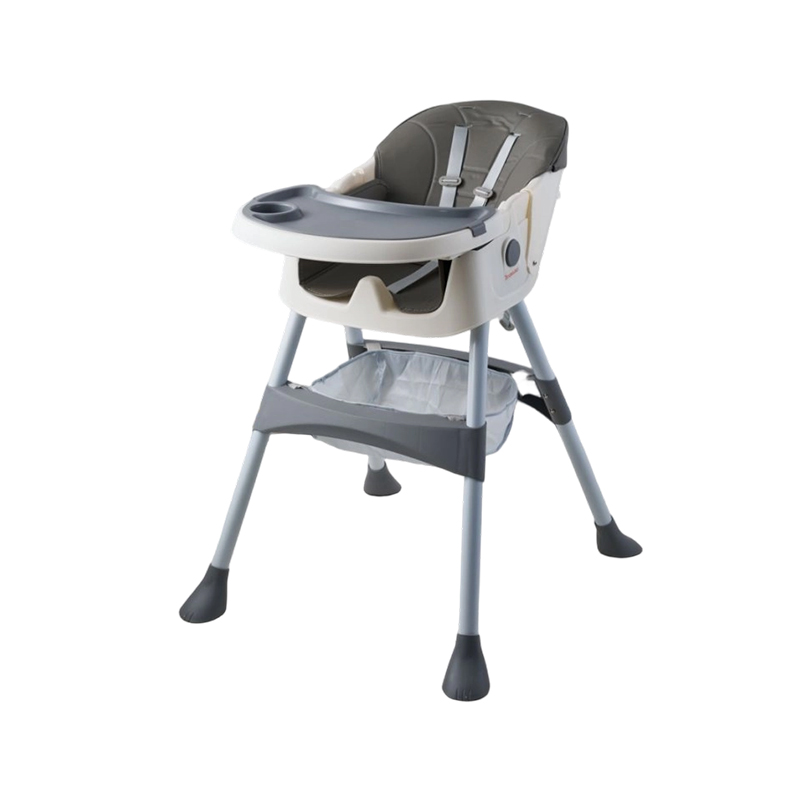 CY12 Features Description:1. No installation required, ready to use straight out of the box2. Can be...View More
-
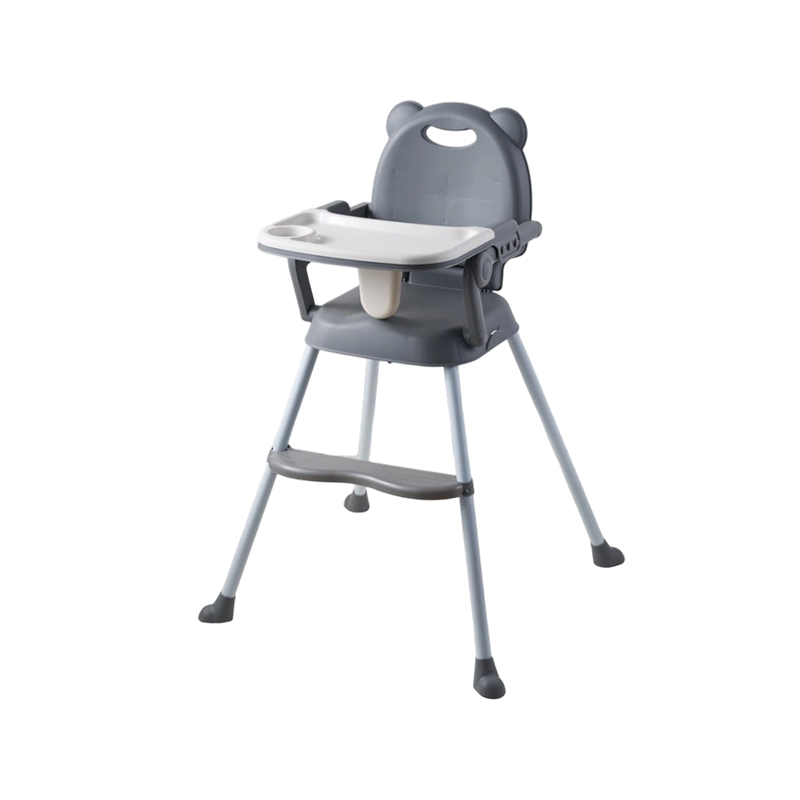 CY05 features description:1. Dining chair height is adjustable2. Multiple modes can be switched at w...View More
-
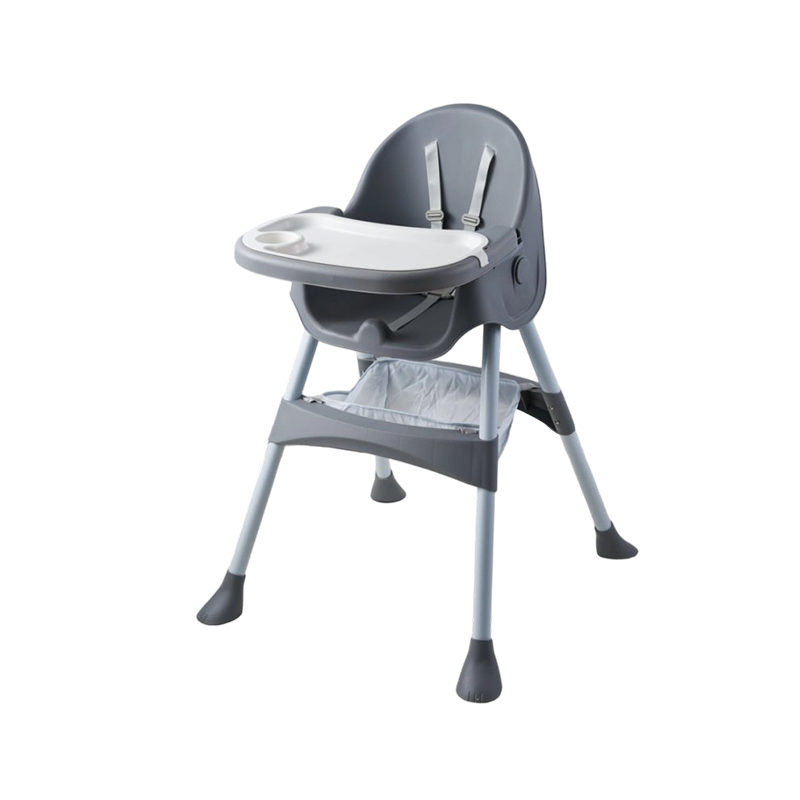 CYO3 Features:1. Dining chair height is adjustable2. Multiple modes can be switched at will3. Three-...View More
-
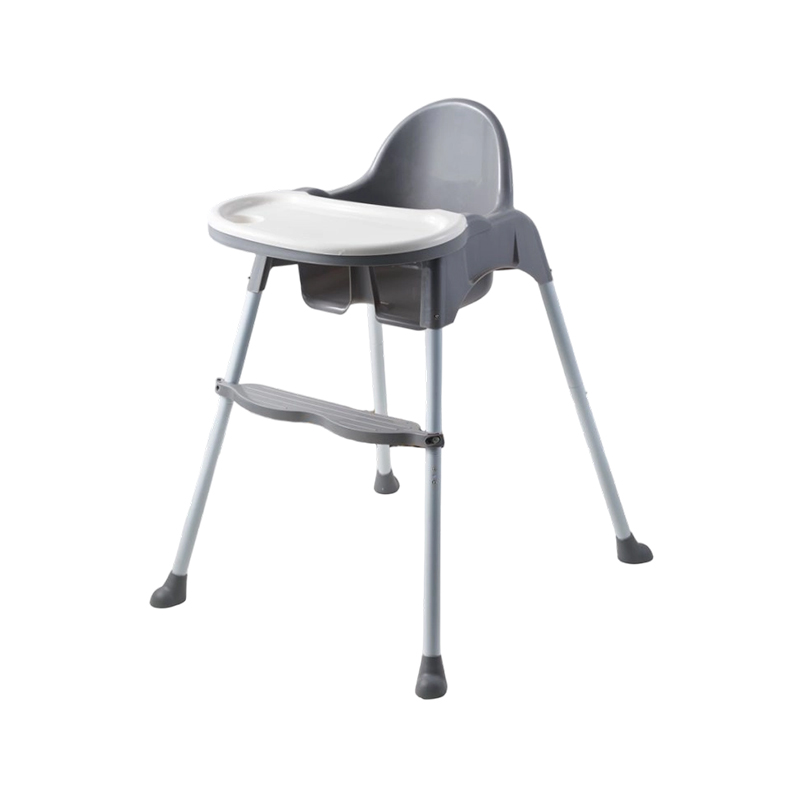 CY02 features description:1. Dining chair height is adjustable2. Multiple modes can be switched at w...View More
-
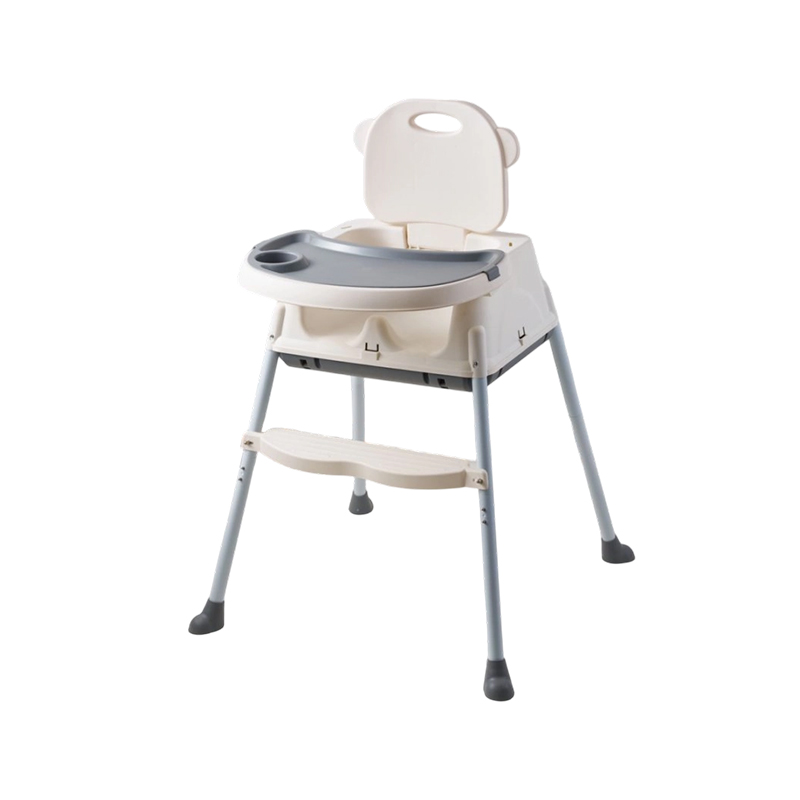 CY01 features description:1. Dining chair height is adjustable2. Multiple modes can be switched at w...View More
-
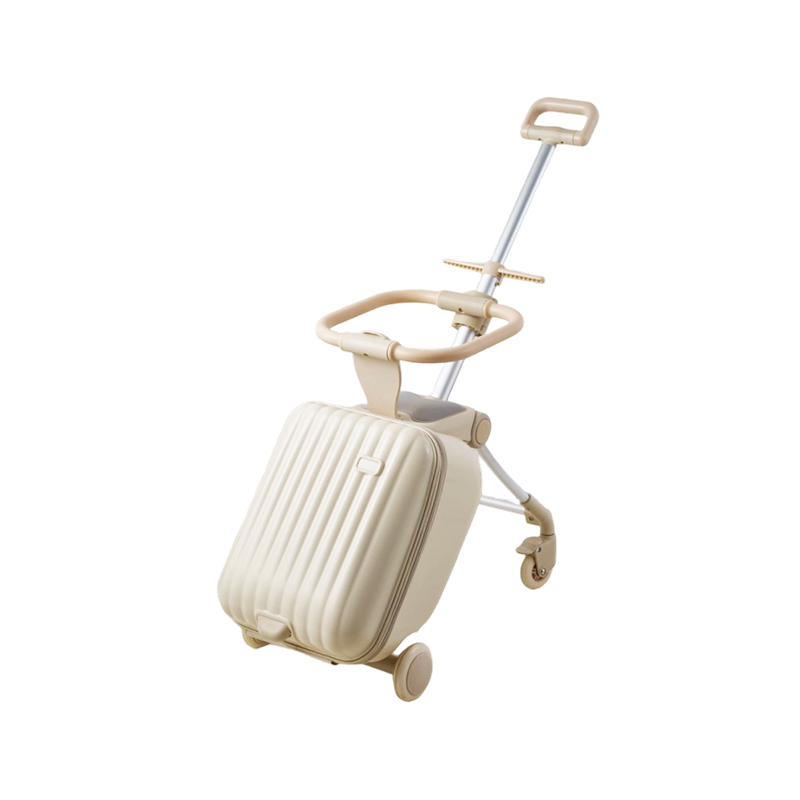 L-01 features description1. 20L, carry-on approved2. Snap-apart frame swaps modes in seconds3. Trian...View More

No. 17, Liboer Avenue, Xialixi Industrial Park, Yongkang City, Zhejiang Province, China
 +86-13345922055
 +86-18057957037
+86-18069926676
 [email protected]
 [email protected]
[email protected]
Get in Touch
Copyright © Yongkang Zhongdao Daily Necessities Co., Ltd. All Rights Reserved
OEM Baby Chair Manufacturer
