 EN
EN
 English
  Español
  Deutsch
Industry News

Industry News
How Does an OEM Baby High Chair Manufacturer Support Brands
Brands that plan to enter the baby furniture space often need more than a supplier that can assemble parts. They need a partner that can shape an idea, adjust details, keep the work process clear, and help the product fit the target market. That is where an OEM Baby High Chair Manufacturer becomes relevant.
The role is not limited to making a chair from a drawing. It often begins with product planning and continues through sampling, material choice, structural adjustment, quality checks, packing, and ongoing refinement. For many brands, the value lies in turning a broad concept into a product that can be used in daily family life without adding avoidable complexity.
What Should Brands Check Before Choosing an OEM Baby High Chair Manufacturer for Long Term Cooperation
Before any project starts, brands usually need a clear view of whether the factory can match their working style. A smooth cooperation process is often built on clear communication, stable production habits, and a shared understanding of what the product should do.
A useful first step is to ask how the factory handles custom requests. Some buyers need a small adjustment to an existing structure, while others need a product built around a fresh concept. The response to that request often reveals how flexible the team is.
It also helps to look at how information moves inside the factory. When a request passes through design, sample review, and production, the process should not feel scattered. A steady workflow can reduce confusion and help both sides stay aligned.
| What Brands Review | Why It Matters |
|---|---|
| Communication style | Helps reduce confusion during project work |
| Sample handling | Shows how the factory treats product changes |
| Production flow | Gives a clearer picture of how orders move forward |
| Packaging approach | Affects shipping, storage, and presentation |
| After sample response | Indicates how the factory handles adjustments |
A brand does not need a long list of promises. It needs signs that the factory can respond clearly, handle revisions in an orderly way, and keep the project moving without unnecessary friction.
How Does an OEM Baby High Chair Manufacturer Turn Custom Ideas into Market Ready Products
Many buyers begin with an idea that is still broad. They may know the age group, the general shape, or the use scenario, but the rest is still open. The factory then helps shape that idea into a product plan.
This stage often starts with questions. Will the chair fold? Should the tray move? Is the seat meant to be easy to wipe? Which material feels suitable for the target market? The answers guide the structure and the look of the product.
A useful project flow usually follows a simple path:
- Start with the main use case
- Define the size and shape
- Review the seat structure and tray layout
- Check the cleaning and storage needs
- Move into sample adjustment
At this stage, an OEM Baby High Chair Manufacturer is not only making parts. It is translating a business idea into something that can be produced in a stable and repeatable way. The more clearly the buyer describes the use case, the easier it becomes to build a workable product.
How Can an OEM Baby High Chair Manufacturer Help Brands Create Unique Private Label Products
Private label projects often need a clear identity without making the product feel complicated. A brand may want a certain color direction, a simple visual style, or a package that fits its own shelf presentation. Small changes can create a distinct result when they are planned well.
The product itself may share a common base with other models, but the details can still give it a different character. Seat color, tray shape, fabric finish, and logo placement all shape the final result. Packaging can also carry the brand tone in a quiet, direct way.
Here is another practical view of how brand identity can appear in a private label project.
| Custom Area | Common Brand Purpose |
|---|---|
| Color selection | Creates a recognizable visual style |
| Surface finish | Supports the look and feel of the product |
| Tray style | Helps distinguish function and appearance |
| Packaging layout | Presents the brand in a consistent way |
| Logo placement | Adds brand identity without changing the structure |
A private label project works well when the changes feel connected rather than random. The goal is not to add features for their own sake. The goal is to build a chair that fits the brand story and still feels simple in daily use.
What Safety Details Should Buyers Discuss with an OEM Baby High Chair Manufacturer
Safety is usually one of the first topics raised in a baby product project, and for good reason. The product will be used in everyday family settings, often during meal times or periods when the adult is occupied with other tasks. That places attention on stability, structure, and secure use.
Buyers often start by asking how the chair stands, how the seat holds the child, and how the tray and straps fit into the overall design. A calm, sturdy structure can matter more than a visually complex shape.
Some common points worth discussing include:
- How the chair handles balance on different floor surfaces
- Whether the tray locks in place with enough clarity
- How the seat supports regular use without feeling loose
- Whether the finish is easy to clean without leaving rough edges
A detailed conversation on safety does not need to feel technical. It only needs to be clear. The buyer and the factory should agree on how the product will be used and where extra care is needed. That shared view helps avoid changes later in the project.
How Does an OEM Baby High Chair Manufacturer Control Quality from Design to Production
Quality control starts before production begins. It begins with the design itself. If the structure is unclear, or if the chosen materials do not suit the use case, the later stages may bring repeated changes. A stable project usually starts with a clear sample plan.
Once a sample is prepared, the next step is to check how the different parts work together. The tray, seat, frame, and moving parts should feel consistent. If one area is too tight or too loose, the issue can affect the whole product.
A practical quality path can be viewed like this:
- Review the initial concept
- Check the sample for fit and function
- Confirm material choice and surface finish
- Inspect the production run for consistency
- Review the packed product before shipping
An OEM Baby High Chair Manufacturer that handles quality well will usually make the process feel structured, not rushed. The factory should be able to explain where checks happen and what gets adjusted when something does not match the agreed sample.
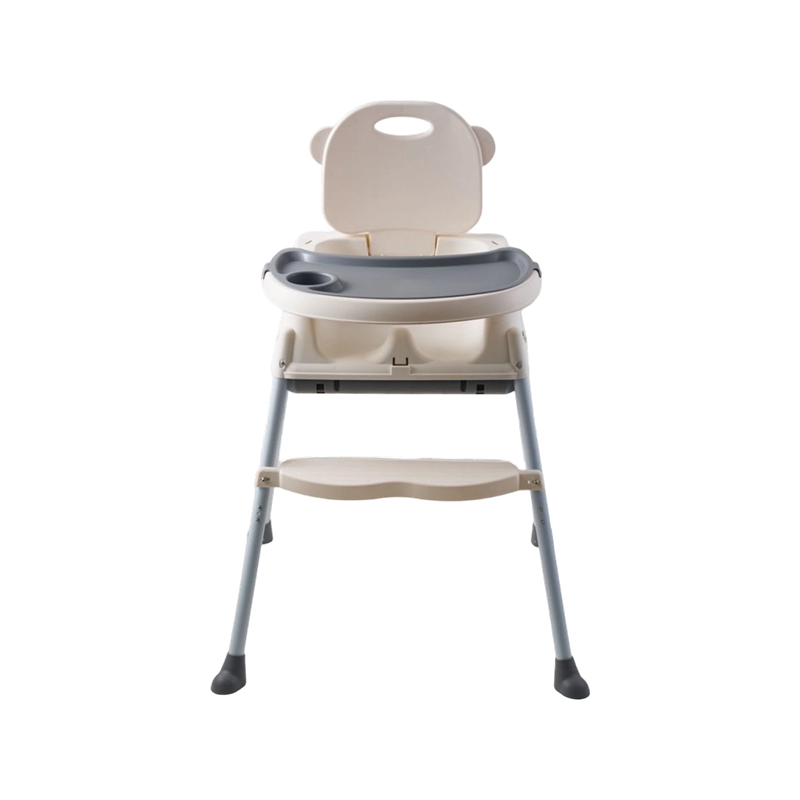
Which Factors Influence the Cost of Custom Baby High Chairs from an OEM Manufacturer
Cost is not shaped by one item alone. It is usually the result of several project choices working together. Material selection, surface treatment, shape complexity, and packaging all affect the overall project plan.
A simpler structure can reduce work during production, while a more detailed design may require extra steps. A larger tray, a folding mechanism, or a special finish can also change the production path. For that reason, the buyer should think about cost as part of the product design, not only as a later number.
Important factors often include:
- Material choice
- Product structure
- Custom appearance details
- Packaging needs
- Sample revision rounds
A clear brief can help the factory avoid unnecessary changes. When the buyer knows what matters and what can stay simple, the project becomes easier to shape. A well planned request often saves time in later stages and keeps the product direction steady.
How to Select an OEM Baby High Chair Manufacturer That Matches Your Brand Development Needs
Not every brand is at the same stage. Some are testing a new category. Others already have a product line and need a steady supply partner. The right factory for one stage may not suit another stage.
This is why matching matters. A brand that needs close development support may look for a team that responds quickly to changes and offers clear sample work. A brand with a more settled product line may care more about stable repeat orders and clean production habits.
A useful way to compare options is to ask how the factory handles these areas:
| Comparison Point | What to Check |
|---|---|
| Development support | Can the team help shape a product idea |
| Sample response | Are changes handled in an orderly way |
| Production rhythm | Does the factory keep work moving clearly |
| Communication | Are questions answered in a direct way |
| Packing support | Can the final product be prepared for shipping |
An OEM Baby High Chair Manufacturer should fit the buyer's current stage and not create extra strain. The more aligned the working style is, the easier it becomes to move from concept to regular supply.
How Does an OEM Baby High Chair Manufacturer Support Long Term Brand Growth
Long term cooperation is often built on repetition, trust, and the ability to adjust when the market changes. A product that works well now may still need small updates later. The factory's role is to keep that path open.
This can include new color versions, minor structure changes, or packaging refreshes. It can also include support when the brand wants to add a related product line. The point is not to rebuild everything from zero each time. The point is to keep the product system flexible enough for later use.
An OEM Baby High Chair Manufacturer can help a brand stay organized by keeping product records, sample references, and revision notes in one place. That reduces confusion when the buyer wants to repeat an order or adjust a detail.
Over time, that kind of process support becomes part of the brand's working foundation. The product may change, but the way the work is managed stays clear and manageable.
What Questions Should Buyers Ask Before Starting a New Baby High Chair Project
Before a project begins, a few direct questions can save a lot of back and forth later. Buyers often focus on the shape of the chair or the look of the packaging, but the working process matters just as much.
It helps to ask whether the factory can handle small changes, how sample revisions are managed, and what kind of communication style the team prefers. Buyers may also want to know how the factory handles packing, shipping preparation, and quality review before final delivery.
A project tends to move more smoothly when both sides agree on the following points:
- What the product is meant to do
- Which details are fixed
- Which details can still change
- How the sample will be reviewed
- How the final product will be checked before shipment
An OEM Baby High Chair Manufacturer can be more useful when the buyer comes with a clear brief and a realistic view of the project path. The process then becomes a joint effort rather than a series of scattered requests.
In that setting, the factory is not only making a chair. It is helping a brand build a product that fits its audience, its format, and its future direction.
NEXT:What Happens Inside a Foldable Baby High Chair Factory
-
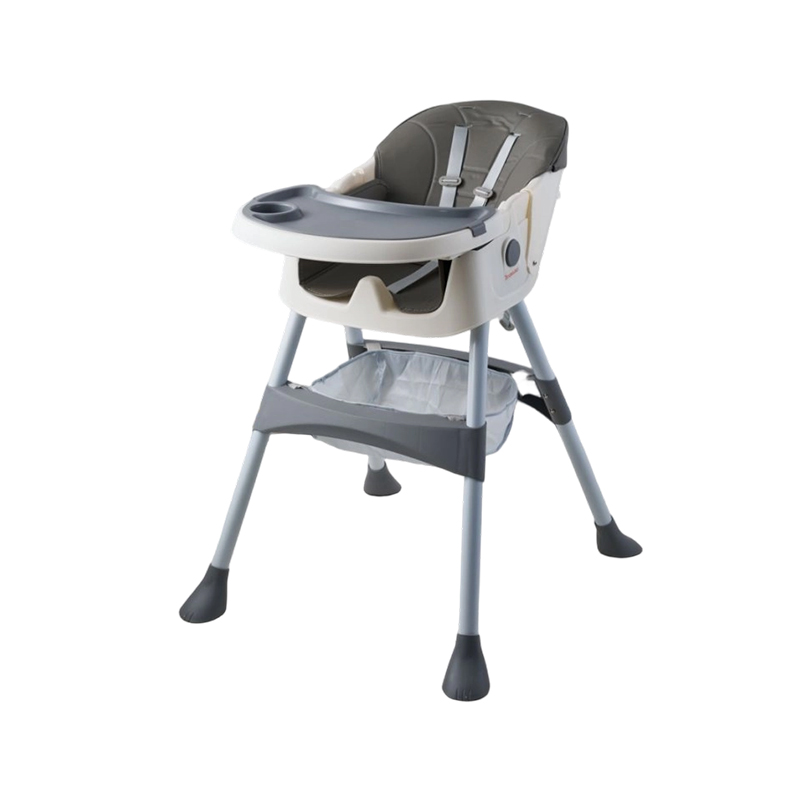 CY12 Features Description:1. No installation required, ready to use straight out of the box2. Can be...View More
-
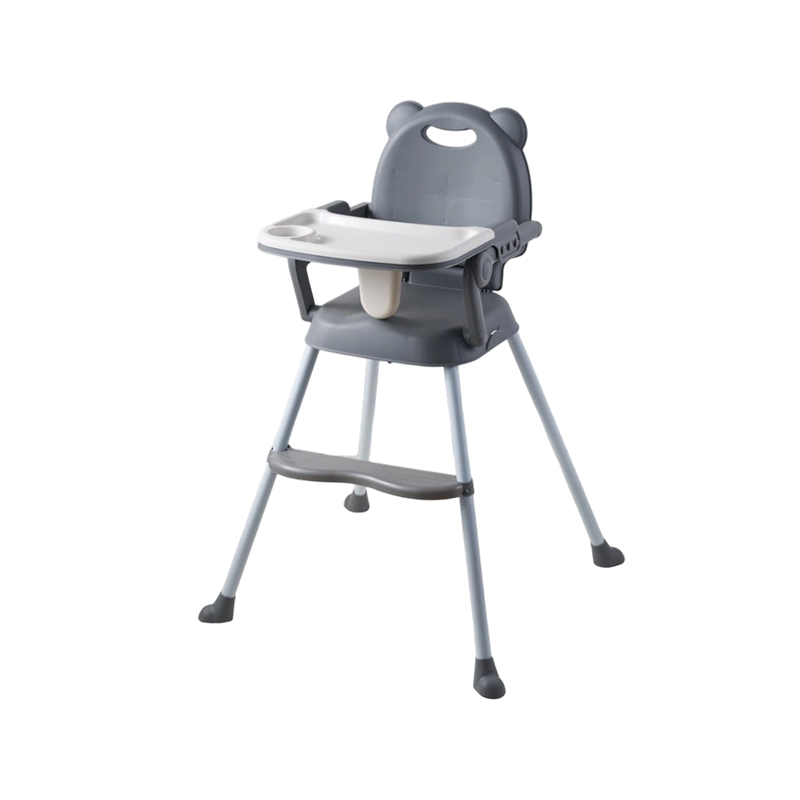 CY05 features description:1. Dining chair height is adjustable2. Multiple modes can be switched at w...View More
-
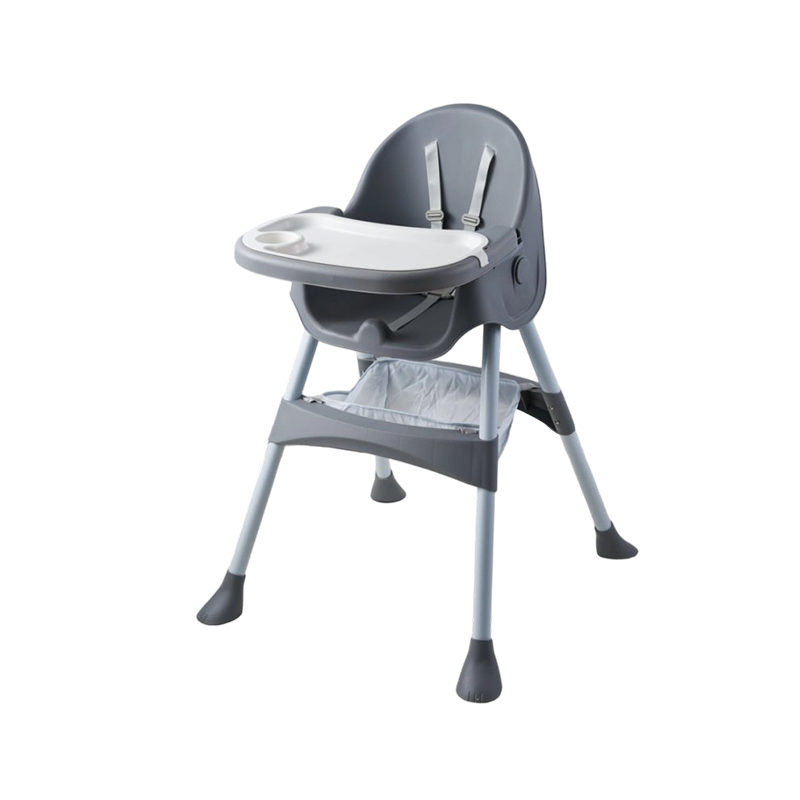 CYO3 Features:1. Dining chair height is adjustable2. Multiple modes can be switched at will3. Three-...View More
-
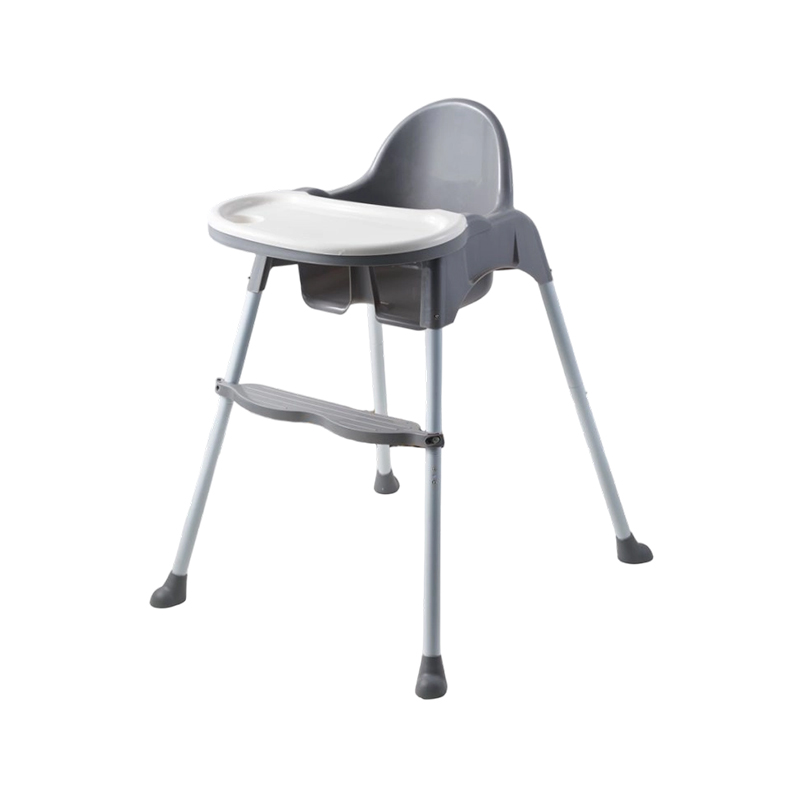 CY02 features description:1. Dining chair height is adjustable2. Multiple modes can be switched at w...View More
-
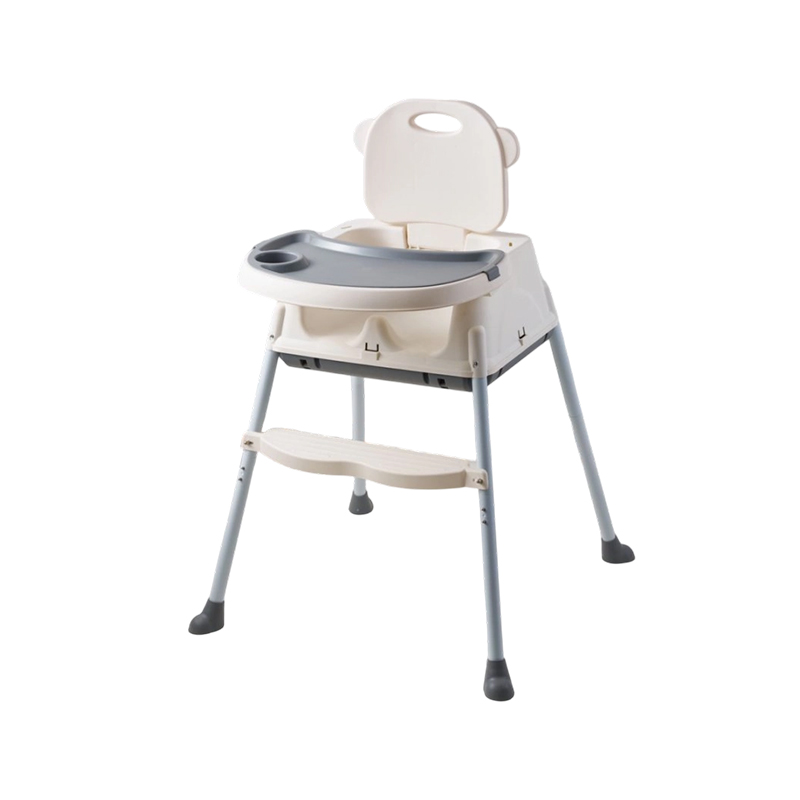 CY01 features description:1. Dining chair height is adjustable2. Multiple modes can be switched at w...View More
-
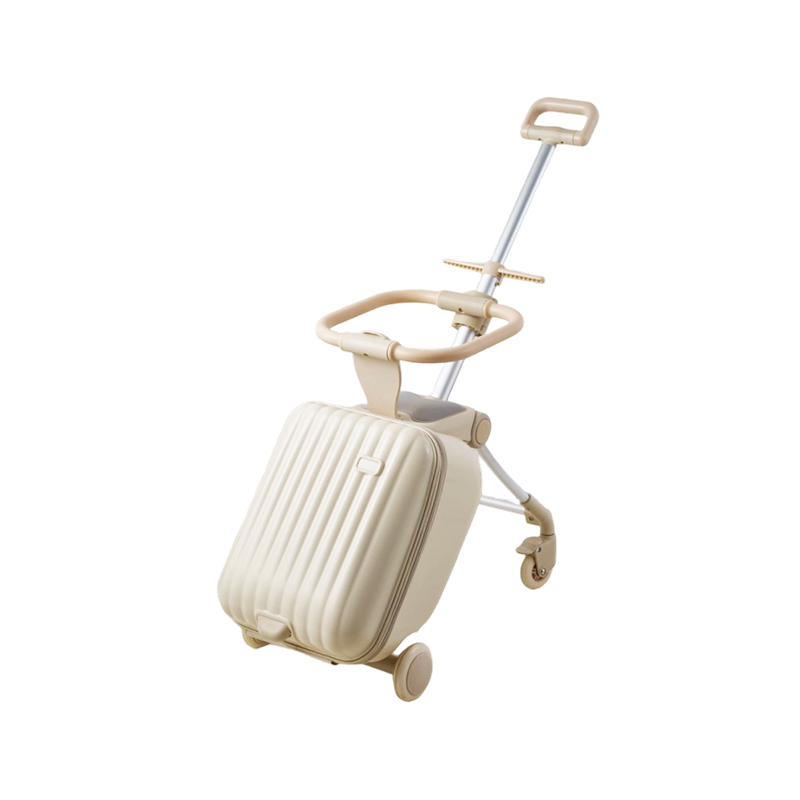 L-01 features description1. 20L, carry-on approved2. Snap-apart frame swaps modes in seconds3. Trian...View More

No. 17, Liboer Avenue, Xialixi Industrial Park, Yongkang City, Zhejiang Province, China
 +86-13345922055
 +86-18057957037
+86-18069926676
 [email protected]
 [email protected]
[email protected]
Get in Touch
Copyright © Yongkang Zhongdao Daily Necessities Co., Ltd. All Rights Reserved
OEM Baby Chair Manufacturer
