 EN
 English
 Español
 Deutsch

Industry News

Industry News
How to Choose Materials for a Durable and Safe Portable Baby High Chair
Material selection determines how long a compact feeding seat remains stable, how easily it can be cleaned, and how practical it is to carry and store. Strength must be balanced against weight so that the seat stays rigid during use yet remains light enough for daily transport. Frames, trays, connectors and seat covers each place different demands on the materials chosen for them. A Portable High Chair for Baby therefore depends on the combined performance of metal, plastic and textile components rather than on any single material in isolation.
Metal Frames That Provide Structural Rigidity
Aluminum alloys and steel are the usual choices for the supporting frame. Aluminum keeps overall mass lower and resists corrosion when properly finished; steel offers higher rigidity at the cost of greater weight. Tube wall thickness, the design of joints and the quality of surface coatings all influence how the frame behaves under repeated loading and folding. Lightweight construction remains useful only when the completed assembly continues to meet stability requirements. Evaluation of the finished chair under normal feeding loads is more informative than examination of the frame material alone.
Plastics Used for Trays, Seat Shells and Connecting Parts
Plastic components reduce weight and simplify cleaning of surfaces that contact food. Polypropylene and similar polymers appear frequently because they combine impact resistance with dimensional stability and a smooth finish that wipes clean. Consistency of molding and the absence of sharp edges or weak knit lines affect both appearance and service life. Buckles, hinges and structural connectors made from these materials must retain their shape and latching force through repeated cycles. Material specifications and suitability for food-contact and cleaning conditions are verified before bulk quantities are ordered.
Seat Fabrics That Combine Comfort with Wear Resistance
Polyester and related synthetic textiles are common for removable or fixed seat covers. Resistance to abrasion and tearing, the strength of seams and the density of the weave determine how long the fabric remains intact under daily use. Removable covers that can be washed according to the care instructions simplify hygiene maintenance. Texture and any padding influence both seating comfort and the ease with which crumbs and spills can be removed. Fabrics intended for direct contact with an infant are assessed for compliance with applicable safety and chemical requirements in the target market.
Surfaces and Designs That Simplify Daily Cleaning
Food residue and liquid spills accumulate quickly on any feeding seat. Smooth plastic trays and wipe-clean fabric surfaces reduce the time needed to restore a hygienic state after each meal. Removable trays and covers, when provided by the design, allow more thorough cleaning away from the frame. Seams, crevices and hard-to-reach corners can retain moisture and debris; designs that minimize these areas support more consistent hygiene. Cleaning methods recommended by the manufacturer are followed so that coatings and fabrics are not degraded by unsuitable agents.
Resistance to Moisture, Cleaning Agents and Ordinary Wear
Repeated exposure to moisture, food acids and household cleaners can corrode untreated metal, cloud plastic surfaces or weaken fabric coatings. Corrosion-resistant finishes on metal parts and polymers selected for chemical stability extend the interval before visible deterioration appears. Plastic components may become brittle or discolored over time; fabrics may fray at stress points or lose shape. Compatibility between the materials and the intended cleaning regime is confirmed at the selection stage. Routine inspection for loose fasteners, worn fabric and damaged plastic parts allows early replacement of individual components before the whole seat is compromised.
Material Combinations That Keep Foldable Designs Light and Stable
Frame metal, plastic connectors and fabric mass together set the total weight of the folded seat. Folding hinges and locking points experience concentrated stress each time the seat is opened or closed; material strength and joint design at these locations determine whether the mechanism remains reliable. Lightweight construction is useful only when the open seat continues to resist tipping and the locks engage positively. Inspection of hinges, latches and load-bearing joints forms part of any thorough product evaluation. Thoughtful pairing of rigid and flexible materials supports both convenient storage and safe operation once the seat is deployed.
Safety and Quality Evaluation of the Complete Assembly
Material choice cannot be separated from the overall structural design. Mechanical strength, stability under load, the integrity of the restraint system and the security of small components are assessed together. Chemical safety documentation for materials that contact the infant or food is reviewed against the regulations of the intended market. Seams, fasteners, folding locks, trays and frame connections are examined for consistency and absence of defects. Compliance with the standards applicable to the destination market is verified before distribution begins.
Comparison Steps Before Selecting a Portable Feeding Seat
Frame rigidity is weighed against total weight and corrosion resistance. Seat-cover durability, seam quality and cleaning instructions are examined. Plastic trays and connectors are checked for edge finish, impact resistance and dimensional stability. Product specifications, sample condition, available test reports and supporting documentation are reviewed. Purchase cost is considered together with expected service life, portability and the conditions of intended use so that the selected configuration matches the actual requirement.
Material Decisions for Wholesale and Custom Production
Target market positioning influences the balance between weight, durability and finish quality. Fabric colors, surface treatments and selected component grades can be adjusted within the limits of the production process. Material details are confirmed on pre-production samples before full manufacturing begins. Incoming material inspection and in-process quality checks help maintain consistency across large orders. Compliance requirements, packaging standards, order quantities and production schedules are agreed in advance so that the finished goods meet both regulatory and commercial expectations.
Overview of Material Roles and Evaluation Criteria
| Component Group | Primary Material Considerations | Points to Verify |
|---|---|---|
| Supporting frame | Rigidity, weight, corrosion resistance | Joint design, surface finish, completed assembly stability |
| Trays and connectors | Impact resistance, cleanability, dimensional stability | Edge quality, latching force, material consistency |
| Seat cover | Abrasion and tear resistance, seam strength | Removability, wash instructions, contact safety |
| Folding and locking parts | Strength under repeated cycles, positive engagement | Hinge and latch durability, absence of sharp edges |
| Overall finish | Compatibility with cleaning agents and moisture | Resistance to staining, clouding or corrosion |
| Documentation | Specifications, test records, regulatory compliance | Sample consistency and market-specific requirements |
Selecting Materials That Support Reliable Daily Feeding Use
Suitable frame metals, durable plastics and easy-to-maintain seat fabrics together determine how well a compact feeding seat withstands repeated use, cleaning and transport. Structural joints, locking mechanisms and manufacturing consistency are equally important; material quality alone does not guarantee performance. Assessment of specifications, cleaning requirements, stability under load and applicable safety documentation precedes any purchasing decision. Yongkang, Zhongdao Daily Necessities Co., Ltd. produces portable infant feeding seats that combine these material groups. Review of available frame, plastic and fabric options against the intended conditions of use and order volume allows selection of a configuration suited to consistent and practical daily feeding.
-
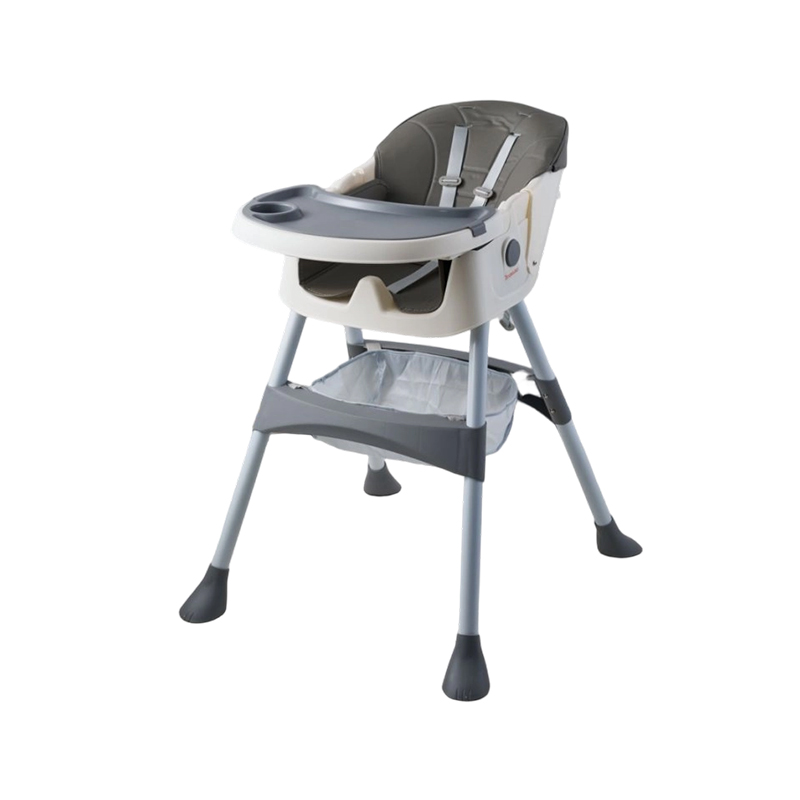 CY12 Features Description:1. No installation required, ready to use straight out of the box2. Can be...View More

-
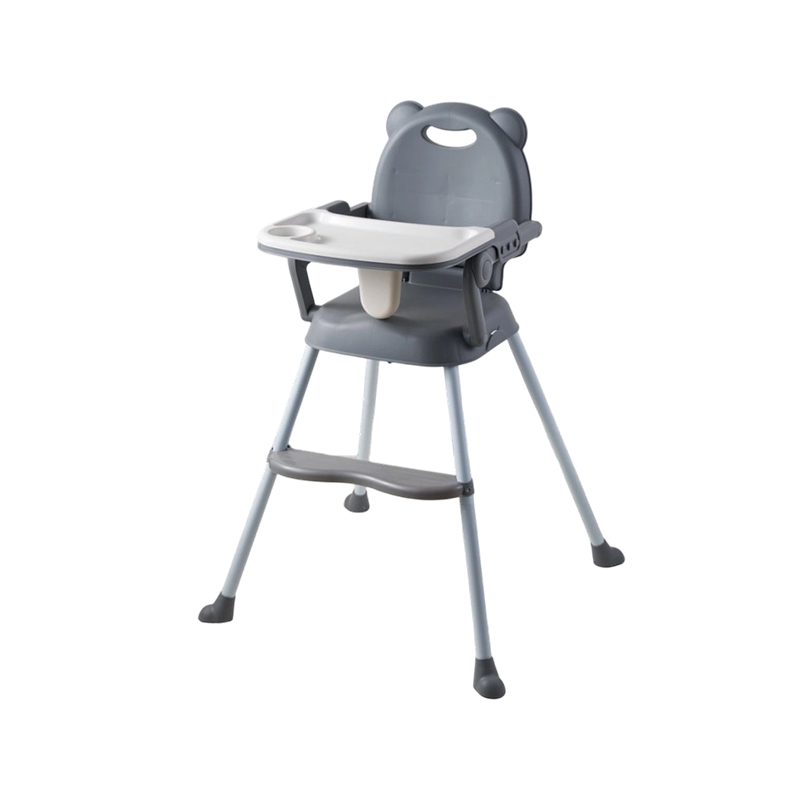 CY05 features description:1. Dining chair height is adjustable2. Multiple modes can be switched at w...View More
-
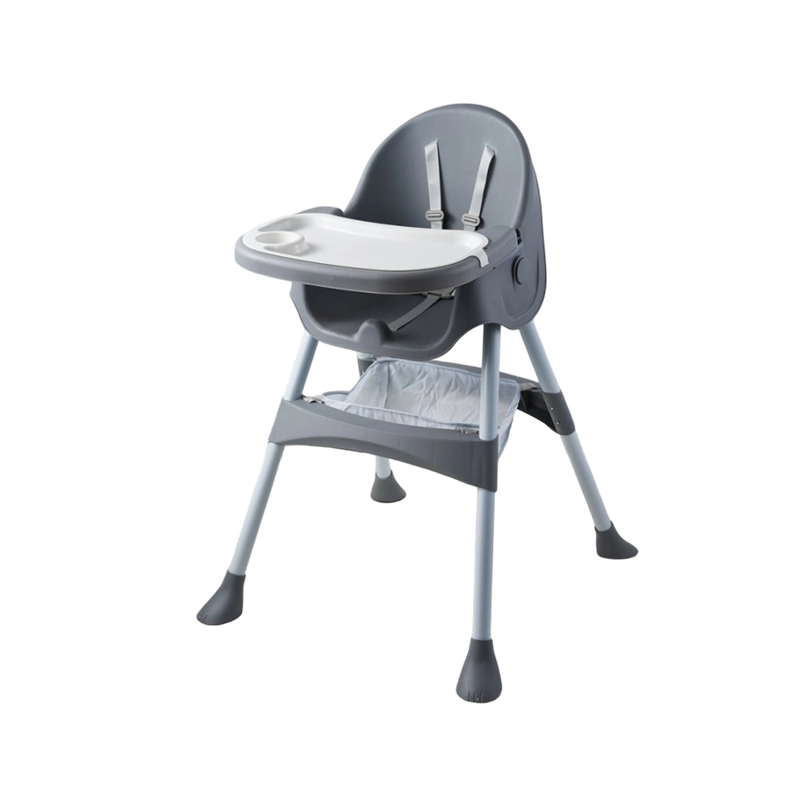 CYO3 Features:1. Dining chair height is adjustable2. Multiple modes can be switched at will3. Three-...View More
-
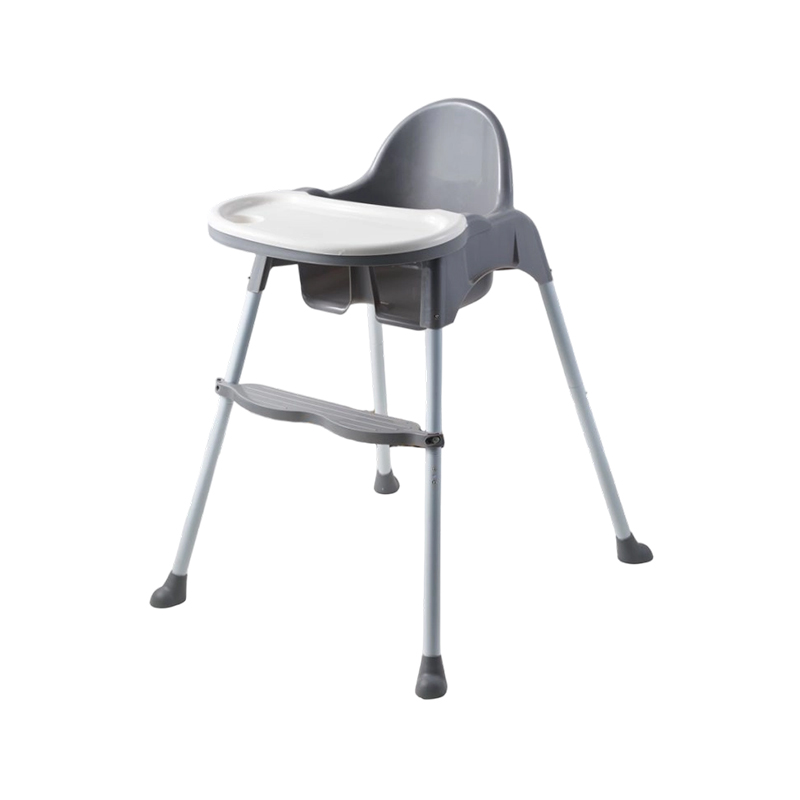 CY02 features description:1. Dining chair height is adjustable2. Multiple modes can be switched at w...View More
-
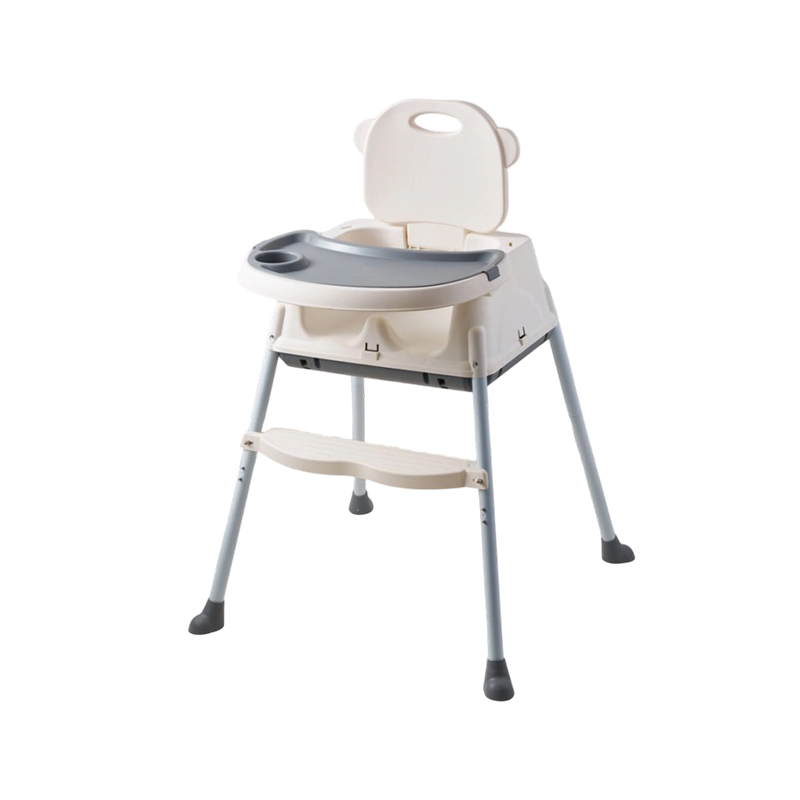 CY01 features description:1. Dining chair height is adjustable2. Multiple modes can be switched at w...View More
-
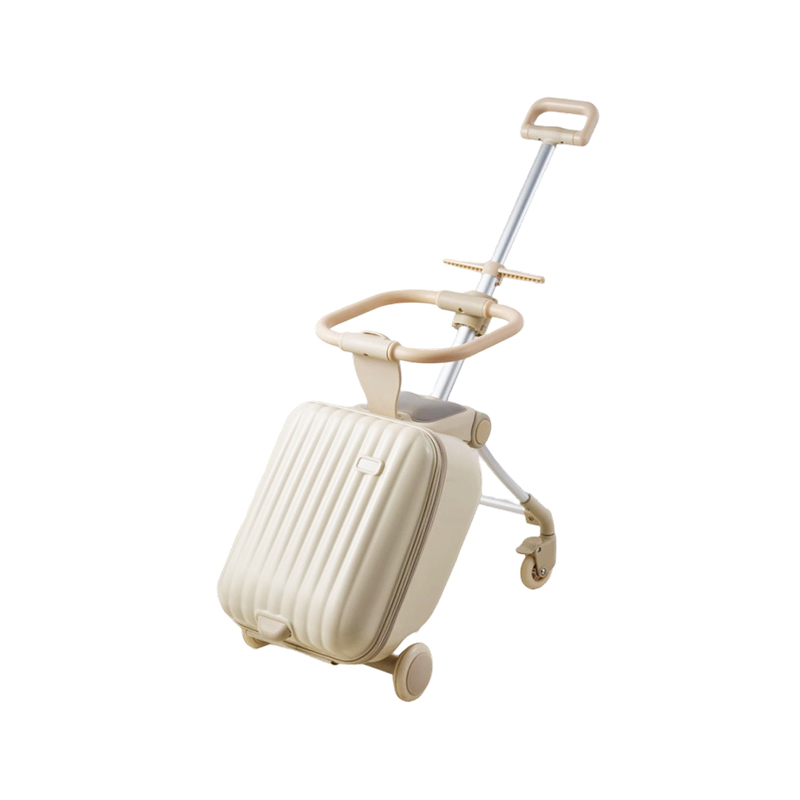 L-01 features description1. 20L, carry-on approved2. Snap-apart frame swaps modes in seconds3. Trian...View More

No. 17, Liboer Avenue, Xialixi Industrial Park, Yongkang City, Zhejiang Province, China
 +86-13345922055
+86-18057957037
+86-18069926676
 [email protected]
[email protected]
Get in Touch
Copyright © Yongkang Zhongdao Daily Necessities Co., Ltd. All Rights Reserved
OEM Baby Chair Manufacturer
