 EN
 English
 Español
 Deutsch

Industry News

Industry News
How Does a Baby Dining Chair Make Mealtime Easier for Parents
Feeding a baby while standing, balancing a bowl and watching for spills is a familiar strain in many households. Holding a child through an entire meal leaves little free movement for serving, wiping or eating alongside the rest of the family. Limited counter space, scattered utensils and food that lands outside the plate add to the load. A dedicated baby dining chair gives the child a fixed, supervised seat at a practical height and gathers food and accessories in one place, so mealtime tasks can proceed with both hands available and the child securely positioned.
Everyday Feeding Problems Without a Dedicated Seat
When no suitable chair is available, parents often hold the baby on a lap or perch the child on adult furniture that is too high or unstable. Preparing food, opening containers and managing spoons then compete with the need to support the child's weight. Spills spread onto clothing and floors, and feeding items end up wherever there is a free surface. A chair designed for supervised baby meals addresses those points by separating the child's seating from the adult's hands and by providing a tray surface for bowls and cups.
How a Dining Chair Improves Feeding Convenience
A Fixed Place for the Meal
A baby dining chair establishes a regular spot for feeding. Positioning the child at a height closer to the adult's hands and eye line makes offering food and reading cues easier. Repeating the same seat at the same time of day also supports a predictable routine that many families find easier to maintain than ad-hoc arrangements on sofas or adult chairs.
Essentials Kept on the Tray
A tray offers a bounded area for dishes, spoons and cups. When the tray detaches, filling it in the kitchen and carrying it to the chair—or removing it for washing—shortens the path between preparation and cleanup. Keeping items on the tray rather than on distant counters reduces interruptions during the meal.
Hands Free for Feeding Tasks
With the child seated and secured according to the product instructions, attention can stay on pacing the meal, encouraging bites and managing mess. Supervision remains continuous; the chair does not replace adult presence. It simply removes the need to support the child's body for the whole duration of the feed.
Features That Support Daily Use
Harness and Stable Structure
A harness helps keep the child in the intended sitting position. A stable base and sound frame reduce the risk of tipping during normal movement. Installation, adjustment and use follow the manufacturer's instructions and any applicable safety guidance for the product.
Seat and Back Support
Seat contour and backrest angle influence how long a child can sit comfortably. The chair must match the child's size and stage; a design meant for an older toddler may not suit a younger baby who still needs more upright support or a different harness fit.
Removable Tray and Cleanable Surfaces
A tray that comes off simplifies both serving and washing. Smooth surfaces and accessible corners matter when food is sticky or widespread. Practical tray design is one of the features parents notice most in day-to-day cleaning.
Folding or Compact Storage
Where the product folds or stores in a smaller footprint, it suits homes with limited dining space. Storage convenience depends on the actual mechanism and dimensions of the model, not on the category name alone.
Use Across Stages of Eating Development
Introduction of Solids
When solids begin under guidance from health professionals, a suitable chair provides a secure place for supervised spoon feeding. Support and readiness of the child remain the governing factors; the chair is only the seating platform.
Practice Toward Self-Feeding
A consistent seat and tray let the child explore food with hands and utensils while still contained. Familiar surroundings at meal times can make the transition toward more independent eating less chaotic for the household.
Sitting With the Family
Placed near the family table, the chair lets the child share the same meal period and social setting. Shared timing encourages interaction without requiring the child to sit on adult furniture that is not designed for that purpose.
Selecting a Chair That Fits the Household
Age and Weight Guidance
Manufacturer recommendations for age range and weight define the safe use window. Matching those limits to the child avoids both outgrowing the chair too quickly and using it before the child is ready.
Safety and Build
Harness type, base stability, locks and overall construction are inspected before use. Any stated compliance with safety standards or test information is reviewed as part of the purchase decision.
Tray, Seat Materials and Cleaning
Removable trays, wipe-clean surfaces and simple shapes reduce daily maintenance time. Accessories are useful only if they match how the family actually feeds and cleans.
Space and Storage
Open dimensions, folded size and weight are compared with the dining area and storage options at home. A chair that cannot be stored conveniently may be left in the way and become a household obstacle.
A Practical Chair for Supervised Meals
Role in the Home
A baby dining chair is seating intended for supervised mealtimes. Structure, tray and harness are meant to support routine feeding rather than unsupervised use. Actual design, size and configurations follow the product's specification sheet.
Feeding-Focused Layout
Tray form, seat, backrest and harness work together so food can be placed within reach while the child stays positioned. Those elements respond to common needs around seating, serving and keeping the feeding zone orderly.
Cleaning and Putting Away
Removable parts and surfaces that tolerate regular wiping shorten cleanup. Folding or compact designs, when present on the model, help when the chair must share space with other furniture. A Childrens Dining Chair in this category is chosen when those practical points match the home layout and cleaning habits.
Specifications and Variants
Dimensions, materials, capacity guidance, suggested stage of use and colour options are taken from verified product data. Optional accessories and alternative configurations are selected according to the target market's preferences and regulations.
Why Product Ranges Include This Category
Alignment With Family Routines
Features that ease seating, serving and cleaning connect directly to repeated daily tasks. That connection is why feeding chairs remain a core item in baby product assortments.
Information and Evaluation Before Orders
Specifications, material information, samples and inspection practices allow buyers to verify quality and suitability before committing to volume.
OEM, ODM and Wholesale Paths
Colour, marking, packaging and certain configuration choices can be discussed where the factory supports customisation. Brands, distributors and retailers share requirements when requesting details and quotations. A Dining Chair for Kids program for retail or private label is built on those agreed specifications and sample approvals.
Questions Commonly Asked About Baby Dining Chairs
When Can a Baby Start Using a Dining Chair?
Use starts only when the child meets the manufacturer's stage and size guidance and can sit with the support the chair provides. Professional advice on feeding readiness remains separate from the product limits.
What Safety Features Should Parents Check Before Using a Baby Dining Chair?
Harness security, base stability, functioning locks and intact structure are checked before each period of use. Instructions supplied with the chair govern correct adjustment.
Are Removable Trays Easier to Clean?
Trays that detach can be washed at the sink or wiped thoroughly without moving the whole chair, which many households find faster after messy meals.
How Should Parents Clean and Maintain a Baby Dining Chair?
Surfaces are cleaned according to the product's care guidance. Harness straps and moving parts are kept free of food buildup so they continue to operate as designed.
What Should Buyers Consider When Purchasing Baby Dining Chairs in Bulk?
Dimensions, materials, safety documentation, packing and inspection criteria are fixed in the purchase agreement. Samples confirm that production will match what was approved.
Overview of Convenience and Selection Factors
| Factor | Help During Mealtimes | What to Verify |
|---|---|---|
| Dedicated seat | Frees adult hands; fixed feeding position | Stage and size suitability |
| Harness and base | Helps maintain sitting position | Instruction compliance; stability in use |
| Tray design | Holds food and tools; eases serving | Removability and cleanability |
| Seat and back shape | Supports comfortable sitting duration | Match to child's size |
| Storage footprint | Fits small dining areas | Folded or stored dimensions |
| Care and materials | Speeds post-meal cleanup | Wipe-clean surfaces; care instructions |
Seating That Supports Calmer Feeding Routines
A suitable baby dining chair organises the feeding space, keeps essentials on the tray and allows supervised meals without continuous holding. Safety features, supportive seating, practical cleaning and storage that fits the home determine whether the chair helps or hinders daily use. Yongkang Zhongdao Daily Necessities Co., Ltd. produces baby and children's dining seating for household and wholesale markets. Review of harness design, tray function, stability and product specifications against the child's stage and the family's space supports selection of a dining chair that makes routine mealtimes more manageable.
NEXT:How a Foldable Baby High Chair Helps Save Space at Home
-
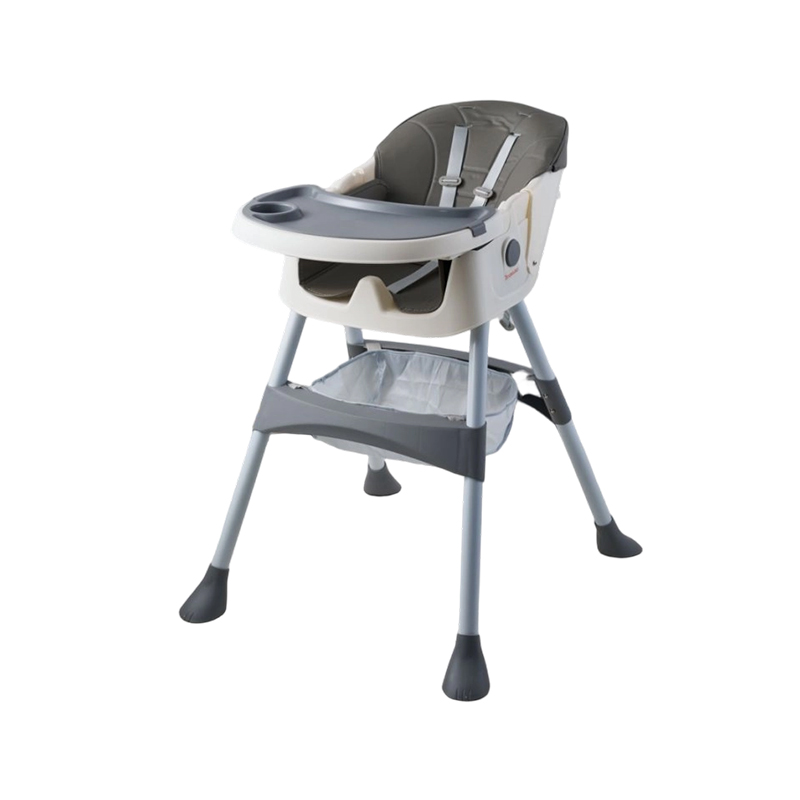 CY12 Features Description:1. No installation required, ready to use straight out of the box2. Can be...View More

-
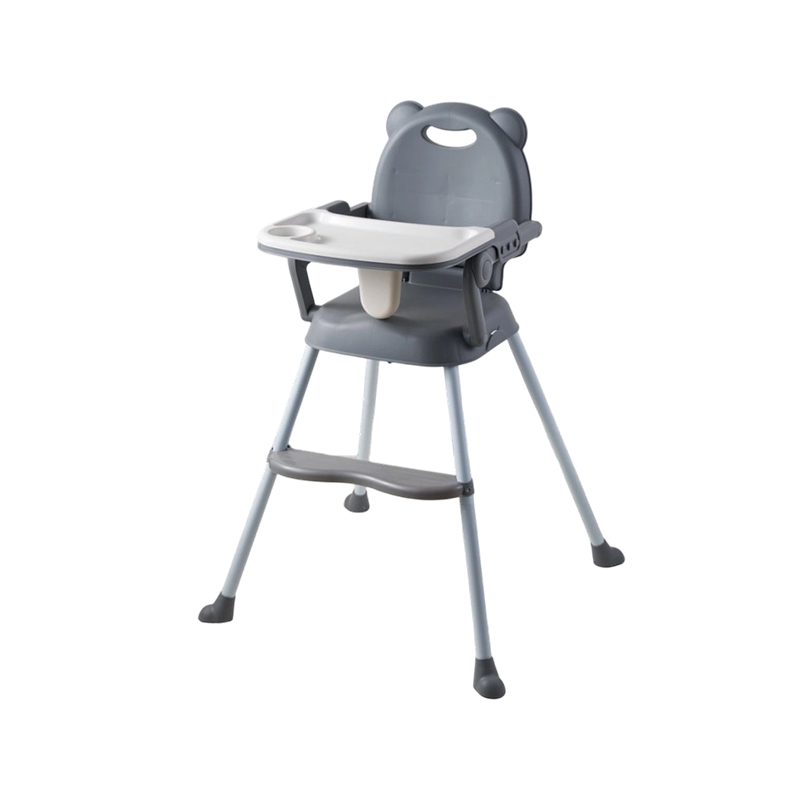 CY05 features description:1. Dining chair height is adjustable2. Multiple modes can be switched at w...View More
-
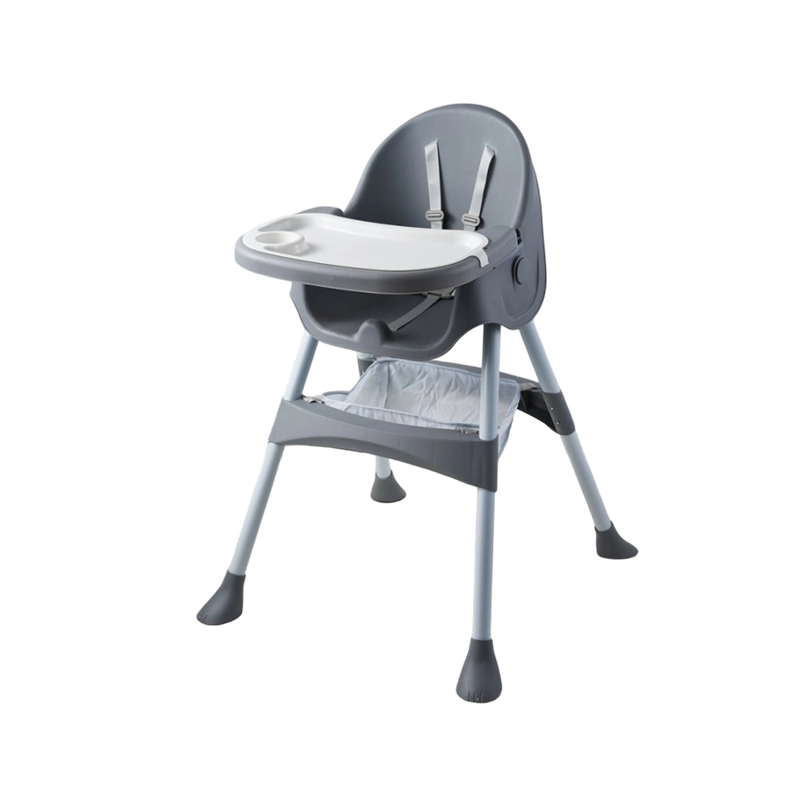 CYO3 Portable High Chair for Baby Features:1. Dining chair height is adjustable2. Multiple modes can...View More
-
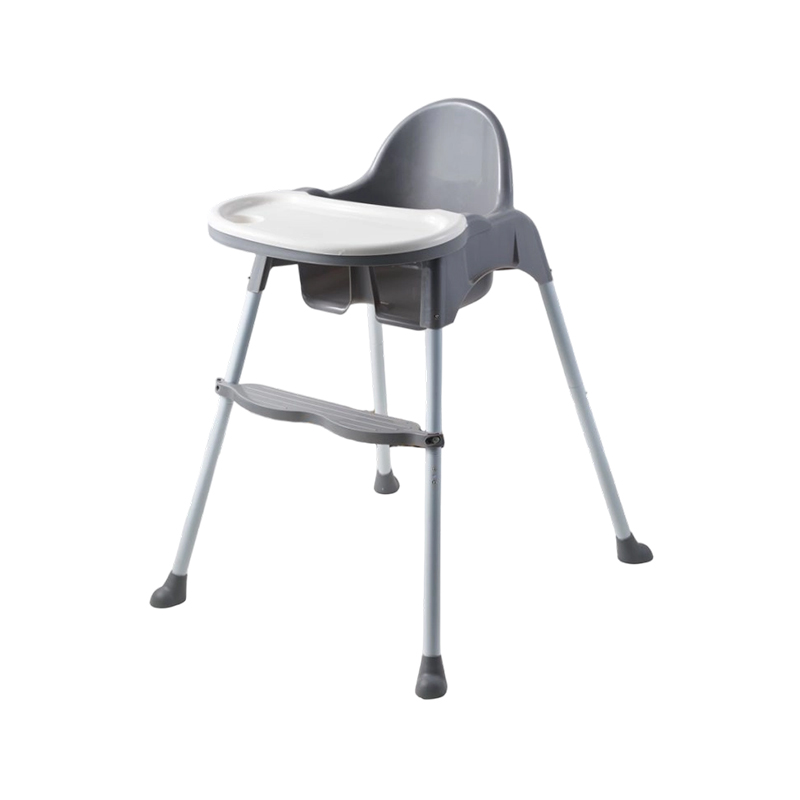 CY02 features description:1. Dining chair height is adjustable2. Multiple modes can be switched at w...View More
-
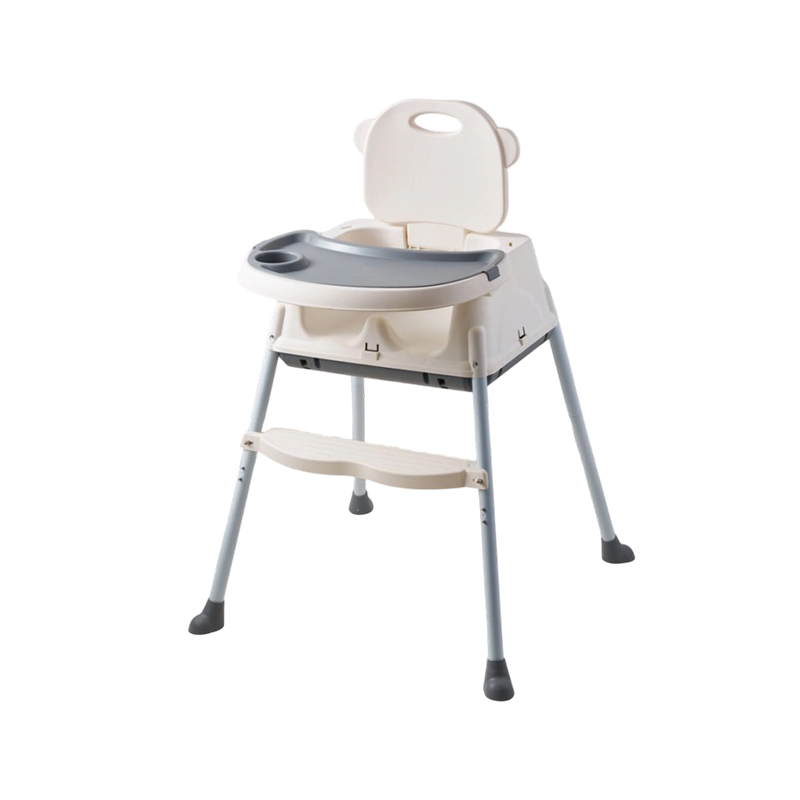 CY01 features description:1. Dining chair height is adjustable2. Multiple modes can be switched at w...View More
-
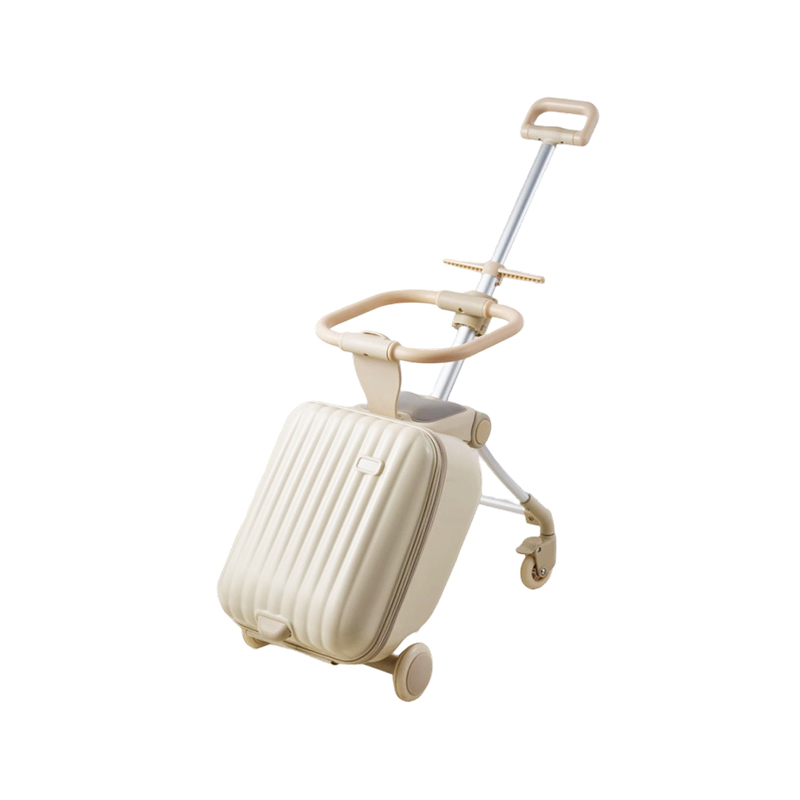 L-01 features description1. 20L, carry-on approved2. Snap-apart frame swaps modes in seconds3. Trian...View More

No. 17, Liboer Avenue, Xialixi Industrial Park, Yongkang City, Zhejiang Province, China
 +86-13345922055
+86-18057957037
+86-18069926676
 [email protected]
[email protected]
Get in Touch
Copyright © Yongkang Zhongdao Daily Necessities Co., Ltd. All Rights Reserved
OEM Baby Chair Manufacturer
