 EN
 English
 Español
 Deutsch

Industry News

Industry News
How a Foldable Baby High Chair Helps Save Space at Home
A high chair gives a stable, upright place for feeding and keeps the child at a practical height relative to the table or caregiver. Between meals, however, a full-size chair can occupy a noticeable portion of a kitchen or dining area. In smaller homes that limited footprint matters. A design that folds when not required allows the same chair to serve at mealtimes and then recede from the main circulation space. A Foldable High Chair for Baby that combines a secure seating position with a compact collapsed form therefore helps households manage both feeding needs and everyday room layout.
Why Compact Baby Furniture Matters in Everyday Living Spaces
Arranging Furniture in Smaller Homes and Apartments
Kitchens and dining zones in compact dwellings often share floor area with circulation paths or other activities. A chair that remains fully open at all times reduces the usable clear space and can obstruct movement between counters, tables and doorways. Furniture that can be reduced in volume after use restores that clear space without requiring a permanent dedicated storage room.
Keeping the Dining Zone Clear Between Meals
During feeding the high chair stands close to the table or in a convenient spot for the caregiver. Once the meal ends, the same piece of furniture can block access to seats, drawers or the route to the living area. The ability to fold and set the chair aside keeps the dining zone available for other household activities and reduces the sense of clutter that accumulates when several items of baby equipment remain permanently deployed.
How Folding Reduces the Chair's Footprint
Collapsing the Frame After Use
A folding structure allows the legs or seat assembly to be brought together so that the overall depth or width of the chair is reduced. The exact collapsed dimensions depend on the specific hinge and lock design; the practical result is a smaller object that can be stood against a wall or placed in a designated corner rather than left in the middle of the room.
Easier Placement in Available Storage Locations
Once folded, the chair can be moved to a spot that is out of the main traffic path—beside a cabinet, in a narrow gap between appliances, or in a storage area already used for other occasional items. The suitability of any particular location still depends on the actual folded size of the model and on the clearances in the home; measuring both is advisable before assuming a fit.
Greater Flexibility in the Use of Dining and Living Areas
When the high chair occupies less floor area between meals, the same room can more readily accommodate cleaning, other family activities or the temporary placement of additional seating. The feeding function remains available when needed, yet the space is not continuously committed to a single piece of equipment.
Practical Features That Support Daily Home Use
Folding and Unfolding Within Normal Routines
The mechanism should open and close without excessive force or complicated sequences so that the chair can be prepared quickly at mealtime and put away afterward. Locks that secure both the open and the folded positions prevent unexpected movement during use or storage.
Tray Contribution to Mealtime Organisation
A tray provides a surface for the child's food and helps contain spills within a defined area. Where the tray is removable, cleaning becomes simpler and the chair can be drawn up to the family table when that arrangement is preferred. The tray's attachment method and the ease with which it can be taken off and washed form part of the overall practicality assessment.
Frame Stability and Safety-Related Elements
A rigid supporting structure, reliable locks that hold the chair in the open position, and a secure restraint system are central to safe use. These elements are verified against the manufacturer's stated specifications and against the age and size range for which the chair is intended. Stability on the intended floor surface is confirmed before regular use begins.
Selecting a Folding High Chair for Different Home Layouts
Matching Open and Folded Dimensions to Available Space
Before purchase, the area where the chair will stand during meals and the place where it will be stored afterward are measured. The chair's open footprint and its folded height, width and depth are then compared with those measurements so that both positions can be accommodated without obstruction.
Aligning Storage Habits and Frequency of Use
Households that use the high chair for every meal may prefer a folding action that is especially quick and a storage spot that remains easily accessible. Less frequent use may allow a storage location that is slightly farther from the dining area. The pattern of daily life guides the relative importance of folding speed versus ultimate compactness.
Cleaning and Ongoing Care Requirements
Surfaces that contact food and the child should be wipeable with ordinary household cleaners compatible with the materials. Removable trays and seat covers, where provided, simplify deeper cleaning. The effort required for routine hygiene is weighed alongside the space-saving benefit so that the chair remains convenient over the full period of use.
Multi-Functional Aspects of Everyday Feeding Care
Support for Regular Feeding Routines
The high chair supplies a consistent place for meals, snacks and, in some cases, supervised sitting while the caregiver prepares food. Predictable positioning helps establish a calm feeding environment and keeps the child secure during the meal.
Balancing Functions Against Storage Realities
Additional features increase utility only when they do not compromise the ability to fold the chair or to store it in the intended location. Capacity, adjustability and accessories are therefore judged in relation to the actual space and the actual daily routine rather than accumulated for their own sake.
Verification of Key Product Information Before Purchase
Open dimensions, folded dimensions, the stated age or size range, the maximum load the chair is designed to carry, and the presence and type of restraint and locking systems are confirmed from the product documentation. These details determine whether a given model will fit both the physical space and the safety expectations of the household.
Overview of Space and Usability Considerations
| Consideration | Relation to Space and Daily Use | Practical Check |
|---|---|---|
| Open footprint | Area occupied during meals | Measure dining location against chair's open size |
| Folded dimensions | Volume and shape when stored | Compare with intended storage clearance |
| Folding and locking mechanism | Speed and security of open/closed positions | Confirm ease of operation and positive locks |
| Tray design and removability | Containment of food and ease of cleaning | Assess attachment method and washability |
| Frame stability and restraints | Safe seating during feeding | Review stated specifications and restraint type |
| Cleaning requirements | Long-term convenience of hygiene | Identify wipeable surfaces and removable parts |
| Storage location and access | Integration with household traffic and habits | Choose a spot that remains reachable yet out of the way |
Integrating a Folding High Chair into Compact Household Layouts
A high chair that folds after use returns floor area to other activities while still providing a stable, secure place for feeding when required. Suitability depends on measured open and folded sizes, the practicality of the folding action, the design of the tray and restraints, and the ease of keeping the chair clean. Yongkang Zhongdao Daily Necessities Co., Ltd. produces foldable baby high chairs intended for home feeding use. Review of available open and folded dimensions, tray configurations, restraint systems and material details against the household's measured spaces and daily routines allows selection of a chair that supports both mealtime needs and efficient use of limited floor area.
NEXT:How to Choose Materials for a Durable and Safe Portable Baby High Chair
-
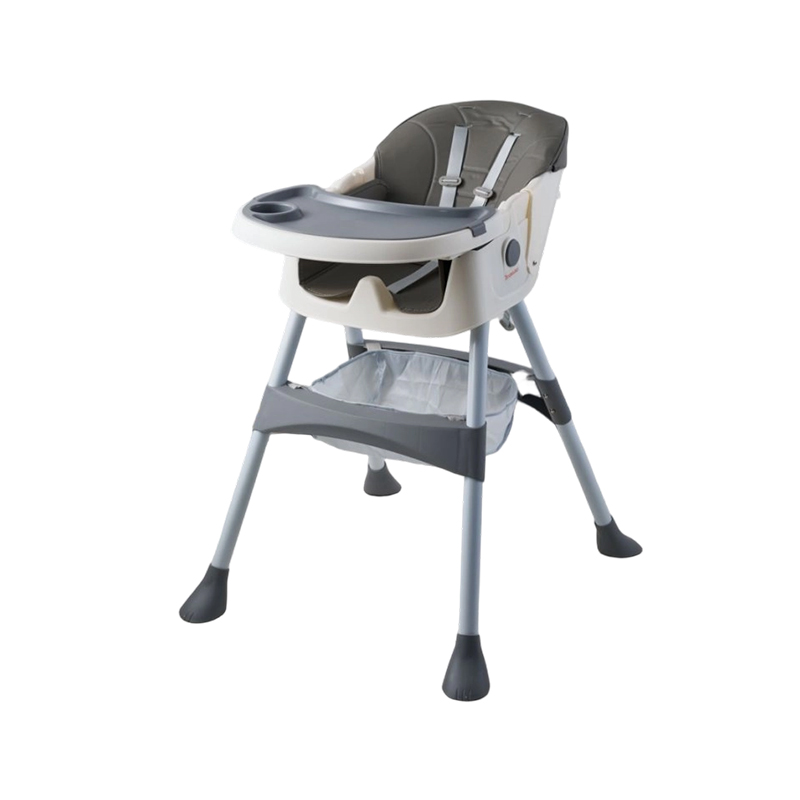 CY12 Features Description:1. No installation required, ready to use straight out of the box2. Can be...View More

-
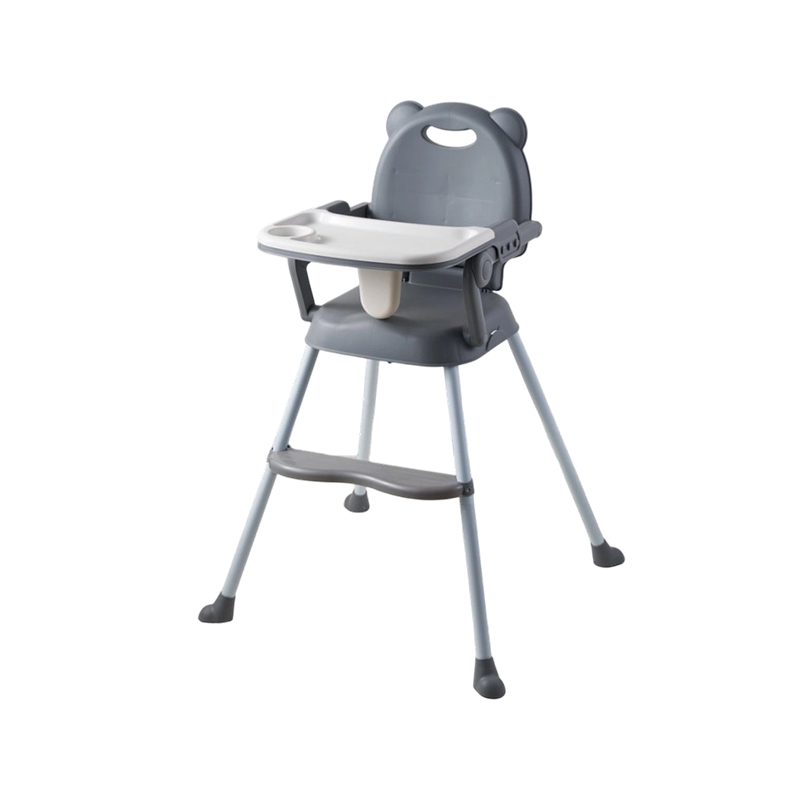 CY05 features description:1. Dining chair height is adjustable2. Multiple modes can be switched at w...View More
-
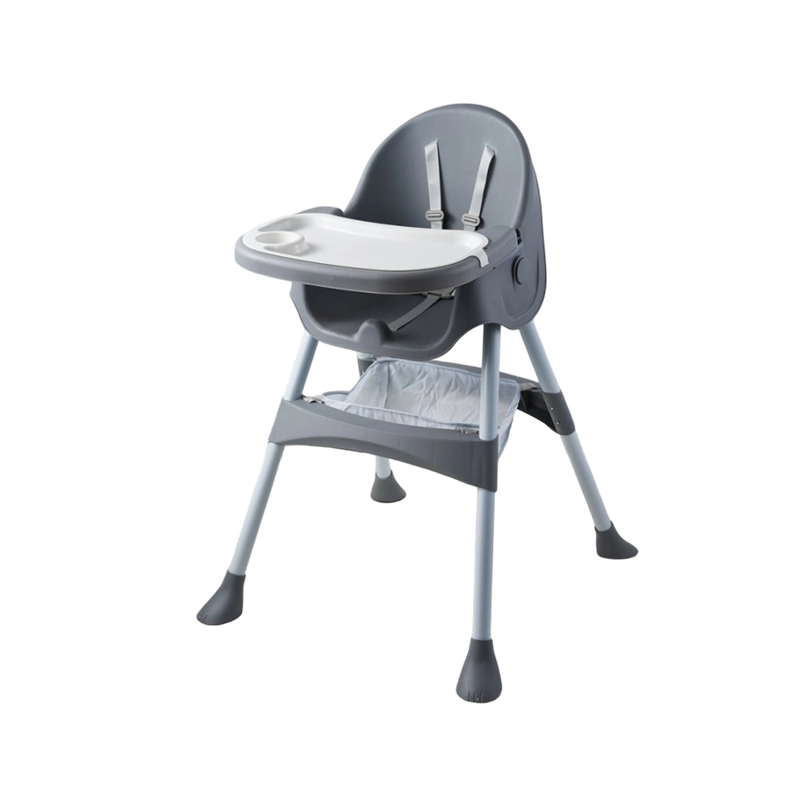 CYO3 Portable High Chair for Baby Features:1. Dining chair height is adjustable2. Multiple modes can...View More
-
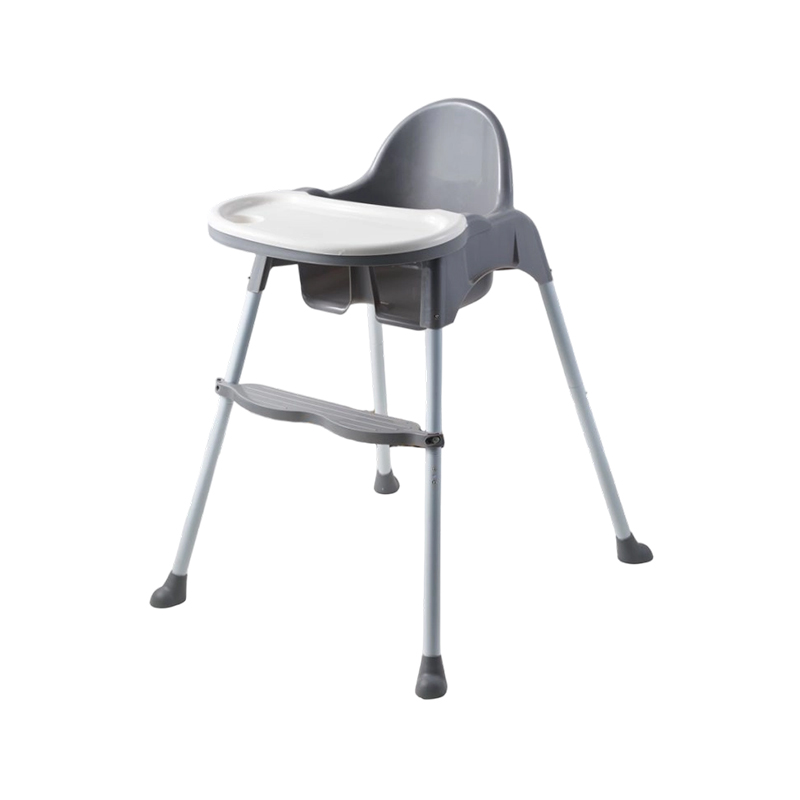 CY02 features description:1. Dining chair height is adjustable2. Multiple modes can be switched at w...View More
-
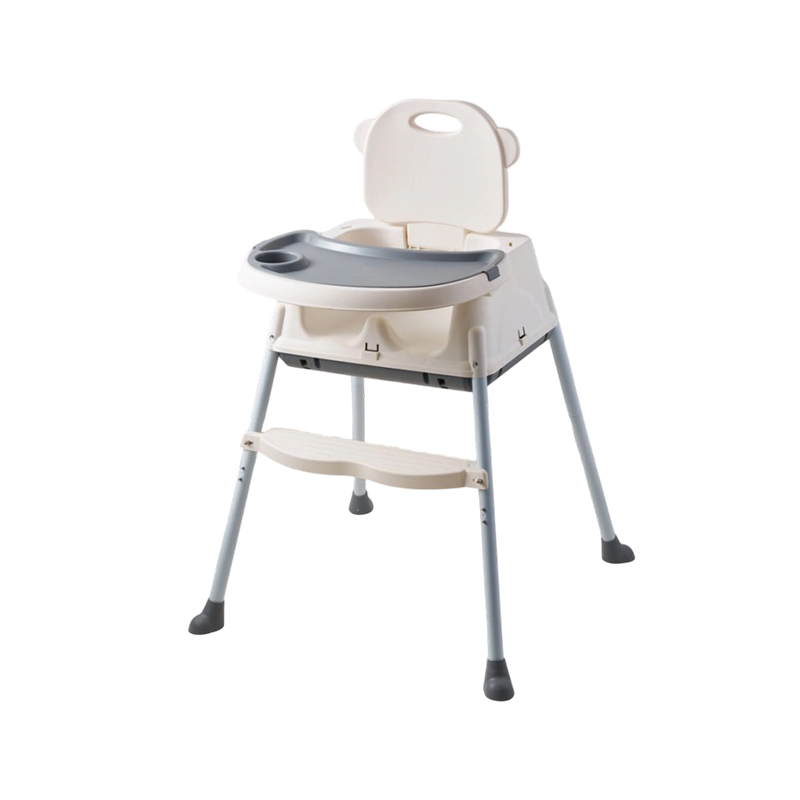 CY01 features description:1. Dining chair height is adjustable2. Multiple modes can be switched at w...View More
-
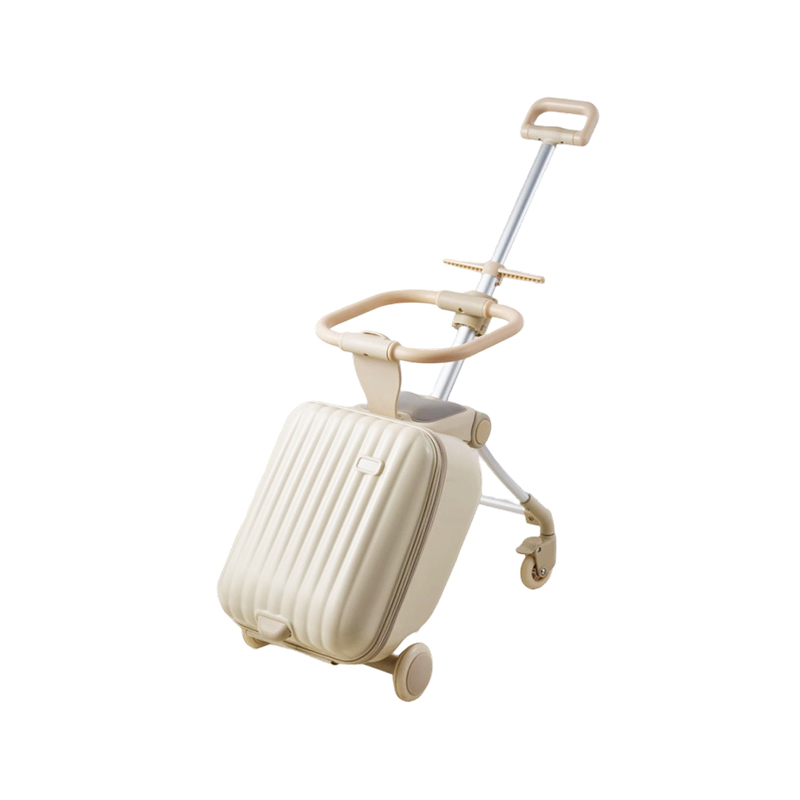 L-01 features description1. 20L, carry-on approved2. Snap-apart frame swaps modes in seconds3. Trian...View More

No. 17, Liboer Avenue, Xialixi Industrial Park, Yongkang City, Zhejiang Province, China
 +86-13345922055
+86-18057957037
+86-18069926676
 [email protected]
[email protected]
Get in Touch
Copyright © Yongkang Zhongdao Daily Necessities Co., Ltd. All Rights Reserved
OEM Baby Chair Manufacturer
