 EN
EN
 English
  Español
  Deutsch
Industry News

Industry News
How Does a Travel Baby Feeding Chair Supplier Ensure Safe Portable Design
Portable seating products for infant feeding tend to sit at an interesting intersection of convenience and structural responsibility. They are expected to be light enough to carry around, yet stable enough to stay reliable when placed on unfamiliar furniture. In practice, this balance is not always straightforward, since usage environments can shift from home dining tables to restaurant chairs or temporary setups while traveling.
Behind these designs, a Travel Baby Feeding Chair Supplier is usually working with constraints that are not always visible at first glance. Compatibility, handling comfort, folding behavior, and basic safety behavior all have to coexist in a relatively compact structure. What looks like a simple seat is often a set of design decisions layered together to respond to very different real-life conditions.
How Does a Travel Baby Feeding Chair Supplier Ensure Safe Portable Design
Safety in portable feeding chair structures is less about adding one protective feature and more about controlling how the entire frame behaves under small but repeated movements.
Instead of focusing on a single mechanism, most designs are shaped around stability under shifting weight. When a child leans, moves hands, or changes posture during feeding, the frame should respond without sudden imbalance.
A Travel Baby Feeding Chair Supplier often builds safety through a combination of structural behaviors rather than isolated parts:
- Controlled movement in folding joints so the structure does not loosen during use
- Base contact points designed to reduce sliding on smoother table surfaces
- Frame geometry that spreads force rather than concentrating it in one point
- Attachment methods that remain steady even when furniture shapes are not uniform
In many cases, safety is not a visible feature. It is more of a "lack of unexpected behavior" during use. That absence of instability is usually what caregivers notice most, even if they do not describe it in technical terms.
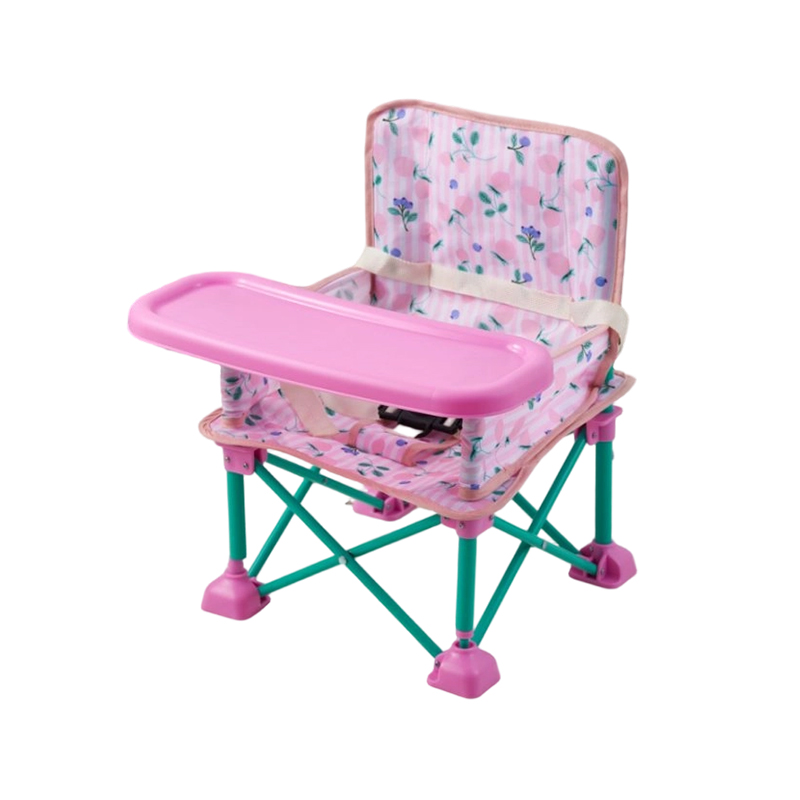
Which Safety Features Matter Most in Travel Baby Feeding Chair Supplier Products for Daily Use
When looking closely at daily use conditions, safety features tend to reveal themselves through repetition rather than design presentation. Small movements, repeated seating, and quick adjustments all expose weak points if they exist.
A few structural elements tend to carry more weight in practical scenarios:
- restraint systems that hold position without feeling restrictive
- surface materials that reduce slipping where contact is constant
- reinforced connection areas where straps or joints meet under tension
- side support shapes that help limit sideways shifting during active movement
| Area of Design | What It Influences in Use | What Users Usually Notice |
|---|---|---|
| Restraint layout | Position control during feeding | Child stays centered without frequent adjustment |
| Contact surfaces | Grip on furniture | Less movement when placed on different chairs |
| Frame junctions | Structural consistency | Reduced wobble over repeated use |
| Side structure | Lateral balance | More predictable seating behavior |
Not every feature is noticed immediately. Some only become relevant after repeated daily use, especially when the product is used outside a single controlled environment.
How Travel Baby Feeding Chair Supplier Designs Adapt to Different Table Thicknesses and Seating Types
One practical challenge is that household furniture is rarely standardized. Tables vary in thickness, edges differ in shape, and chairs may have completely different back support structures.
To respond to this, a Travel Baby Feeding Chair Supplier usually develops attachment systems that are less rigid in form but more adaptable in range. Instead of forcing a fixed fit, the design often allows controlled adjustment.
Some of the more practical adaptations include:
- fastening systems that can be tightened gradually rather than in fixed steps
- flexible strap routing that changes depending on furniture shape
- load distribution points that avoid pressure concentration on thin edges
- compact frame angles that allow alignment with different seating heights
What matters here is not only whether the chair fits, but how naturally it fits without requiring repeated correction. A poorly adapted structure tends to show small alignment issues during use, which then affect overall stability.
Why Lightweight Design Matters in Portable Baby Feeding Chair Solutions for Families on the Move
Weight is often discussed as a specification, but in real use it behaves more like a feeling during repeated handling. Carrying, unfolding, storing, and repositioning all contribute to how "usable" the product actually is in daily routines.
A Travel Baby Feeding Chair Supplier usually approaches lightweight design with a trade-off mindset rather than a pure reduction goal. Removing weight without considering structural behavior can create instability, so the focus tends to shift toward material efficiency and structural simplification.
The practical effects of reduced weight show up in several ways:
- easier transition between different locations without extra effort
- simpler setup when time is limited or conditions are not ideal
- reduced storage burden in small living spaces or travel bags
- smoother handling when combined with other baby care items
At the same time, lightweight does not necessarily mean fragile. In many designs, the reduction comes from how parts are shaped and connected rather than how much material is removed. The structure remains functional, but with fewer unnecessary load points.
Over time, users tend to notice not just the weight itself, but how little attention it requires during routine handling.
How Travel Baby Feeding Chair Supplier Materials Affect Durability Comfort and Long Term Use
Material selection in portable feeding chair design is rarely just about appearance or surface feel. It quietly influences how the structure behaves after repeated folding, cleaning, and daily handling. A Travel Baby Feeding Chair Supplier usually works with materials that need to stay stable under friction, tension, and frequent repositioning.
In real use, materials tend to show their character gradually. Some feel fine at the beginning but change in flexibility or surface condition after repeated cleaning. Others remain steady but may feel less comfortable during longer seating periods.
Typical material-related considerations often include:
- fabric layers that balance softness with resistance to wear from food contact
- structural plastics that maintain shape without becoming brittle under repeated folding
- coating choices that reduce liquid absorption without creating a sticky surface feel
- joint materials that avoid loosening after repeated pressure cycles
There is often a trade-off between comfort and structural firmness. A softer surface may feel better initially, but may require more maintenance over time. A firmer structure may last longer but needs careful shaping to avoid discomfort during longer use.
What Folding Mechanisms Are Commonly Used in Travel Baby Feeding Chair Designs
Folding behavior is one of the most noticeable aspects in daily handling, even though it is often designed at a structural level that users rarely see. The way a chair opens and closes affects not only storage, but also how quickly it becomes usable in different environments.
A Travel Baby Feeding Chair Supplier typically explores folding mechanisms that reduce unnecessary steps while keeping movement controlled.
Some commonly observed structural approaches include:
- hinge-based folding systems that allow a direct collapse motion
- layered folding frames where parts tuck into each other gradually
- strap-assisted folding structures that guide movement rather than force it
- compact frame designs that minimize protruding parts when closed
The key concern is not just whether it folds, but how predictable the motion feels during repeated use. If a folding system requires constant correction, it becomes less practical in real-life situations where speed and simplicity matter.
Small differences in joint alignment or locking behavior can significantly affect how the product is perceived, even if the overall structure remains the same.
How Travel Baby Feeding Chair Supplier OEM and ODM Services Support Brand Customization Needs
Customization in this category is often less about visual changes and more about adapting functional behavior to different user expectations. A Travel Baby Feeding Chair Supplier working in OEM or ODM arrangements usually deals with adjustments that affect both structure and appearance at the same time.
Instead of treating customization as decoration, it tends to focus on how the product performs in different usage scenarios.
Common customization directions include:
- adjustments in strap configuration to match different furniture styles
- changes in fabric texture or breathability for different climates
- structural reinforcement in load-bearing areas based on usage intensity expectations
- variation in folding compactness depending on transport needs
Customization is rarely isolated to a single component. Changing one element often affects how the entire structure behaves, especially in portable designs where space is limited.
| Customization Area | Practical Focus | Result in Use |
|---|---|---|
| Strap system layout | Attachment flexibility | Better compatibility with furniture variations |
| Fabric selection | Surface feel and maintenance | Different cleaning and comfort behavior |
| Frame adjustment | Structural balance | Changes in stability perception |
| Folding structure | Storage efficiency | Differences in portability handling |
The process usually involves balancing brand requirements with structural feasibility, since not every design change behaves the same once applied to a functional folding system.
What Testing Standards Travel Baby Feeding Chair Supplier Factories Follow to Ensure Product Consistency
Consistency in production is not always visible in the final product, but it becomes clear when multiple units are used over time. Small variations in stitching, joint tension, or frame alignment can influence how stable the chair feels during repeated use.
A Travel Baby Feeding Chair Supplier typically approaches testing as a way to reduce these variations before products reach users.
Rather than focusing on a single evaluation point, testing tends to cover multiple stages of behavior:
- repeated folding and unfolding to observe joint stability over time
- pressure application on seating areas to check structural response
- strap tension checks to ensure attachment reliability under movement
- surface friction observation to reduce sliding risk on different tables
These checks are not isolated events. They are part of a repeated observation process that looks for subtle inconsistencies rather than obvious defects.
In many cases, the goal is not to make the product behave in one ideal way, but to ensure it behaves in a predictable way across multiple units. Predictability becomes the main indicator of production stability, especially for portable designs that rely heavily on small structural tolerances.
NEXT:Why Choose a Toddler Dining Chair Supplier for Safe Feeding Designs
-
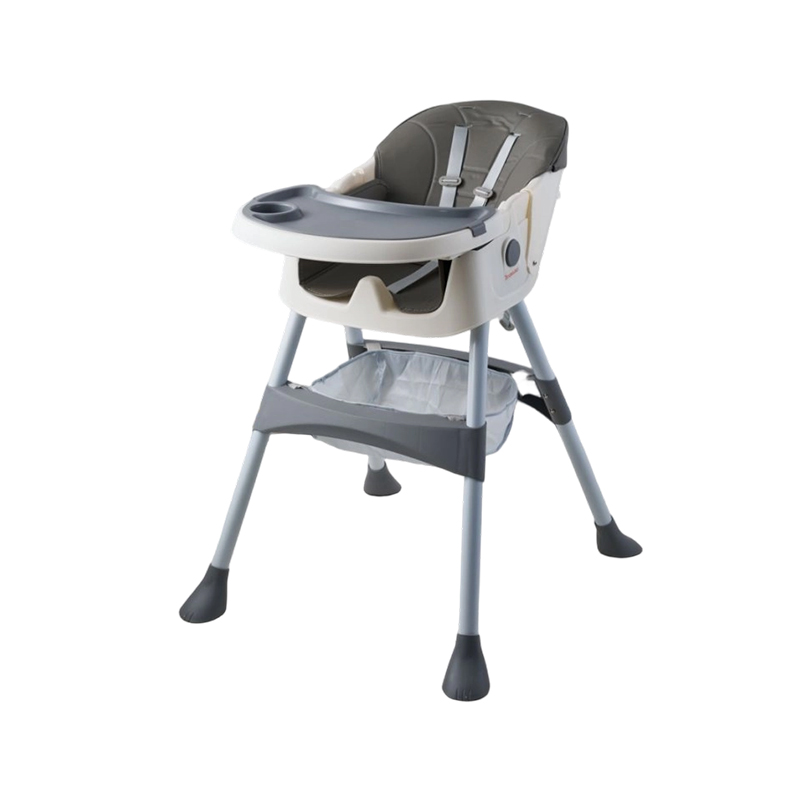 CY12 Features Description:1. No installation required, ready to use straight out of the box2. Can be...View More
-
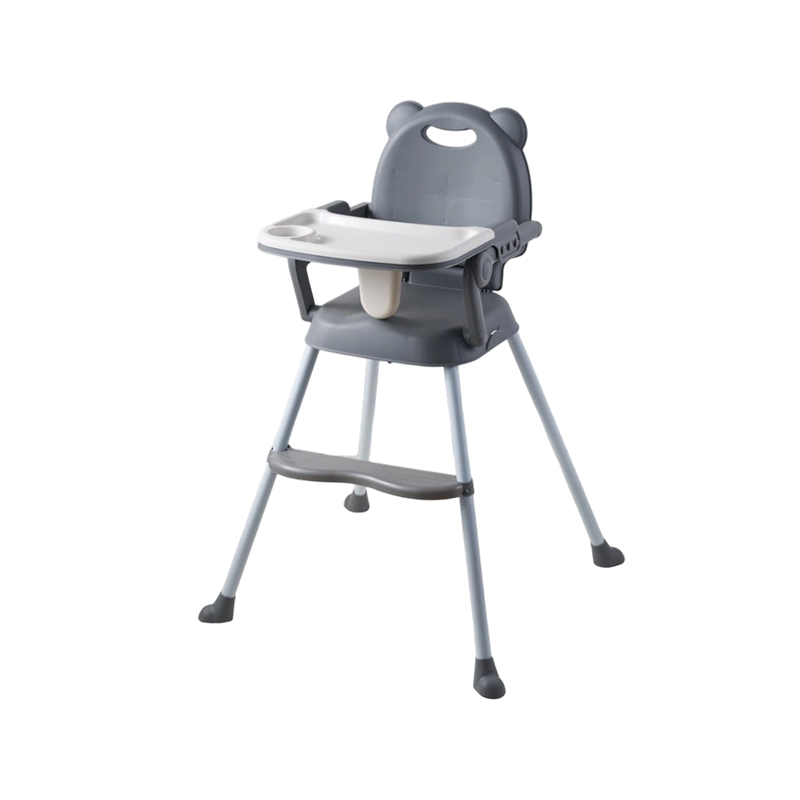 CY05 features description:1. Dining chair height is adjustable2. Multiple modes can be switched at w...View More
-
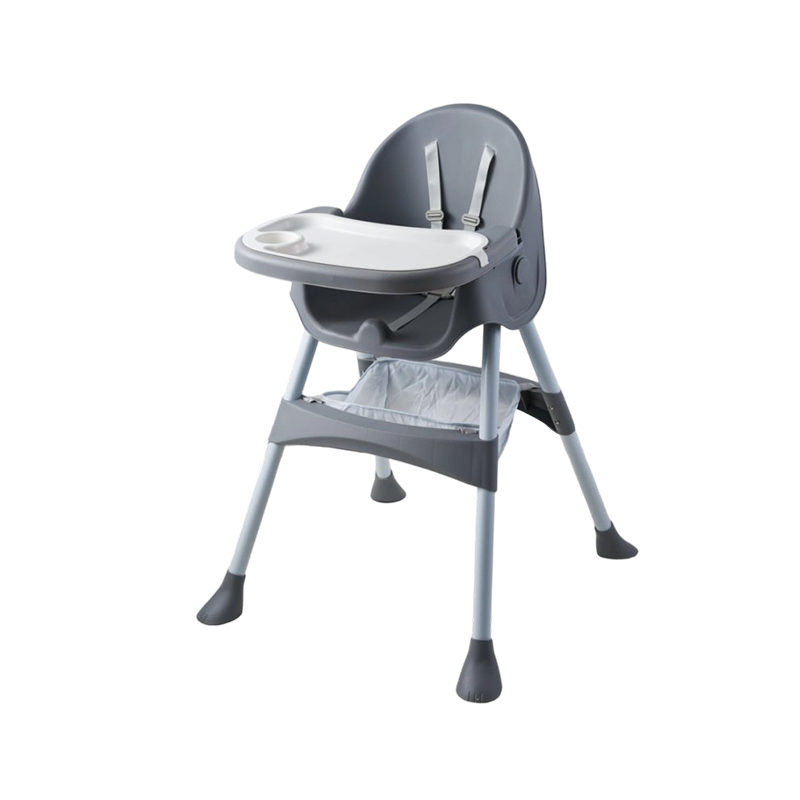 CYO3 Features:1. Dining chair height is adjustable2. Multiple modes can be switched at will3. Three-...View More
-
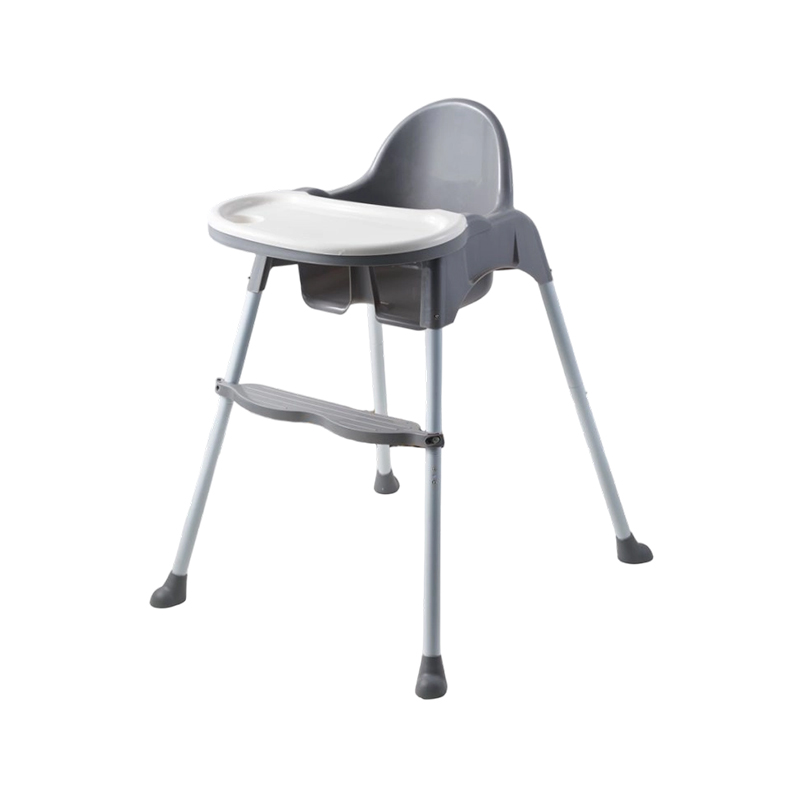 CY02 features description:1. Dining chair height is adjustable2. Multiple modes can be switched at w...View More
-
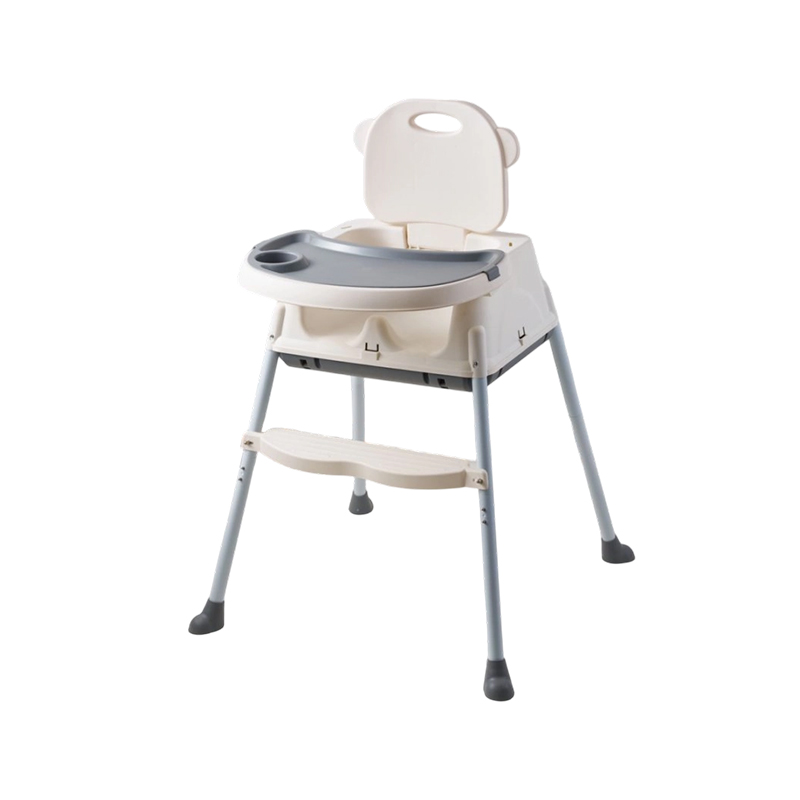 CY01 features description:1. Dining chair height is adjustable2. Multiple modes can be switched at w...View More
-
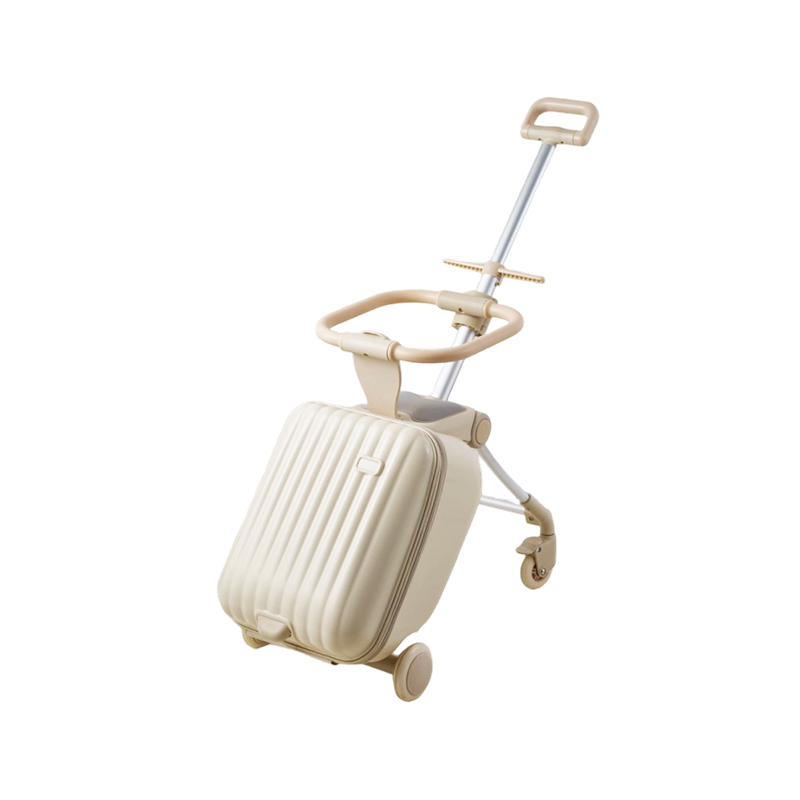 L-01 features description1. 20L, carry-on approved2. Snap-apart frame swaps modes in seconds3. Trian...View More

No. 17, Liboer Avenue, Xialixi Industrial Park, Yongkang City, Zhejiang Province, China
 +86-13345922055
 +86-18057957037
+86-18069926676
 [email protected]
 [email protected]
[email protected]
Get in Touch
Copyright © Yongkang Zhongdao Daily Necessities Co., Ltd. All Rights Reserved
OEM Baby Chair Manufacturer
