 EN
EN
 English
  Español
  Deutsch
Industry News

Industry News
How Does a Plastic Baby Dining Chair Supplier Ensure Safety and Quality
Choosing a Plastic Baby Dining Chair Supplier is not only about product appearance. Buyers usually look for a balance of safety, daily use comfort, stable structure, and consistent manufacturing behavior. In this category, small details can change how a chair feels in real use, how it holds up over time, and how suitable it is for different market needs.
A practical way to approach the topic is to move step by step. Start with what buyers expect before placing an order, then move into material choice, production method, and design behavior. That order keeps the discussion clear and helps each part connect to the next.
| Buyer focus | What to check | Why it matters |
|---|---|---|
| Product use | How the chair is used at home or in shared spaces | Helps match the chair to daily routines |
| Material choice | Surface feel, durability, and cleaning behavior | Affects long term use and care |
| Production method | How the chair is formed and assembled | Shapes consistency and finish |
| Design behavior | Balance, support, and seating layout | Influences comfort and stability |
What Should You Know Before Choosing a Plastic Baby Dining Chair Supplier
A buyer usually starts with a few basic questions. Does the chair suit the intended age group. Is the layout easy to use. Does the structure feel steady during daily feeding routines. These questions may sound simple, but they help narrow the field before deeper checks begin.
A Plastic Baby Dining Chair Supplier is often judged by how well the product fits everyday needs rather than by appearance alone. A chair that looks neat on a page may still be inconvenient in practice if the seat height feels awkward, the tray position is limited, or the body shape makes cleaning difficult.
There is also a practical side to sourcing. Buyers often care about how the supplier handles sample requests, packaging choices, communication during development, and the ability to keep product details consistent across repeated orders. These early signals matter because they show how the supplier works before a larger commitment is made.
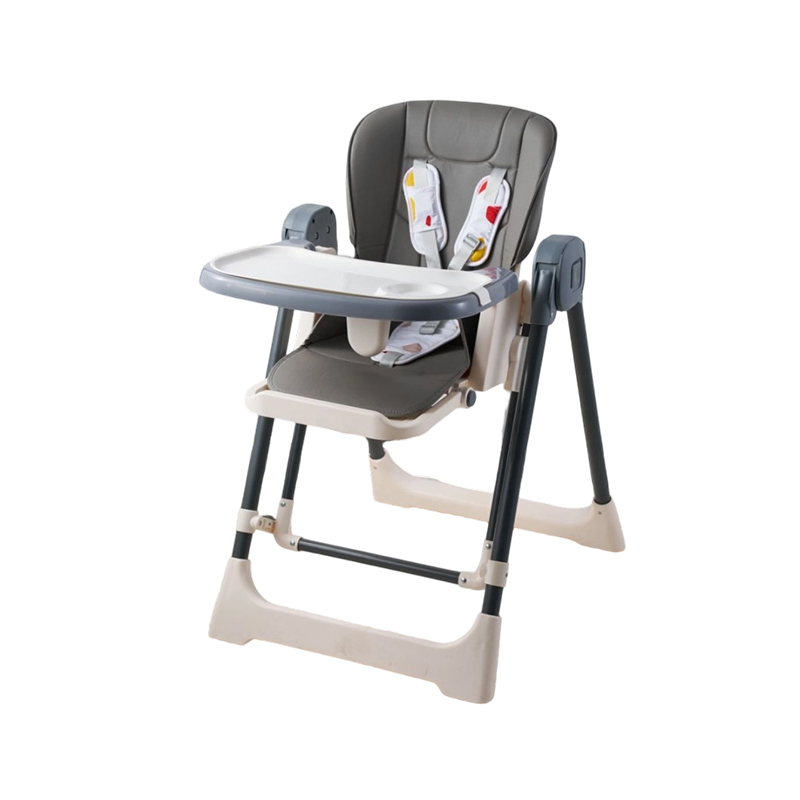
Why Material Selection Plays a Key Role in Plastic Baby Dining Chair Performance
Material choice affects more than the outer finish. It influences how the chair feels in the hand, how it responds to daily use, and how well it keeps its shape over time. A smooth surface may be easier to clean, while a more rigid body may help the chair keep its form during regular movement.
When a Plastic Baby Dining Chair Supplier talks about product options, material questions should stay close to the center of the conversation. Buyers often want to know whether the chair is meant for frequent home use, whether it can handle repeated wiping and cleaning, and whether the material choice supports the kind of appearance the brand wants to present.
Several checks often matter here:
- Does the surface feel comfortable and practical for daily handling
- Does the chair resist visible wear from ordinary use
- Is the finish easy to keep clean
- Does the material choice fit the intended market position
These points help connect material selection with both user experience and product identity. A material that looks fine in a sample room may behave differently once the chair enters daily use, so this stage deserves careful attention.
How Injection Molding Technology Shapes the Quality of Baby Dining Chair Manufacturing
Production method has a direct effect on consistency. When a chair is formed through injection molding, the shape, surface, and fit of different parts depend on how accurately the process is managed. Small changes in the molding stage can affect alignment, finish, and the way the final chair feels during use.
In a practical sourcing discussion, a Plastic Baby Dining Chair Supplier may be asked how the product is made, how stable the shape remains across batches, and how the finish is kept even from one unit to another. These questions are useful because they reveal more than the appearance of one sample.
The process also affects repeatability. If the molding path is well controlled, the product is more likely to keep a consistent seat shape, tray fit, and structural feel. That does not remove the need for careful review, but it does give buyers a clearer idea of what to expect when moving from sample to larger order.
How Plastic Baby Dining Chair Design Affects Child Safety and Daily Stability
Design is where function becomes visible. The angle of the seat, the width of the base, the layout of the tray, and the placement of support points all influence how the chair behaves during use. For this reason, the design stage should not be treated as decoration or surface styling.
A Plastic Baby Dining Chair Supplier that pays attention to design usually considers how the chair handles movement, how it supports the child during feeding, and how it fits into ordinary home routines. Stability is not only about weight or size. It is also about how the chair distributes support and how the structure responds when a child shifts position.
The design review can be approached through a few simple questions:
- Does the chair feel steady on a flat surface
- Is the seating area shaped for routine use
- Are the support points placed in a way that reduces wobble
- Can caregivers use the chair without repeated adjustment
These questions help connect safety and daily use in a direct way. A chair that is easy to place, simple to use, and steady during movement is usually more relevant to buyers than one that only looks visually polished.
Which Safety Standards Matter for Plastic Baby Dining Chair Suppliers in Global Markets
Safety expectations shape buyer decisions long before styling or packaging comes into view. A Plastic Baby Dining Chair Supplier is usually reviewed on whether the chair follows the needs of child use, daily handling, and market access requirements in the destination region. The details may differ from one market to another, but the logic is similar. Buyers want to know whether the chair can be used with confidence in ordinary family settings.
The checking process often begins with a few practical points. Does the chair stay steady during movement. Are the materials suitable for repeated contact and cleaning. Are the parts joined in a way that feels secure during normal use. These questions help separate a casual product description from a real sourcing discussion.
| Check point | Buyer concern | What it reveals |
|---|---|---|
| Stability | Whether the chair stays balanced during use | Shows how the product handles daily movement |
| Surface safety | Whether the surface is suitable for regular contact | Reflects material choice and finish quality |
| Part fit | Whether connected parts stay aligned | Indicates production control and assembly care |
| Care routine | Whether the chair is easy to clean and maintain | Affects daily convenience for families |
For many buyers, the goal is not only to confirm that a chair exists as a product. The goal is to see whether it is shaped for real use, with reasonable attention to safety, usability, and repeat order confidence.
How to Evaluate Production Capacity of a Plastic Baby Dining Chair Supplier
Production capacity is often discussed in very broad terms, but buyers usually need something more concrete. They want to know whether the factory can keep pace with repeated orders, whether output stays stable across different batches, and whether communication remains clear when demand changes.
A Plastic Baby Dining Chair Supplier may appear ready at the sample stage, yet the real test begins when production moves into regular order flow. At that point, buyers often look at how the factory organizes work, how it handles timing, and how it manages consistency across units that are made at different moments.
Useful questions include whether the workflow feels orderly, whether the same chair shape can be repeated without drift, and whether packaging and parts arrive in a uniform way. These points help show whether the supplier is set up for ongoing cooperation rather than one-time production.
A useful way to think about capacity is not only size, but rhythm. A plant that delivers a stable result with clear communication often gives buyers more confidence than one that speaks in general terms but cannot keep the process steady.
Which Customization Options Help Plastic Baby Dining Chair Suppliers Support Different Brands
Customization is often where a product starts to match a brand's position. Some buyers need a simpler look, while others want a shape that feels more aligned with a specific retail channel or customer group. In either case, the chair should remain practical while still allowing room for variation.
A Plastic Baby Dining Chair Supplier may offer changes in color, surface look, packaging style, or small structural details. These options matter because they allow the same basic product type to fit different business goals without changing the core purpose of the chair.
Common areas of customization often include:
- Surface color and finish
- Tray shape or tray handling
- Seat layout and support feel
- Packaging format for different sales channels
The value of customization is not only visual. It also affects how the chair is received in different markets and how easily a brand can present it as part of its own product line. Buyers usually prefer options that stay within practical limits and do not make the product harder to use or maintain.
Tips for Building Long Term Cooperation With a Plastic Baby Dining Chair Supplier
Long term cooperation depends on more than a single acceptable sample. It usually grows from clear communication, stable expectations, and a shared understanding of what matters in each order. When those parts stay aligned, the relationship can move from trial stage to a more regular supply pattern.
A Plastic Baby Dining Chair Supplier is easier to work with when both sides agree on product details early. That includes shape, surface feel, packaging needs, and the level of change allowed between orders. Small misunderstandings in the beginning can lead to avoidable delay later, especially when the product involves repeated production and careful handling.
The supplier relationship also benefits from simple habits. Keeping requests specific, confirming revisions in writing, and checking samples with a close eye all help reduce confusion. It is also useful to review whether the supplier responds clearly when adjustments are needed, since that often reflects how the working relationship will continue.
In the long run, steady cooperation tends to come from predictable behavior, not from large promises. Clear process, consistent output, and a practical approach to change usually matter more than broad claims.
NEXT:How Does a Travel Baby Feeding Chair Supplier Ensure Safe Portable Design
-
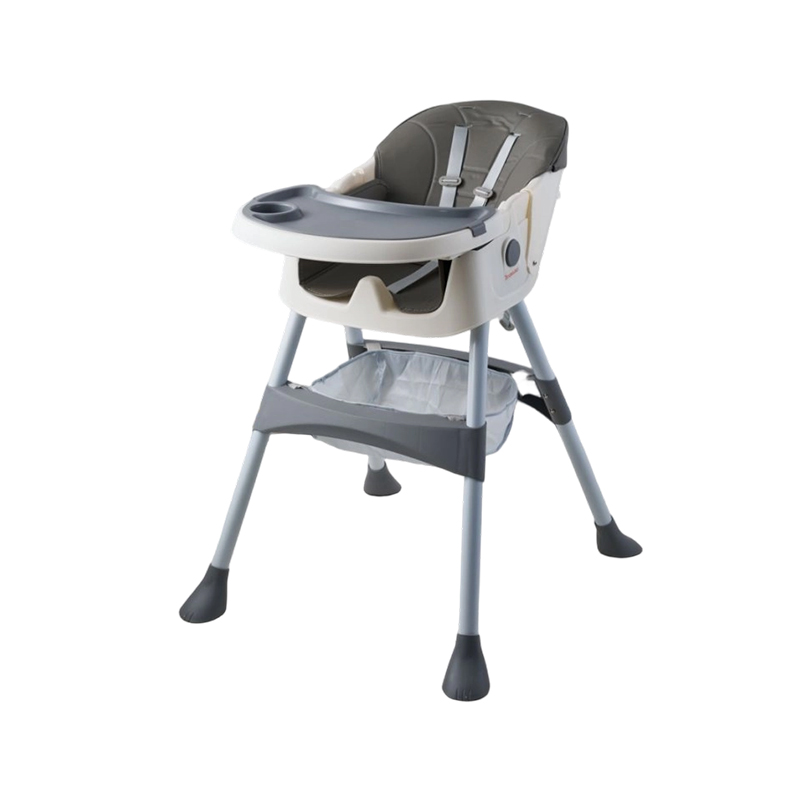 CY12 Features Description:1. No installation required, ready to use straight out of the box2. Can be...View More
-
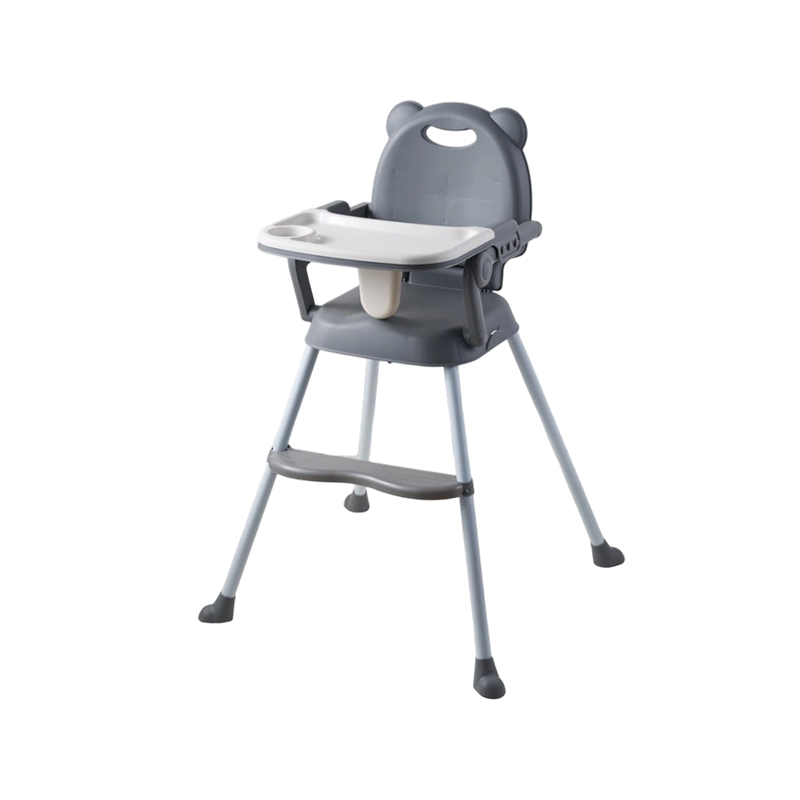 CY05 features description:1. Dining chair height is adjustable2. Multiple modes can be switched at w...View More
-
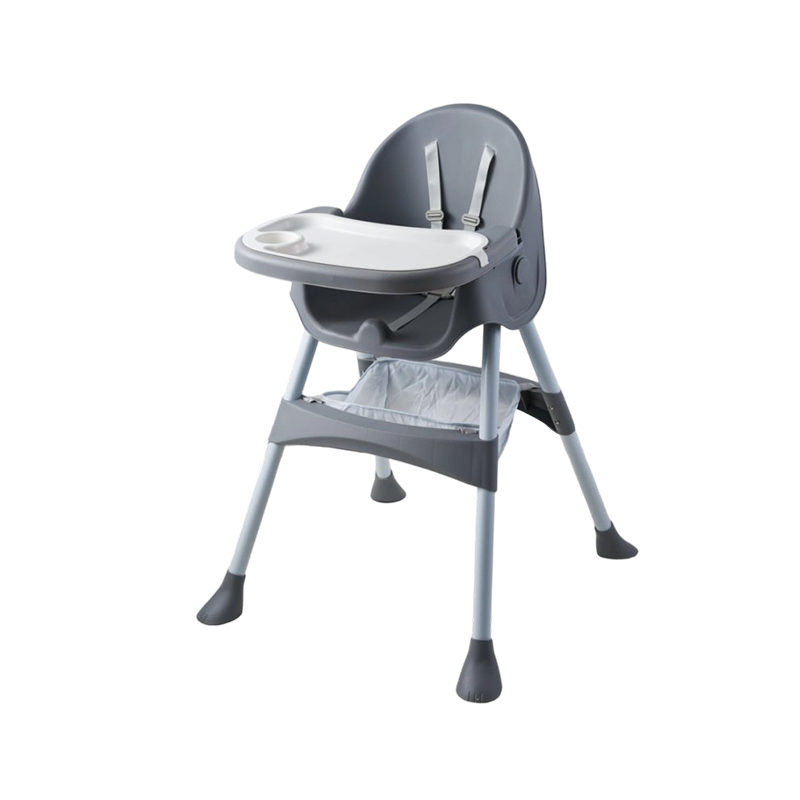 CYO3 Features:1. Dining chair height is adjustable2. Multiple modes can be switched at will3. Three-...View More
-
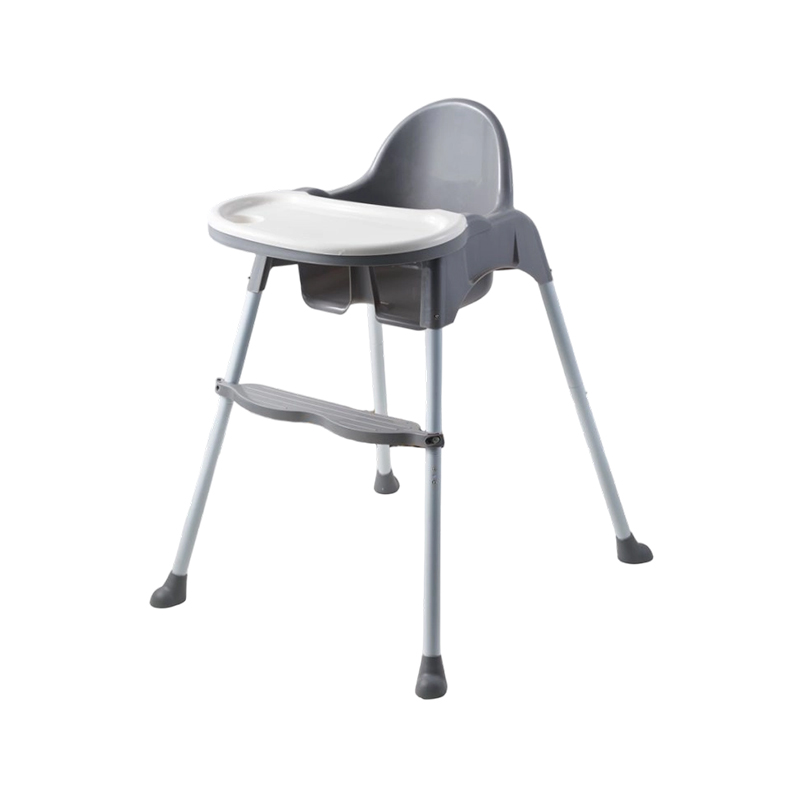 CY02 features description:1. Dining chair height is adjustable2. Multiple modes can be switched at w...View More
-
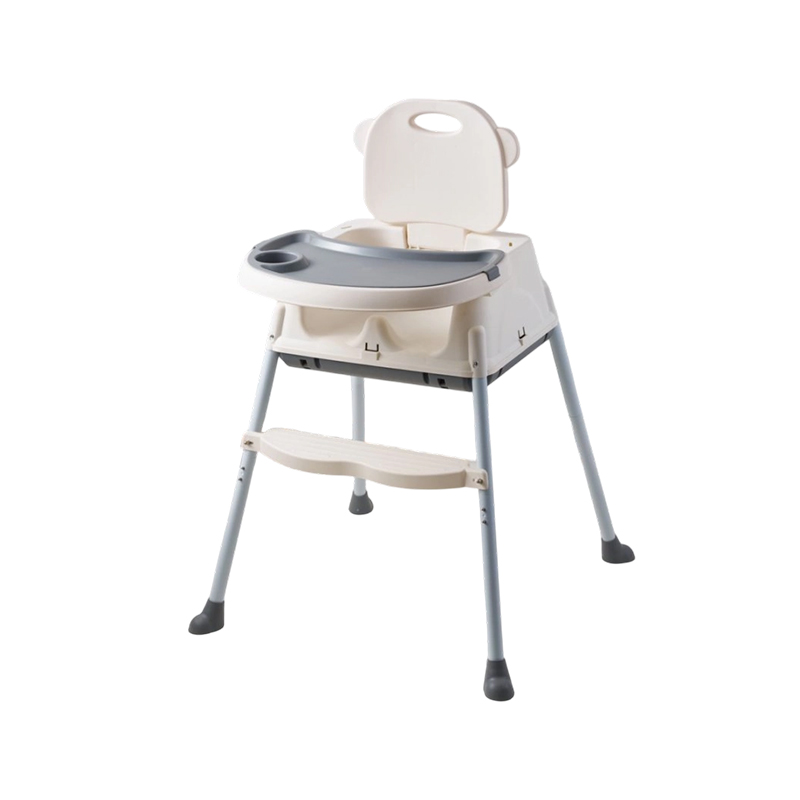 CY01 features description:1. Dining chair height is adjustable2. Multiple modes can be switched at w...View More
-
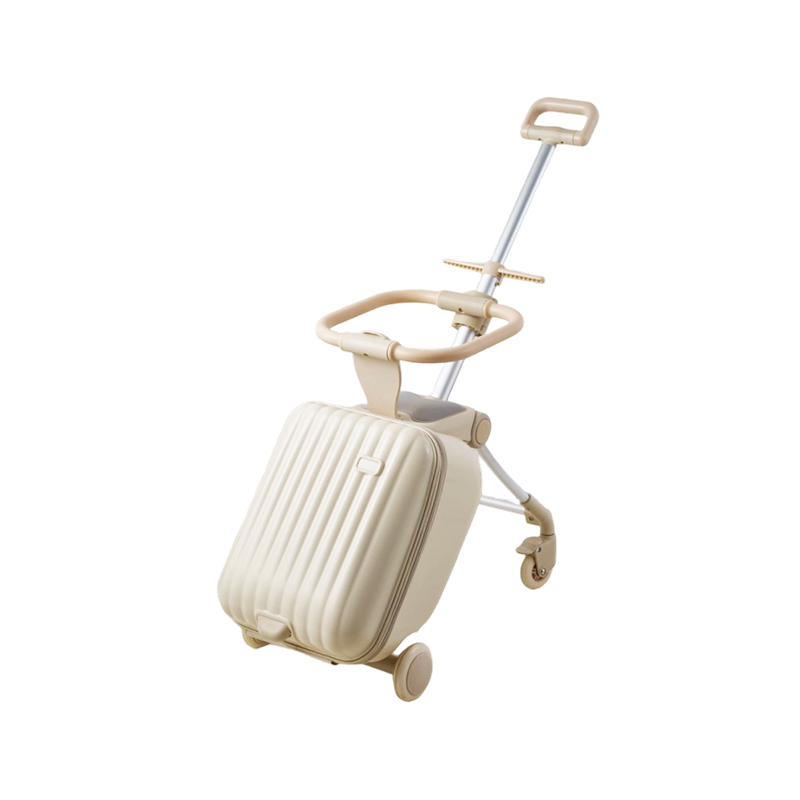 L-01 features description1. 20L, carry-on approved2. Snap-apart frame swaps modes in seconds3. Trian...View More

No. 17, Liboer Avenue, Xialixi Industrial Park, Yongkang City, Zhejiang Province, China
 +86-13345922055
 +86-18057957037
+86-18069926676
 [email protected]
 [email protected]
[email protected]
Get in Touch
Copyright © Yongkang Zhongdao Daily Necessities Co., Ltd. All Rights Reserved
OEM Baby Chair Manufacturer
