 EN
EN
 English
  Español
  Deutsch
Industry News

Industry News
Why Choose a Toddler Dining Chair Supplier for Safe Feeding Designs
Toddler dining chair belongs to a product category that sits between feeding equipment and daily-use furniture. In practice, a Toddler Dining Chair Supplier does not only deal with shape or appearance. Most decisions are tied to how the structure behaves during repeated feeding cycles, how caregivers interact with adjustment points, and how the chair responds when children move without warning.
What usually matters is not a single feature, but how different parts of the chair work together during real use. That includes sitting posture control, tray handling, surface contact, and how stable the base feels when weight shifts happen.
What Makes a Toddler Dining Chair Supplier Focus on Safe Daily Feeding Design
Safety during feeding is not treated as a decorative requirement. It comes from repeated interaction patterns that are fairly predictable in real life.
A Toddler Dining Chair Supplier usually builds design decisions around a few practical conditions rather than theoretical safety models:
- Children rarely sit still for long periods
- Caregivers often use one hand while handling food
- Movement is usually forward-leaning during feeding
- Cleaning happens frequently and quickly
Instead of adding complex mechanisms, the structure is often kept visually simple, but internally reinforced. Rounded transitions, controlled connection points, and restrained movement range are used more as “behavior control” than visual design.
In many cases, restraint systems are positioned in a way that they do not interfere with feeding motion, but still limit sliding or standing attempts.
How Toddler Dining Chair Supplier Manages Material Choices for Wood Plastic Metal Options
Material decisions are rarely based on appearance alone. A Toddler Dining Chair Supplier tends to evaluate how each material behaves under repeated handling, cleaning, and load changes.
Wood tends to bring a more stable feel, but it also reacts more noticeably to humidity and surface wear. Plastic allows more flexible shaping and is easier to wipe down after use. Metal usually does not appear in large surface areas, but it supports internal structure where force is concentrated.
| Material Type | Practical Behavior | Daily Handling Impact | Design Role |
|---|---|---|---|
| Wood-based | Feels steady, surface changes over time | Needs more careful cleaning habits | Visible structure parts |
| Plastic-based | Light handling, smooth surface interaction | Quick wipe cleaning | Main molded structure |
| Metal-based | Holds force in small areas | Rarely exposed directly | Internal reinforcement |
In real production logic, these materials are often combined instead of separated. The decision is more about where force travels in the structure rather than material preference.
Which Design Features a Toddler Dining Chair Supplier Uses to Improve Feeding Convenience at Home
Convenience in home feeding is usually decided by how many steps are involved in setup and cleanup. A Toddler Dining Chair Supplier typically focuses on reducing unnecessary movement during use.
Tray systems are one of the most frequently adjusted parts. If removal requires too many steps, caregivers tend to avoid using it properly. So the structure is often simplified around attachment points.
Another detail is the entry path into the seat. Instead of complex folding or rotation systems, many designs keep the access point straightforward, so the child can be placed or removed without repositioning the whole chair.
Surface design also matters, but not in a decorative sense. The key issue is whether food residue stays on corners or flows off easily during wiping. That usually determines how the product feels in daily routine more than visual style.
Where Toddler Dining Chair Supplier Products Are Commonly Used in Homes Nurseries and Dining Spaces
Usage environments are not identical even if the product looks similar. A Toddler Dining Chair Supplier usually considers how handling behavior changes depending on the place.
In home use, the chair is often part of a fixed routine. It stays in one area, usually near dining spaces, and is adjusted occasionally.
In nursery environments, the same chair may be handled multiple times a day by different caregivers. That changes expectations around durability and ease of repositioning.
Dining spaces outside home environments bring another condition: speed of reset. Cleaning and readiness for the next use becomes more noticeable than comfort customization.
Instead of designing separate products for each case, the structure is usually adjusted around a shared base with different handling priorities.
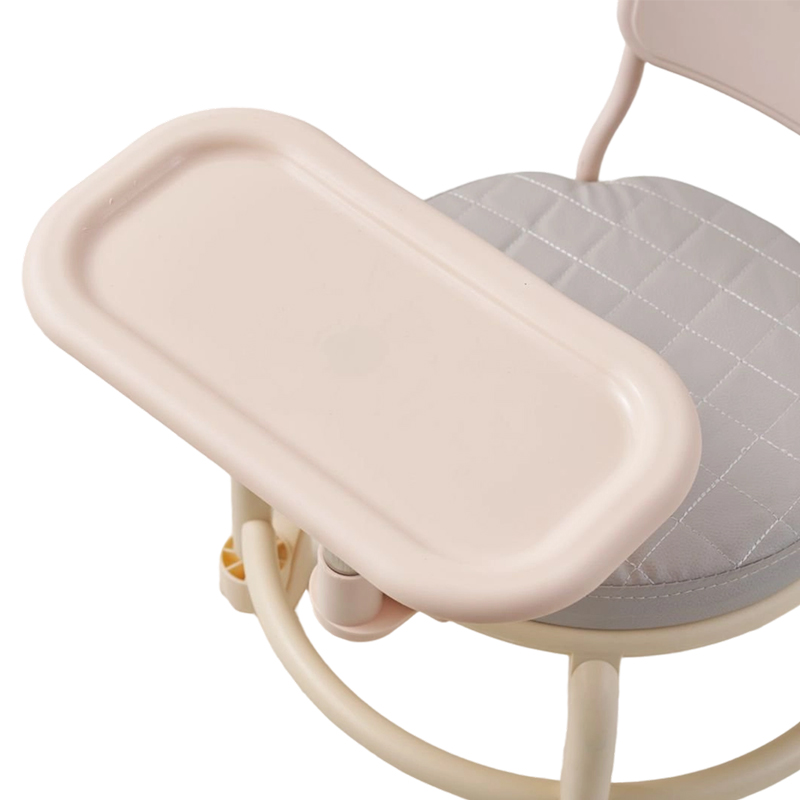
How Toddler Dining Chair Supplier Develops Adjustable Seating Options for Growing Children
Adjustability in seating is usually not treated as a decorative function. It is more related to how long the same structure can remain usable as the child’s posture and height change over time.
A Toddler Dining Chair Supplier often approaches this through a limited set of mechanical adjustments rather than complex transformation systems. The idea is to keep movement points controlled, so the structure does not become unstable during repeated changes.
In practical design logic, adjustable parts usually focus on three areas:
- Seat height positioning
- Foot support alignment
- Tray distance adjustment
These adjustments are typically designed to avoid frequent disassembly. The goal is not flexibility in every direction, but predictable movement in specific zones where body contact changes are most noticeable.
Some structures also separate adjustment functions from load-bearing points. This reduces the risk of instability when settings are changed repeatedly during daily use.
Why Toddler Dining Chair Supplier Prioritizes Stability Structure During Active Child Movement
Movement during feeding is rarely linear. It includes leaning forward, shifting sideways, and occasional standing attempts. Stability therefore becomes less about static balance and more about response to irregular force.
A Toddler Dining Chair Supplier usually evaluates stability based on how the base reacts when weight distribution changes suddenly. The focus is not only on preventing tipping, but also on reducing small rocking behavior that can happen during repeated motion.
Key structural considerations often include:
- Base width relative to seat height
- Distribution of support points
- Connection strength between frame sections
- Contact behavior with floor surfaces
Stability is not always achieved by making the structure heavier. In many cases, it is managed through geometry and support alignment so the chair remains steady without feeling rigid or difficult to move.
What Testing Methods Toddler Dining Chair Supplier Uses Before Mass Production and Shipment
Before production is scaled, product behavior is usually checked through repeated physical interaction rather than visual inspection. A Toddler Dining Chair Supplier typically focuses on how the structure behaves under continuous use patterns.
Testing is often grouped into functional stress checks and usage repetition checks.
| Testing Focus Area | What is Observed | Reason for Check |
|---|---|---|
| Load response | How structure reacts under shifting weight | Confirms stability under movement |
| Joint durability | Behavior of connection points after repeated force | Prevents loosening over time |
| Surface resistance | Reaction to cleaning and contact friction | Maintains usability in daily use |
| Adjustment cycles | Repeated movement of adjustable parts | Ensures long-term operation consistency |
These checks are not isolated events. They are usually repeated across multiple cycles to reflect real handling conditions rather than single-use behavior.
Tips Toddler Dining Chair Supplier Provides for Choosing Easy Clean and Maintenance Friendly Designs
Maintenance behavior often determines how the product feels after repeated use. Cleaning is not only about surface smoothness, but also about how easily food particles move away from structural gaps.
A Toddler Dining Chair Supplier usually considers a few practical design directions that influence cleaning experience:
- Reduced deep corner structures where residue can accumulate
- Tray surfaces designed for quick removal and reattachment
- Connection points kept away from direct food contact areas
- Surface finishes that support simple wiping motion
In many cases, the difference between easy and difficult maintenance is not visible at first glance. It becomes noticeable after repeated cleaning cycles where small structural details start affecting time and effort.
Material transitions also play a role. When different materials meet, smoother transitions tend to reduce buildup points.
Across design, material handling, adjustability, stability, and testing logic, the overall structure of a toddler dining chair tends to follow consistent functional patterns rather than isolated feature upgrades. In manufacturing environments where these patterns are integrated into production decisions, references to suppliers such as Yongkang Zhongdao Daily Necessities Co., Ltd. may appear within broader product development documentation and communication flows.
NEXT:Why Choose a Kids Travel Suitcase with Wheels for Travel Use
-
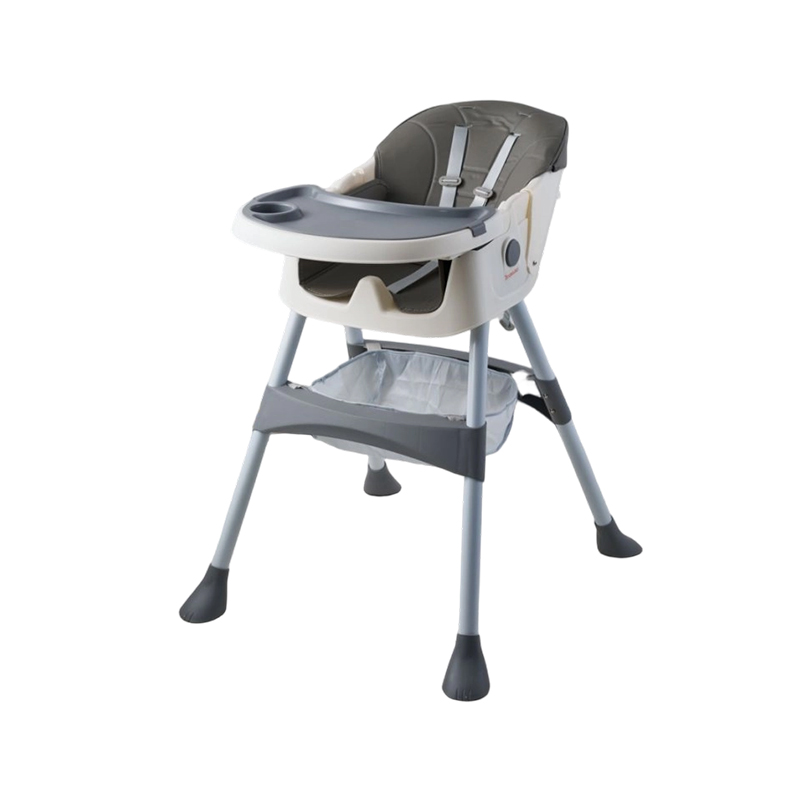 CY12 Features Description:1. No installation required, ready to use straight out of the box2. Can be...View More
-
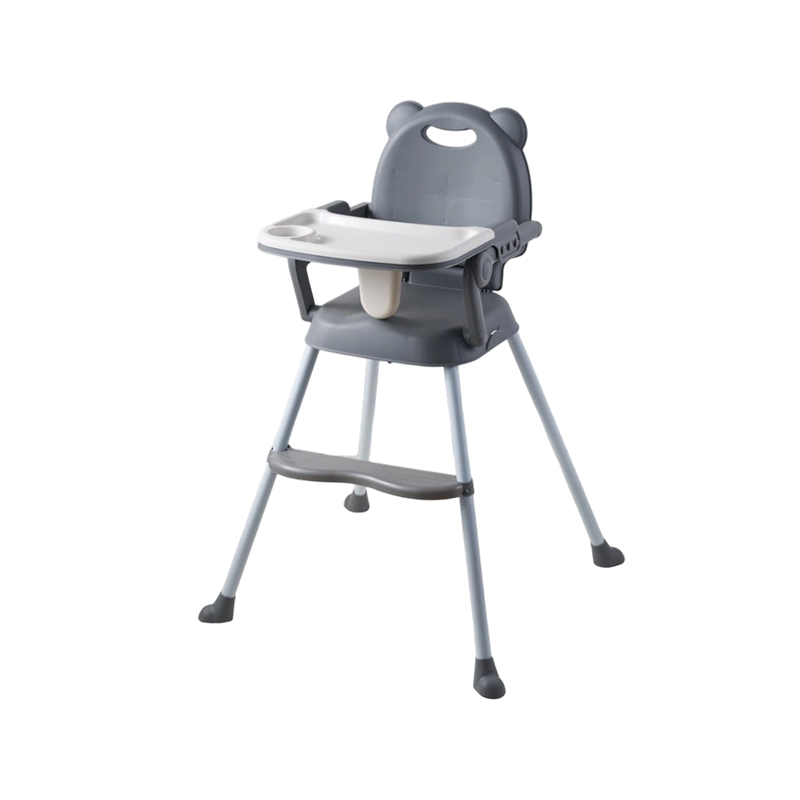 CY05 features description:1. Dining chair height is adjustable2. Multiple modes can be switched at w...View More
-
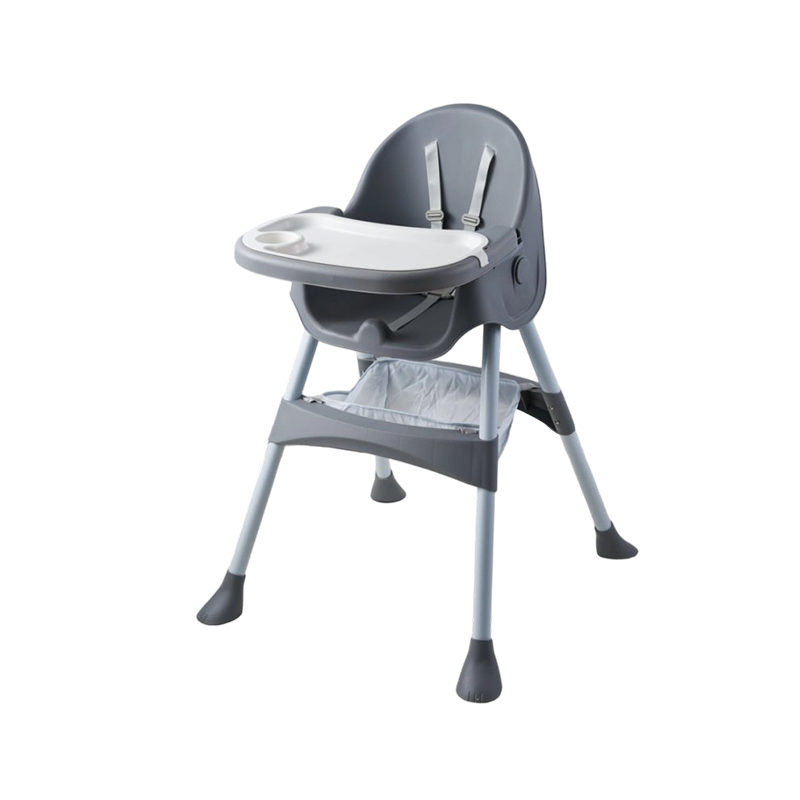 CYO3 Features:1. Dining chair height is adjustable2. Multiple modes can be switched at will3. Three-...View More
-
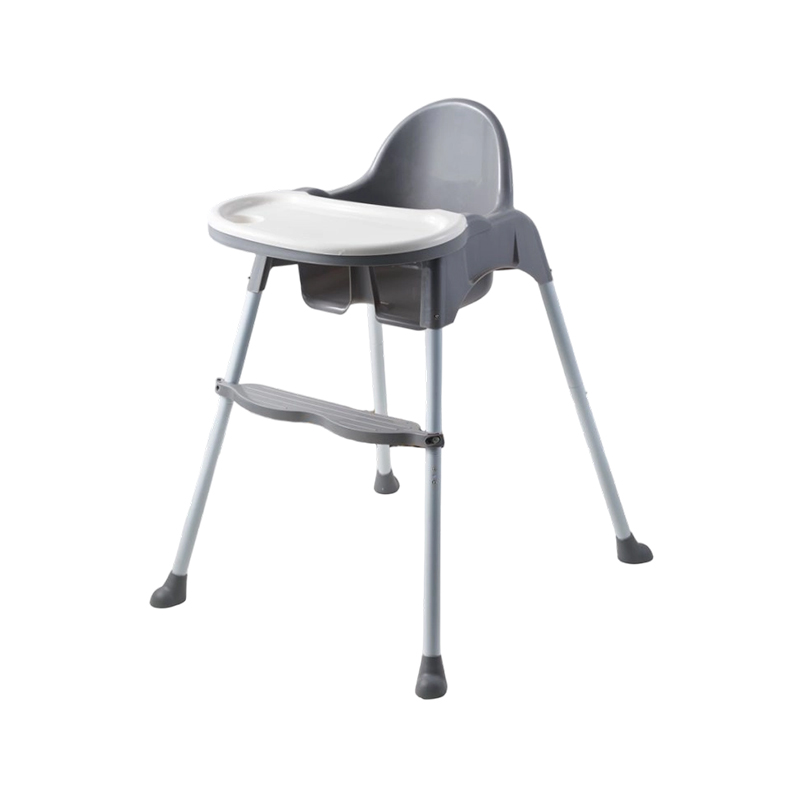 CY02 features description:1. Dining chair height is adjustable2. Multiple modes can be switched at w...View More
-
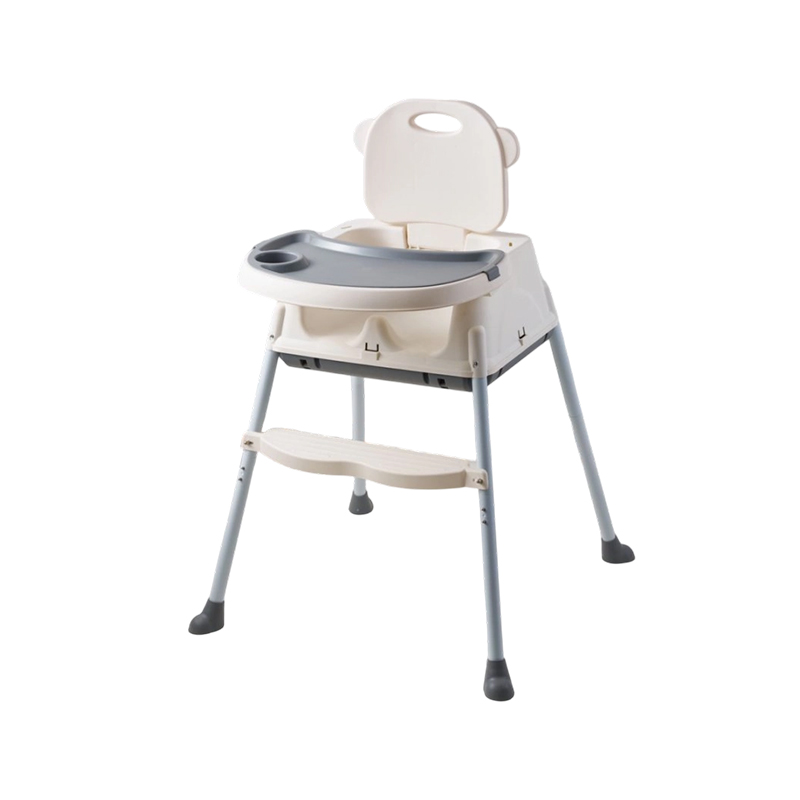 CY01 features description:1. Dining chair height is adjustable2. Multiple modes can be switched at w...View More
-
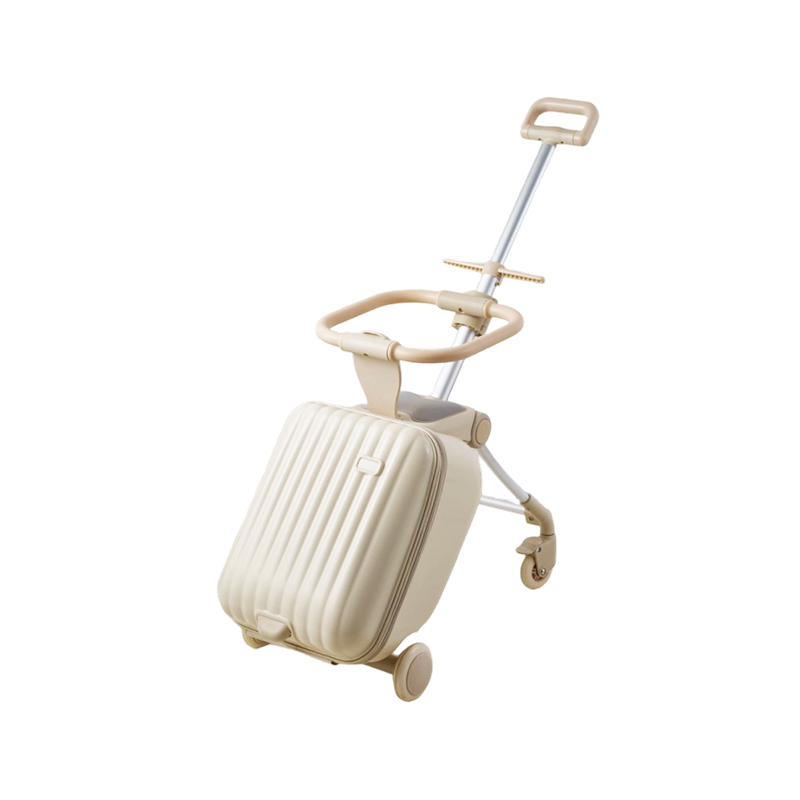 L-01 features description1. 20L, carry-on approved2. Snap-apart frame swaps modes in seconds3. Trian...View More

No. 17, Liboer Avenue, Xialixi Industrial Park, Yongkang City, Zhejiang Province, China
 +86-13345922055
 +86-18057957037
+86-18069926676
 [email protected]
 [email protected]
[email protected]
Get in Touch
Copyright © Yongkang Zhongdao Daily Necessities Co., Ltd. All Rights Reserved
OEM Baby Chair Manufacturer
