 EN
EN
 English
  Español
  Deutsch
Industry News

Industry News
How Does Custom Baby Chair Supplier Create Safe And Flexible Chair Designs
A baby chair often looks simple at first glance, but its behavior in real use is shaped by many small design decisions. Where it is placed, how often it is moved, how it is cleaned, and even how people approach it during feeding time can all change what kind of structure actually works.
In practice, a chair used in a quiet home corner does not face the same conditions as one placed in a busy dining space. Movement around it is different, timing is different, and even expectations are different. Because of this, a Custom Baby Chair Supplier has to think less about a single "ideal" shape and more about how the chair behaves in different daily situations.
What often gets overlooked is that stability, comfort, and usability are not separate layers. They influence each other. A change in material affects cleaning. A change in height affects posture. A change in base shape affects how safe the chair feels when a child shifts suddenly. These connections define how the final product is experienced rather than how it looks in design files.
Custom Baby Chair Supplier How Does A Chair Design Change From Home Use To Restaurant Use
A home environment tends to be slower and more predictable. The chair might stay in one position for long periods, often near a table that does not change. In that setting, small comfort details become more noticeable, like how smooth the surface feels or how easily crumbs can be wiped away after meals.
Restaurant use introduces a different rhythm. Chairs are moved more frequently, sometimes stored in limited space, sometimes repositioned several times a day. Staff handling also becomes part of the design consideration. A structure that feels fine at home may feel less practical when it needs repeated lifting or quick placement.
There is also the question of how the chair fits into shared space. It cannot feel too bulky, but it also cannot feel unstable when placed quickly next to different tables.
| Use Setting | Design Direction | Real Use Behavior |
|---|---|---|
| Home use | Comfort-focused layout | Stays in one area, cleaned at a slower pace |
| Restaurant use | Compact handling structure | Moved often, placed quickly, stored tightly |
| Shared use | Balanced structure | Works across different table shapes and flow |
Some adjustments are subtle rather than structural changes. A slightly narrower footprint can make movement easier. A smoother frame can reduce cleaning effort. Even the way edges are shaped affects how comfortable it feels in tight spaces. These differences matter more in daily repetition than in appearance.
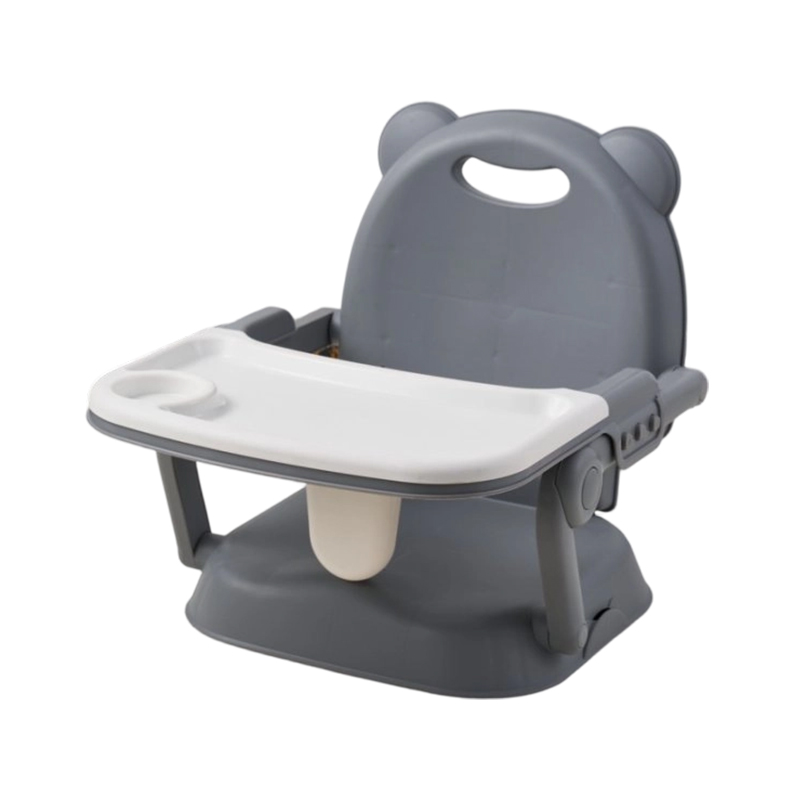
What Materials Are Commonly Chosen By Custom Baby Chair Supplier And How They Affect Daily Use
Material choice often decides how a chair feels before any other feature is noticed. It also determines how much attention the chair needs after repeated use. Some surfaces are easy to clean but feel firm. Others feel softer but require more care over time.
A Custom Baby Chair Supplier usually looks at material behavior across repeated cycles of use, not just the first impression. Food contact, moisture, cleaning agents, and temperature changes all play a role in how the surface ages.
Instead of focusing on "better or worse," material decisions usually come down to how the chair will be handled in daily life.
Common material behaviors:
- Wood tends to feel steady and visually calm, but may react differently to moisture depending on treatment.
- Plastic surfaces are easier to clean and often used in fast-paced environments.
- Metal parts usually support structure and shape consistency.
- Soft padding can improve comfort but may require more careful maintenance.
The way materials are combined matters just as much as the material itself. A hard seat with soft contact points, for example, creates a different experience than a fully rigid surface.
| Material Type | Daily Behavior | Practical Effect |
|---|---|---|
| Wood | Stable feel, natural texture | Often used in home-oriented designs |
| Plastic | Smooth cleaning surface | Suitable for frequent wipe-down routines |
| Metal frame | Structural support | Helps maintain overall shape |
| Soft padding | Comfort layer | Used in limited contact areas |
Material selection also shapes the visual tone. Lighter finishes can make a chair feel less intrusive in a room. Mixed structures can make it feel more functional and layered. These choices are usually tied to where the chair will be used rather than abstract design direction.
How Does Adjustable Height System Work In A Growing Baby Chair Structure
Height adjustment is less about complexity and more about timing. A child does not stay at the same sitting level for long, especially in early growth stages. A fixed height can quickly become less practical, even if the chair itself is still structurally sound.
Different adjustment methods exist, but they all aim to solve the same issue: keeping the seating position aligned with table use while allowing changes over time.
In many designs, adjustment is handled through mechanical steps that allow the seat or footrest to move into different positions. The important part is not how many positions exist, but how clearly the adjustment is controlled.
A few practical design points often appear:
- The adjustment point should be easy to reach without forcing awkward movement
- Locking should feel definite, not uncertain
- Once set, the position should remain steady under normal movement
- Visual clarity helps users confirm correct setup without guesswork
A Custom Baby Chair Supplier often treats this system as part of daily usability rather than a technical feature. If adjustment feels complicated, it tends to be ignored. If it feels natural, it becomes part of routine use.
The experience is usually judged in small moments: when the chair is moved closer to a table, when posture feels slightly off, or when a simple change makes sitting more balanced. These small adjustments define how useful the system actually is.
How Does A Custom Baby Chair Supplier Build Anti Tipping Structure For Real World Stability
Stability becomes noticeable only when something goes slightly wrong. A child leaning too far, turning suddenly, or shifting weight unevenly can reveal how the structure responds in real time. That response is where anti tipping design becomes meaningful.
Instead of relying on a single solution, stability is usually built through several connected decisions in shape and balance.
Key structural ideas often include:
- A base that spreads weight outward instead of concentrating it
- A center of gravity kept low enough to reduce sudden tilt
- Frame geometry that resists side pressure during movement
- Joint points that avoid looseness over repeated use
Real stability is not about a static condition. It is about how the chair reacts during motion. A chair that stays steady when empty but shifts during use is less predictable in daily environments.
In practical use, stability is tested in small actions rather than extreme conditions. A child climbing in, turning toward food, or leaning sideways during feeding can all create uneven force. A stable structure reduces the impact of those movements without requiring user attention.
When a Custom Baby Chair Supplier designs around these behaviors, the result tends to feel more consistent in real environments, especially where movement is frequent and supervision is not constant.
Why Safety Testing Steps Matter In Every Stage Of Baby Chair Manufacturing Process
Safety checks in baby chair production are not something that only appears at the end. In many factories, it starts much earlier than people expect. Raw materials already go through basic checks before anything is shaped. Later, when parts start forming into structure, the focus shifts again.
A Custom Baby Chair Supplier usually treats these steps as part of normal flow rather than a separate inspection line. What matters is not only whether something passes, but how early a small issue can be noticed before it spreads into later stages.
During production, different points tend to reveal different risks. Material behavior is one. Joint stability is another. Even surface treatment can create unexpected issues if it reacts differently under cleaning or pressure.
Instead of one final inspection moment, the process tends to feel more like repeated confirmation. Each stage removes uncertainty in a different way.
Typical checkpoints appear around:
- raw material selection and consistency check
- structure connection after assembly
- surface handling after finishing work
- final movement and stability behavior
None of these steps feels isolated. One result always influences the next stage, so adjustments often happen along the way instead of waiting until the end.
What Happens Inside A Baby Chair Factory From Raw Material To Finished Product Flow
Inside a baby chair factory, the flow is less dramatic than it sounds, but it is very continuous. Materials move, pause briefly, get shaped, then move again. The interesting part is not speed, but how each section depends on the previous one being stable.
A Custom Baby Chair Supplier usually organizes production so that no stage feels completely separate. Even when different teams handle different steps, the product still moves as one chain.
The process often feels like this:
| Stage | What actually happens | What matters in practice |
|---|---|---|
| Material entry | Basic checking and preparation | Avoiding inconsistent input |
| Shaping work | Parts take form through molds or cutting | Keeping structure predictable |
| Assembly flow | Pieces are joined into full chair | Alignment between parts |
| Surface handling | Cleaning, smoothing, finishing touch | Comfort in daily contact |
What is not always visible is the small adjustments between stages. A part may be slightly corrected before assembly. A joint may be tightened differently depending on fit. These small actions do not change the design, but they affect how stable the chair feels later.
Production is not only about making parts, but about keeping all small tolerances aligned long enough for assembly to stay smooth.
Which Custom Options Matter Most When Working With A Baby Chair Supplier For Branding Projects
Customization in baby chairs is often misunderstood as surface-level change. In reality, branding-related adjustments can reach deeper than color or logo placement. The challenge is that any visible change still has to respect how the chair is used.
A Custom Baby Chair Supplier usually separates customization into visible elements and structural elements, even if they eventually come together in one product.
Visible adjustments often include surface tone, branding position, or overall visual style. Structural adjustments may include seat proportion, backrest angle, or how parts connect.
Not all projects require both. Some stay close to existing structure, while others adjust more deeply depending on usage environment.
The more practical adjustments usually look like:
- shifting seat proportion slightly for comfort alignment
- adjusting surface texture for easier cleaning behavior
- changing frame thickness in key support areas
- placing identity marks away from contact zones
These choices are rarely independent. Changing one detail often affects how another behaves during use, especially in repeated handling environments.
The goal is usually not to redesign the chair, but to make sure it still behaves consistently while carrying a different visual identity.
Which Design Choices Help A Baby Chair Work Better In Different Market Requirements
Different markets tend to shape different expectations, even for the same type of baby chair. In some places, space limitation influences structure more strongly. In others, cleaning habits or handling style play a bigger role.
Because of this, design decisions are often adjusted rather than replaced.
A Custom Baby Chair Supplier usually responds by shifting proportions, simplifying certain elements, or reinforcing areas that are used more frequently in specific environments.
Common adjustments include:
- base width change depending on placement space
- simplification of surface structure for faster cleaning
- reinforcement at stress points for frequent movement use
- adjustment of seat angle for different table interaction styles
These changes are not separate layers. If one part becomes more compact, another area often needs more stability support. If cleaning becomes easier, surface texture must be reconsidered at the same time.
Market differences are not only about preference. They also come from how people physically interact with the chair during daily routines. Some environments involve frequent moving and repositioning. Others keep the chair in a fixed spot for long periods.
Over time, these differences shape how a product line is adjusted, not through major redesign, but through small structural tuning that keeps the chair usable in different conditions.
NEXT:How Does Baby Chair Factory Direct Supplier Support Custom Design
-
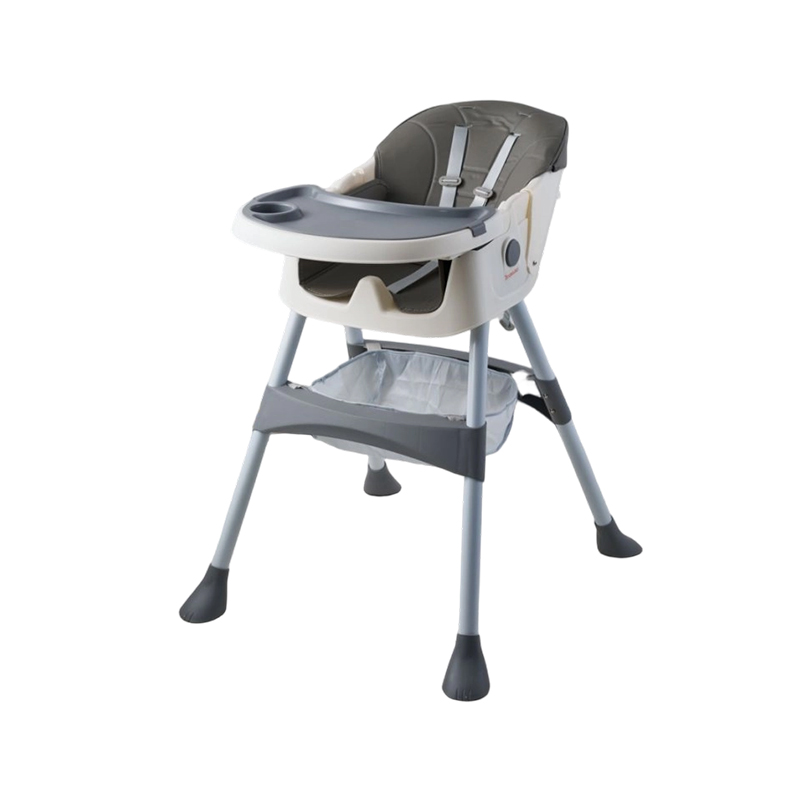 CY12 Features Description:1. No installation required, ready to use straight out of the box2. Can be...View More
-
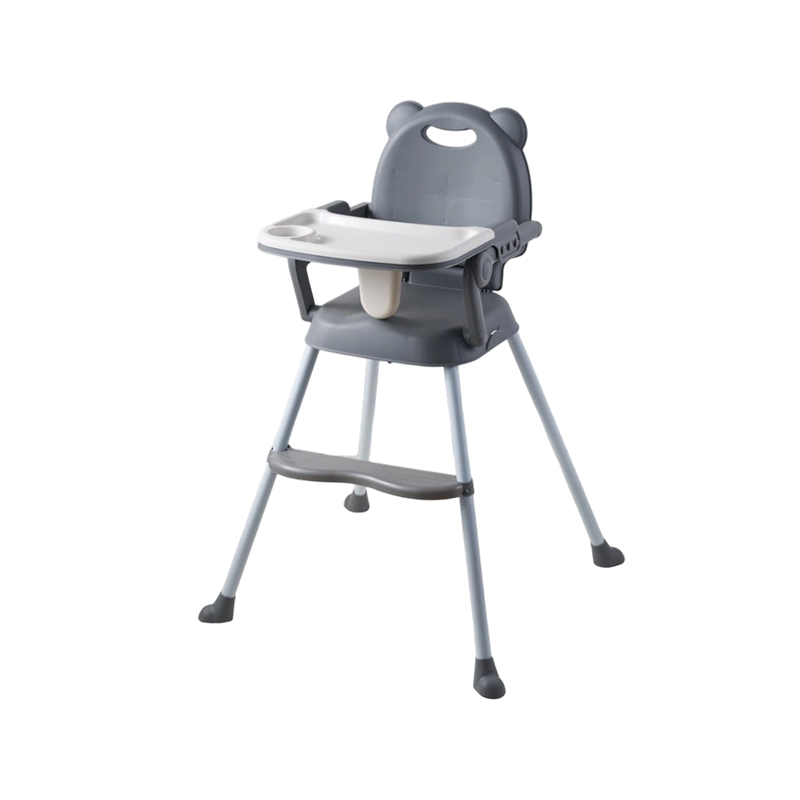 CY05 features description:1. Dining chair height is adjustable2. Multiple modes can be switched at w...View More
-
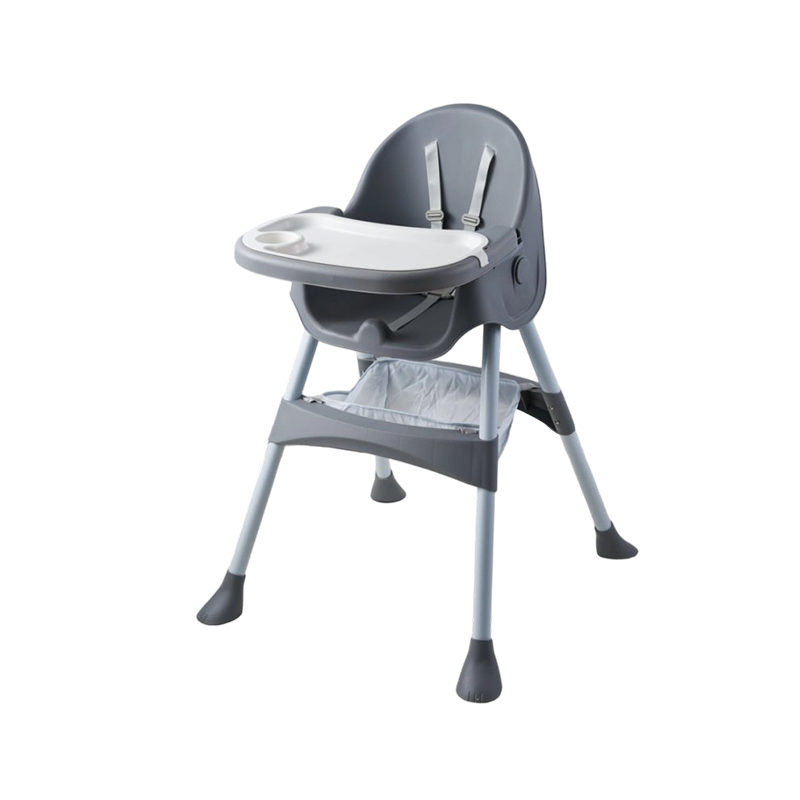 CYO3 Features:1. Dining chair height is adjustable2. Multiple modes can be switched at will3. Three-...View More
-
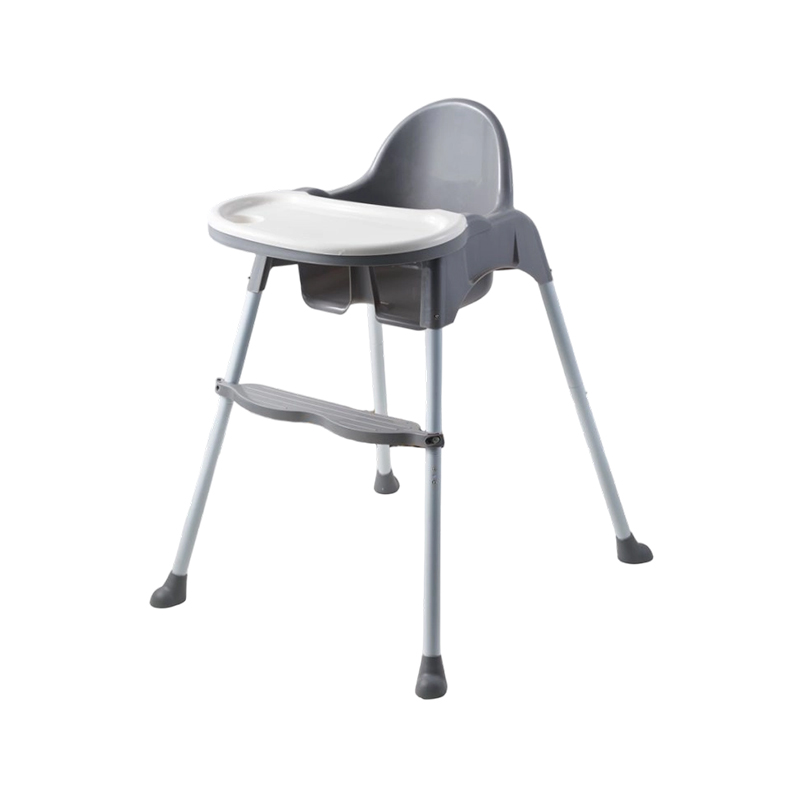 CY02 features description:1. Dining chair height is adjustable2. Multiple modes can be switched at w...View More
-
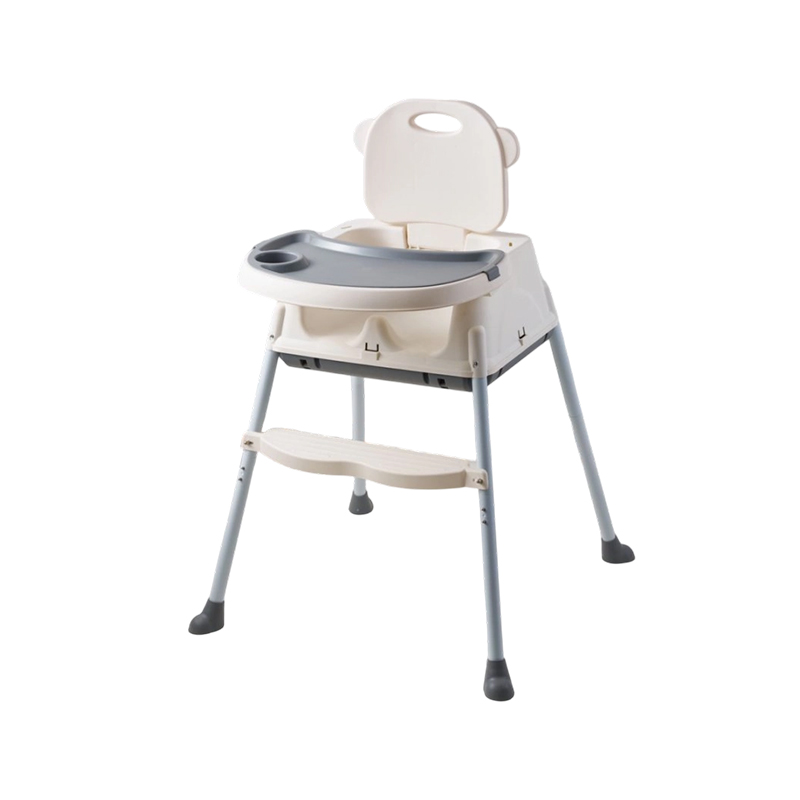 CY01 features description:1. Dining chair height is adjustable2. Multiple modes can be switched at w...View More
-
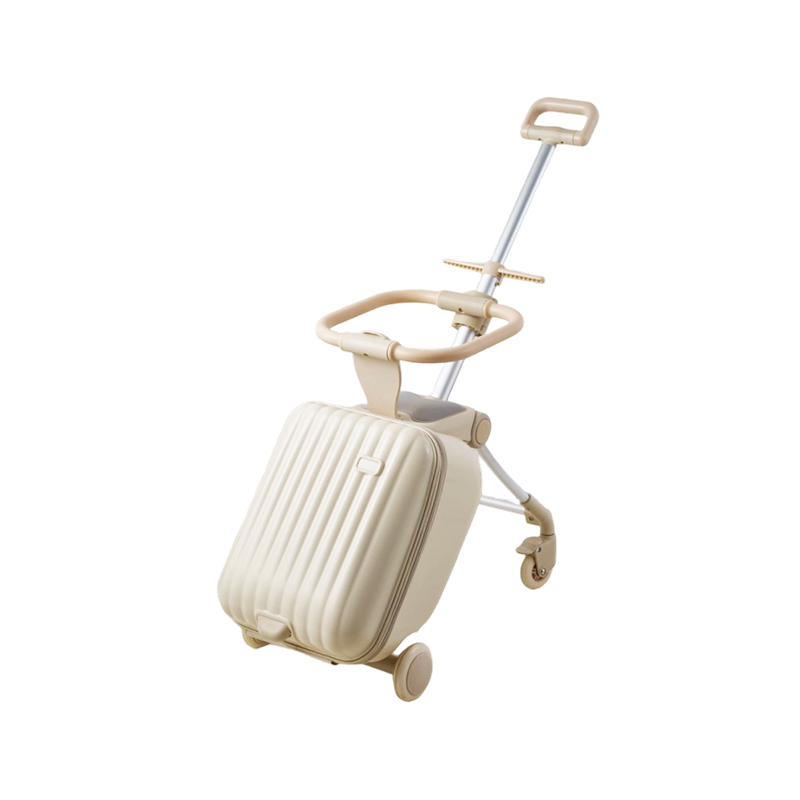 L-01 features description1. 20L, carry-on approved2. Snap-apart frame swaps modes in seconds3. Trian...View More

No. 17, Liboer Avenue, Xialixi Industrial Park, Yongkang City, Zhejiang Province, China
 +86-13345922055
 +86-18057957037
+86-18069926676
 [email protected]
 [email protected]
[email protected]
Get in Touch
Copyright © Yongkang Zhongdao Daily Necessities Co., Ltd. All Rights Reserved
OEM Baby Chair Manufacturer
