 EN
EN
 English
  Español
  Deutsch
Industry News

Industry News
How Does Baby Chair Factory Direct Supplier Support Custom Design
In baby chair manufacturing, design work does not stay isolated on paper. It tends to shift through conversations, samples, and physical adjustments before a product becomes stable enough for production. When the same environment connects both design input and manufacturing execution, the gap between idea and structure becomes smaller.
A Baby Chair Factory Direct Supplier often operates in this connected way. Design intent, material choice, and assembly behavior are handled in the same workflow rather than being passed across separate layers. That changes how customization behaves in practice, especially when shape, safety, and usability all need to stay aligned.
What Defines Baby Chair Factory Direct Supplier and How It Shapes Product Value
The idea behind a Baby Chair Factory Direct Supplier is not complicated, but its effect on product development is noticeable. Design communication moves directly into production discussion, without long detours through intermediaries.
In that setting, product value is influenced less by presentation and more by how well design decisions survive the transition into physical form.
Some characteristics often appear in this structure:
- Design feedback reaches production teams in a direct form
- Sample adjustments happen closer to manufacturing conditions
- Structural feasibility is considered while concepts are still forming
- Packaging and assembly concerns are discussed earlier than usual
Rather than treating design as something separate, it becomes part of the same environment where products are made.
| Stage of Work | Direct Factory Structure | Separated Structure |
|---|---|---|
| Design input | Shared directly with production | Passed through multiple layers |
| Sample review | Adjusted in close coordination | Requires repeated communication |
| Material choice | Linked with production behavior | Often revised later |
| Final adjustment | Handled internally | Dependent on external feedback |
The difference is not only procedural. It affects how close the final product stays to the original intent.
A Supplier usually treats product development as a continuous loop rather than a set of isolated steps. That shape of workflow often reduces confusion between what is designed and what can actually be built.
How Baby Chair Factory Direct Supplier Manages the Full Process from Design to Shipment
From early sketches to packed goods, the flow inside this type of system tends to stay connected. Information does not shift between unrelated departments but moves through a single chain of decisions.
A typical progression may include:
- Initial discussion around structure and usage environment
- Early sample formation to test shape and support balance
- Adjustments made after physical handling and feedback
- Material alignment based on strength and surface behavior
- Packaging shaped around transport and stacking needs
What stands out is not speed, but continuity. Each stage responds to the one before it, and adjustments rarely happen in isolation.
For example, a change in seat angle may also affect stability checks or material thickness. These connections are handled internally, without needing to restart communication from scratch.
Within Baby Chair Factory Direct Supplier systems, this continuity helps maintain consistency between design expectation and production output.
Why Material Selection Matters in Baby Chair Factory Direct Supplier Manufacturing
Material choice is often treated as a technical step, but in practice it shapes how far a design can be adjusted. A slight difference in material behavior can change how joints fit, how surfaces feel, or how stable a structure becomes.
In baby chair production, materials are usually selected with both appearance and behavior in mind:
- Plastic materials allow flexible shaping and smoother finishes
- Metal frames contribute to structural definition and load handling
- Fabric elements influence comfort in contact areas
- Combined materials create balance between rigidity and softness
The interaction between materials is just as important as the material itself. A stable frame may still feel unsuitable if surface contact is not considered during design.
At the same time, production behavior matters. Some materials respond better to repeated molding or assembly steps, while others require more controlled handling.
A Baby Chair Factory Direct Supplier often evaluates material choices together with structural planning rather than treating them separately. This helps reduce later adjustments that could affect production flow.
Which Safety and Testing Standards Are Commonly Used in Baby Chair Factory Direct Production
Safety is not treated as a final checkpoint alone. It is usually embedded in the development cycle, especially when customization is involved.
When structural or design changes appear, they tend to trigger review of several areas:
- Stability during uneven weight placement
- Strength of connection points and joints
- Reliability of restraint components
- Surface finish and edge handling
- Consistency of material behavior across parts
These checks are not always linear. A small design modification can influence more than one aspect at the same time, which is why testing and design review often overlap.
In many Baby Chair Factory Direct Supplier workflows, testing is repeated during development rather than only at completion. That allows design adjustments to stay aligned with functional requirements instead of drifting away during iteration.
How OEM and ODM Options Work in Baby Chair Factory Direct Supplier Cooperation
In custom manufacturing, OEM and ODM are often treated as two separate routes, but in practice they sit on the same spectrum of control. The difference lies in how much of the product direction already exists before production begins.
An OEM setup usually follows buyer-provided ideas, drawings, or sample references. ODM works differently. It starts from a structure that already exists in the factory and then adapts it for new use, appearance, or branding needs. For a Direct Supplier, both paths can support customization, but they serve different kinds of projects.
| Cooperation Type | Main Starting Point | Typical Use | Level of Design Input |
|---|---|---|---|
| OEM | Buyer concept or sample | New structure or brand-specific request | Higher |
| ODM | Existing factory model | Faster adaptation with limited changes | Moderate |
The practical difference is often seen in the amount of revision needed during sampling. OEM may require more back-and-forth because the product is being shaped from a more defined buyer direction. ODM can move with fewer steps when the base design already matches the intended use.
In both cases, communication matters more than labels. A Baby Chair Factory Direct Supplier still needs clear notes on shape, support points, materials, and finish details before the work moves forward.
Which Customization Choices Are Available in Production
Customization in baby chair production is usually wider than color changes alone. It can touch the structure, the surface, the way the product folds, and even the way parts are assembled.
Common choices often include:
- Seat shape and backrest angle
- Frame style and support layout
- Surface finish and color matching
- Tray design and attachment method
- Cushion type and fabric selection
- Logo placement and packaging format
Some requests stay simple, while others require a recheck of the whole build. A change in the seat profile, for example, may affect the balance of the frame. A different tray connection may influence how the chair is cleaned or stored.
This is where working with a Baby Chair Factory Direct Supplier can be useful, because design changes and production review happen in the same environment. That does not remove complexity, but it makes the adjustment path more direct.
The useful part of customization is not simply variety. It is whether the product still fits the intended use after the changes are made.
How to Evaluate a Reliable Supplier Before Long Term Cooperation
Before a long working relationship begins, the key question is whether the supplier can handle repeated requests with steady results. A single sample tells only part of the story. The larger issue is whether communication, sampling, and production stay consistent over time.
A few practical points usually matter:
- Response clarity when design notes are sent
- Willingness to revise samples with detail
- Consistency between sample and later production
- Ability to explain material and structure choices
- Care in packaging and part handling
A factory may look organized on paper, but the real test often comes when a project needs adjustment. Delays in feedback, vague answers, or changing interpretations of the same request can signal weak coordination.
A Baby Chair Factory Direct Supplier should be able to discuss both what can be changed and what should remain fixed. That balance usually says more than polished presentation.
It also helps to check whether the supplier keeps design, production, and packing aligned within the same working flow. When those parts are separated too widely, the risk of mismatch increases.
What Buyers Should Know About MOQ and Production Planning
Order planning affects customization more than many buyers expect. Smaller orders often allow less room for structural variation, while larger batches may support more stable planning around color, packaging, and component use.
MOQ is not only a number. It often reflects how the factory organizes materials, labor, and line setup. If a request needs special parts or altered assembly, the production plan may need to shift as well.
In a Baby Chair Factory Direct Supplier setting, that means order size and timing can influence the shape of the final product. A buyer asking for several changes at once may need to align those requests with the available production flow.
What usually matters here is the relationship between three things: product design, order volume, and production readiness. When these are aligned, the process tends to move more smoothly. When they are not, even a simple request may require extra adjustment.
That is why buyers often benefit from sharing the intended use, preferred structure, and packaging needs early in the discussion. It gives the factory a clearer basis for planning without forcing late revisions.
NEXT:How Does a Plastic Baby Dining Chair Supplier Ensure Safety and Quality
-
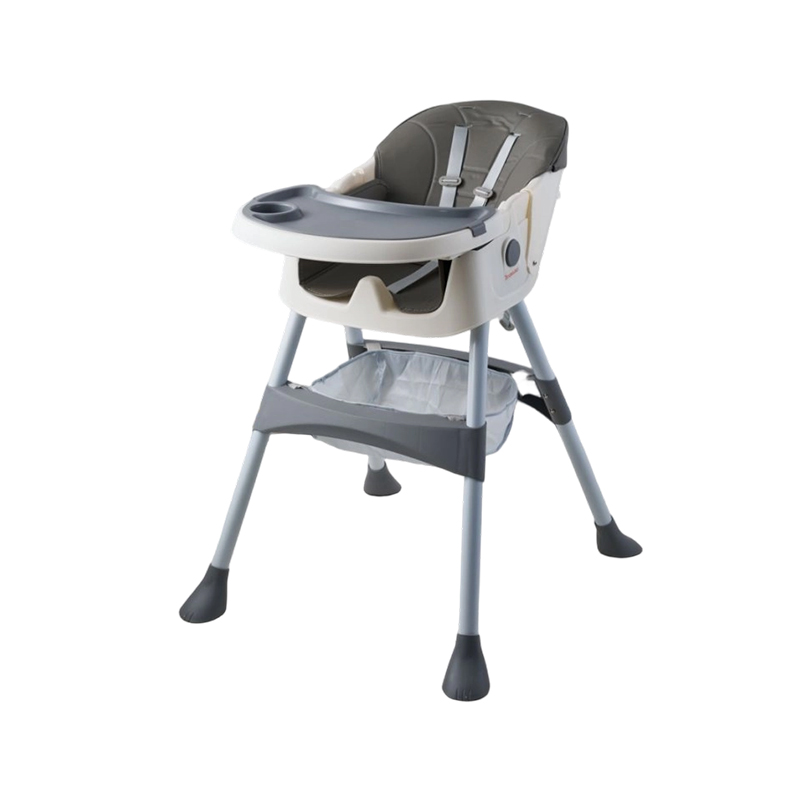 CY12 Features Description:1. No installation required, ready to use straight out of the box2. Can be...View More
-
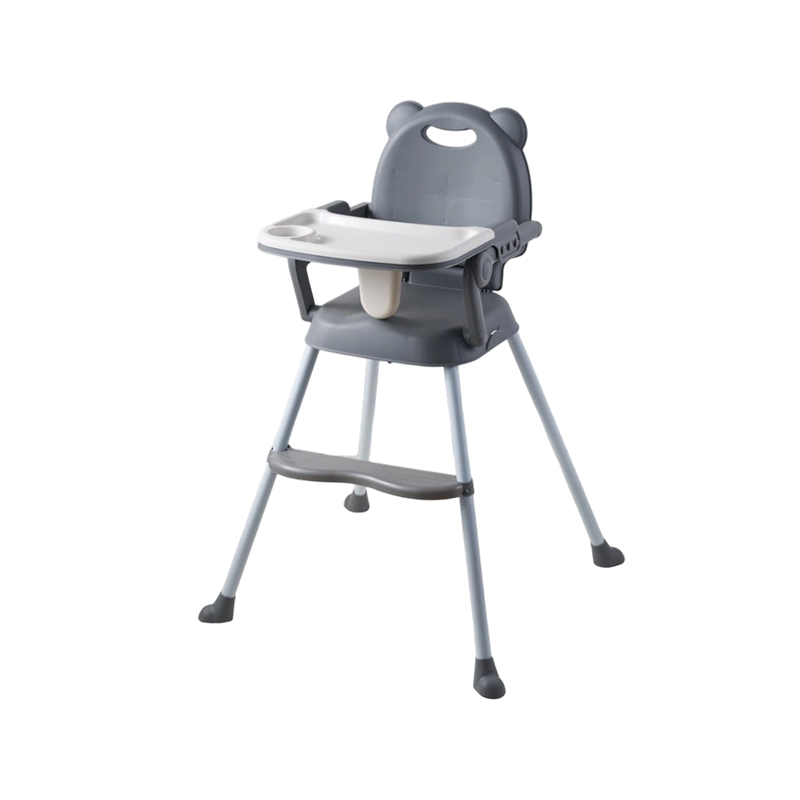 CY05 features description:1. Dining chair height is adjustable2. Multiple modes can be switched at w...View More
-
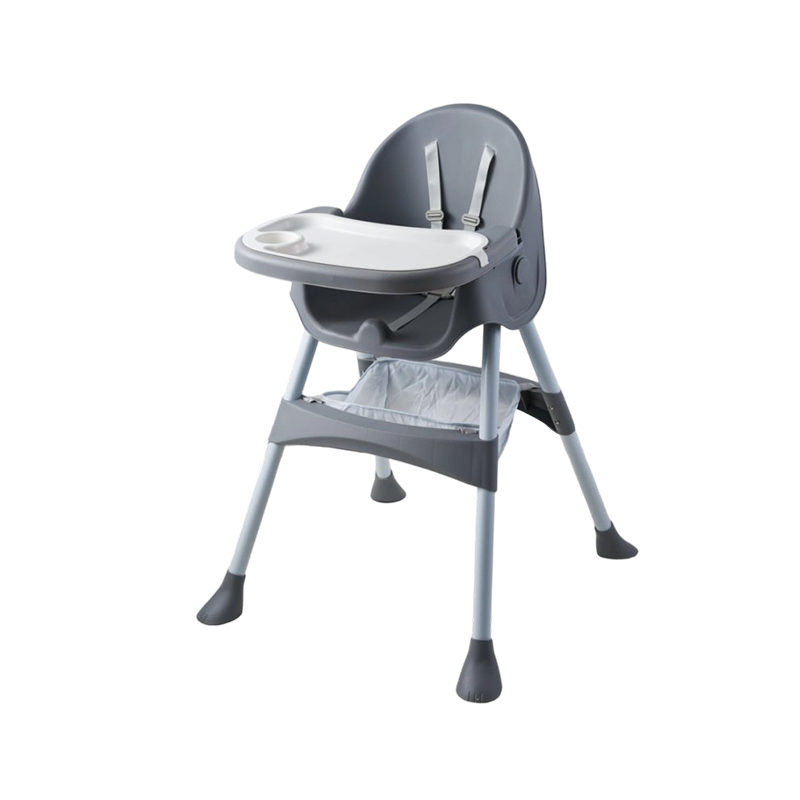 CYO3 Features:1. Dining chair height is adjustable2. Multiple modes can be switched at will3. Three-...View More
-
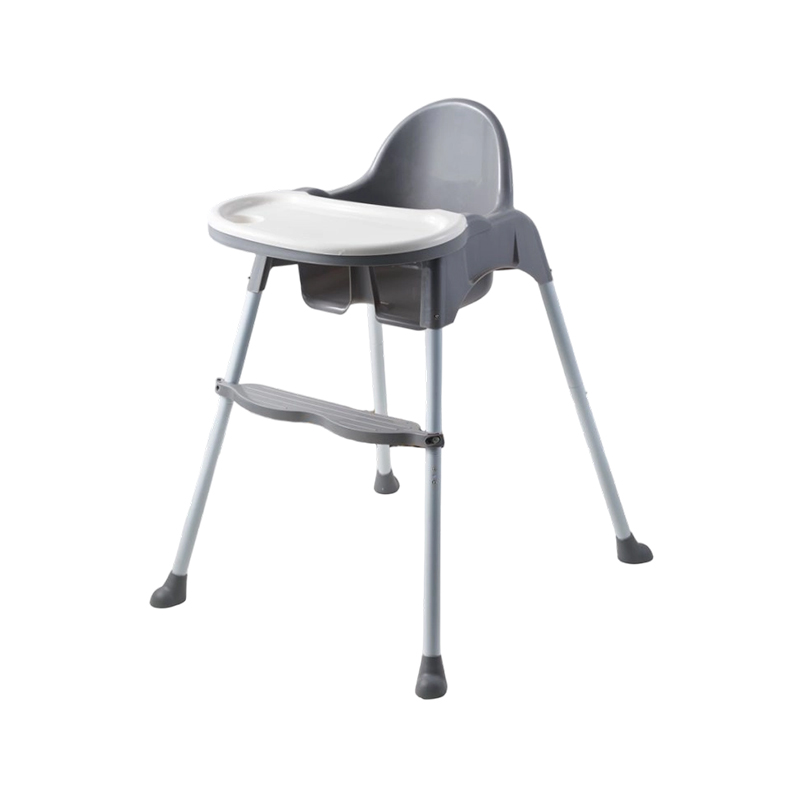 CY02 features description:1. Dining chair height is adjustable2. Multiple modes can be switched at w...View More
-
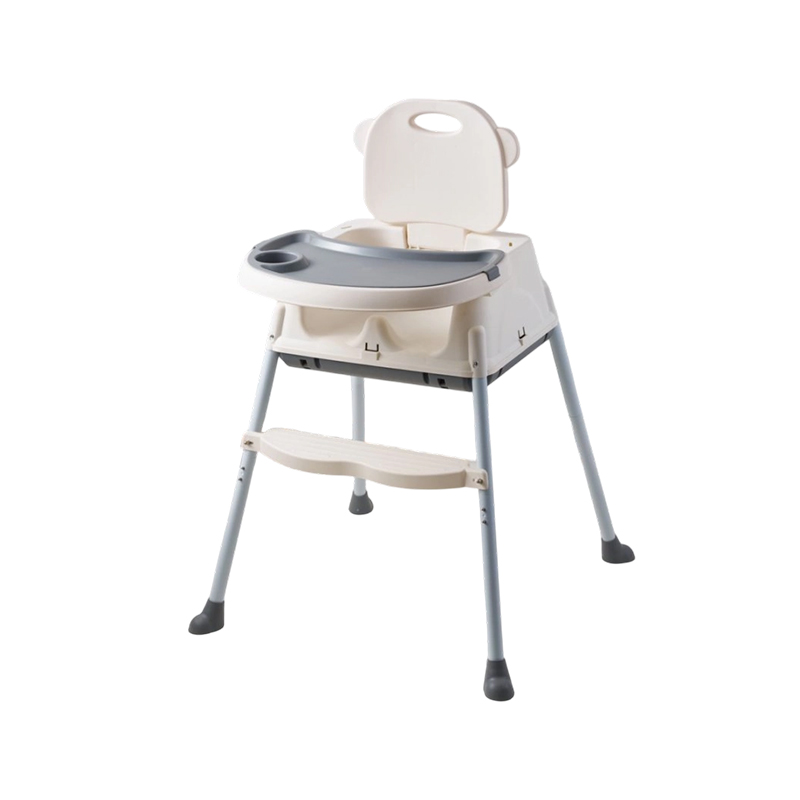 CY01 features description:1. Dining chair height is adjustable2. Multiple modes can be switched at w...View More
-
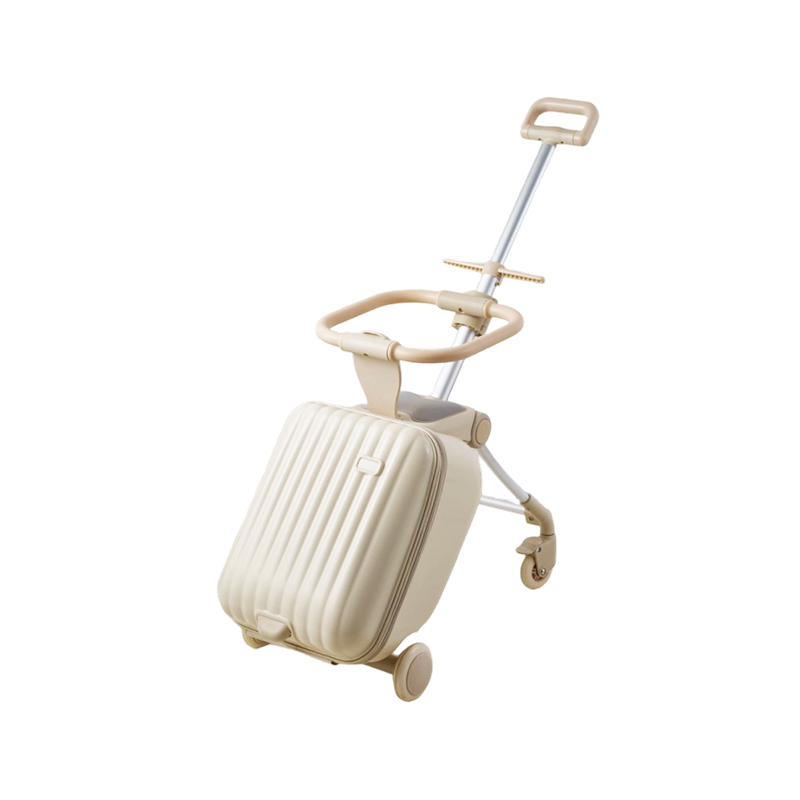 L-01 features description1. 20L, carry-on approved2. Snap-apart frame swaps modes in seconds3. Trian...View More

No. 17, Liboer Avenue, Xialixi Industrial Park, Yongkang City, Zhejiang Province, China
 +86-13345922055
 +86-18057957037
+86-18069926676
 [email protected]
 [email protected]
[email protected]
Get in Touch
Copyright © Yongkang Zhongdao Daily Necessities Co., Ltd. All Rights Reserved
OEM Baby Chair Manufacturer
