 EN
EN
 English
  Español
  Deutsch
Industry News

Industry News
Why Choose a Kids Travel Suitcase with Wheels for Travel Use
Travel with children usually involves more preparation than it first appears. Small items need to be easy to carry, and movement between places is rarely predictable. In that context, a Kids Travel Suitcase with Wheels is often used as a simple way to manage personal belongings without adding extra handling pressure.
What matters in practice is not only storage space, but how the suitcase behaves during short walks, waiting periods, and quick transitions. Some situations require frequent stopping and starting, while others involve longer continuous movement. The suitcase experience changes with these patterns.
Different Age Suitcase Sizes for Kids Travel Suitcase with Wheels Use
Age tends to shape how a suitcase is used more than how it is chosen. Younger children usually interact with luggage in a direct way, meaning they react to weight and size immediately rather than adjusting their movement style.
With slightly older children, handling becomes more flexible. They may not notice small changes in size, but still respond to how stable the suitcase feels when rolling.
A Kids Travel Suitcase with Wheels often becomes either easy to adopt or quickly ignored depending on this balance between size and handling comfort.
In real use, differences are usually visible in small behaviors rather than formal categories:
- stopping more often when pulling
- switching hands or direction without planning
- adjusting posture while walking
These small signals often reflect whether the size feels natural in motion.
How Lightweight Design in Kids Travel Suitcase with Wheels Helps Kids Move Easily
Weight is usually noticed first when a child starts moving the suitcase. Even a small difference can change how often it is dragged, lifted, or briefly abandoned.
In many cases, lighter designs do not feel "lighter" in a technical sense, but rather reduce interruptions during movement. The walking rhythm becomes less broken, especially in environments where stopping is frequent.
A Kids Travel Suitcase with Wheels with balanced weight distribution tends to behave more predictably when pulled at different angles. This is noticeable when turning corners or moving through narrow spaces.
Common situations where weight becomes more relevant include:
- short distance walks between waiting areas
- lifting into seats or storage compartments
- quick direction changes in crowded areas
The effect is less about strength and more about continuity of movement.
Which Wheel Design Works Best for Kids Travel Suitcase with Wheels on Different Surfaces
Wheel movement rarely feels the same across different ground conditions. A surface that feels smooth at first may still create small variations in resistance depending on direction and speed.
Indoors, rolling tends to stay consistent, though turns can feel slightly sharper than expected. In wider open spaces, movement is easier to maintain, but direction control becomes more noticeable.
Outdoor paths introduce irregular contact points. In those moments, the suitcase may shift slightly or slow down without warning.
| Surface condition | What usually happens | What users notice |
|---|---|---|
| smooth indoor areas | steady rolling with minor direction changes | easy forward movement |
| mixed walking areas | occasional adjustment in direction | need for small corrections |
| uneven outdoor paths | interrupted rolling rhythm | variation in stability |
A Kids Travel Suitcase with Wheels often feels different not because of speed, but because of how often adjustments are needed during movement.
What Features Make Kids Travel Suitcase with Wheels Easy for Independent Use
Independent use often develops when a suitcase does not require explanation during use. If a child can open it, close it, and pull it without repeated guidance, interaction becomes more natural over time.
Small design details influence this more than it seems. A handle that adjusts without effort, or a compartment that opens without confusion, can change how often assistance is needed.
A Kids Travel Suitcase with Wheels usually feels easier to handle when actions follow a simple sequence rather than multiple steps.
In real travel situations, independence often shows up in quiet ways:
- packing without asking
- adjusting the handle while walking
- opening the suitcase during short stops
These behaviors tend to appear when the structure matches natural movement rather than requiring instruction.
How Internal Layout in Kids Travel Suitcase with Wheels Builds Packing Habits in Children
Internal layout influences not only how things fit, but how children think about packing. When the inside of the suitcase is easy to read, it becomes simpler to place items in a repeated order instead of treating every trip as a new task.
Some layouts invite a loose approach, while others gently guide placement. That difference can matter for children who are still learning how to separate clothes, small items, and personal belongings. A familiar layout often reduces confusion during both packing and unpacking.
| Internal layout style | Typical packing behavior | What children may notice |
|---|---|---|
| single open space | items are placed quickly | easy to start, less structure |
| divided sections | items are grouped by use | more order, clearer placement |
| small pocket space | small belongings stay separate | easier to find small items |
| strap-based layout | clothing stays in place | fewer shifts during movement |
A Kids Travel Suitcase with Wheels that gives the child a clear internal structure often encourages repeated packing habits. Over time, that can make preparation feel less scattered and more familiar.
The effect is usually subtle. Children may not describe it in technical terms, but they often respond to whether the inside feels easy to navigate.
Why Design of Kids Travel Suitcase with Wheels Influences Kids Interest in Travel
Children often react to what feels inviting before they respond to what is practical. If the suitcase feels awkward or hard to move, it may stay in the background. If it feels easy to handle, it becomes part of the travel routine.
Design affects that response in several ways. Shape, color balance, and the way the suitcase moves can all affect whether a child wants to interact with it. The suitcase does not need to look complicated to create interest. In many cases, a simple and clear design is easier for children to accept.
A Kids Travel Suitcase with Wheels can also shape how a child feels about packing itself. When the process feels manageable, children often show more willingness to take part. That does not mean travel becomes effortless, but the suitcase no longer feels like a barrier.
This usually shows up in small moments:
- the child reaches for the suitcase without being asked
- the child wants to open it and place items inside
- the suitcase becomes part of the routine rather than something separate from it
Those signs are modest, but they matter. They show whether the design fits the child’s own pace.
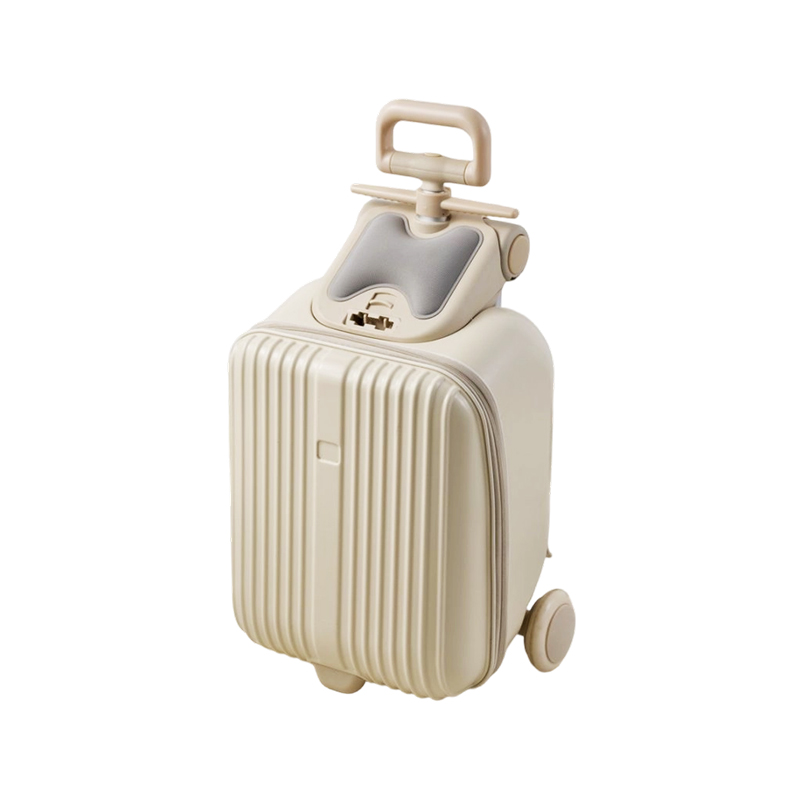
How to Select Kids Travel Suitcase with Wheels for Different Travel Scenarios
Travel scenarios are not all the same, so the suitcase does not need to behave the same way in every setting. A short family trip, a school overnight stay, and a longer transfer day all place different expectations on movement and storage.
For short outings, a compact structure may be enough. For longer movement across terminals or waiting spaces, smoother rolling and easier handling may matter more. When storage needs vary, internal space and organization become more noticeable.
A simple way to think about selection is to match the suitcase to the travel pattern rather than the appearance alone.
- short trips often call for simple packing space
- longer movement usually puts more pressure on wheel comfort
- indoor travel may favor smoother handling
- mixed travel conditions may require steadier control
A Kids Travel Suitcase with Wheels that fits one travel style well may feel less suitable in another. That is why use context matters as much as size or shape.
In product development, these practical differences are also where feedback tends to be most useful. The direction of that work can be seen in companies such as Yongkang Zhongdao Daily Necessities Co., Ltd., where travel-related daily-use items are shaped around real handling needs rather than loose assumptions.
NEXT:What Should You Know About a High Chair 6 Months to 3 Years
-
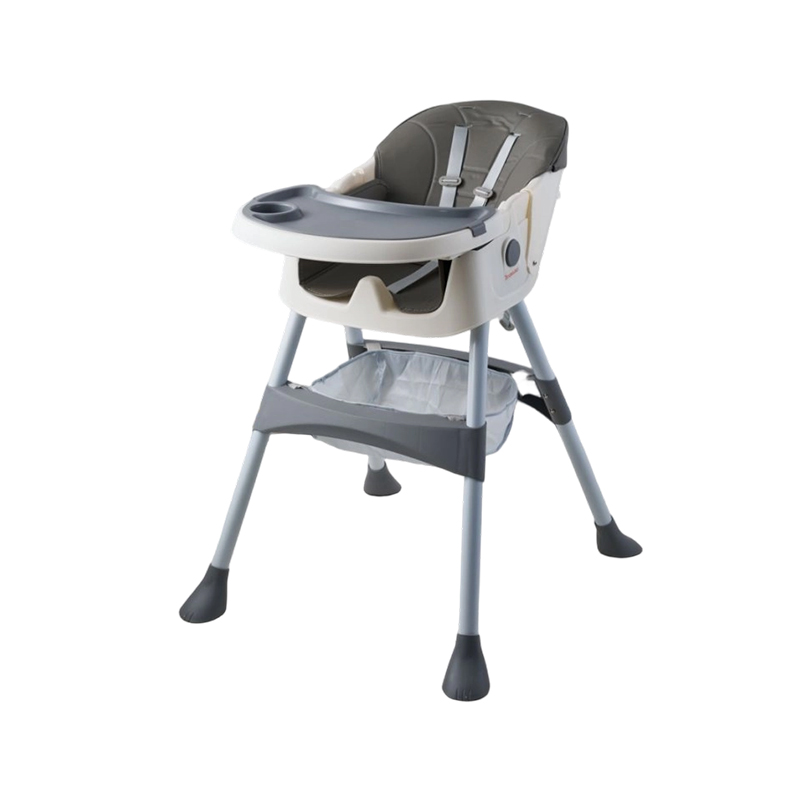 CY12 Features Description:1. No installation required, ready to use straight out of the box2. Can be...View More
-
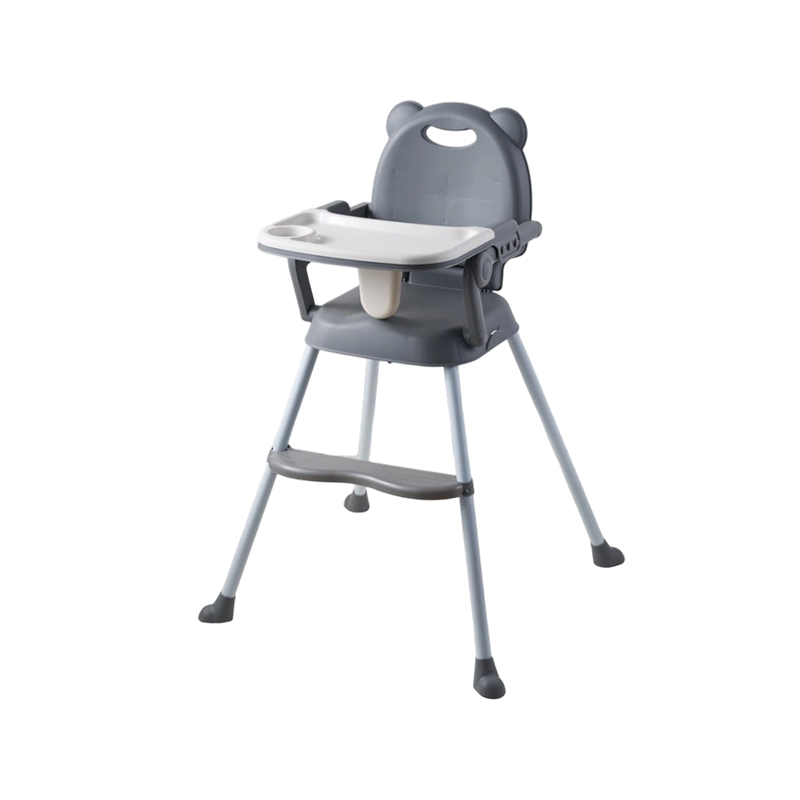 CY05 features description:1. Dining chair height is adjustable2. Multiple modes can be switched at w...View More
-
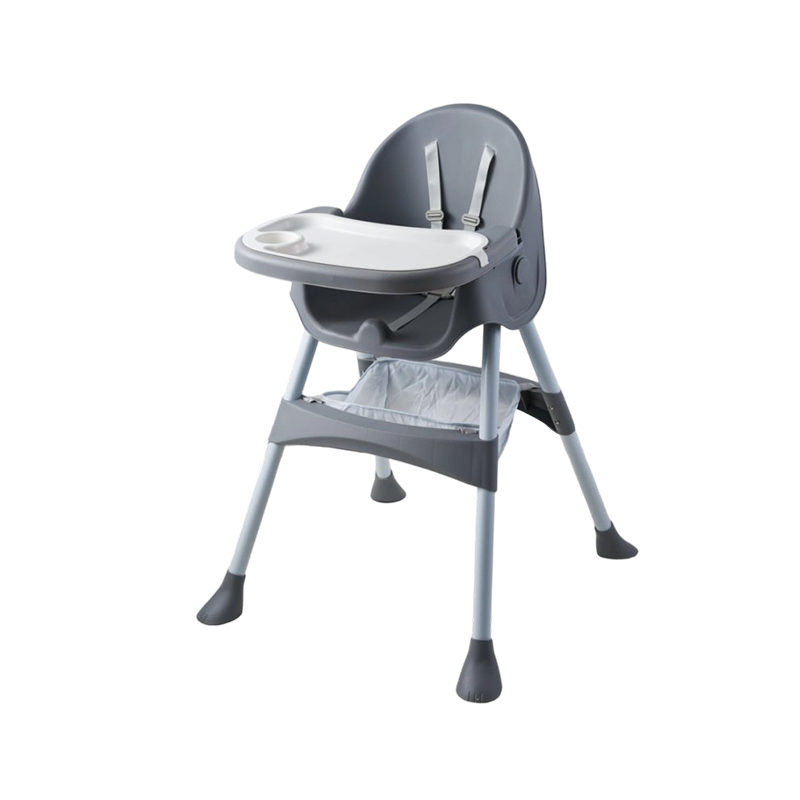 CYO3 Features:1. Dining chair height is adjustable2. Multiple modes can be switched at will3. Three-...View More
-
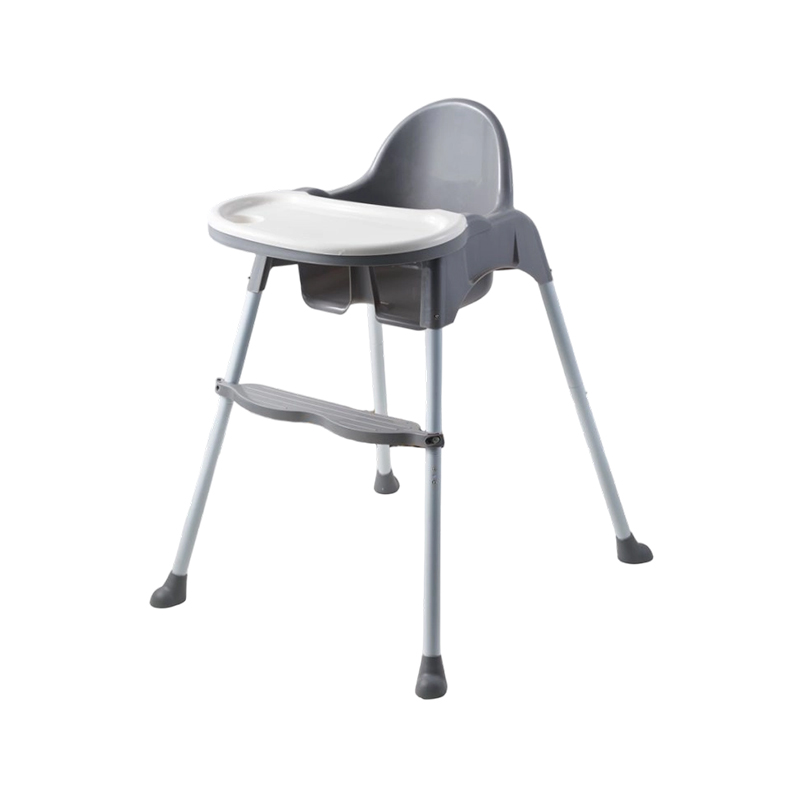 CY02 features description:1. Dining chair height is adjustable2. Multiple modes can be switched at w...View More
-
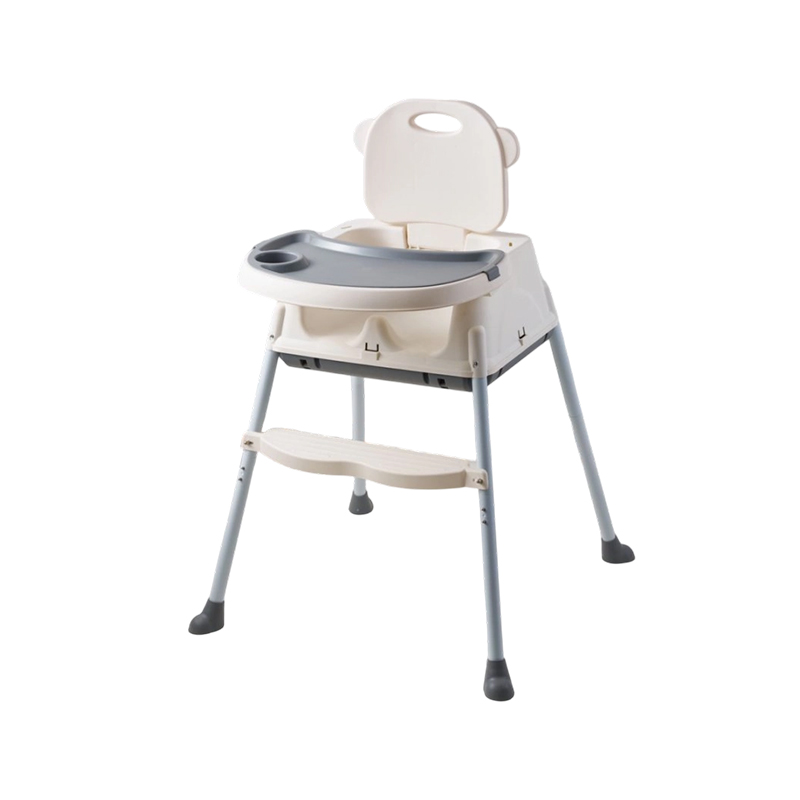 CY01 features description:1. Dining chair height is adjustable2. Multiple modes can be switched at w...View More
-
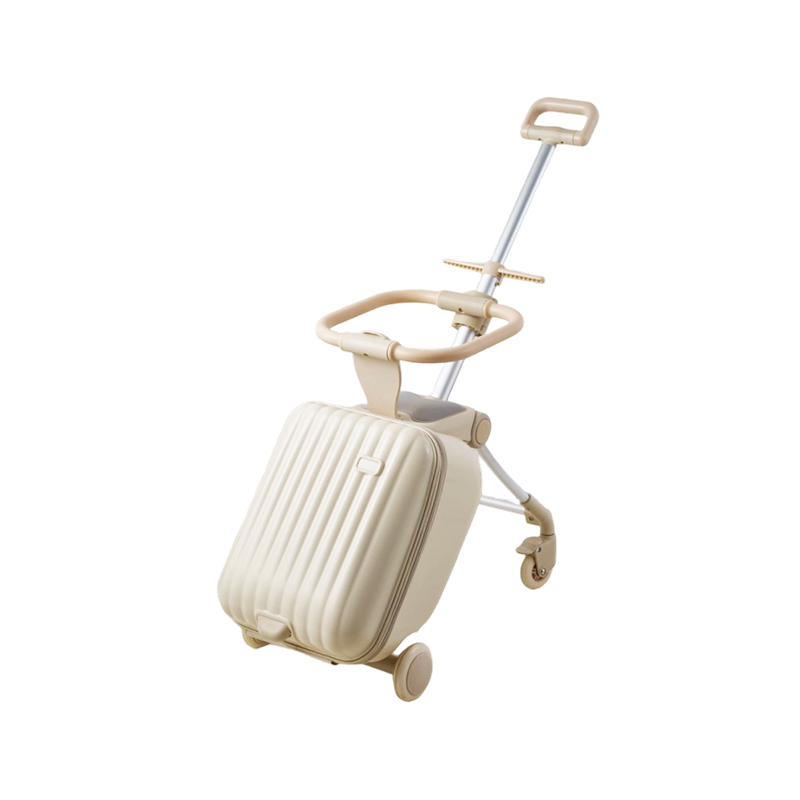 L-01 features description1. 20L, carry-on approved2. Snap-apart frame swaps modes in seconds3. Trian...View More

No. 17, Liboer Avenue, Xialixi Industrial Park, Yongkang City, Zhejiang Province, China
 +86-13345922055
 +86-18057957037
+86-18069926676
 [email protected]
 [email protected]
[email protected]
Get in Touch
Copyright © Yongkang Zhongdao Daily Necessities Co., Ltd. All Rights Reserved
OEM Baby Chair Manufacturer
