 EN
EN
 English
  Español
  Deutsch
Industry News

Industry News
Why Does a Baby High Chair Manufacturer Focus on Part Fit
A baby high chair may appear to be a simple product when viewed as a finished item. Once production begins, however, many separate parts have to come together in a controlled way. The seat, tray, support pieces, adjustment parts, and other components each have their own shape and position. A small difference in one part can change how another part sits against it.
Part fit is therefore connected with much more than appearance. It can affect assembly, movement, cleaning, storage, and the way different components work together. For a Baby High Chair Manufacturer, paying attention to fit also means paying attention to what happens before assembly. Material selection, molding, part dimensions, mold condition, and production handling can all influence the final relationship between components.
Rather than treating fit as a final inspection point, manufacturers can consider it throughout product development and production. Looking at the issue step by step makes it easier to see why a seemingly small gap or tight connection can require attention.

Why Can High Chair Parts Have Uneven Gaps After Molding
Uneven gaps can appear when two parts that should meet in a similar way do not maintain the expected shape after production. The difference may be visible around a tray connection, between supporting parts, or where separate plastic pieces come together.
A molded component does not always retain exactly the same condition it had inside the mold. As the material cools and settles, its shape can change slightly. The way the material is distributed through the part can also affect the finished surface.
Several conditions may contribute to an uneven fit:
- Different areas of a part may cool at different rates.
- A long or wide section may change shape as it cools.
- A part may not sit correctly during handling after molding.
- Small differences between related components can become visible once they are assembled.
- A mold may gradually require adjustment as production continues.
The important point is that a gap is often an indication rather than an isolated problem. Simply looking at the finished gap does not always reveal where the variation began.
For a Baby High Chair Manufacturer, checking parts before they reach the assembly area can help separate molding-related issues from assembly-related issues. If a component already has a shape difference before assembly, changing the assembly process alone may not address the underlying cause.
How Does Plastic Shrinkage Affect High Chair Part Fit
Plastic changes slightly as it cools after molding. The change is not necessarily uniform across an entire component. A thicker area, a wider surface, or a section with a different shape may respond differently from another area.
This matters when two components have been designed to meet at a particular position. If one part changes more than expected, the connection may become tighter, looser, or slightly offset.
The effect can be particularly noticeable on parts that need to slide, attach, or sit against another component. A tray, for example, may need to meet several supporting points at the same time. If its shape changes during cooling, the fit at one location may not match the fit at another.
Material behavior also needs to be considered during product development. A part that looks acceptable on its own may behave differently once it is connected to another component.
| Possible change | Effect on part fit |
|---|---|
| Uneven shape change | Different gaps between connected parts |
| Change around a mounting area | More difficult alignment |
| Slight surface distortion | Uneven contact between components |
| Variation between related parts | Inconsistent assembly |
For this reason, a Baby High Chair Manufacturer needs to consider the finished shape rather than only the shape shown in a design drawing. Production conditions and the behavior of the material both have a place in that assessment.
How Can Mold Design Affect the Fit of High Chair Components
The mold gives a plastic component its basic form, so its condition and arrangement have a direct relationship with the resulting part. A design that looks straightforward on a screen can become more complicated when the part has curves, mounting areas, openings, or changes in thickness.
The mold needs to support the intended shape while also allowing the finished component to be removed without unnecessary distortion. If a part has several connection areas, those areas need to remain positioned in relation to one another throughout the molding process.
Another consideration is how the material reaches different areas of the mold. If some sections fill or cool differently, the finished component may not behave evenly.
Mold-related checks can therefore focus on practical questions:
- Does the mold create the intended shape consistently?
- Are connecting areas formed cleanly?
- Can the molded part be removed without changing its shape?
- Do related parts maintain compatible dimensions?
- Does the mold require adjustment after repeated production?
These questions connect mold development with assembly rather than treating the two as separate stages.
A Baby High Chair Manufacturer working with multiple plastic components also has to consider how individual molds relate to the complete product. A well-formed part is useful only when it fits properly with the other parts around it.
Why Do High Chair Tray Mounts Need Precise Alignment
The tray is one of the clearest examples of how individual components depend on one another. It does not exist as an isolated piece. Its mounting points have to correspond with the structure of the seat or supporting frame.
If the mounting areas are not positioned correctly, several issues can appear during assembly. The tray may require extra force to install, may sit unevenly, or may not move in the intended way. These problems can sometimes be traced back to the tray itself, but they can also come from the supporting component.
Alignment becomes particularly relevant when a tray has more than one connection point. All related areas need to work together rather than being checked independently.
A practical production approach is to compare the connected parts as a set. The focus is not simply on whether each component looks correct. It is whether the components maintain the intended relationship once brought together.
This way of checking can also reveal issues that are difficult to notice when inspecting loose parts. A tray may appear acceptable on a workbench but show a noticeable mismatch once it is attached to the seat.
For a Baby High Chair Manufacturer, tray fit is therefore a useful example of why component accuracy needs to be considered in the context of the complete product.
What Causes a High Chair Part to Become Difficult to Assemble
Assembly problems can have several sources. A component may have a shape difference, a mounting point may be slightly out of position, or two related parts may not match as expected.
There is also a difference between a part that is technically possible to assemble and one that can be assembled smoothly and consistently. If workers need to push, twist, or reposition a component repeatedly, the problem may indicate that the relationship between parts needs further attention.
Common causes can include:
- A mounting point is not positioned as intended.
- Two connected surfaces do not meet evenly.
- A plastic component has changed shape after cooling.
- Related parts have slightly different dimensions.
- A connection area contains an unwanted surface irregularity.
The assembly stage can reveal problems that were not obvious earlier. That makes communication between production stages important. If the same assembly difficulty appears repeatedly, the response should not always be limited to changing the way the worker installs the part.
The source may be further upstream, such as the material condition, mold, or shape of the component.
A Baby High Chair Manufacturer can use assembly observations as useful feedback for earlier production steps. In that sense, assembly is not only the final stage of putting a product together. It can also provide information about how well the preceding processes are working together.
How Are Connection Points Checked During High Chair Assembly
Connection points deserve attention because they bring separate components into one structure. Their condition can influence how the finished product looks and how its parts interact.
Checks during assembly can focus on whether components sit in their intended positions, whether connecting areas meet correctly, and whether movable parts can operate without unnecessary resistance.
The inspection does not need to focus only on visual appearance. A connection can look acceptable while still requiring unusual handling during assembly. Conversely, a visible seam does not automatically indicate a production problem. The relevant question is whether the components fit as intended.
A simple sequence can help keep the process consistent:
- Check the individual component before assembly.
- Bring the related parts together without forcing them.
- Observe whether the mounting areas align naturally.
- Check the assembled connection from different angles.
- Note any repeated difficulty for further production review.
This approach can help distinguish between a problem with an individual part and a problem created by the interaction of several parts.
For manufacturers, repeated observations are particularly useful because they can point toward patterns rather than isolated incidents. A connection that repeatedly requires adjustment may deserve a closer review of the components involved.
Why Can Small Part Deviations Affect the Finished High Chair
A single component may have only a small difference from its intended form, yet that difference can become more noticeable when several parts are connected.
Consider a structure made from multiple pieces. One component sits against another, while a third part connects the two. Each relationship depends on the position of the parts around it. A small shift in one location can therefore influence another location.
This is why part fit should not be judged only by looking at individual pieces. The assembled product provides a different view.
For example, a small change in a support piece may affect the position of a tray connection. A slight difference around a mounting area may then change how another component sits. None of these differences necessarily appear significant when the parts are inspected separately.
| Stage | What may be observed | Why it matters |
|---|---|---|
| Individual part | Shape or surface variation | May affect connection with another part |
| Two-part assembly | Uneven contact | May indicate a fit issue |
| Multiple-part assembly | Position changes between components | Small differences can interact |
| Finished assembly | Visible mismatch or difficult movement | Shows the combined effect |
This relationship explains why a Baby High Chair Manufacturer may examine both individual components and assembled products. Looking at only one stage can leave part of the picture unseen.
The goal is not to eliminate every visual difference regardless of its function. The focus is on maintaining the intended relationship between components throughout production.
How Does a Manufacturer Keep Part Fit Consistent in Batch Production
Once a product moves into repeated production, maintaining the relationship between components becomes an ongoing process. The condition of molds, materials, molded parts, and assembly operations can influence the result over time.
Consistency begins with clear communication between product development and production. The dimensions and connection points that matter during assembly need to be considered when parts are produced. Workers also need a clear reference for identifying unusual fit conditions.
Regular checks can be built into different stages rather than relying on a single inspection at the end. For example, molded components can be reviewed before assembly, while assembled units can be checked after related parts have been connected.
A useful production flow can look like this:
Material preparation → molding → part inspection → component matching → assembly → connection check → finished-product inspection
If a recurring fit issue is identified, the production team can trace it back through these stages. That makes it easier to determine whether the source relates to the material, mold, component shape, handling, or assembly process.
For a Baby High Chair Manufacturer, consistency is therefore less about one isolated adjustment and more about keeping each stage connected. When the same relationships between parts are considered from molding through assembly, fit becomes part of the production process rather than a final visual check.
Part fit may seem like a small detail when a finished high chair is viewed as a whole. During manufacturing, however, it connects many separate decisions. The shape of a molded component, the position of a mounting area, the relationship between connected parts, and the way assembly is checked can all influence the final result.
That makes part fit a practical manufacturing consideration rather than simply an appearance issue. Keeping attention on these relationships can also make production problems easier to trace when they occur.
NEXT:What Should Importers Ask a CE Certified Baby High Chair Manufacturer
-
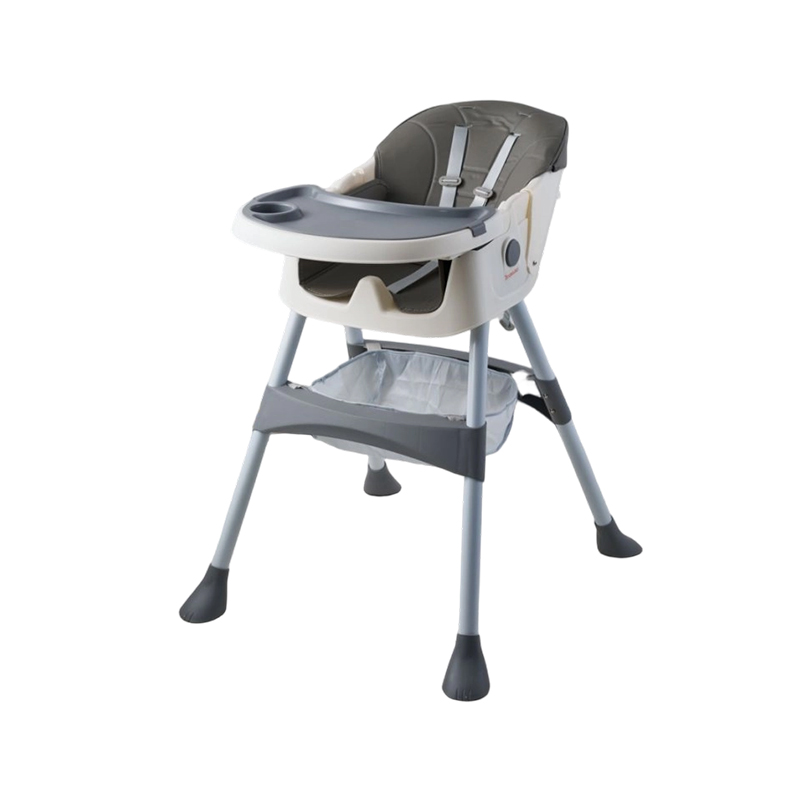 CY12 Features Description:1. No installation required, ready to use straight out of the box2. Can be...View More
-
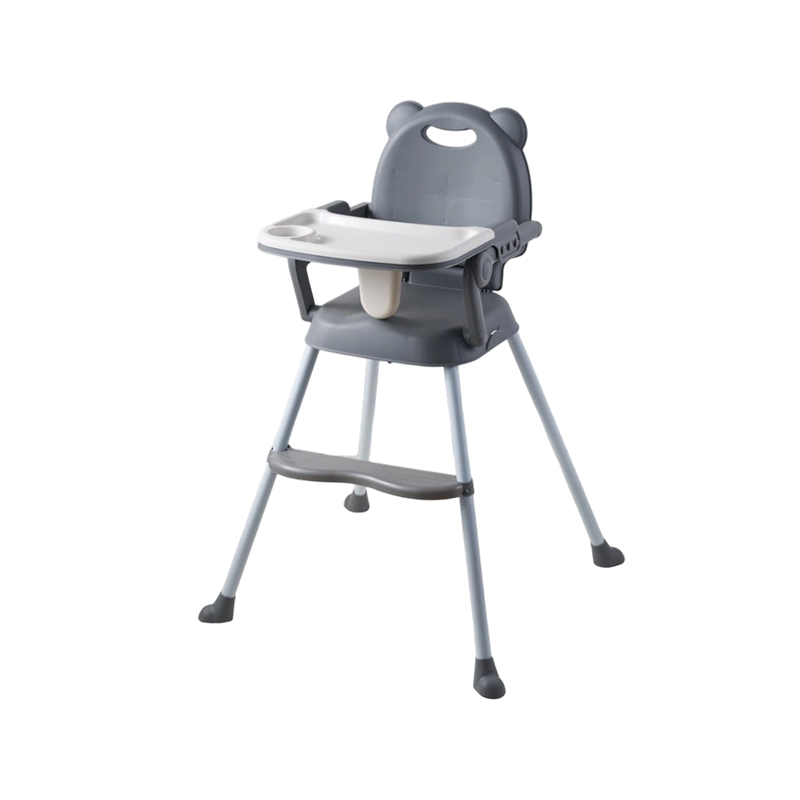 CY05 features description:1. Dining chair height is adjustable2. Multiple modes can be switched at w...View More
-
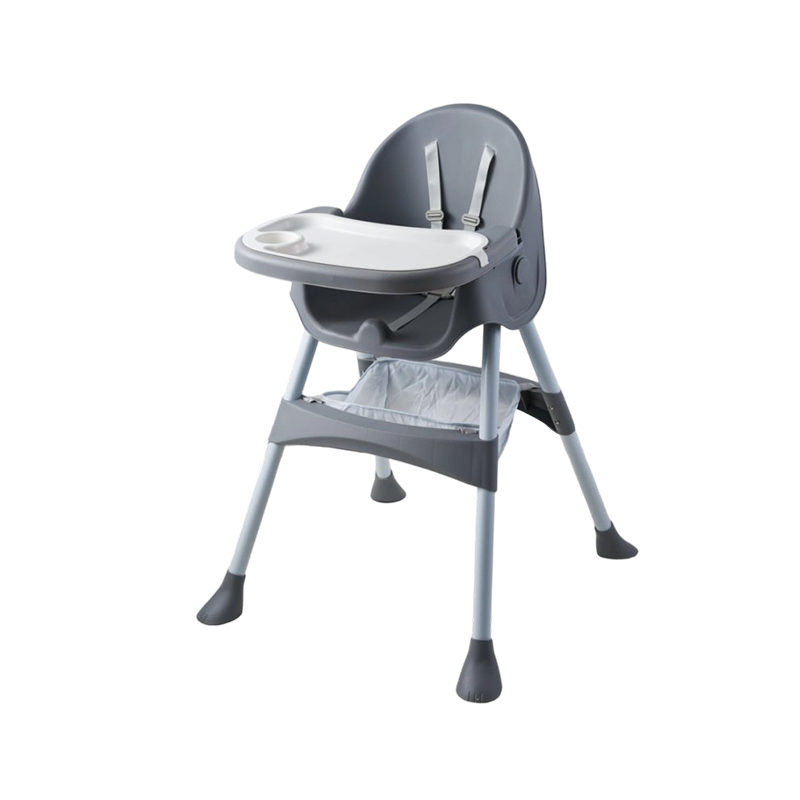 CYO3 Features:1. Dining chair height is adjustable2. Multiple modes can be switched at will3. Three-...View More
-
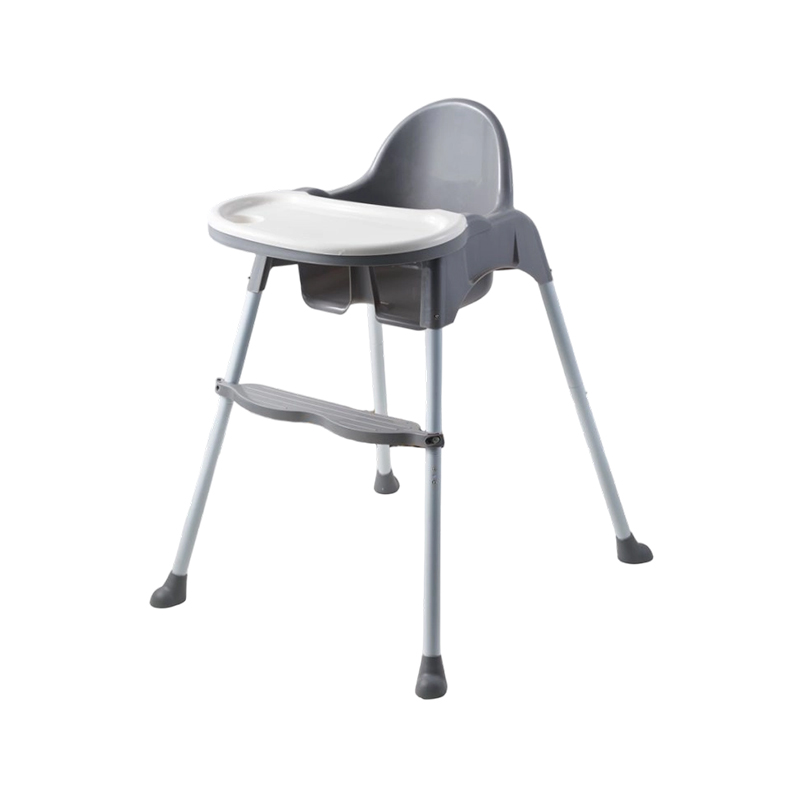 CY02 features description:1. Dining chair height is adjustable2. Multiple modes can be switched at w...View More
-
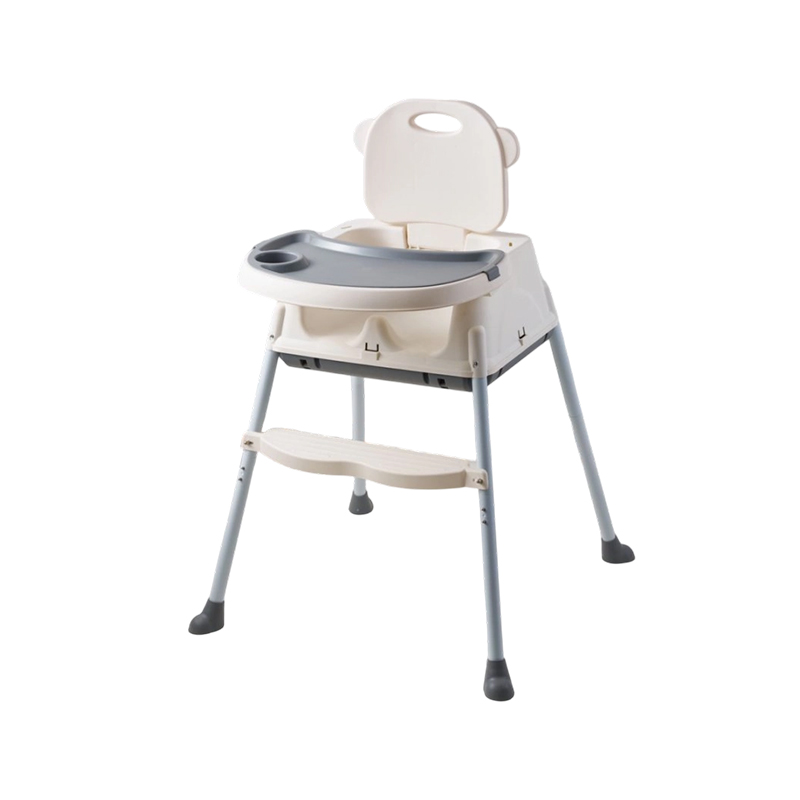 CY01 features description:1. Dining chair height is adjustable2. Multiple modes can be switched at w...View More
-
 L-01 features description1. 20L, carry-on approved2. Snap-apart frame swaps modes in seconds3. Trian...View More

No. 17, Liboer Avenue, Xialixi Industrial Park, Yongkang City, Zhejiang Province, China
 +86-13345922055
 +86-18057957037
+86-18069926676
 [email protected]
 [email protected]
[email protected]
Get in Touch
Copyright © Yongkang Zhongdao Daily Necessities Co., Ltd. All Rights Reserved
OEM Baby Chair Manufacturer
