 EN
EN
 English
  Español
  Deutsch
Industry News

Industry News
What Should Importers Ask a CE Certified Baby High Chair Manufacturer
Choosing a baby high chair for an overseas market involves more than comparing appearance, functions, or purchase terms. For importers, the more practical concern is whether the product, supporting documents, and manufacturing process are consistent with the safety requirements of the destination market. A conversation with a CE Certified Baby High Chair Manufacturer therefore needs to cover several connected areas rather than focus on a single certificate or test report.
A high chair can go through several stages before reaching a retail channel. Its design may be reviewed, samples may be tested, materials may be changed, and production may later move into larger batches. Each stage can affect the information an importer needs to verify. Asking specific questions early can make it easier to identify differences between a tested sample and the product being prepared for shipment.
Which CE Requirements Does the High Chair Meet
The first discussion with a manufacturer should establish which requirements apply to the product and how compliance has been assessed. A statement that a high chair is suitable for a particular market does not provide enough detail by itself. Importers need to know what product characteristics were considered and what supporting assessment has been carried out.
For a CE Certified Baby High Chair Manufacturer, the relevant compliance information should relate to the actual product configuration. A model with a fixed frame may not have exactly the same considerations as a folding model. A chair with wheels, an adjustable tray, or a removable component can also require attention to different aspects of use.
Useful questions can include:
- Which safety requirements were considered during product development
- Which product configuration was assessed
- Whether the supplied product matches the configuration described in the compliance documents
- Whether instructions and product markings correspond with the intended market
- Whether changes to the product could affect the existing assessment
This approach gives the importer a clearer starting point. Instead of treating compliance as a label attached to the finished product, the discussion considers how requirements connect with design, testing, documentation, and production.
Can the Manufacturer Provide Relevant Test Reports
Once the applicable requirements have been identified, the next issue is supporting evidence. Test reports can provide useful information about how a particular product configuration was assessed, but the document should be connected to the product being purchased.
An importer working with a CE Certified Baby High Chair Manufacturer should compare the product description in the available testing material with the actual sample. Model names, product features, construction details, and other identifying information should not conflict with what is being ordered.
A practical document check can focus on three areas:
| Information to check | Why it matters |
|---|---|
| Product identification | Helps establish which product was assessed |
| Test scope | Shows which aspects of the product were examined |
| Manufacturer information | Helps connect the documentation with the production source |
A report should not be treated as a substitute for reviewing the physical product. If the sample supplied to an importer differs from the configuration described in the testing material, further clarification may be needed.
The same point applies when a factory has several related models. Similar appearance does not necessarily mean identical construction. An importer should therefore ask whether the documents correspond to the exact model and configuration under consideration.
How Was the High Chair Tested for Stability
Stability is closely connected with the everyday use of a high chair. A chair needs to remain appropriately supported when a child moves, leans, or interacts with the tray. For this reason, stability should be discussed as a specific product characteristic rather than covered by a general statement about safety.
When speaking with a CE Certified Baby High Chair Manufacturer, an importer can ask how the chair was assessed under relevant test conditions and which parts of the structure contribute to its stability.
The discussion may include the base, frame connections, seat position, tray arrangement, locking features, and folding mechanism. These components can work together, so changing one part may affect how the product behaves during use.
A useful way to review stability is to consider:
- Whether the chair remains supported during expected movements
- Whether the base provides consistent contact with the floor
- Whether locking components remain engaged during use
- Whether the structure changes when the chair is adjusted or folded
- Whether removable parts affect the overall configuration
The purpose of these questions is not to assume that a particular design is unsafe. Rather, they help an importer understand how the manufacturer has considered foreseeable use during product development and testing.
How Was the Restraint System Tested
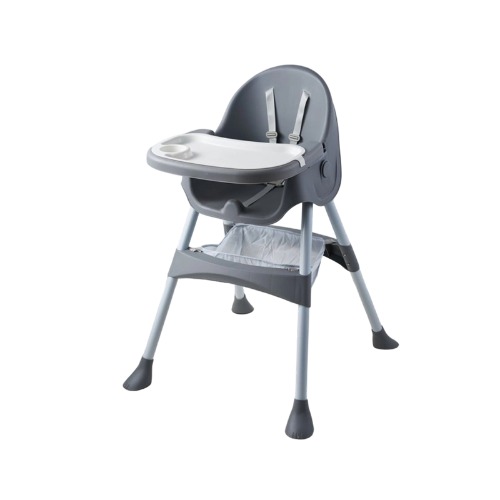
The restraint system deserves separate attention because it has a different function from the supporting frame. It is intended to help keep the child positioned within the seating area, so its construction, attachment points, adjustment, and interaction with other components all matter.
A CE Certified Baby High Chair Manufacturer should be able to explain how the restraint arrangement was considered during product development and assessment. The importer can also check whether the system shown on the tested sample is the same as the one planned for production.
Particular attention can be given to the connection between the restraint and the chair. Buckles, straps, attachment points, adjustment areas, and surrounding materials should work together without creating an obvious conflict with normal use.
The operating instructions also matter here. A restraint system can only function as intended when it is installed, adjusted, and used according to the supplied instructions. If the design changes, the related instructions may need to change as well.
Keeping the discussion focused on the actual configuration helps prevent a common problem in product sourcing: treating a general description of a restraint system as evidence that every version of the product has been assessed in the same way.
Does the Test Report Match the Exact Product Model
The connection between testing documents and the actual product becomes particularly important when a factory produces several similar high chairs. Two models may share a frame style while having different trays, wheels, folding mechanisms, materials, or restraint arrangements.
For an importer, asking a CE Certified Baby High Chair Manufacturer to identify the exact relationship between the test material and the ordered model can prevent confusion before production begins.
The comparison should cover more than the model name. Physical characteristics can provide additional clues:
| Product detail | What to compare |
|---|---|
| Frame | Shape, connection points, and configuration |
| Seat | Structure and adjustment arrangement |
| Tray | Attachment method and configuration |
| Restraint | Components and attachment points |
| Folding parts | Locking and movement arrangement |
If a product has been modified after testing, the importer should ask what effect the change may have on the previous assessment. A small-looking modification can sometimes affect a component that was relevant to the original evaluation.
This is particularly important for private-label or customized orders. A sample prepared for one customer should not automatically be assumed to represent another configuration without checking the differences.
What Happens If the High Chair Design Changes
Product development rarely stops after an initial sample. Importers may request a different tray, revised upholstery, another frame arrangement, additional adjustment options, or a change in appearance. Such modifications need to be considered from a compliance perspective rather than treated solely as design changes.
A CE Certified Baby High Chair Manufacturer should have a process for reviewing modifications before they are introduced into production. The key issue is whether the change affects a characteristic that was previously assessed.
For example, a modification may involve:
- A structural component
- A locking or folding mechanism
- A restraint component
- A material or surface treatment
- A removable part
- A change in the product configuration
Not every design adjustment will have the same effect. The appropriate response depends on what was changed and how that change relates to the applicable requirements.
For importers, the practical question is therefore not simply whether the factory can make a requested change. It is whether the factory can identify compliance implications before the modified version enters production.
How Does the Factory Control Quality During Production
Testing normally concerns a particular product configuration, while commercial orders involve repeated production. Maintaining consistency between the assessed product and manufactured units is therefore an important part of the supply process.
A CE Certified Baby High Chair Manufacturer needs production controls that address the components and processes relevant to the finished chair. Incoming materials can be checked before assembly, while production inspections can focus on connections, moving parts, locking functions, restraint components, and overall construction.
Quality checks may be arranged at different stages rather than waiting until the finished product is packed. This allows potential differences to be identified closer to the point where they occur.
For an importer, useful questions include how the factory handles component changes, how production samples are compared with approved samples, and how nonconforming products are separated from acceptable production.
The purpose is consistency. If a tested configuration uses one component while production later uses another without appropriate review, the relationship between testing and actual production becomes less clear.
Which Compliance Documents Can the Manufacturer Provide
Documentation brings together the information discussed during product development, testing, modification, and production. An importer should ask what documents are available and whether they correspond with the product being purchased.
For a CE Certified Baby High Chair Manufacturer, relevant materials may include a declaration of conformity, supporting test documentation, product identification information, instructions, markings, and technical records required for demonstrating compliance.
The importer can organize the document review around several simple questions:
- Does the product description match the physical product?
- Do the model details remain consistent across documents?
- Do the instructions correspond with the actual functions?
- Are the product markings consistent with the supplied information?
- Have relevant documents been updated when the product was modified?
Good document management does not remove the need for product inspection. The physical sample, production configuration, test information, and compliance documents should tell the same story.
For importers, this makes communication with the factory more precise. Rather than asking only whether a product is "CE certified," the discussion can cover the requirements considered, the product assessed, the tests performed, the production configuration, and the documents available. Within this kind of sourcing process, product compliance information can be reviewed alongside manufacturing details, with Yongkang Zhongdao Daily Necessities Co., Ltd. appearing as one possible production-side contact when relevant to the sourcing discussion.
NEXT:How to Choose a Wholesale Kids Ride On Luggage Supplier
-
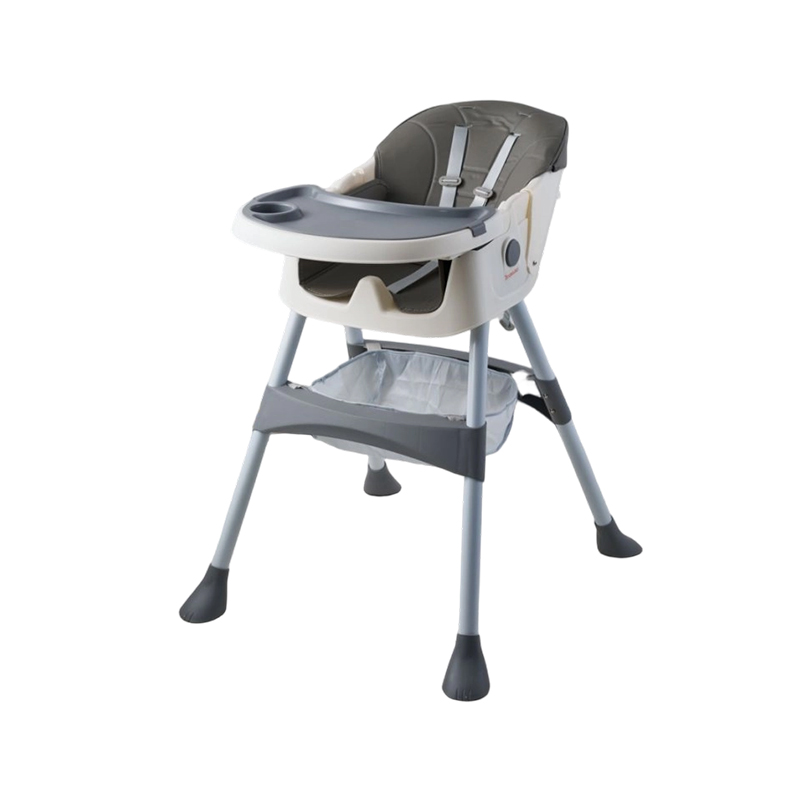 CY12 Features Description:1. No installation required, ready to use straight out of the box2. Can be...View More
-
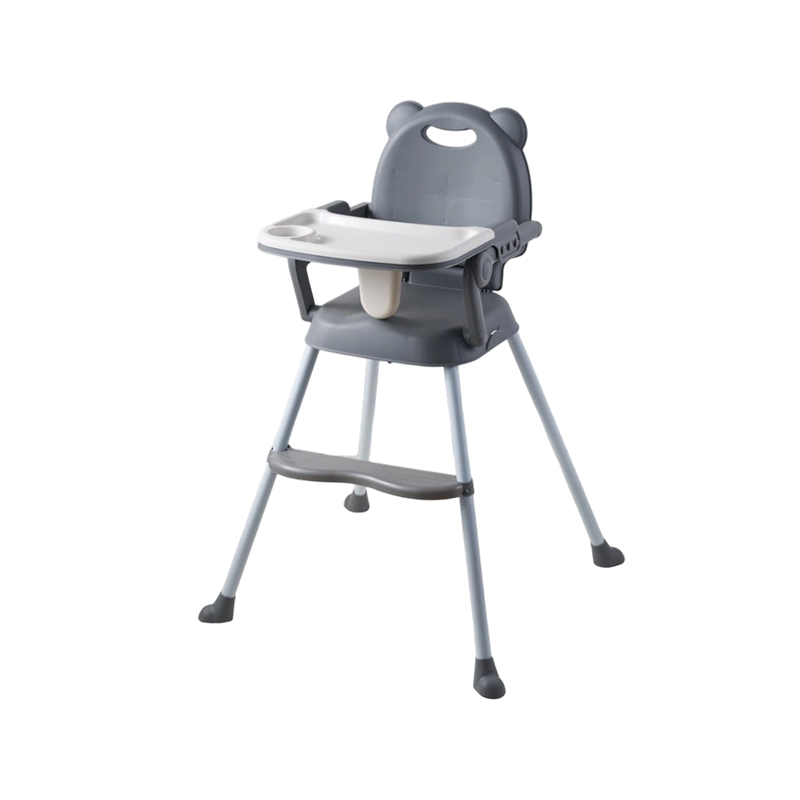 CY05 features description:1. Dining chair height is adjustable2. Multiple modes can be switched at w...View More
-
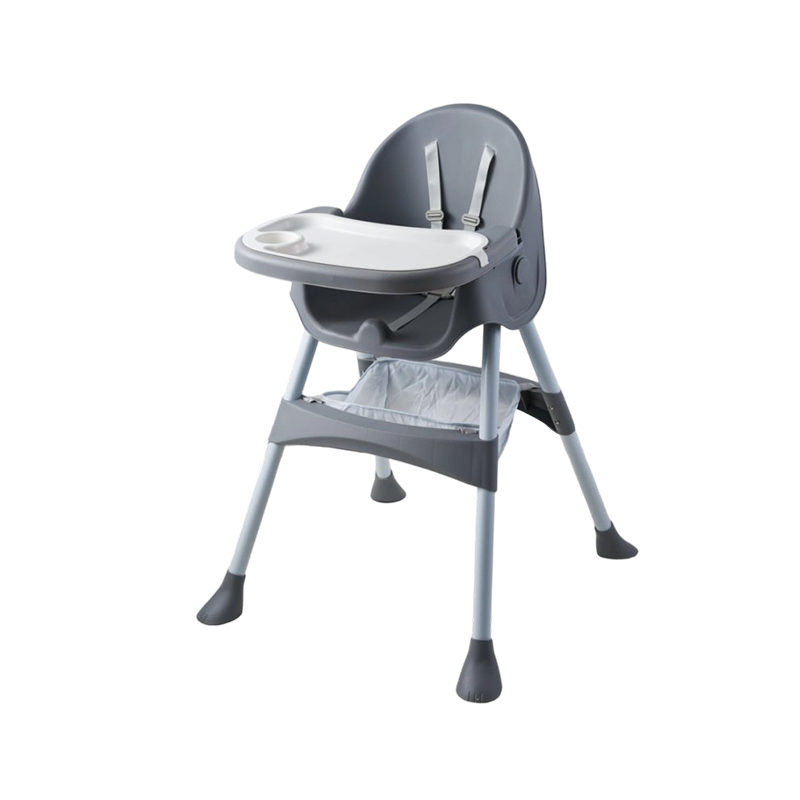 CYO3 Features:1. Dining chair height is adjustable2. Multiple modes can be switched at will3. Three-...View More
-
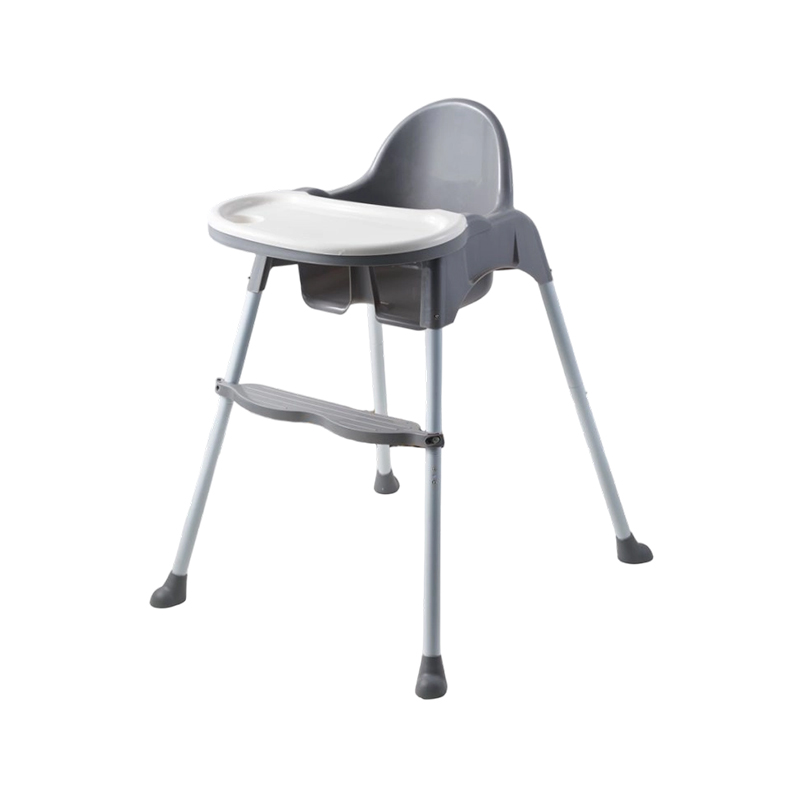 CY02 features description:1. Dining chair height is adjustable2. Multiple modes can be switched at w...View More
-
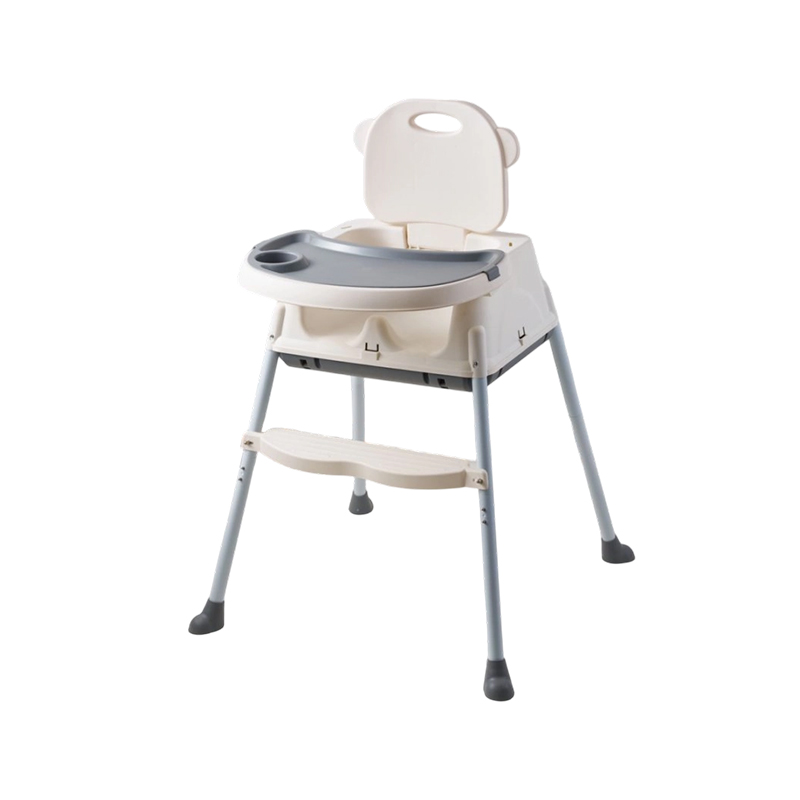 CY01 features description:1. Dining chair height is adjustable2. Multiple modes can be switched at w...View More
-
 L-01 features description1. 20L, carry-on approved2. Snap-apart frame swaps modes in seconds3. Trian...View More

No. 17, Liboer Avenue, Xialixi Industrial Park, Yongkang City, Zhejiang Province, China
 +86-13345922055
 +86-18057957037
+86-18069926676
 [email protected]
 [email protected]
[email protected]
Get in Touch
Copyright © Yongkang Zhongdao Daily Necessities Co., Ltd. All Rights Reserved
OEM Baby Chair Manufacturer
