 EN
EN
 English
  Español
  Deutsch
Industry News

Industry News
What Should Buyers Expect from an Infant Feeding Dining Chair Supplier
Buying infant feeding dining chairs for retail, distribution, childcare, hospitality, or other commercial uses usually starts with a simple product requirement. In practice, the purchasing process can become more involved once dimensions, materials, packaging, order quantities, and delivery arrangements are discussed.
A chair may look suitable in a product image, yet small details can change how it fits a particular purchasing plan. The tray may need to be removable, the footrest may need a particular position, or the chair may need to fit within a limited storage area. Packaging can also matter when products are moved through warehouses or distributed to different locations.
For this reason, communication with an Infant Feeding Dining Chair Supplier tends to cover more than the product itself. Specifications, samples, quality checks, customization, quotations, order quantities, and delivery schedules are connected. A change in one area can affect another, so it helps to deal with these points in a clear sequence.
What Product Specifications Should Buyers Discuss With Suppliers
The specification stage is where a purchasing request becomes a workable product requirement. Instead of sending a product image and asking for a similar chair, buyers can describe the details that actually matter to the intended use.
Dimensions are an obvious starting point. Overall chair size, seat position, tray size, and footrest placement can influence how the product is used and stored. Folding requirements may also need to be discussed if the chairs will be moved regularly or kept in a compact space.
The tray deserves particular attention. Buyers may need to clarify whether it should be removable, how it attaches to the chair, and whether the selected configuration needs to accommodate routine cleaning. Similar questions apply to adjustment features and the footrest.
Other details may include:
- Overall chair dimensions
- Tray configuration
- Footrest arrangement
- Folding or storage requirements
- Harness arrangement
- Surface finish
- Packaging format
It is also useful to separate fixed requirements from optional preferences. A buyer may require a particular chair size but have flexibility regarding color or packaging. Making that distinction early gives the supplier a clearer picture of which parts of the order cannot change.
An Infant Feeding Dining Chair Supplier can then prepare samples or quotations against a defined set of requirements rather than making assumptions based on appearance alone.
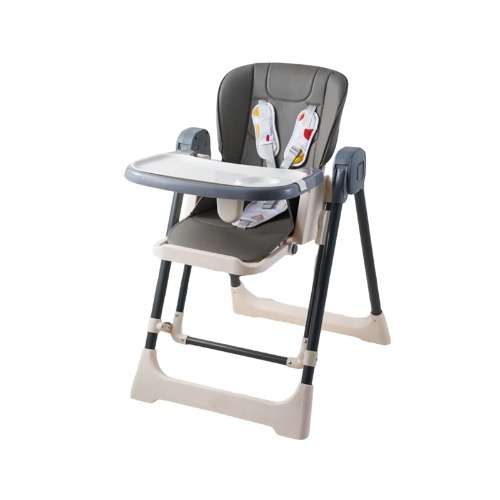
Which Materials Matter When Sourcing Infant Dining Chairs
Material selection is closely tied to how an infant dining chair will be handled after it leaves the production site. Cleaning, storage, movement, surface condition, and everyday use can all influence the choice.
Different parts of a chair may call for different material considerations. The chair body has different requirements from the tray, while connecting parts and footrests may need their own specifications. Looking at the product as a collection of functional parts can make material discussions more useful.
For example, a tray that is handled around food may need a surface that is straightforward to wipe. A chair that is moved frequently may place greater importance on weight and surface durability. If the product is packed for longer-distance distribution, the relationship between material selection and packaging also deserves attention.
| Product Area | Points to Consider |
|---|---|
| Chair body | Weight, surface condition, cleaning, routine handling |
| Tray | Cleaning, removal, fit, surface finish |
| Footrest | Position, adjustment, stability, maintenance |
| Connecting parts | Fit, consistency, assembly |
| Surface finish | Appearance, cleaning, resistance to routine handling |
There is no need to treat one material as suitable for every purchasing situation. The intended application matters. A chair purchased for occasional home use may have different requirements from one handled regularly in a childcare or hospitality setting.
Material information should therefore be discussed alongside the actual product specification. When an Infant Feeding Dining Chair Supplier provides several material options, buyers can compare them according to handling and maintenance needs instead of making the decision from appearance alone.
What Quality Checks Should Buyers Request Before Shipment
Quality inspection is easier when the requirements have already been agreed. A supplier and buyer can refer to the same sample, specification sheet, and approved product details rather than deciding what is acceptable after production has finished.
The first check is often straightforward: does the finished chair correspond with the agreed product? Dimensions, components, color, surface treatment, tray configuration, and other visible details should match the confirmed specification.
Physical condition matters as well. Scratches, uneven surfaces, loose parts, poor fitting, or damaged components can create problems during receiving and distribution. Functional parts should receive attention too. A tray that is difficult to attach or remove, for example, may become a practical issue even if the chair looks correct.
A pre-shipment inspection can cover areas such as:
- Product appearance and surface condition
- Component placement
- Tray attachment
- Footrest position
- Harness condition
- Folding or adjustment functions
- Packaging condition
The inspection does not need to be treated as a separate activity disconnected from production. If the Infant Feeding Dining Chair Supplier receives the inspection requirements before the order is completed, potential issues are easier to identify and discuss.
Sample approval is also useful here. The approved sample gives both sides a physical reference. When a batch is checked later, differences can be discussed against something concrete rather than vague descriptions such as "different from the sample."
How Does Customization Change Cost and Production Time
Customization often sounds simple when described as a color change or packaging adjustment. Once production is involved, however, even a small change may need to be reviewed alongside other parts of the order.
A different color may involve separate material preparation. A revised tray or chair component may require additional production arrangements. New packaging can affect how products are packed and stored. These changes do not all have the same impact, so buyers should discuss them individually rather than treating customization as one general requirement.
Packaging is a good example. A retailer may need packaging that is easier to handle in a warehouse, while another buyer may have different requirements for distribution. Labels, protective materials, carton arrangements, or product inserts may therefore become part of the purchasing discussion.
The same applies to appearance. If a particular color or finish is requested, it should be confirmed in writing before production. Images on a screen may not provide enough information for consistent production.
A customized order normally needs agreement on several points:
- Which product features will change
- Which materials will be affected
- Whether a new sample is required
- How the change affects order quantity
- Whether packaging also needs to change
The earlier these points are settled, the easier it is to keep the production schedule clear. An Infant Feeding Dining Chair Supplier can also give a more useful quotation when the customization requirements are already defined.
What Should Buyers Check in an Infant Dining Chair Quote
A quotation is easier to evaluate when the buyer looks at the complete order rather than the product price alone. Two quotations can appear different simply because their product configurations or included services are not the same.
Start with the product itself. Does the quotation describe the same chair that was discussed? Are the tray, footrest, finish, packaging, and other requested details included? If a quotation refers to a standard model while the purchasing request includes customized features, the difference should be clarified before comparing prices.
Other purchasing conditions deserve the same attention.
| Quotation Item | What Buyers Can Check |
|---|---|
| Product configuration | Whether the quoted chair matches the agreed requirements |
| Order quantity | Whether the stated quantity matches the purchasing plan |
| Customization | Whether requested changes are included |
| Packaging | Whether the proposed packaging fits the distribution needs |
| Additional charges | Whether separate preparation or customization costs apply |
| Delivery arrangement | What the stated arrangement includes |
| Payment conditions | Whether the proposed schedule fits the purchasing process |
It is worth keeping the quotation together with the approved specification and sample information. If the order changes later, these records make it easier to identify what has changed.
For buyers comparing several Infant Feeding Dining Chair Supplier quotations, consistency is particularly important. Each supplier should ideally be assessed against the same product requirements. Otherwise, a lower quoted amount may simply reflect a different configuration.
How Does MOQ Affect Infant Feeding Dining Chair Orders
Order quantity has a direct connection with purchasing plans. It affects inventory, storage, repeat ordering, and, in some cases, the feasibility of customized production.
A buyer placing an initial order may have different requirements from a distributor that already has an established sales channel. The first situation may call for a cautious purchasing approach, while the second may involve regular replenishment. Neither approach automatically fits every business.
Customization can make the question more complicated. A standard chair and a chair with several customized elements may be subject to different production arrangements. Buyers should therefore ask about the relationship between the requested configuration and the required order quantity.
Storage should also be considered. Chairs occupy physical space, and packaging adds to the volume handled by a warehouse. Ordering more units than the distribution plan can accommodate may create unnecessary storage pressure.
Before confirming an order quantity, buyers can review:
- Expected purchasing frequency
- Available storage space
- Standard or customized configuration
- Packaging arrangement
- Likely need for repeat orders
- Internal purchasing schedule
MOQ is therefore better viewed as part of the wider purchasing plan rather than as an isolated condition. A suitable order quantity is one that fits the product configuration, inventory situation, and expected purchasing cycle.
How Can Buyers Plan Lead Times for Bulk Chair Orders
A production schedule is easier to manage when the different stages are visible from the beginning. Product confirmation, sampling, customization, production, inspection, packaging, and transportation do not necessarily happen at the same time.
Delays can occur when a requirement remains undecided. A packaging change made after production planning, for instance, may require the supplier to revisit the packing arrangement. A change to the product itself can have a wider effect.
This is why buyers should establish clear approval points. Once the product specification is confirmed, later changes should be recorded rather than handled through informal messages alone.
A typical purchasing sequence may look like this:
Product requirements → sample confirmation → customization approval → production preparation → manufacturing → quality inspection → packaging → shipment
The exact process can vary between orders, but the basic principle remains the same: decisions made early tend to be easier to coordinate than changes introduced near the end.
The buyer's own preparation matters as well. Warehouse space, receiving arrangements, purchase approvals, and transportation planning can influence when an order is actually ready for use.
When discussing delivery with an Infant Feeding Dining Chair Supplier, it is therefore useful to provide the required purchasing window as early as possible. That gives both sides a reference point for production and shipping discussions.
Which Supplier Factors Matter for Long Term Purchasing
A supplier may meet the requirements of one order without necessarily fitting a buyer's ongoing purchasing process. Repeat orders bring different considerations because consistency becomes more important over time.
Product records are one practical example. Keeping the approved specification, sample information, packaging instructions, and previous changes gives both parties something to refer back to when another order is placed.
Communication also matters. A change in material, packaging, product configuration, or production arrangement should be communicated before it affects the order. Clear records reduce the chance of different interpretations between purchasing staff and production teams.
Quality consistency deserves attention as well. If a buyer reorders the same chair, noticeable differences in dimensions, surface treatment, components, or packaging can create additional work downstream.
For long-term purchasing, buyers may therefore pay attention to:
- Consistency between repeat orders
- Clarity of product specifications
- Response to specification changes
- Handling of quality concerns
- Coordination of customized requirements
- Communication about production and shipment
- Availability of useful order records
The relationship with an Infant Feeding Dining Chair Supplier is ultimately shaped by how well these routine purchasing tasks are handled. A clear specification, an agreed sample, an understandable quotation, and a documented production process give both sides a practical framework for future orders.
-
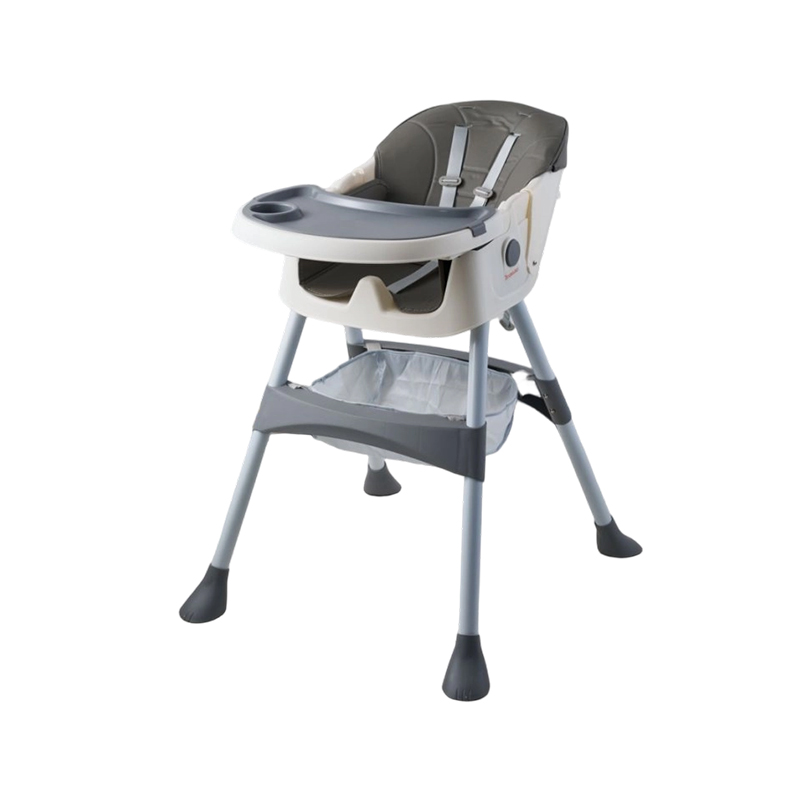 CY12 Features Description:1. No installation required, ready to use straight out of the box2. Can be...View More
-
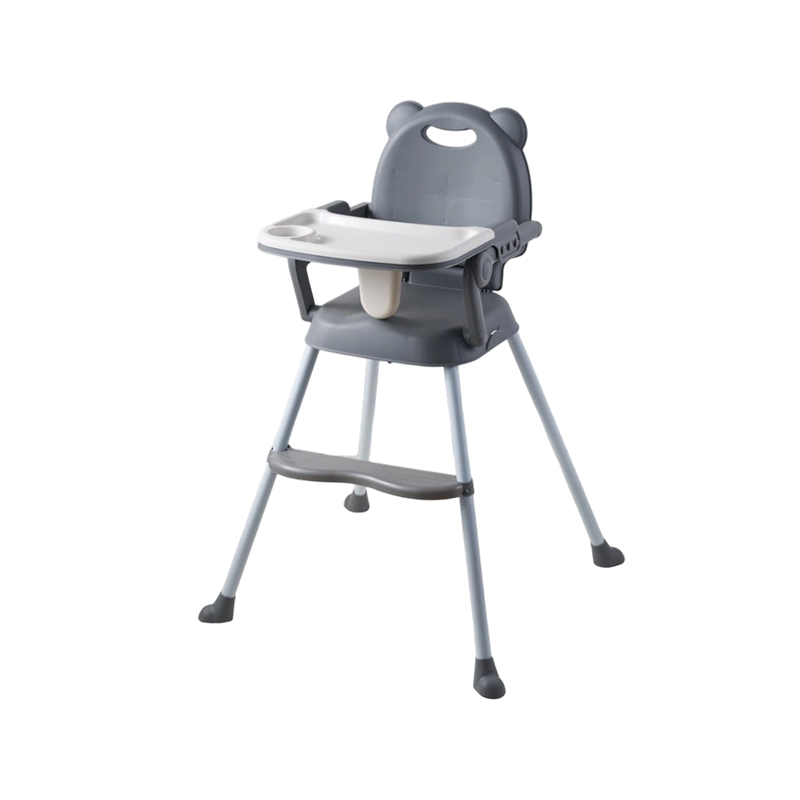 CY05 features description:1. Dining chair height is adjustable2. Multiple modes can be switched at w...View More
-
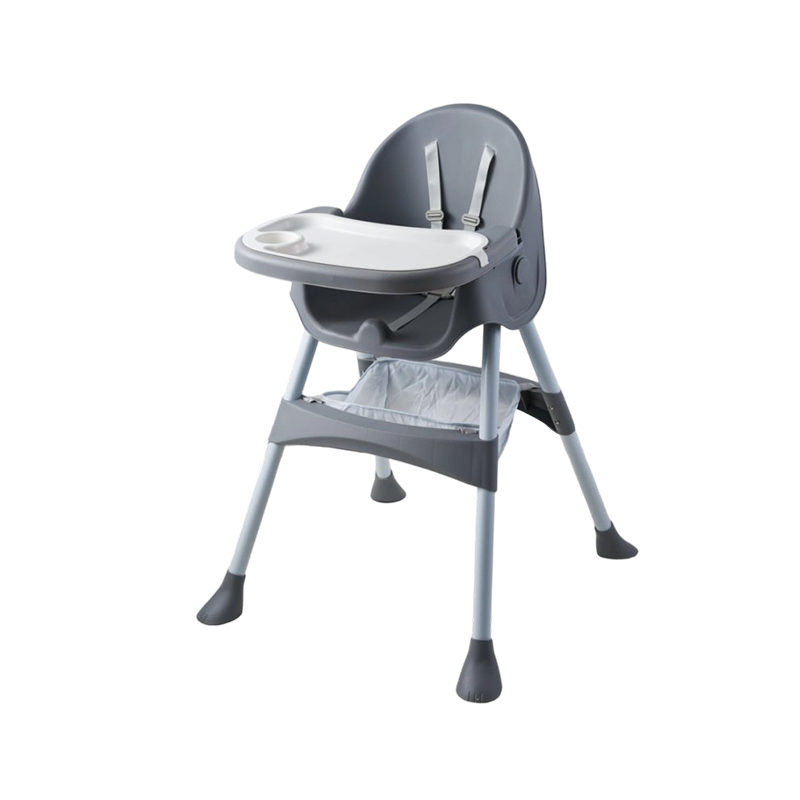 CYO3 Features:1. Dining chair height is adjustable2. Multiple modes can be switched at will3. Three-...View More
-
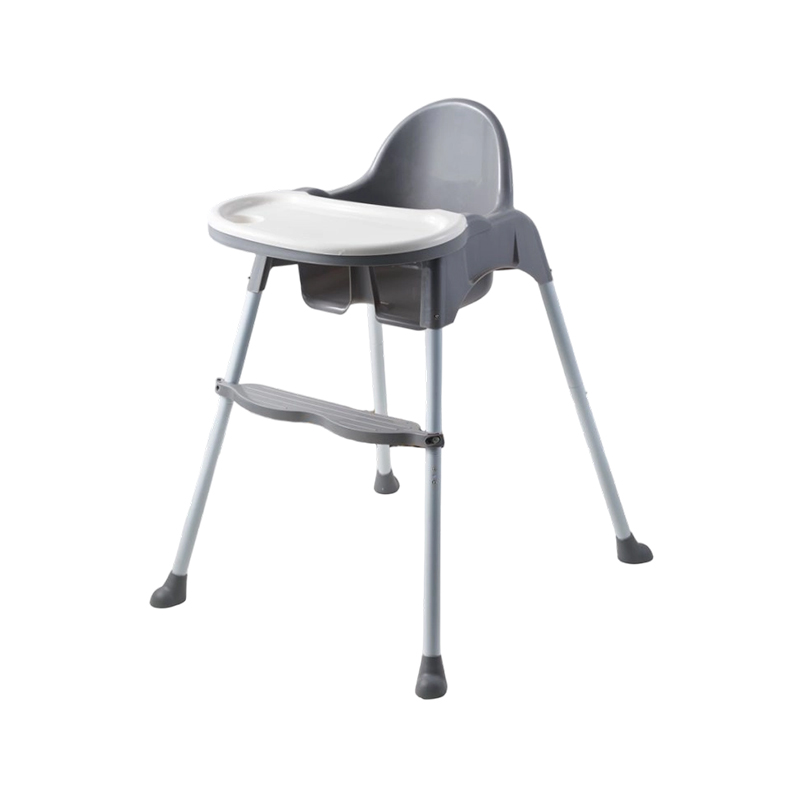 CY02 features description:1. Dining chair height is adjustable2. Multiple modes can be switched at w...View More
-
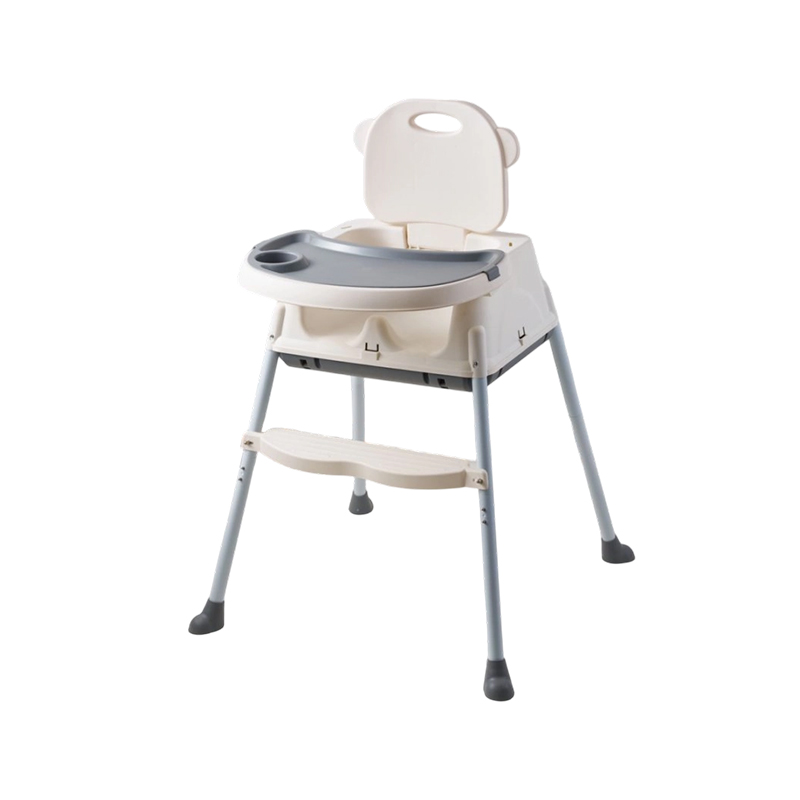 CY01 features description:1. Dining chair height is adjustable2. Multiple modes can be switched at w...View More
-
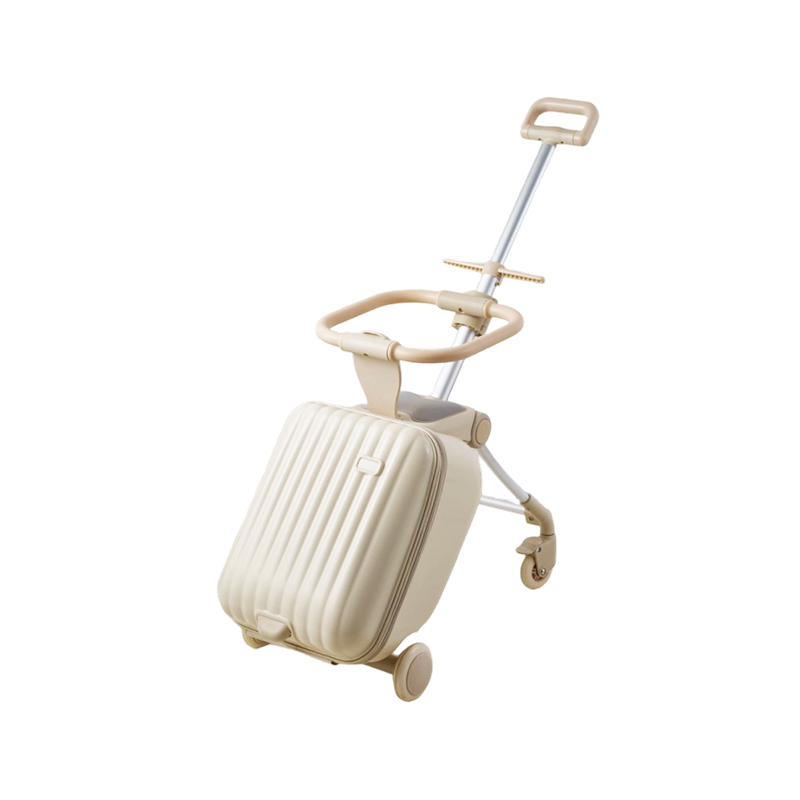 L-01 features description1. 20L, carry-on approved2. Snap-apart frame swaps modes in seconds3. Trian...View More

No. 17, Liboer Avenue, Xialixi Industrial Park, Yongkang City, Zhejiang Province, China
 +86-13345922055
 +86-18057957037
+86-18069926676
 [email protected]
 [email protected]
[email protected]
Get in Touch
Copyright © Yongkang Zhongdao Daily Necessities Co., Ltd. All Rights Reserved
OEM Baby Chair Manufacturer
