 EN
EN
 English
  Español
  Deutsch
Industry News

Industry News
How Does an Outdoor Baby Chair Manufacturer Design for Outdoor Use
Outdoor baby chairs are often used in places that are less controlled than indoor rooms. A chair may sit on a patio in direct sunlight, be moved onto grass, or remain outside after a light shower. Food, dust, soil, and cleaning water can also reach areas that would stay relatively clean indoors.
These conditions influence much more than the choice of an outdoor material. They affect the shape of the frame, the position of the supporting points, the way water leaves the chair, and the details around joints and surfaces. Production needs to follow the same logic. If a design is difficult to reproduce accurately, the finished chairs may not have the same fit and feel from one production run to another.
For an Outdoor Baby Chair Manufacturer, outdoor use is therefore a consideration that runs through the development process. Material selection comes before structural planning, while production and inspection determine whether those design decisions are carried through to the finished product.
How Outdoor Conditions Affect Baby Chair Material Selection
A material selected for an outdoor baby chair needs to suit the surroundings as well as the part itself. Direct sunlight, moisture, dust, repeated wiping, and changes in temperature can all influence the condition of a chair over time.
The frame has different requirements from the seat or tray. A frame needs to retain its intended shape and provide consistent support. A seat surface is handled more often and may come into contact with food or liquids. Smaller components, such as footrests and connecting pieces, have their own demands because they are touched, adjusted, or exposed during normal use.
Material selection can therefore start with the location and routine rather than with appearance alone. A chair intended for a covered patio may face different conditions from one that is regularly moved between a garden and an indoor room.
Some practical questions include:
- How much direct sunlight will the chair receive?
- Will moisture remain on the surface after cleaning or rain?
- Which areas are likely to receive frequent contact?
- Can the selected material be processed consistently?
- Will different materials fit together without creating problems at the joints?
The surface also deserves attention. A material may be suitable for the frame but less convenient for an area that needs frequent wiping. Likewise, a visually attractive surface may become difficult to maintain if its texture catches dust or food residue.
An Outdoor Baby Chair Manufacturer may review the material choices part by part rather than treating the chair as a single object. This approach makes it easier to match each material with its actual role.
| Chair area | Main consideration | Typical outdoor condition |
|---|---|---|
| Frame | Shape and support | Sunlight, moisture, uneven ground |
| Seat | Surface and cleaning | Food, dust, water |
| Footrest | Position and contact | Dirt, movement, repeated handling |
| Connecting parts | Fit and assembly | Moisture, movement, handling |
The relationship between materials matters as well. Different parts need to work together during assembly and everyday use. Considering those connections early can prevent unnecessary changes later.
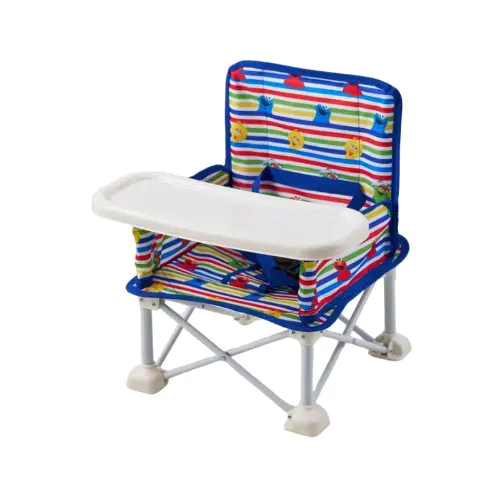
How Frame Design Supports Stability on Outdoor Surfaces
The ground beneath an outdoor chair is not always perfectly even. Grass, paving, decking, and other outdoor surfaces can place different demands on the base of a chair. The frame needs to accommodate the way the chair meets the ground rather than being designed only around its appearance.
A stable frame begins with the position of its supporting points. The height of the seat, distribution of the frame, and location of the lower supports all influence how the chair responds when a child moves.
During development, the frame can be viewed from several angles. Does the base sit evenly? Are the supporting points positioned as intended? Does the upper section remain properly balanced over the base? What happens when the chair is moved and placed down again?
These details are easy to overlook when attention is focused mainly on the seat and overall shape.
The base also needs to work with the intended environment. A design suitable for a flat terrace may behave differently on a softer or slightly irregular surface. This does not mean creating a separate chair for every outdoor location. It means considering the likely conditions before the frame is finalized.
Frame stability is closely tied to manufacturing accuracy. If one supporting section is positioned differently during assembly, the finished chair may not sit in the same way as another unit. Good structural planning therefore needs to be practical on the production floor as well as on the drawing.
What Drainage Details Matter in Outdoor Baby Chair Design
Rain is not the only source of water. Outdoor baby chairs may also be wiped down with water or cleaned after meals. Water can enter gaps around the seat, collect beneath surfaces, or remain near connecting areas.
The shape of the product determines where that water goes.
Flat recesses and enclosed corners deserve particular attention because they can hold moisture for longer than exposed surfaces. The underside of the chair is easy to overlook, especially when the product is viewed mainly from above. Yet water and dirt can collect there after outdoor use.
Drainage design can be considered through a few straightforward questions:
- Where is water likely to collect?
- Is there a practical path for it to leave?
- Can the area be reached during cleaning?
- Will the surface dry without requiring complicated handling?
- Does the drainage arrangement interfere with the frame or its connections?
There is also a close relationship between drainage and material selection. A surface that regularly remains damp may require different consideration from a surface that dries quickly. The design should account for both the material and the way water moves across it.
For an Outdoor Baby Chair Manufacturer, checking the chair from below and from the side can reveal issues that are not obvious from its main seating area. This is particularly useful when reviewing early samples.
Drainage does not need to dominate the design. It simply needs to be considered alongside the frame, seat, and cleaning requirements so that water does not become an avoidable maintenance problem.
How Surface Design Makes Outdoor Baby Chairs Easier to Clean
Outdoor use brings ordinary messes with it. A chair may collect crumbs during a meal, pick up soil after being moved across a garden, or become dusty when left unused for a period of time.
The surface design determines how easily those materials can be removed.
Large, accessible surfaces are generally straightforward to wipe. Trouble often begins around transitions, corners, narrow gaps, and areas where two parts meet. These locations can hold small amounts of residue that are difficult to reach with a cloth.
The seat, tray, footrest, and lower frame should therefore be viewed as connected cleaning areas. A change in one part can affect another. For example, the space between a seat and frame may be structurally necessary, but its size and position can influence how easily the area is maintained.
Texture is another consideration. A heavily textured surface may look different from a smooth one and may also respond differently to dust and food residue. The choice depends on the purpose of the component and the expected cleaning routine.
Manufacturing plays a role here too. Complicated contours can make a part harder to produce and harder to inspect. When a surface is being developed, it is useful to ask not only whether it looks appropriate, but also whether it can be produced and maintained without unnecessary complexity.
An Outdoor Baby Chair Manufacturer can address these details during the design stage rather than waiting until a finished sample reveals a cleaning problem.
How Manufacturers Address Edges, Joints and Pinch Points
Some of the smaller details on a baby chair deserve close attention. Edges, corners, joints, hinges, and moving sections are touched frequently and may also be exposed to repeated handling.
Edges around the seat, tray, arm areas, and frame need a consistent finish. Processing marks, rough areas, or unwanted sharpness can affect the way the product is handled. The intended shape is only part of the issue; the finished surface matters as well.
Joints present another set of considerations. A joint needs to keep the relevant parts in their intended positions while still allowing assembly or movement where required. If the chair has an adjustable or folding section, the surrounding space changes as that section moves.
For this reason, inspection should not be limited to the chair in one fixed position. A moving part can be checked while it is being adjusted, folded, opened, or returned to its normal position.
The same principle applies to gaps. A space that looks harmless when the chair is stationary may change when two parts move closer together. Reviewing the full range of movement gives designers a clearer picture of how the parts interact.
These details also have a production side. A clean edge needs to be reproduced consistently, and a joint needs to fit correctly during assembly. If one batch contains noticeably different joint fits or surface finishes, the cause may lie in component preparation rather than in the final inspection.
How Production Processes Affect Outdoor Baby Chair Consistency
A product can be carefully designed and still encounter problems when it moves into regular production. The challenge is to reproduce the intended shape and fit across assembled chairs without allowing small differences to accumulate.
Frame alignment is one area that deserves attention. The position of the legs, supports, seat connections, and other frame sections needs to follow the intended assembly sequence. A small shift in one component can influence the position of another.
The same applies to trays and footrests. If attachment points are not prepared consistently, assembly may require adjustment. That can slow production and make finished products less uniform.
A clear production process usually identifies how each part is positioned and when each connection is made. It also gives workers a way to notice an issue before it moves further along the line.
Useful production checks may involve:
- Part dimensions before assembly
- Correct component positioning
- Frame alignment during assembly
- Condition of connecting parts
- Surface condition after processing
- Operation of adjustable components
For an Outdoor Baby Chair Manufacturer, consistency begins before the final inspection. The design needs to account for the way parts will actually be cut, formed, finished, handled, and assembled.
This is especially relevant when several chair versions share similar components. Clear part identification and assembly instructions can reduce confusion when different configurations are produced.
What Quality Checks Matter Before Outdoor Baby Chairs Ship
The finished chair needs to be checked as a complete product, not simply as a collection of individual parts. A frame may look correct on its own while an assembled connection sits differently from the intended position.
Inspection can begin with the overall appearance and frame alignment. From there, individual connections, surfaces, edges, and movable sections can be reviewed.
A finished-product check may cover:
- Frame position and overall balance
- Condition of joints and fasteners
- Edges and accessible surfaces
- Seat and tray attachment
- Footrest position
- Movement of adjustable sections
- Visible surface defects
The inspection process should reflect the earlier stages of manufacturing. If the same issue appears repeatedly around one joint, simply removing the affected chair does not address the underlying production problem. The assembly step or component preparation may need to be reviewed.
Clear inspection requirements also make communication easier between production and quality teams. Instead of relying on personal judgment alone, workers have a defined reference for checking the finished chair.
An Outdoor Baby Chair Manufacturer can use these checks to connect product development with actual manufacturing conditions. The result is a process in which design requirements remain visible through assembly and final inspection.
How Custom Requirements Change Outdoor Baby Chair Development
Customization can affect a chair in ways that are not immediately obvious. A request for a different seat size may change the frame. A different material may require changes to surface treatment or assembly. A revised folding arrangement can affect the surrounding joints.
For that reason, custom requirements need to be considered as a group rather than as separate requests.
Before production begins, several areas can be clarified:
| Development area | Points to confirm |
|---|---|
| Dimensions | Seat, frame, and overall proportions |
| Materials | Material choices for individual components |
| Structure | Fixed, adjustable, or folding sections |
| Surface | Texture, finish, and cleaning requirements |
| Assembly | Connection methods and component placement |
| Sample | Details requiring confirmation before production |
A sample provides a practical way to check whether the requested features work together. The frame can be reviewed alongside the seat, surface, joints, and other components instead of judging each change separately.
The sample stage can also reveal production issues that are difficult to identify from specifications alone. A particular connection may require adjustment, or a surface may be harder to clean than expected. Addressing these points before regular production can keep the manufacturing process aligned with the intended design.
For an Outdoor Baby Chair Manufacturer, custom development is therefore closely connected with production planning. Material choices, structural changes, surface requirements, and assembly methods all need to fit into the same manufacturing process.
Outdoor use ultimately influences the chair from several directions at once. The surrounding conditions affect material selection, while the ground and weather influence structural and drainage decisions. Cleaning needs shape the surfaces, and moving parts require attention to joints and gaps. Production then determines whether these decisions can be reproduced consistently, with inspection providing another point of control before the finished chairs leave the manufacturing process.
NEXT:What Should Buyers Expect from an Infant Feeding Dining Chair Supplier
-
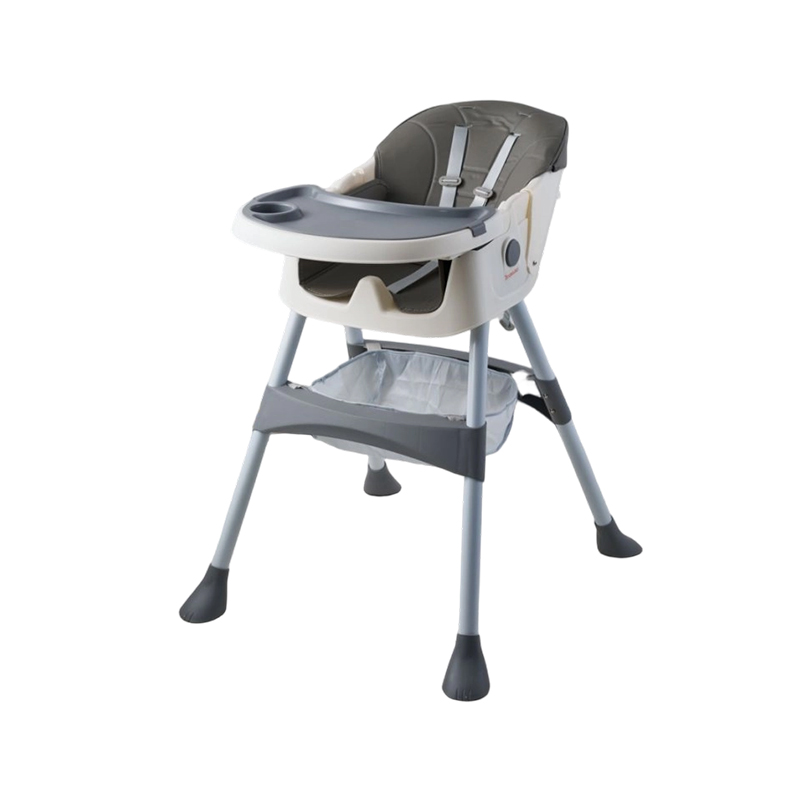 CY12 Features Description:1. No installation required, ready to use straight out of the box2. Can be...View More
-
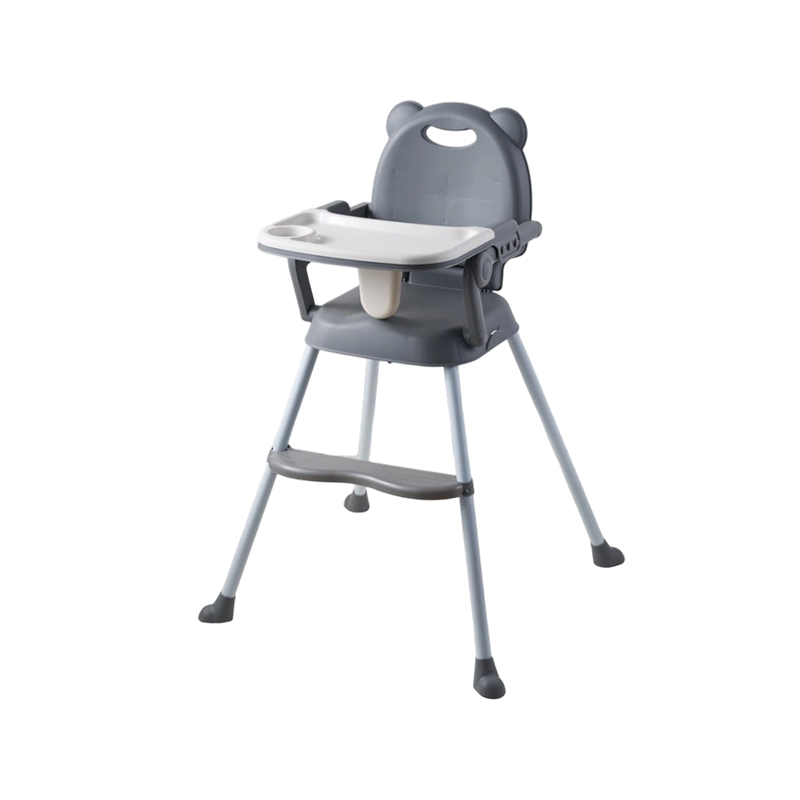 CY05 features description:1. Dining chair height is adjustable2. Multiple modes can be switched at w...View More
-
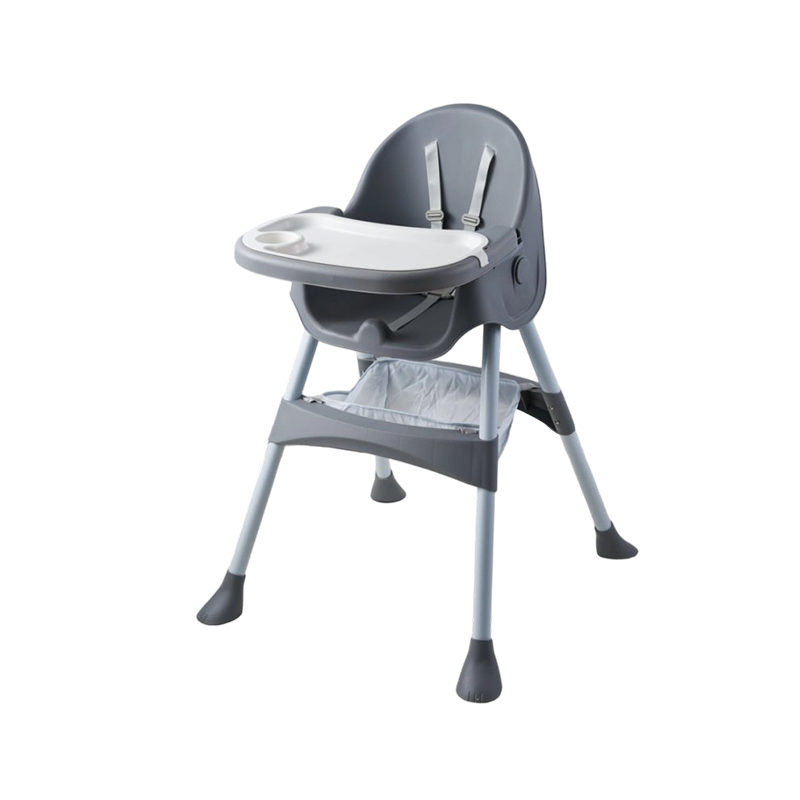 CYO3 Features:1. Dining chair height is adjustable2. Multiple modes can be switched at will3. Three-...View More
-
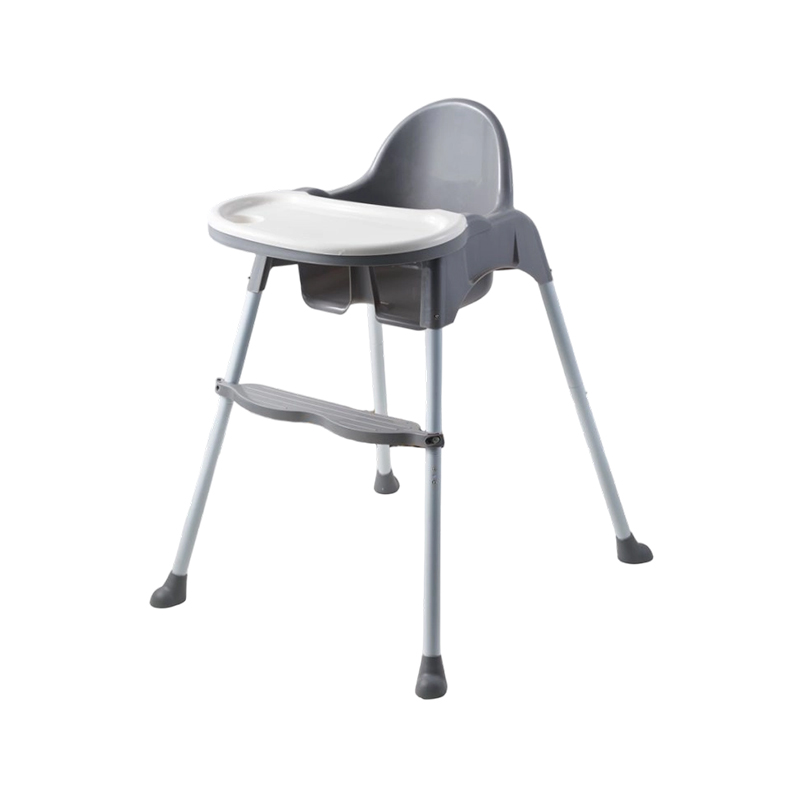 CY02 features description:1. Dining chair height is adjustable2. Multiple modes can be switched at w...View More
-
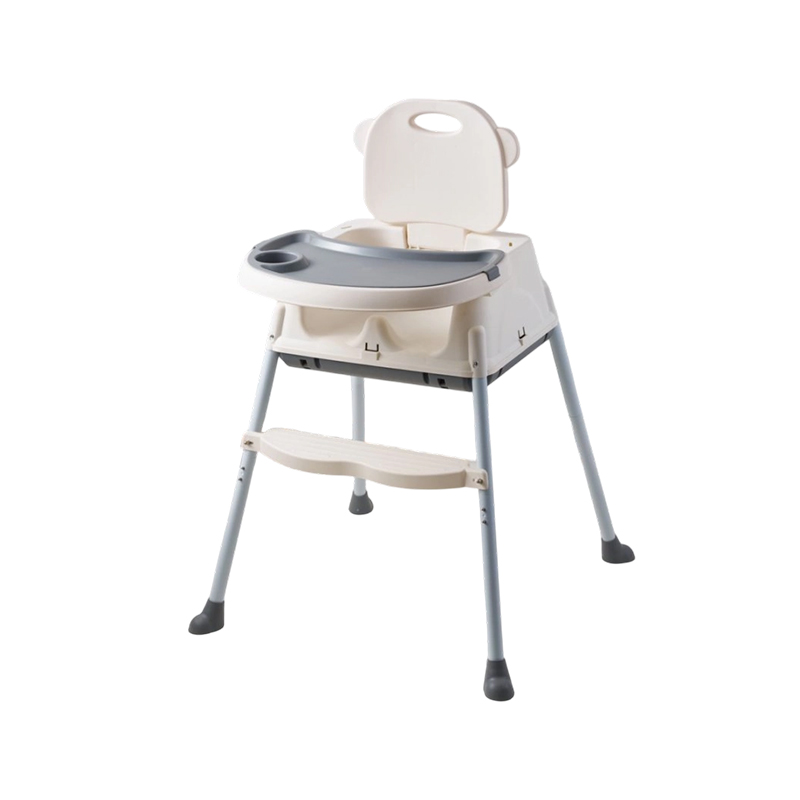 CY01 features description:1. Dining chair height is adjustable2. Multiple modes can be switched at w...View More
-
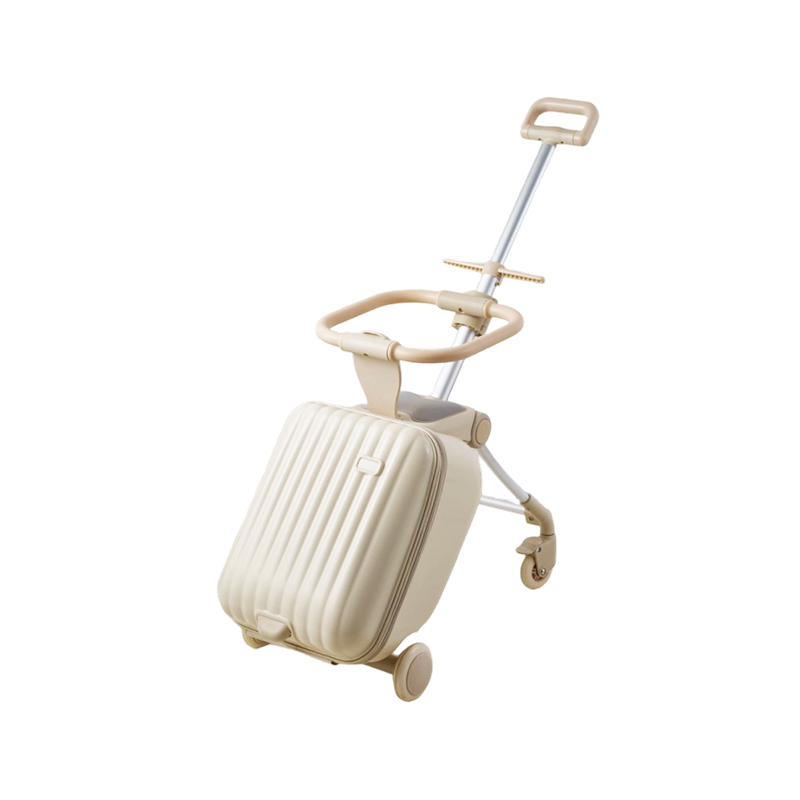 L-01 features description1. 20L, carry-on approved2. Snap-apart frame swaps modes in seconds3. Trian...View More

No. 17, Liboer Avenue, Xialixi Industrial Park, Yongkang City, Zhejiang Province, China
 +86-13345922055
 +86-18057957037
+86-18069926676
 [email protected]
 [email protected]
[email protected]
Get in Touch
Copyright © Yongkang Zhongdao Daily Necessities Co., Ltd. All Rights Reserved
OEM Baby Chair Manufacturer
