 EN
EN
 English
  Español
  Deutsch
Industry News

Industry News
What Makes a Portable Baby High Chair Easy to Clean
Mealtimes with a baby can genuinely leave behind more than an empty plate. Food can collect on the tray, crumbs can settle around the seat, and small spills can reach areas that are easy to overlook until you're wiping them up hours later. When a high chair gets used every day, cleaning becomes part of its normal routine, rather than an occasional task squeezed in when time allows.
A Portable Baby High Chair needs to be practical after the meal, as well as during it. A chair that carries easily but takes genuinely long to clean can create extra work for parents and caregivers already juggling a lot. The structure, tray, seat surface, gaps, removable parts, and material choices all influence how easily food and liquid can be removed at the sink.
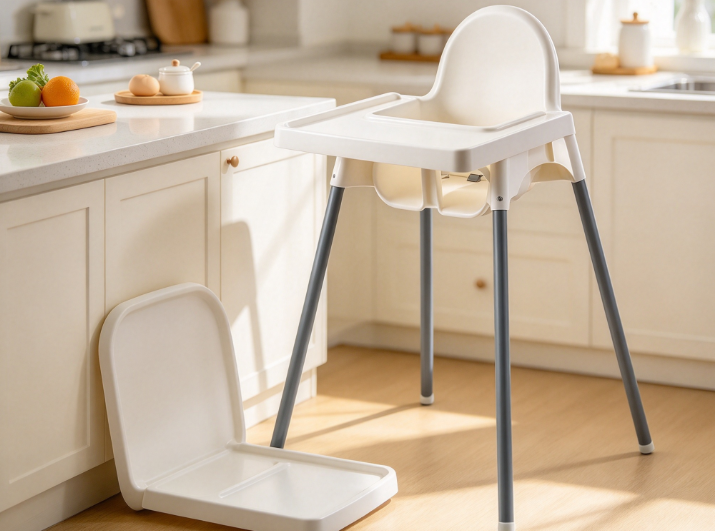
For a Baby High Chair Portable design, cleaning should therefore get considered as part of the overall product structure from the start. Small details can affect whether crumbs are easy to find, whether the tray can be cleaned separately, and whether daily wiping can be completed without taking the entire chair apart on the kitchen floor.
Why Does Cleaning Matter in a Portable Baby High Chair?
A baby high chair operates in an environment where food naturally gets everywhere within minutes. Small pieces can fall from the tray, while sauces, drinks, and soft foods may reach the seat or nearby joints without anyone noticing at the time. A design that leaves many hard-to-reach areas can make routine cleaning feel genuinely more involved than it needs to be.
Daily maintenance becomes genuinely easier when the chair has surfaces reachable without much effort. Parents can wipe the tray, clean the seat, and inspect the areas around the joints without needing to disassemble the entire product after every single meal.
Chair AreaCleaning Consideration
| Chair Area | Cleaning Consideration |
|---|---|
| Tray | Easy access to the eating surface |
| Seat | Simple wiping after meals |
| Seat gaps | Reduced space for crumbs |
| Detachable parts | Easier separate cleaning |
| Frame joints | Accessible areas for wiping |
| Foot area | Easy removal of dropped food |
Cleaning-friendly design isn't about adding more parts to the chair. It's often about making existing parts genuinely easier to reach and maintain during a busy week.
How Does Tray Design Affect Daily Cleaning?
The tray sits directly exposed to food and drinks, so its surface can become dirty during nearly every meal a baby eats. A practical tray should allow parents to wipe away food without having to work around unnecessary shapes or narrow areas tucked into corners.
A relatively open surface makes it genuinely easier to see crumbs and spills at a glance. Edges also matter here because food can collect where the tray surface meets its raised border, hiding in that seam. A tray with a simple structure can get removed when deeper cleaning is needed, allowing the eating surface to be cleaned separately from the chair frame under running water.
For a Baby Booster High Chair, tray design becomes especially relevant because the chair may sit directly at a dining table or get used with its own eating surface instead. The tray should fit its intended use while remaining easy to access during cleaning.
Can Seat Gaps Make a High Chair Harder to Clean?
Small gaps can create hidden areas where crumbs and food particles genuinely settle out of sight. A parent may wipe the visible seat surface and still find food underneath or beside it later that evening while tidying up.
This is why the relationship between different seat sections matters so much. A design with unnecessary openings can require genuinely more attention during daily maintenance. Seat gaps aren't always avoidable because some spaces get created by moving or detachable parts built into the design. The practical question is whether these areas can be reached and cleaned without excessive effort each time.
| Gap Area | Possible Cleaning Challenge |
|---|---|
| Seat edge | Crumbs may collect along the border |
| Backrest connection | Food can settle near the joint |
| Tray connection | Small particles may enter the opening |
| Strap area | Soft food may remain around attachment points |
| Folding joint | Dirt may gather around moving parts |
The goal isn't eliminating every opening in the design. It's making necessary spaces genuinely accessible enough for normal cleaning to happen without a fight.
Why Are Detachable Parts Useful for Cleaning?
Some parts of a high chair receive genuinely more food contact than others during a meal. The tray is an obvious example, but removable seat pads, straps, covers, or other components may also need separate attention once things get messy.
Detachable parts can make cleaning genuinely more practical because each piece can get handled individually at the sink. A parent doesn't need to clean every area while the component stays attached to the complete chair, fighting around it awkwardly. This structure can also make inspection genuinely easier, since removing the tray reveals the connection area underneath, and removing another part can surface hidden crumbs or small spills nobody noticed.
For a Foldable Baby High Chair, detachable parts need to work with the overall structure without creating unnecessary cleaning gaps in the process. A folding design can remain practical when removable components stay straightforward to handle and maintain week after week.
How Do Materials Influence Cleaning?
Material selection genuinely affects how food and liquid behave once they land on a surface. Some surfaces are easier to wipe because they don't have many rough or deeply textured areas trapping residue.
The material also needs to suit regular handling over months of use. A high chair is likely to get wiped frequently, so the surface should remain practical under ordinary cleaning routines rather than wearing out or staining quickly.
| Material Area | Cleaning Consideration |
|---|---|
| Tray surface | Should allow food to be wiped away |
| Seat surface | Should support routine cleaning |
| Frame | Should have accessible surfaces |
| Soft components | Need suitable care methods |
| Small accessories | Should be easy to inspect |
The choice of material shouldn't get considered separately from the shape of the component it covers. Even a wipe-friendly surface can become genuinely difficult to maintain if it contains deep grooves or hard-to-reach edges hiding food. A useful design brings surface and structure together as one decision, not two.
How Can a Smooth Seat Surface Support Daily Maintenance?
The seat comes into direct contact with food, clothing, and the baby's hands throughout a meal. Small spills can therefore spread genuinely beyond the tray as a baby reaches, grabs, and squirms in the seat.
A simple seat surface can make wiping genuinely easier for a tired parent at the end of dinner. When there are fewer unnecessary textures, parents can move a cloth across the surface without repeatedly stopping around small recesses that trap sauce. The seat shape also matters here, since food can move toward edges, corners, and connection areas that should remain accessible for routine cleaning.
A Portable Baby High Chair may get moved between rooms or locations throughout a day, so keeping the seat easy to wipe can make everyday maintenance genuinely more manageable wherever the chair ends up. The design doesn't need to look complicated to support good cleaning habits. A straightforward surface can often make routine wiping genuinely easier to understand and repeat without a manual.
What Role Do Straps and Small Attachments Play?
Straps can come into contact with food and drinks even when they're not part of the eating surface itself. A baby may touch the strap while eating, and small food particles can remain around the attachment area without anyone noticing right away.
This makes strap design genuinely relevant to maintenance planning. If a strap can be removed according to the product's intended care method, cleaning may become genuinely easier at the end of the week. If it remains attached, the surrounding area should still stay accessible for wiping with a damp cloth.
Small attachment points can also create narrow spaces worth checking. These areas deserve attention because they may not be visible during a quick wipe after dinner. A cleaning-friendly design considers not only large surfaces but also the smaller components that come into contact with food during normal use.
How Can Internal Structure Reduce Hidden Food Areas?
A high chair contains several connections between the tray, seat, frame, and other components working together. These connections can create spaces where food particles genuinely settle over repeated meals.
The internal structure should therefore get considered during product development, not discovered later by a frustrated parent. Designers can examine where crumbs may travel and whether those areas remain reachable after assembly is complete.
A useful approach thinks about the cleaning process from the user's point of view. The parent removes visible food from the tray first, then wipes the seat surface. Connection areas get checked next, followed by detachable parts getting cleaned separately when needed. The frame gets inspected for remaining crumbs last, closing out the routine.
This sequence becomes genuinely easier when the structure doesn't hide food in unnecessary spaces. The purpose isn't making every component removable, since too many detachable pieces can create additional handling work nobody wants. The better approach makes necessary components accessible and simple to maintain.
Why Does the Connection Between Tray and Seat Matter?
The tray and seat often work closely together during meals, supporting the baby and holding food in place. Their connection provides support, but it can also create an area where crumbs and liquid genuinely collect over time.
If the connection is genuinely difficult to reach, cleaning may require extra tools or repeated movement to get underneath it. If it can be inspected easily, parents can wipe around the area as part of normal maintenance without a struggle. The connection should also remain practical after repeated cleaning, since parents may handle the tray regularly, meaning the attachment needs to work naturally while staying accessible.
For a Baby High Chair Portable product, the tray connection can influence both daily use and maintenance side by side. A portable structure becomes genuinely easier to manage when the parts needing frequent cleaning can be reached without disturbing unrelated components.
How Does a Travel Baby High Chair Need to Handle Cleaning?
A Travel Baby High Chair may get used in genuinely different eating environments throughout a trip. A family may take it to a restaurant, visit relatives, or use it during an outdoor meal at a park.
Different locations can create genuinely different cleaning conditions to work around. A parent may not have access to a full cleaning area immediately after every meal, especially away from home. This makes simple wipe-down maintenance genuinely useful in the moment. The tray and seat should stay easy to inspect, while food-catching areas shouldn't be unnecessarily difficult to reach with just a napkin.
After returning home, deeper cleaning can happen according to the product's care instructions at the sink. The important point is that the structure should support both quick maintenance during use and more thorough cleaning when appropriate later.
Can a Portable Design Remain Easy to Clean?
Portability and cleaning are connected, but they aren't genuinely the same design goal. A chair may carry easily while still having spaces that collect food along the way.
A portable structure can remain practical when its moving and detachable sections get designed with maintenance in mind from the start. Joints should stay reachable, removable components should stay manageable, and the seat shouldn't create unnecessary hidden areas that trap crumbs.
This becomes particularly relevant when a Foldable Baby High Chair gets used regularly across many weeks. Folding areas can contain moving connections, and these locations may need occasional inspection to stay clean. The folding function doesn't need to dominate the cleaning design. It simply needs to work together with accessible surfaces and sensible component placement.
How Can Daily Cleaning Become Easier for Parents?
A cleaning-friendly high chair can genuinely reduce the number of steps required after a meal. The routine may be as simple as removing leftover food, wiping the tray, cleaning the seat, checking the gaps, and inspecting the surrounding frame before moving on with the evening.
Parents can also develop small habits that help keep the chair manageable over time. Removing food soon after the meal prevents it from drying and sticking. Checking around tray connections catches hidden buildup early. Inspecting seat gaps regularly keeps crumbs from compounding. Cleaning detachable parts according to their care instructions protects the materials. Wiping the frame when food reaches it stops residue from spreading, and allowing cleaned parts to dry as recommended prevents mildew.
These habits work genuinely better when the product structure supports them from the design stage. A chair that can be wiped and inspected easily makes routine maintenance genuinely less disruptive to a busy evening.
What Should Buyers Check When Comparing Cleaning-Friendly High Chairs?
Buyers can examine a high chair from a cleaning perspective before choosing a product for their family. Looking only at appearance or portability doesn't reveal how the chair will genuinely behave after repeated meals over months of daily use.
The tray can get checked for accessible surfaces and edges that won't trap sauce. The seat can get examined for grooves and gaps hiding future crumbs. Detachable components can get reviewed to see whether they're genuinely practical to remove and clean at the sink.
| Buyer Check | Why It Matters |
|---|---|
| Tray access | Supports quick cleaning after meals |
| Seat gaps | Helps identify potential crumb areas |
| Detachable parts | Allows separate maintenance |
| Surface texture | Affects wiping effort |
| Connections | Helps with hidden-area inspection |
| Frame structure | Supports cleaning around the seat |
These checks can help buyers understand the product genuinely beyond its appearance on a store shelf. A high chair that fits the family's cleaning routine may be genuinely easier to manage during everyday meals for years to come.
How Can Manufacturers Design for Easier Cleaning?
Cleaning can get considered during the early stages of product development, rather than treated as an afterthought bolted on near launch. Designers can observe where food is likely to land, how liquid may move, and which areas parents will need to wipe regularly during actual use.
The structure can then get reviewed around the tray, seat, joints, detachable parts, and surface materials as a whole system. Trial use can reveal whether crumbs collect in unexpected places or whether a connection is genuinely difficult to reach once assembled.
Manufacturers can also examine the chair after repeated cleaning routines simulate months of use. This helps identify whether surfaces remain practical to maintain and whether detachable parts continue to fit naturally after regular handling and washing.
For a Portable Baby High Chair, cleaning should work with the complete product structure as one coherent design. The goal is a chair that allows parents to deal with food residue, small spills, and everyday dirt without turning each meal into a genuinely long maintenance task at the end of the day.
NEXT:How Does an Outdoor Baby Chair Manufacturer Design for Outdoor Use
-
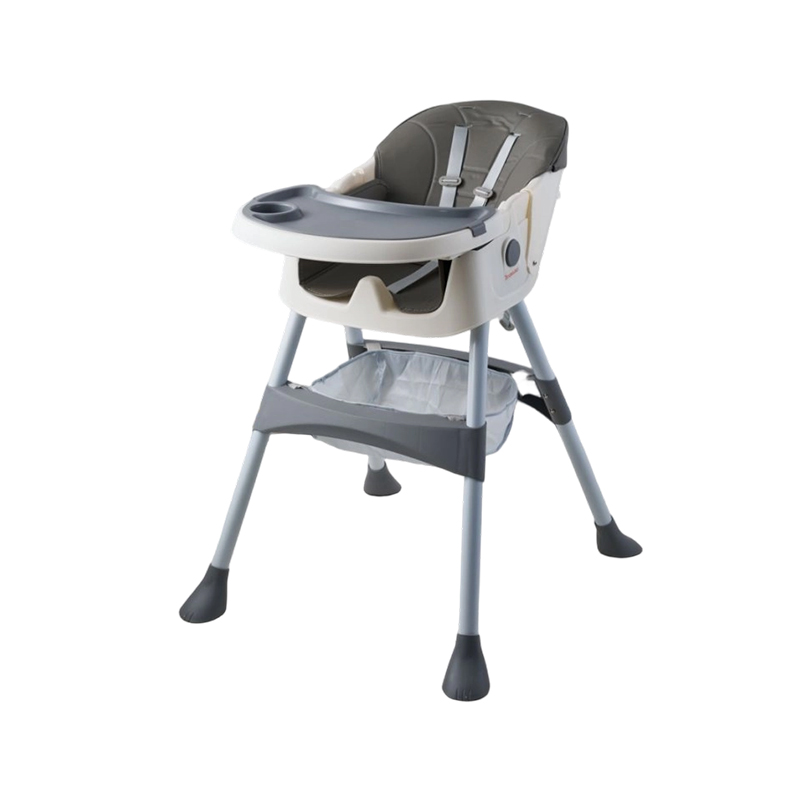 CY12 Features Description:1. No installation required, ready to use straight out of the box2. Can be...View More
-
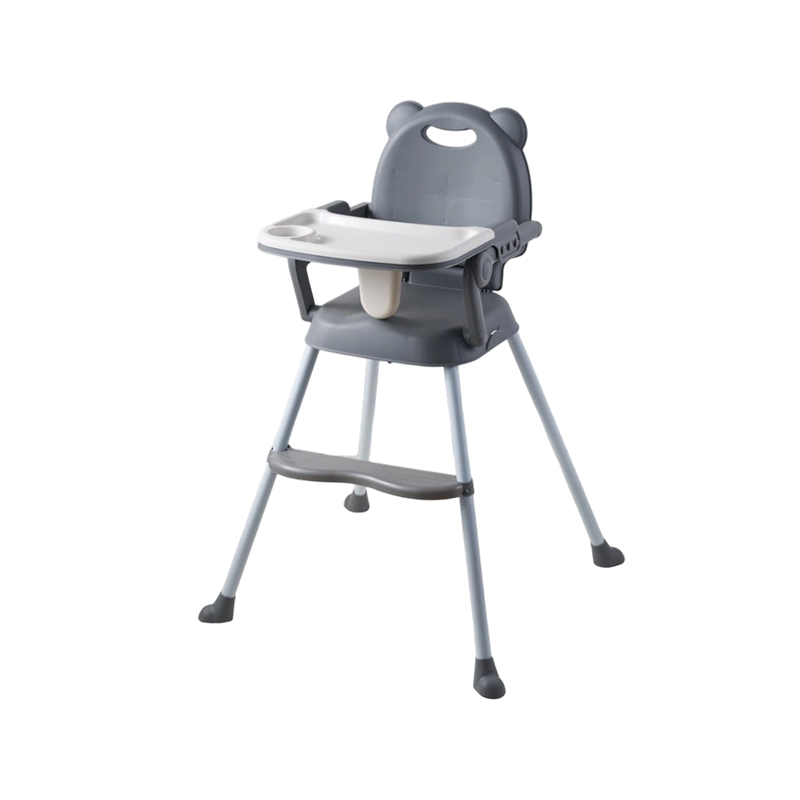 CY05 features description:1. Dining chair height is adjustable2. Multiple modes can be switched at w...View More
-
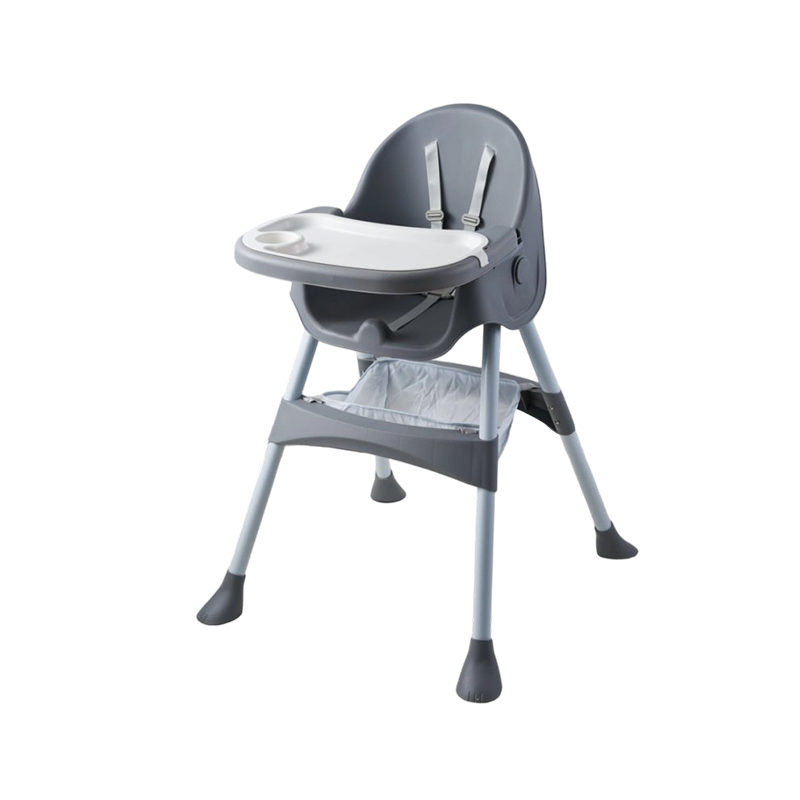 CYO3 Features:1. Dining chair height is adjustable2. Multiple modes can be switched at will3. Three-...View More
-
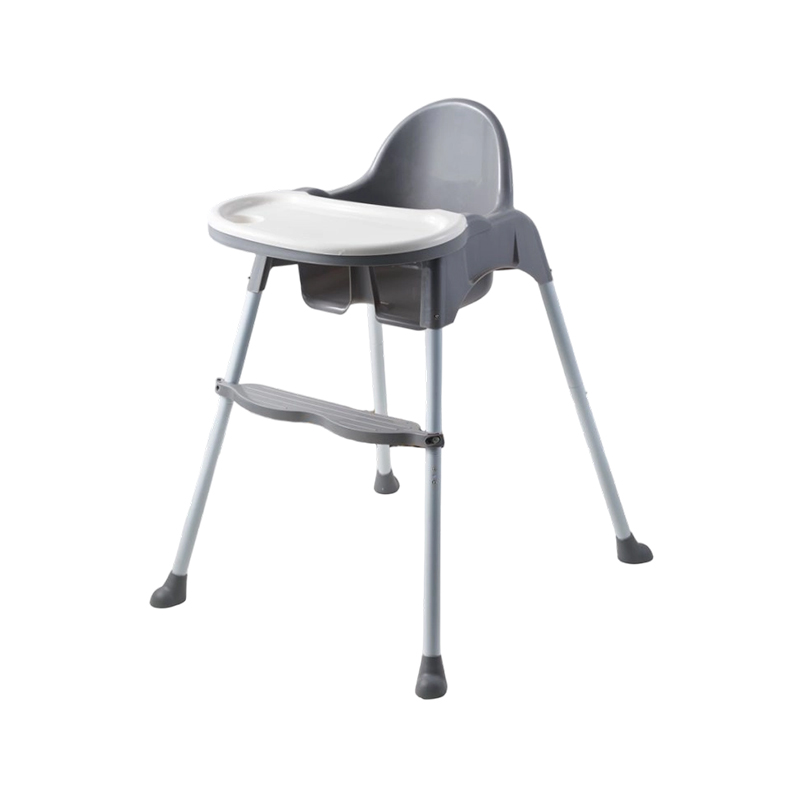 CY02 features description:1. Dining chair height is adjustable2. Multiple modes can be switched at w...View More
-
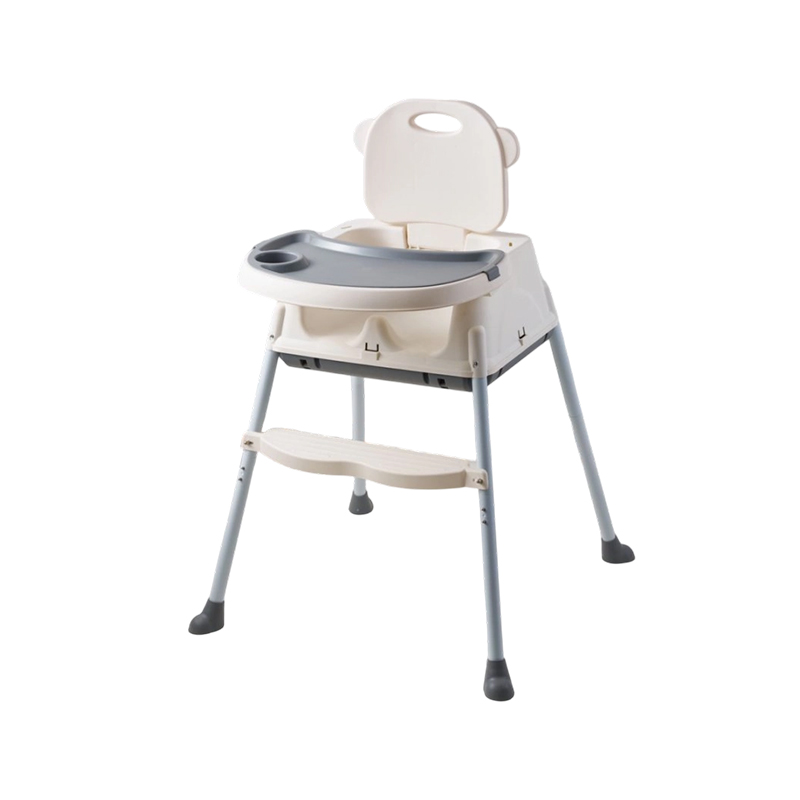 CY01 features description:1. Dining chair height is adjustable2. Multiple modes can be switched at w...View More
-
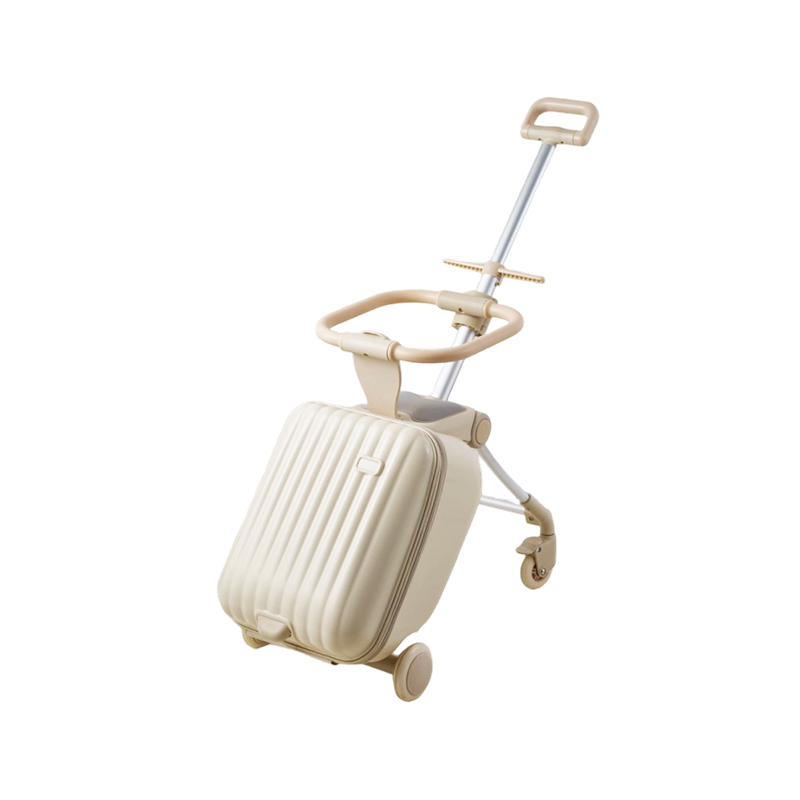 L-01 features description1. 20L, carry-on approved2. Snap-apart frame swaps modes in seconds3. Trian...View More

No. 17, Liboer Avenue, Xialixi Industrial Park, Yongkang City, Zhejiang Province, China
 +86-13345922055
 +86-18057957037
+86-18069926676
 [email protected]
 [email protected]
[email protected]
Get in Touch
Copyright © Yongkang Zhongdao Daily Necessities Co., Ltd. All Rights Reserved
OEM Baby Chair Manufacturer
