 EN
EN
 English
  Español
  Deutsch
Industry News

Industry News
How Does An Adjustable Booster Chair Fit Different Family Needs
In everyday homes, children rarely use the same seat in exactly the same way for long. A meal at the table, a snack in another room, or a quick seat beside an adult can all place different demands on the same product. That is why an adjustable booster chair is often judged less by its feature list and more by how quietly it fits into family routines.
The useful part is usually the practical one. Does it sit well with the table? Does it feel steady when the child moves? Does it stay convenient after repeated use? Those small checks often matter more than the first impression.
How height adjustment mechanisms change the way children sit and interact during meals
Height adjustment changes more than position. It changes how the child reaches the table, how the elbows rest, and how much leaning happens during a meal. A small change can make the seating feel natural, while a poor setting can make the child keep shifting around.
| Adjustment method | What it feels like in use | Typical use pattern |
|---|---|---|
| Step-based setting | Clear and predictable | Good for repeated routines |
| Sliding setup | Easier to fine-tune | Helpful when table height varies |
| Layered support | More change in structure | Suits gradual changes over time |
In daily life, the adjustment feature is only useful when it stays easy to use. If it takes too much effort, it often gets left alone. Then the seat stays in one position, even when that position is not quite right.
What makes a child seating solution adapt well to different dining table heights and home setups
Homes do not follow one fixed layout. Some tables are taller, some chairs are deeper, and some spaces leave very little room to spare. A seating solution works better when it can settle into those differences without making the room feel crowded or awkward.
A few details usually decide whether the fit feels smooth:
- the way the seat rests on the chair surface
- the shape of the back support against different chair styles
- the amount of space the base takes up near the table
An adjustable booster chair is often chosen for this kind of flexibility, but the real test is simple: does it feel settled once it is in place? If the answer is yes, daily use tends to feel easier and more natural.
Why adjustable seating options are often considered during early childhood growth stages
Children change in small, steady ways. Their sitting posture improves, their balance becomes more stable, and they begin to move with more confidence. Seating that works well at one stage may feel too fixed later on.
In the early stage, more support is usually helpful. Later, the child may want a little more freedom. After that, the seat often needs to feel less like a special setup and more like a normal part of the dining space.
| Stage of use | What the child may need | What the seat should allow |
|---|---|---|
| Early stage | More support and guidance | A steady, close position |
| Middle stage | Some independence | Room for small adjustments |
| Later stage | More natural sitting | Less dependence on extra support |
This is one reason an adjustable booster chair stays relevant for a while. It can move with the child instead of asking the family to replace the setup too soon.
What design elements help improve stability when children move or shift during sitting
Children do not sit like statues. They lean forward, twist to look around, and shift their weight without much warning. A seat that feels fine when still may feel very different once that movement starts.
Stability usually comes from several things working together:
- a base that spreads weight evenly
- a connection that stays firm on the chair
- contact points that do not slip easily
The real value shows up during ordinary movement. A child reaching for a spoon or turning toward a parent should not make the seat feel loose or unsteady. That kind of quiet reliability is often what people notice after the product has been used for a while.
In an adjustable booster chair, stability and flexibility need to stay balanced. Too much looseness makes it feel uncertain. Too much rigidity can make it harder to use. The middle ground is usually where the seat feels most practical.
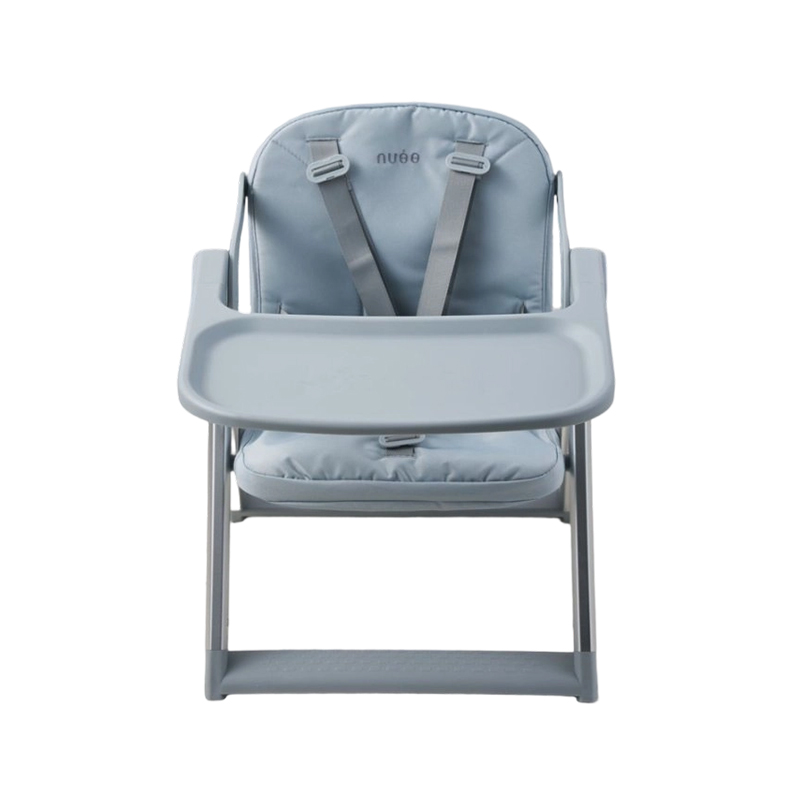
What should be considered about cleaning details when food contact is frequent in daily use
Cleaning is one of those things that looks minor at first, then becomes part of every day. Once food spills, crumbs, or sticky spots start appearing after each meal, the shape of the seat matters more than people expect. Surfaces that feel smooth in the store can still be annoying if there are tight corners or places where residue keeps settling.
A few practical points usually make the difference:
- Seats with fewer seams are easier to wipe down
- Removable parts are simpler to handle after messy meals
- Open edges help reduce places where food gets trapped
For an adjustable booster chair, cleaning is not only about appearance. It affects whether the seat still feels convenient after repeated use. If it takes too long to clean, families often begin to avoid moving it around or using it as often as they planned.
| Cleaning detail | What it changes in daily use | What families often notice |
|---|---|---|
| Smooth surface | Faster wipe-down | Less time spent after meals |
| Removable pieces | Easier washing | Better for frequent food contact |
| Fewer tight gaps | Less residue buildup | Cleaner look over time |
Where flexible seating solutions can be used beyond the dining area in a household
A flexible seat is not always limited to the dining table. In many homes, it ends up moving from one place to another depending on the day. A corner near the kitchen, a living room area during snack time, or a temporary spot beside a parent can all become part of its use pattern.
That kind of movement is easier when the seat does not feel tied to one fixed room. People usually notice this when a child wants to stay near the family, but the meal itself is not happening at the main table. In those moments, a seating option that can shift with the routine tends to feel more natural.
An adjustable booster chair may be used in these settings when the household wants one setup that can move between spaces without much preparation. The value is less about formality and more about how easily it blends into the room where it happens to be placed.
Tips for selecting a seating option that adapts to different stages of a child's development
A seat that works for a younger child may not feel quite the same a little later. The way a child sits, reaches, and shifts changes gradually, so the seating choice usually needs to leave some room for that change.
A few things are worth paying attention to:
- Whether the seat still feels steady as the child becomes more active
- Whether the support feels too fixed or too loose over time
- Whether the overall shape still suits daily meals after routines change
An adjustable booster chair is often useful in this kind of situation because it can follow small changes instead of forcing a new setup too soon. That does not mean every seat needs every feature. It simply means the structure should leave enough room for the child to grow into it without making the family rework everything around it.
How height adjustment mechanisms change the way children sit and interact during meals
Height affects more than position. It changes how close the child feels to the table, how easily food can be reached, and whether the body feels settled or stretched out. A small mismatch can turn into repeated leaning or shifting during meals.
When the setting is closer to the right level, the child usually sits with less effort. Arms rest more naturally, and the meal tends to feel less interrupted by constant repositioning. That is often why families keep returning to adjustable seating instead of fixed setups.
In an adjustable booster chair, the height system is only useful when it feels straightforward enough to adjust without thinking too much about it. If the change feels awkward, the seat may stay in the wrong position for longer than it should.
NEXT:Advantages of Foldable Baby High Chairs
-
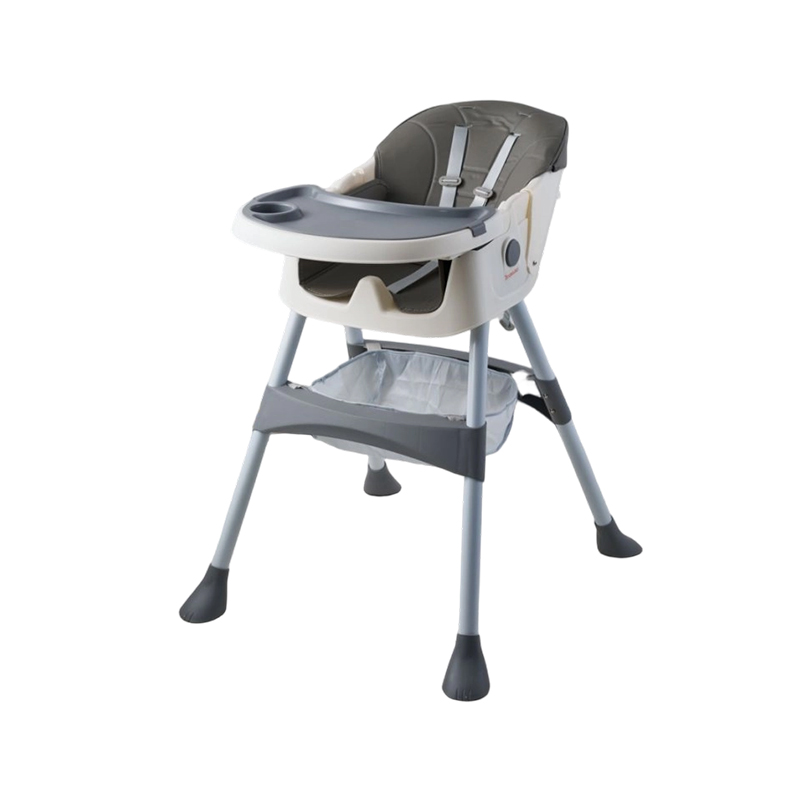 CY12 Features Description:1. No installation required, ready to use straight out of the box2. Can be...View More
-
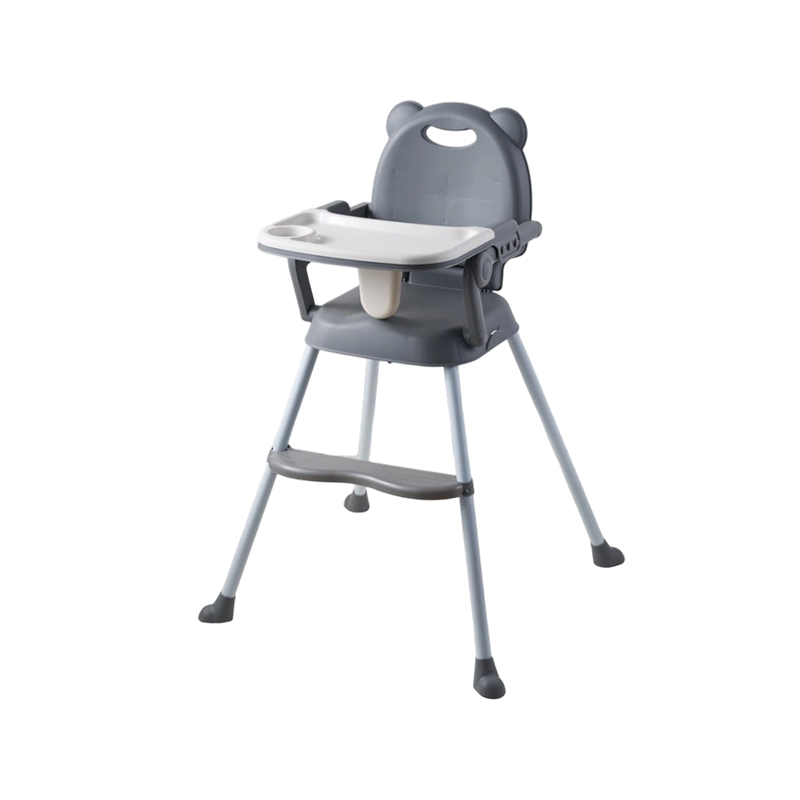 CY05 features description:1. Dining chair height is adjustable2. Multiple modes can be switched at w...View More
-
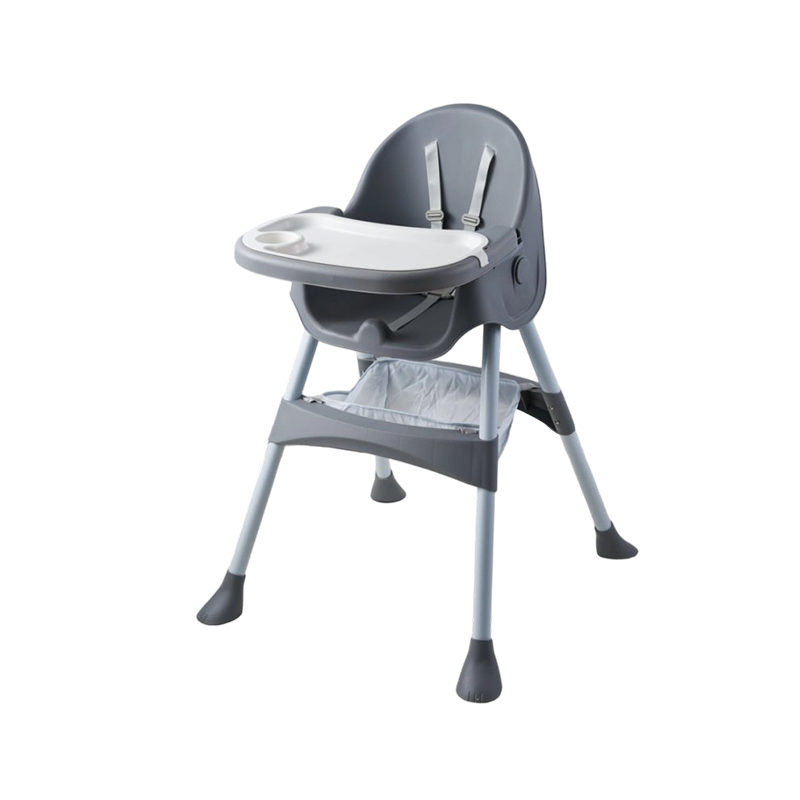 CYO3 Features:1. Dining chair height is adjustable2. Multiple modes can be switched at will3. Three-...View More
-
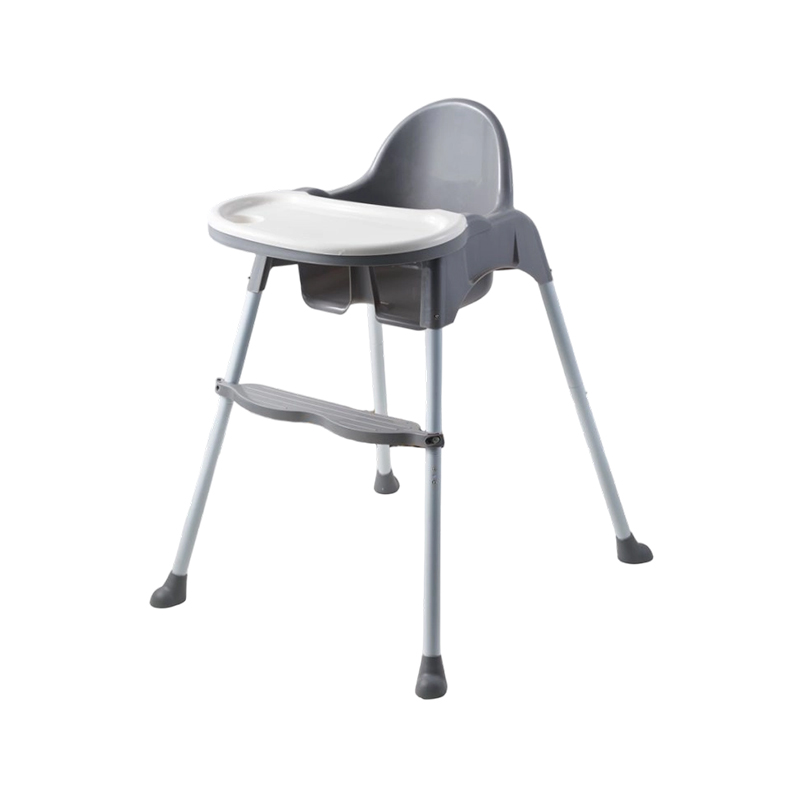 CY02 features description:1. Dining chair height is adjustable2. Multiple modes can be switched at w...View More
-
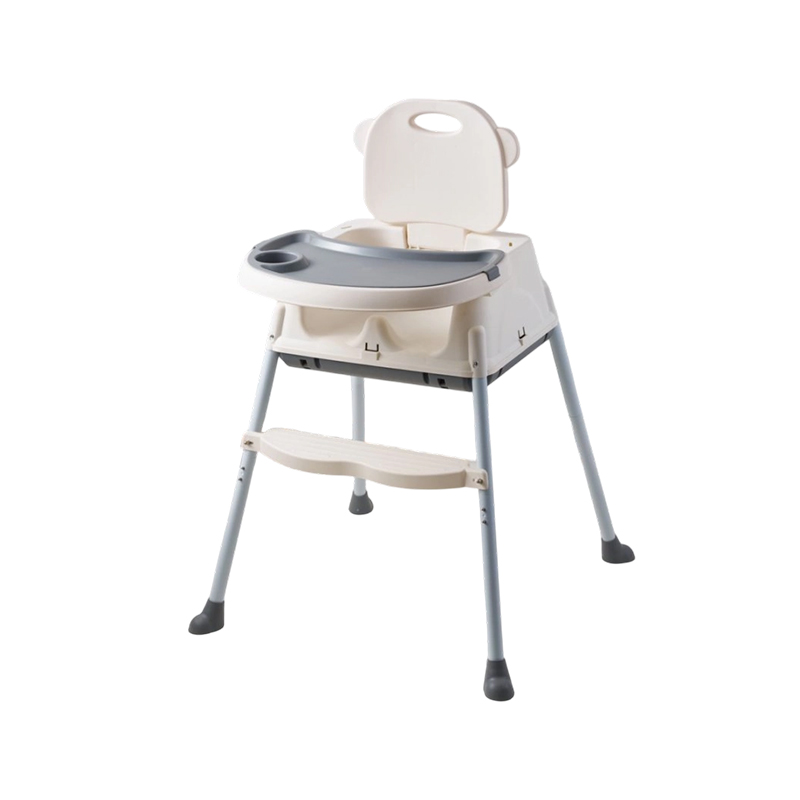 CY01 features description:1. Dining chair height is adjustable2. Multiple modes can be switched at w...View More
-
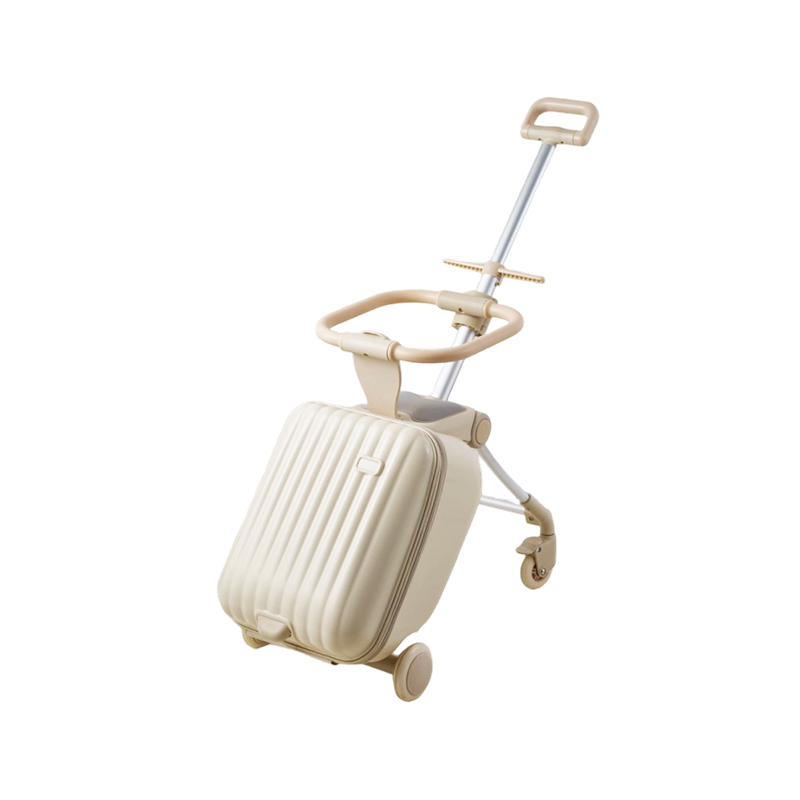 L-01 features description1. 20L, carry-on approved2. Snap-apart frame swaps modes in seconds3. Trian...View More

No. 17, Liboer Avenue, Xialixi Industrial Park, Yongkang City, Zhejiang Province, China
 +86-13345922055
 +86-18057957037
+86-18069926676
 [email protected]
 [email protected]
[email protected]
Get in Touch
Copyright © Yongkang Zhongdao Daily Necessities Co., Ltd. All Rights Reserved
OEM Baby Chair Manufacturer
