 EN
EN
 English
  Español
  Deutsch
Industry News

Industry News
How to Choose a Wholesale Kids Ride On Luggage Supplier
Buying children's ride on luggage for a retail or distribution business is not simply a matter of choosing a style from a product catalog. The same model can look quite different once details such as wheels, handles, shell finishing, storage space, packaging, and color are checked closely.
Supplier selection also affects what happens after the sample stage. A product may look suitable in a photo but raise different questions when several units are handled, packed, stored, and prepared for sale. For this reason, it is useful to treat sourcing as a series of connected decisions rather than a single price comparison.
How Can Buyers Evaluate a Wholesale Kids Ride On Luggage Supplier
A supplier check usually starts with the products on offer. Buyers can look at whether the available models fit the type of customers they serve and whether the supplier can provide clear information about construction, dimensions, materials, colors, packaging, and available options.
The way product information is presented can also reveal how easy future communication may be. If basic specifications are unclear or change from one document to another, small issues can become difficult to resolve later.
Production arrangements deserve attention as well. A buyer placing a repeat order needs some confidence that the agreed design can be reproduced without unnecessary changes. Questions about sample approval, product adjustments, packaging, and production communication are therefore more useful than general statements about factory capability.
A practical supplier review may include:
- Available product styles and configurations
- Sample arrangements
- Customization options
- Product specification sheets
- Packaging choices
- Communication during quotation and sample stages
- Procedures for confirming order details
For a Wholesale Kids Ride On Luggage Supplier, these points give buyers a starting point for deciding whether the supplier fits the purchasing requirements. There is no need to make a decision from one feature alone. Several small details usually provide a clearer picture.
What Should Buyers Check When Reviewing a Ride On Luggage Sample
A physical sample can answer questions that product images cannot. Once the luggage is in hand, the wheels, handle, shell, seat area, zippers, and interior can be checked individually.
Start with movement. Push the case over a suitable flat surface and pay attention to how the wheels respond when changing direction. The handle can be extended and returned several times. Any unusual looseness, resistance, or uneven movement is worth recording before the product moves into a larger order.
The shell is another area to inspect closely. Look for scratches, uneven surfaces, visible marks, loose fittings, or areas where finishing appears inconsistent. The zipper should run along its intended path without catching. Stitching around the opening and other connected sections can be checked by hand.
The riding area deserves its own inspection. Since a child may sit on the luggage, its shape and attachment points should match the intended design. The internal compartment can then be checked to see whether the storage arrangement corresponds with the supplied specifications.
| Sample Area | Inspection Focus |
|---|---|
| Wheels | Movement and attachment |
| Telescopic Handle | Extension and retraction |
| Shell | Surface and finishing |
| Zippers | Opening and closing |
| Seat Area | Attachment and stability |
| Interior | Lining and available storage |
Notes made during sample inspection are useful when changes are requested. Rather than describing a problem only as "not suitable," buyers can identify the exact part that needs attention. That makes the next round of communication much easier.
Which Product Details Matter Most for Wholesale Quality Control
A sample represents one product. A bulk order involves many units, and consistency becomes a separate concern.
The points approved during sampling can serve as a reference for later production. Color, wheel placement, handle installation, stitching, interior finishing, and other visible details should remain aligned with the agreed version.
Some problems are easy to notice. Others only become apparent when several units are placed side by side. Slight differences in color or assembly, for example, may not stand out when looking at a single piece.
Quality checks can therefore cover both individual components and the way those components are fitted together. A wheel may look fine by itself but sit differently from the others. A handle may operate correctly while its connection to the case feels loose. These details are easier to address before shipment than after the products have reached a warehouse.
For wholesale purchasing, a simple inspection record can include:
- Exterior appearance
- Wheel condition
- Handle operation
- Zipper function
- Stitching
- Component connections
- Interior finishing
- Packaging condition
This gives the Wholesale Kids Ride On Luggage Supplier a clearer reference when production questions arise. It also gives the buyer something more concrete than a general expectation of "good quality."
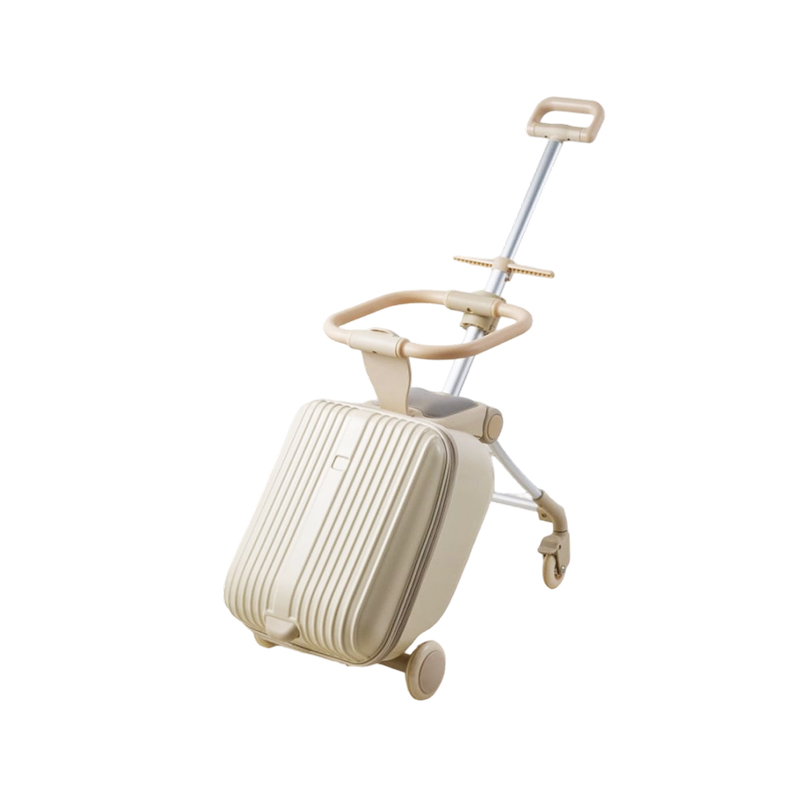
What Safety Features Should Buyers Consider Before Bulk Orders
Ride on luggage has a different use pattern from ordinary children's luggage because the product may be used as both a suitcase and a seat. That changes the areas buyers need to examine.
Stability is one consideration. The case should behave predictably when it is moved, turned, or used in its intended riding position. Wheel placement, the base structure, and the relationship between the seat and luggage body all have a role in how the product feels during use.
The handle and connected parts should also be checked. These areas are handled frequently and can receive repeated movement during travel. Rough edges, unfinished surfaces, loose fittings, or exposed points deserve attention during sample inspection.
Product information matters here as well. The intended use, recommended user conditions, and relevant instructions should correspond with the actual product. A supplier and buyer need to have the same understanding of how the luggage is intended to be used.
Safety should not be treated as a separate check performed only immediately before shipping. It can be considered during sample selection, product adjustment, quality inspection, and packaging preparation. That approach keeps the requirements connected throughout the purchasing process.
What Can Buyers Customize With a Kids Ride On Luggage Supplier
Not every buyer needs a completely new product. In many cases, customization starts with relatively visible changes.
Color and pattern are common areas to discuss, followed by packaging and other appearance-related details. Depending on the supplier's production arrangements, buyers may also discuss materials, dimensions, surface finishing, internal layout, or component configuration.
The key is to separate the existing product from the requested changes. If a buyer wants a different color but does not want changes to the wheels, handle, or interior, that should be made clear. The same applies to packaging. A customized outer package should not be assumed to mean that the product itself has been modified.
A sample becomes particularly useful when several changes are involved. A visual reference, written description, or physical sample can be used to establish what the finished version should look like.
Before approving customization, it is useful to clarify:
- Which parts remain unchanged
- Which colors or patterns are being replaced
- Whether the product dimensions remain the same
- Whether packaging is also being modified
- Whether another sample is required
- Which approved version will be used for production
For buyers working with a Wholesale Kids Ride On Luggage Supplier, keeping these details in one set of specifications can reduce back-and-forth communication. It also gives both sides a common reference when the order enters production.
How Do MOQ and Order Quantity Affect Wholesale Luggage Costs
Quantity is closely connected with the way a wholesale order is arranged. The purchasing conditions for a standard product may differ from those for a customized version, especially when changes involve color, packaging, or other production details.
A sample order and a bulk order serve different purposes. The sample gives the buyer a chance to examine the product and request changes. Once the sample is accepted, the larger order can follow the agreed specifications.
When comparing quotations, looking only at the amount shown beside one unit can leave out other parts of the purchase. Packaging, customization, sample preparation, and order conditions may all affect the final arrangement.
| Purchasing Point | What to Confirm |
|---|---|
| Product | Model and agreed specifications |
| Quantity | Required volume and order conditions |
| Customization | Colors, patterns, materials, or packaging |
| Sample | Approval and revision requirements |
| Packaging | Individual and outer packing |
| Delivery | Production and shipping arrangements |
This is particularly relevant when comparing several suppliers. Two quotations may appear similar at first glance but cover different product or packaging requirements. Checking the conditions behind each quotation gives the price a more useful context.
How Should Kids Ride On Luggage Be Packaged for Wholesale Shipping
Packaging is easy to overlook when the main focus is on the product itself. However, wheels, handles, corners, and exterior surfaces can be exposed to rubbing or impact during handling if the package does not hold the product securely.
Individual packaging should keep the luggage from moving excessively inside the package. Depending on the design, protruding parts may need additional protection. The outer carton should also be suitable for the number of units being packed together.
Retail requirements can affect the packaging decision as well. A buyer may need particular information, graphics, or presentation on the individual package, while a distributor may place more emphasis on storage and transport.
Packaging details should therefore be agreed before production rather than left until the shipment stage. If the product design, quantity, or customization changes, the packing arrangement may need to change with it.
For a Wholesale Kids Ride On Luggage Supplier, packaging instructions are easier to follow when they are tied directly to the approved product version. Buyers can also ask for the packing arrangement to be confirmed before the order moves forward.
What Should Buyers Confirm Before Placing a Bulk Order
The final purchasing check is mainly about consistency. The product discussed during quotation, the approved sample, and the information written into the order should describe the same version.
This is where small details can become important. A color name that was discussed casually may need a clearer reference. A packaging request mentioned during a conversation may need to appear in the order information. A change made after sample approval should also be recorded rather than relying on memory.
A useful final review can cover the product, quantity, customization, sample, packaging, quality requirements, and delivery arrangements. If any of these points remain unclear, it is better to resolve them before production begins.
The same applies to inspection. Buyers may have specific areas they want checked before shipment, such as wheel movement, handle operation, appearance, stitching, or packaging condition. These requirements can be communicated in advance so that the inspection is based on agreed points.
The purchasing process becomes easier to manage when each stage connects with the next: supplier selection establishes the initial requirements, sample inspection checks the physical product, quality control addresses consistency, customization defines changes, and packaging and order confirmation prepare the goods for delivery.
For businesses reviewing sourcing options, the actual product specifications, sample requirements, customization requests, packaging arrangements, and purchasing conditions should remain the main points of discussion. Inquiries related to these areas can also be directed through Yongkang Zhongdao Daily Necessities Co., Ltd., with the specific product and order requirements confirmed according to the buyer's needs.
NEXT:How Can a Multifunction Baby Rocker Supplier Meet Buyer Needs
-
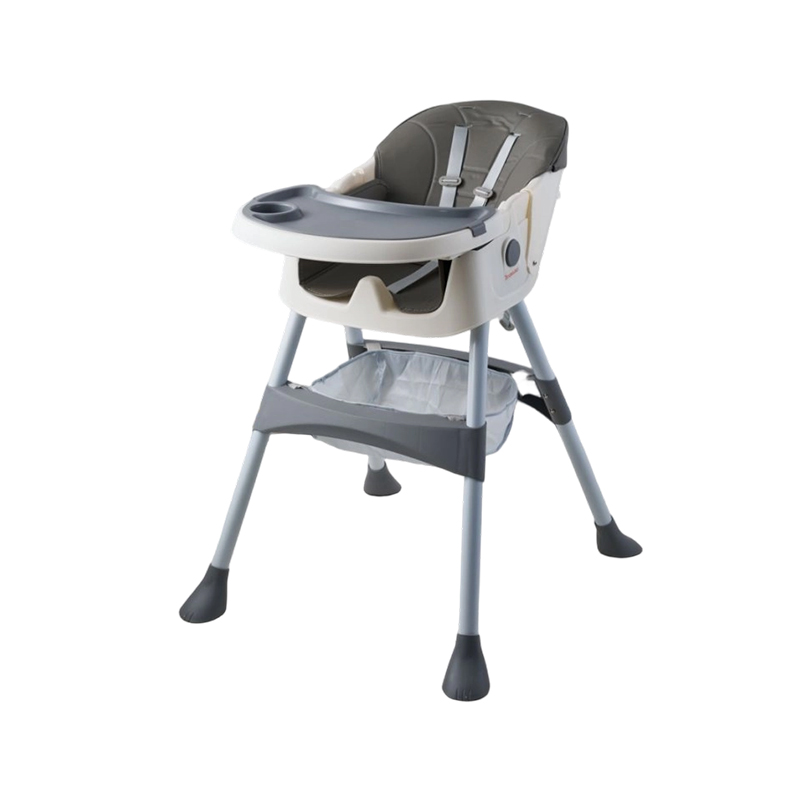 CY12 Features Description:1. No installation required, ready to use straight out of the box2. Can be...View More
-
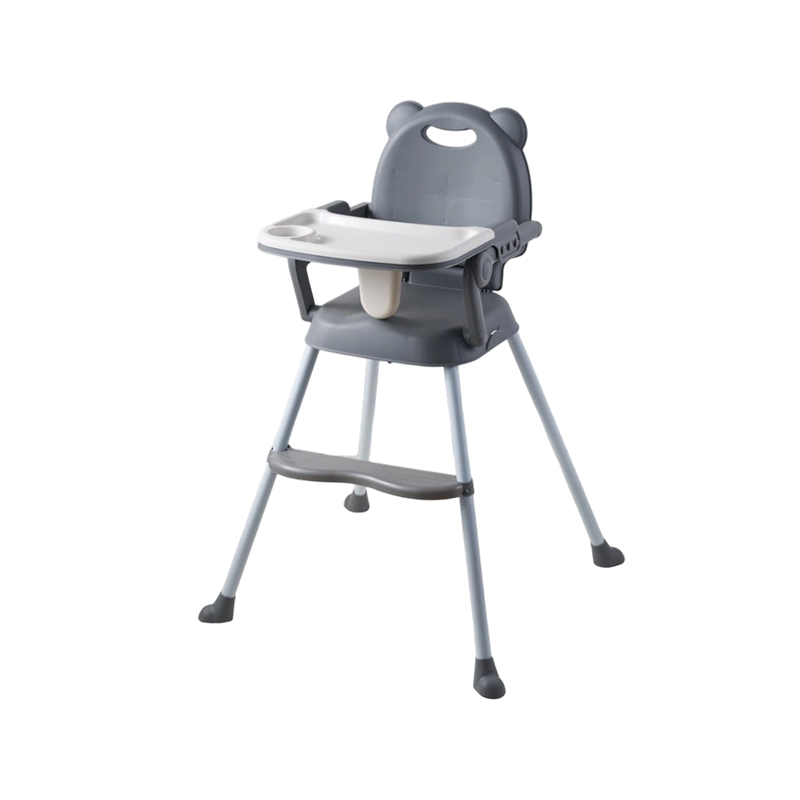 CY05 features description:1. Dining chair height is adjustable2. Multiple modes can be switched at w...View More
-
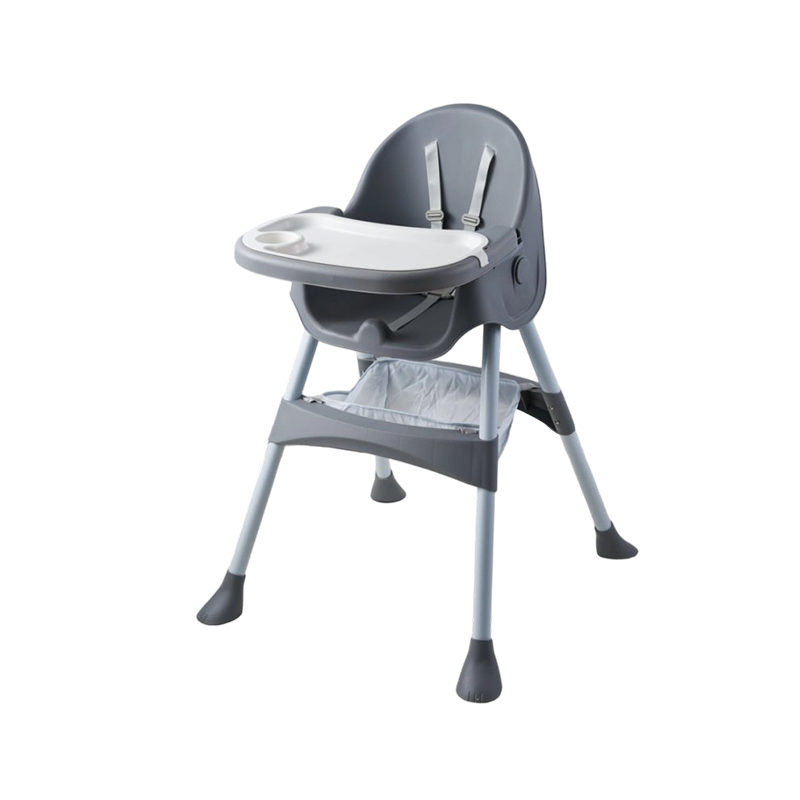 CYO3 Features:1. Dining chair height is adjustable2. Multiple modes can be switched at will3. Three-...View More
-
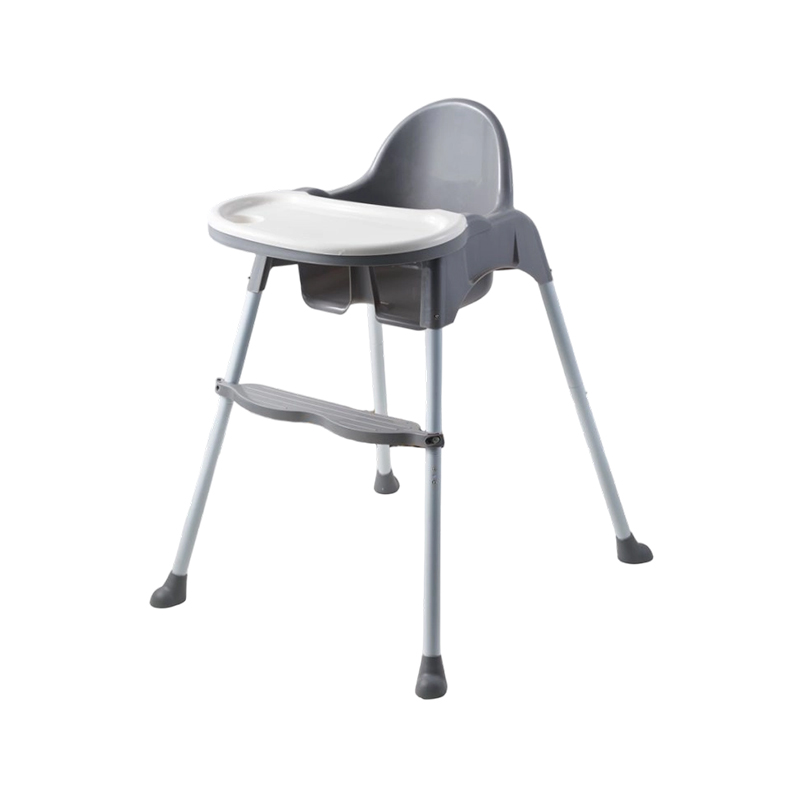 CY02 features description:1. Dining chair height is adjustable2. Multiple modes can be switched at w...View More
-
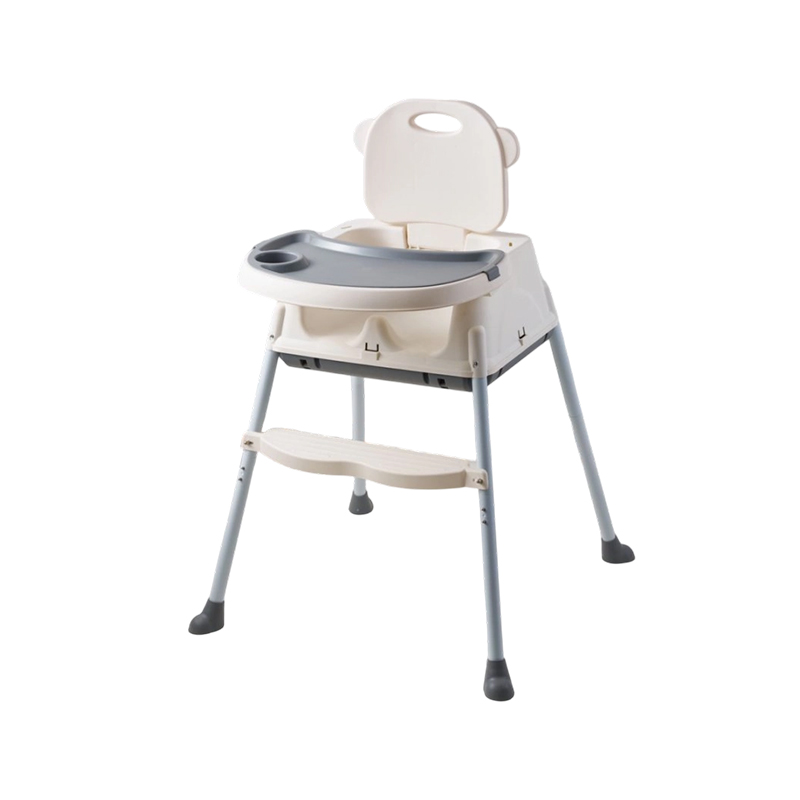 CY01 features description:1. Dining chair height is adjustable2. Multiple modes can be switched at w...View More
-
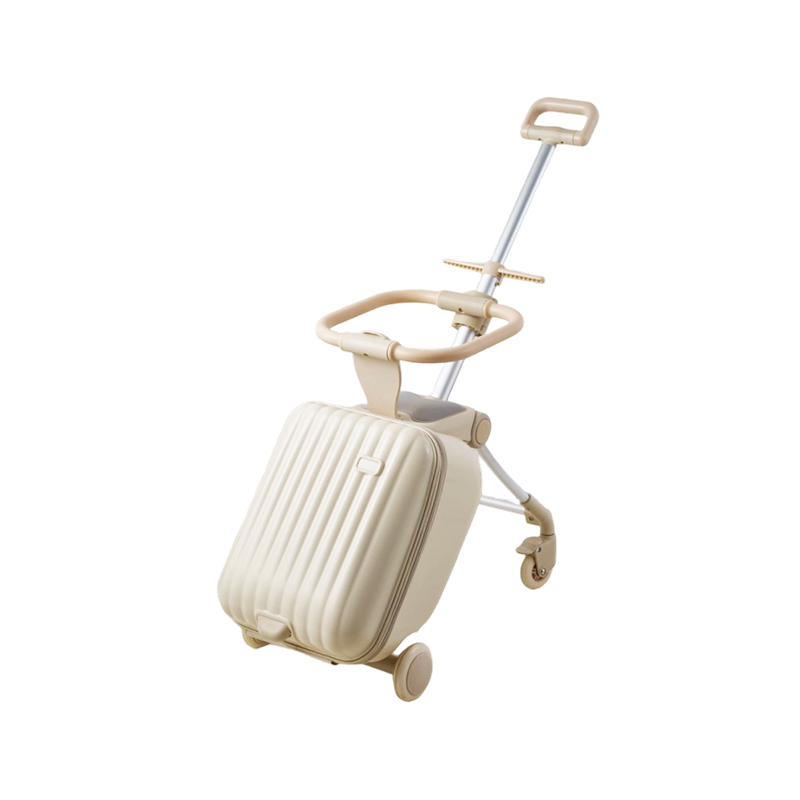 L-01 features description1. 20L, carry-on approved2. Snap-apart frame swaps modes in seconds3. Trian...View More

No. 17, Liboer Avenue, Xialixi Industrial Park, Yongkang City, Zhejiang Province, China
 +86-13345922055
 +86-18057957037
+86-18069926676
 [email protected]
 [email protected]
[email protected]
Get in Touch
Copyright © Yongkang Zhongdao Daily Necessities Co., Ltd. All Rights Reserved
OEM Baby Chair Manufacturer
