 EN
EN
 English
  Español
  Deutsch
Industry News

Industry News
How Can a Multifunction Baby Rocker Supplier Meet Buyer Needs
A baby rocker may look like a simple product, but its design brings together several practical considerations. Buyers may look at movement, seating position, folding, cleaning, safety features, customization, packaging, and transport before deciding whether a product fits their needs. For suppliers, meeting these expectations is therefore not simply a matter of adding more functions. Each feature needs to work with the overall structure and intended use.
This is also why communication between buyers and manufacturers matters during product development. A retailer may focus on appearance and storage, while another buyer may pay closer attention to adjustable positions, removable parts, or packaging. A clear understanding of these differences can make the development process easier to follow.
For a Multifunction Baby Rocker Supplier, the challenge is to connect these requirements without making the product difficult to use or difficult to manage during production.
How Does A Multifunction Baby Rocker Supplier Handle OEM Customization
Customization usually begins with a basic product that can be adjusted according to a buyer's requirements. The changes may involve appearance, fabric, color, product configuration, packaging, or selected functions. Not every request needs to affect the entire product. In many cases, a practical customization process starts by identifying which parts actually need to change.
For example, a buyer may want a different seat covering while keeping the existing frame arrangement. Another buyer may prefer a different combination of functions. These requests should be discussed in relation to the existing structure rather than treated as separate changes.
A useful customization discussion can cover:
- Which functions should remain unchanged
- Which visible parts need adjustment
- Whether removable parts should follow a particular design
- Whether packaging needs to match the customized product
- Whether a sample is required before production
The communication stage is particularly important because a small design change can affect another part of the product. Changing the seat fabric, for instance, may require attention to how the covering fits around the seat. Adjusting a component can also affect how the product folds or how it is packed.
For buyers, clear product requirements make it easier to review a proposed design. For suppliers, a defined request provides a practical basis for preparing samples and checking the finished product.
What Functions Should A Multifunction Baby Rocker Include
The meaning of "multifunction" can vary from one product to another. A rocker may combine rocking with a stationary seating position, while another design may add adjustable backrest positions, a toy bar, music, vibration, or other features. The useful question is not how many functions can be added, but whether each function has a clear purpose.
A flexible backrest, for example, can change the seating position according to different daily activities. A removable toy bar can provide a play element while also allowing the seating area to be used without it. A detachable cushion may make cleaning more manageable.
| Product Feature | Practical Consideration |
|---|---|
| Adjustable Backrest | Position should change smoothly and remain secure during use |
| Removable Seat Parts | Removal and reattachment should be straightforward |
| Toy Bar | Attachment should fit the overall seat structure |
| Rocking Function | Movement should work with the base design |
| Foldable Structure | Folding should not make normal setup unnecessarily complicated |
Adding several functions also creates a design balance. More moving or removable parts can mean more areas that need inspection. The seat, frame, adjustment points, and accessories should therefore be considered as one product rather than as unrelated components.
This broader view helps a Multifunction Baby Rocker Supplier respond to different buyer preferences while keeping the product practical.
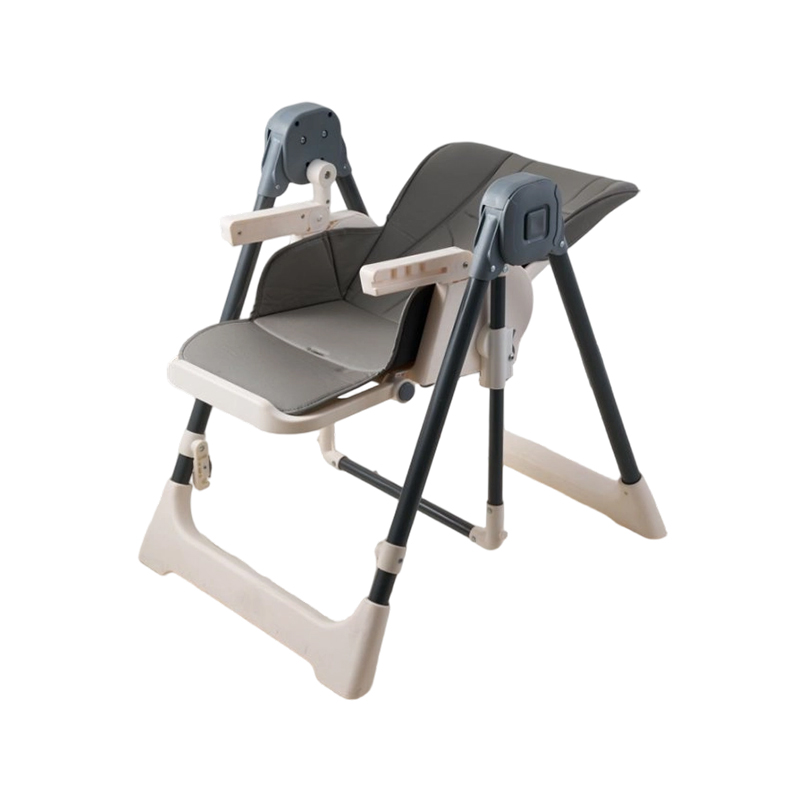
What Should Buyers Check Before Ordering From A Multifunction Baby Rocker Supplier
Before placing an order, buyers usually need to turn a general product idea into a clear set of requirements. Product appearance alone does not provide enough information. A closer review should include the structure, functions, removable parts, adjustment methods, packaging, and customization details.
The sample stage can be particularly useful here. A buyer can compare the physical product with the agreed specifications and see whether the selected functions operate as expected.
Several questions can guide the review:
- Does the product include the requested functions?
- Are adjustable parts easy to operate?
- Can removable components be attached securely?
- Does the folded form match the intended storage arrangement?
- Are packaging requirements clearly defined?
- Are customized elements consistent with the agreed design?
The purpose of these checks is not to make the purchasing process unnecessarily complicated. It is to prevent different expectations from developing between the design stage and the finished product.
A clear product description also helps when several models are being considered. Instead of comparing products only by appearance, buyers can look at how each design approaches seating, movement, adjustment, folding, and maintenance.
How Does A Supplier Check The Safety Harness On A Multifunction Baby Rocker
The harness is one of the parts that directly interacts with the child, so its position and attachment deserve careful attention during product checking. The harness should fit naturally with the seat design without interfering with ordinary adjustment.
Inspection can involve the attachment points, buckle operation, strap arrangement, and adjustment process. The surrounding seat area should also be considered because the harness does not work independently from the seating structure.
A useful check includes operating the buckle several times, adjusting the straps, and examining whether the components remain properly positioned. The attachment area can also be reviewed for loose stitching, uneven construction, or other visible issues.
The design should allow the harness to be used without requiring complicated movements. If the product includes different seating positions, the relationship between the harness and those positions should also be considered.
For a Multifunction Baby Rocker Supplier, checking the harness as part of the complete seating system is more useful than looking at the buckle alone. It connects the restraint arrangement with the seat, backrest, and surrounding structure.
How Do Suppliers Test The Folding Mechanism Of A Multifunction Baby Rocker
A foldable design can make storage and transport easier, but the folding process needs to remain practical. Buyers may want a product that can be folded without removing several components or carrying out complicated steps.
The folding mechanism should therefore be checked in both directions. The product needs to move from its open position into its folded form and return to the usable position without unnecessary resistance.
During inspection, attention can be given to:
- How the folding points move
- Whether both sides move together
- Whether the structure reaches its intended position
- Whether removable parts interfere with folding
- Whether the product remains stable after being opened
The relationship between folding and other features is also worth considering. A toy bar, adjustable backrest, or foot support may occupy space that affects the folded arrangement. A product can therefore require coordination between several components before the folding design is finalized.
This is especially relevant when buyers are considering storage, retail packaging, or transportation. A compact folded form may be useful, but it should not come at the expense of straightforward setup.
What Should Buyers Check On A Multifunction Baby Rocker Sample
A sample gives buyers an opportunity to move from written requirements to physical inspection. Rather than looking only at the appearance, it can be helpful to operate the product as a complete unit.
The frame can be examined for visible construction issues, while the seat can be checked for fit and finish. Adjustable sections should be operated, removable parts should be taken off and reattached, and the rocking movement should be observed.
A sample review can also reveal details that are easy to miss in product images. For example, a component may look convenient but require more effort to operate than expected. A removable cover may appear simple but need a particular sequence for removal.
| Sample Area | What Buyers Can Review |
|---|---|
| Frame | Construction, joints, and overall fit |
| Seat | Fabric, stitching, padding, and attachment |
| Backrest | Adjustment and position changes |
| Harness | Buckle, straps, and attachment |
| Folding Parts | Opening, closing, and storage position |
| Accessories | Attachment and removal |
| Packaging | Protection and arrangement of components |
If changes are requested after sample review, the revised requirements should be recorded clearly. This creates a reference point for later production and reduces the chance of confusion between the approved sample and the requested version.
A careful sample process can also help buyers distinguish between a feature that looks useful in theory and one that works comfortably in everyday handling.
How Does A Multifunction Baby Rocker Supplier Prepare Products For Shipping
Once the product design has been confirmed, packaging becomes part of the production process rather than an afterthought. A baby rocker may contain a frame, fabric components, accessories, and removable sections, so these parts need to be arranged in a way that helps protect the product during handling.
Foldable products can often be prepared in a compact form, but the folded arrangement needs to match the packaging design. Loose accessories may require separate placement so they do not rub against the main frame or become misplaced.
Packaging considerations can include:
- How the folded product is positioned
- How removable components are arranged
- How the surface is protected
- How accessories are kept together
- Whether the package can be handled without damaging the contents
Shipping preparation also connects back to the product design. A component that is easy to remove may need suitable protection when packed separately. A product with several adjustable sections may need a defined position before being placed into its package.
For buyers, discussing packaging during the ordering stage can help ensure that the final arrangement reflects the actual product configuration. It also gives both sides a clear understanding of how the product will be prepared before shipment.
What Should Buyers Compare When Choosing A Multifunction Baby Rocker Supplier
Choosing a supplier involves more than comparing product images. Buyers can look at how clearly the supplier communicates product details, handles customization, prepares samples, checks components, and manages packaging requirements.
A useful comparison can begin with the product itself. Does the available design match the intended market? Are the requested functions already available, or would changes be necessary? If customization is needed, can the requirements be communicated clearly?
The sample process is another useful point of comparison. A supplier that provides a clear way to review product details gives buyers an opportunity to identify differences before production moves forward.
Quality checking should also be considered as part of the wider process. Harness attachment, folding operation, seat construction, adjustable sections, and removable parts all relate to the finished product. Looking at these areas together can provide a more practical view than focusing on a single component.
Packaging and shipping preparation complete the purchasing process. Buyers may therefore compare whether product configuration, packaging requirements, and shipment preparation are discussed together rather than handled as unrelated steps.
A Multifunction Baby Rocker Supplier can meet different buyer needs when product development follows a clear connection between design, customization, sample review, component checking, and shipment preparation. For buyers seeking a manufacturing partner, these areas provide a practical framework for discussing requirements and reviewing whether the proposed product fits the intended use. Within this type of production process, Yongkang Zhongdao Daily Necessities Co., Ltd. can be introduced as a company associated with the relevant product manufacturing field, providing a natural point of contact for buyers evaluating available production options.
NEXT:What Should You Know About Baby High Chair Factory Direct Supply
-
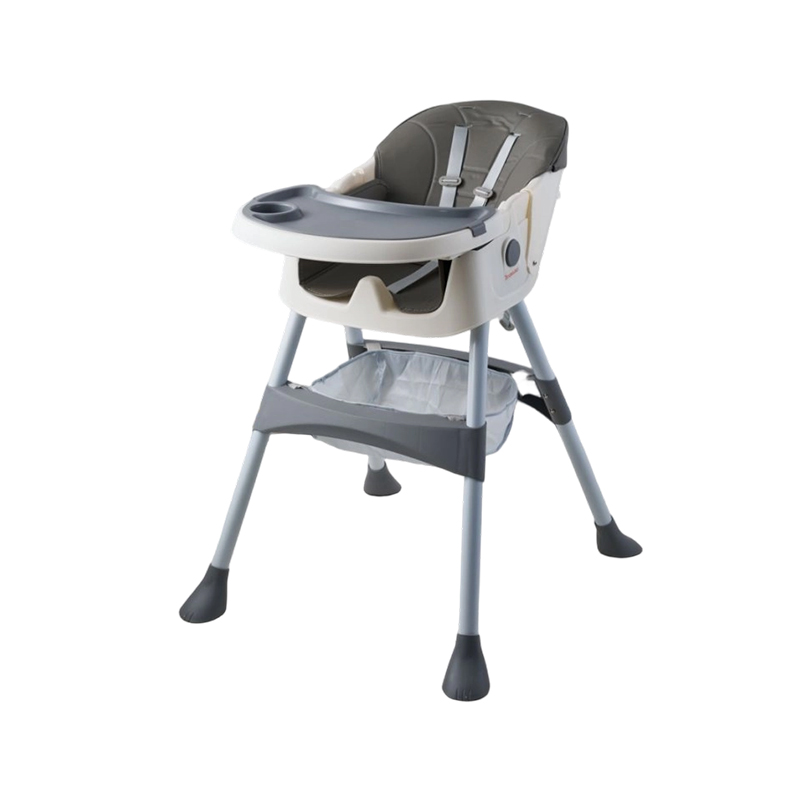 CY12 Features Description:1. No installation required, ready to use straight out of the box2. Can be...View More
-
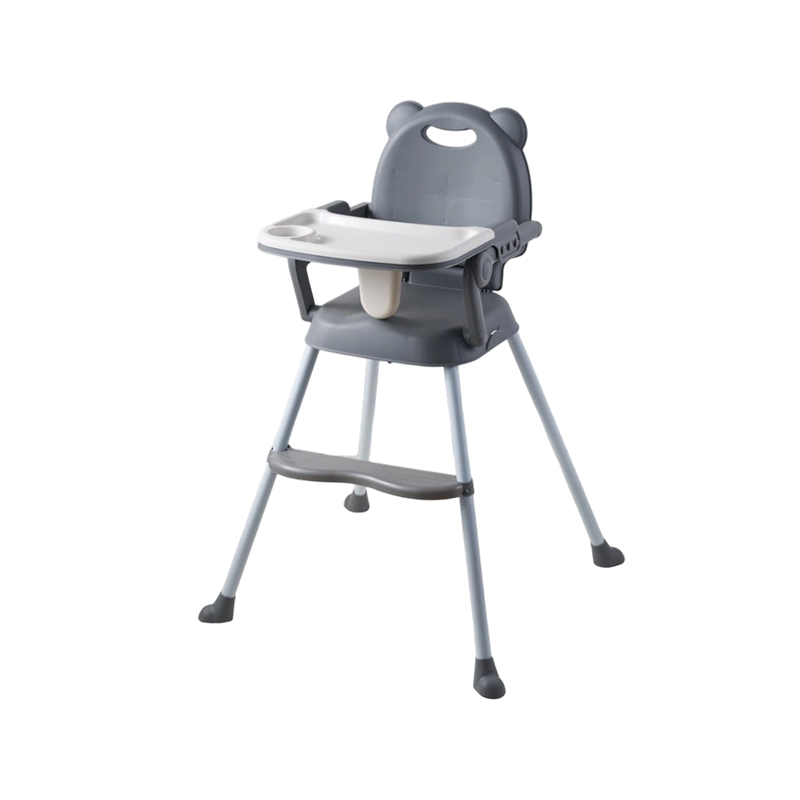 CY05 features description:1. Dining chair height is adjustable2. Multiple modes can be switched at w...View More
-
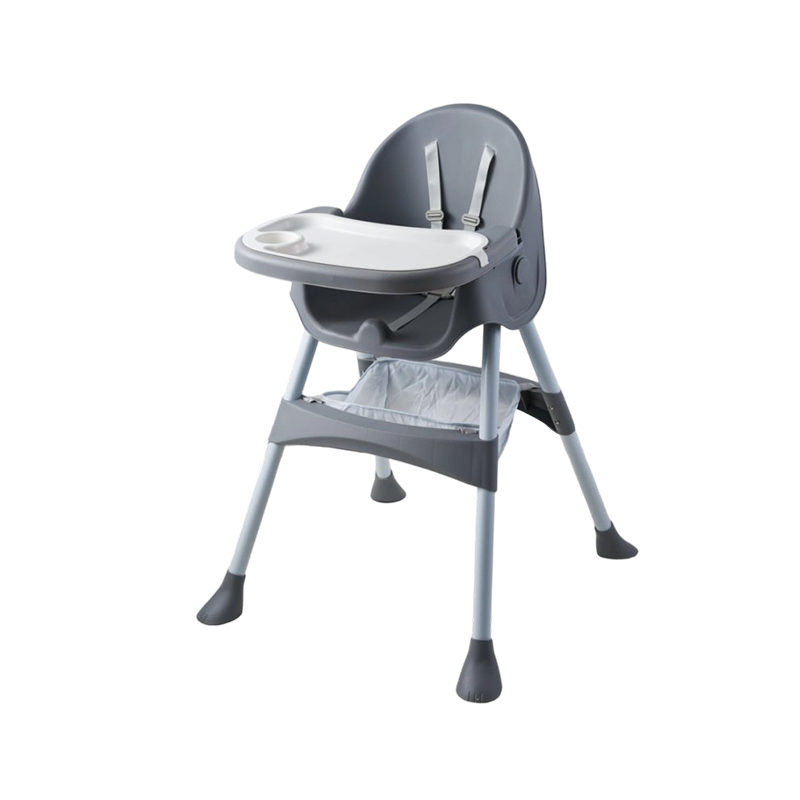 CYO3 Features:1. Dining chair height is adjustable2. Multiple modes can be switched at will3. Three-...View More
-
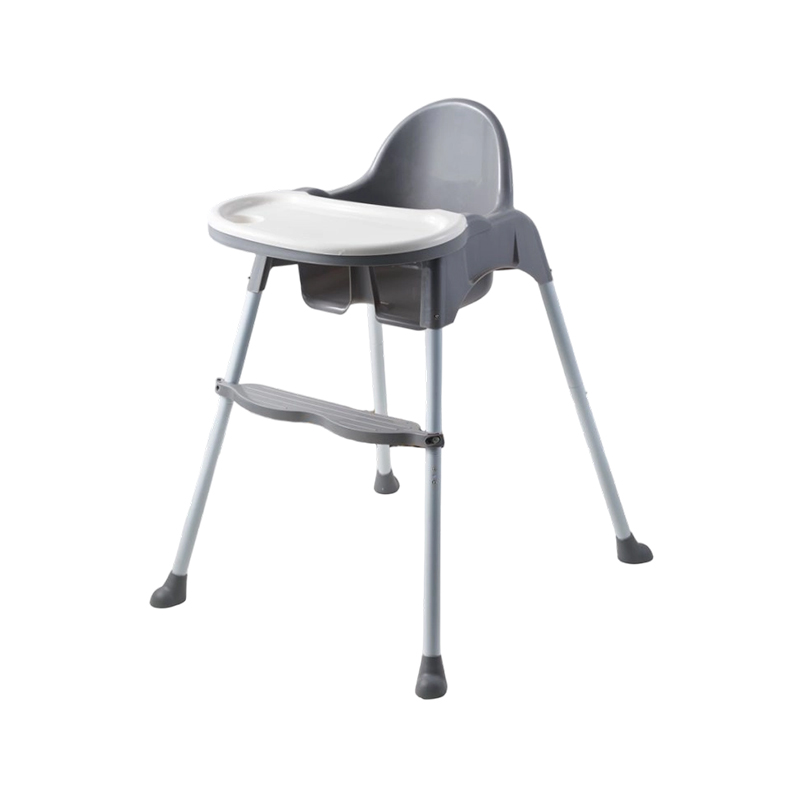 CY02 features description:1. Dining chair height is adjustable2. Multiple modes can be switched at w...View More
-
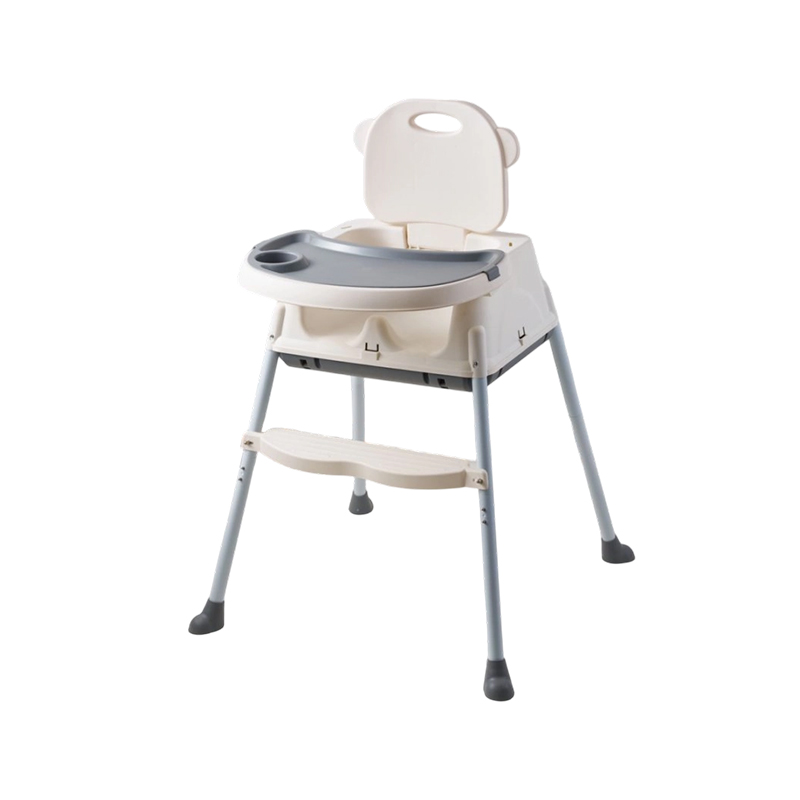 CY01 features description:1. Dining chair height is adjustable2. Multiple modes can be switched at w...View More
-
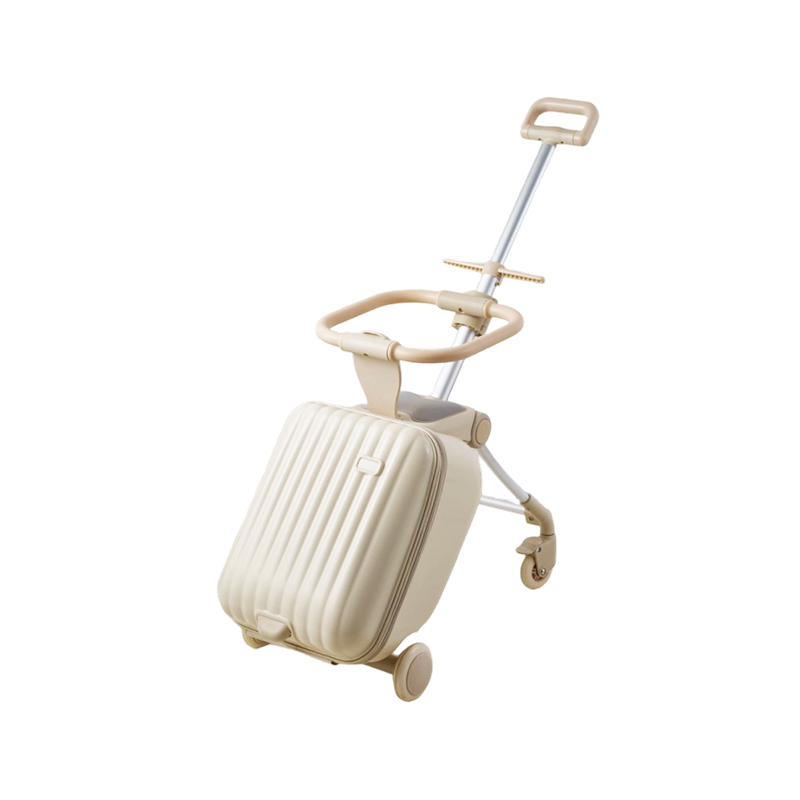 L-01 features description1. 20L, carry-on approved2. Snap-apart frame swaps modes in seconds3. Trian...View More

No. 17, Liboer Avenue, Xialixi Industrial Park, Yongkang City, Zhejiang Province, China
 +86-13345922055
 +86-18057957037
+86-18069926676
 [email protected]
 [email protected]
[email protected]
Get in Touch
Copyright © Yongkang Zhongdao Daily Necessities Co., Ltd. All Rights Reserved
OEM Baby Chair Manufacturer
