 EN
EN
 English
  Español
  Deutsch
Industry News

Industry News
What Should You Know About a High Chair 6 Months to 3 Years
Feeding time with young children is rarely a fixed routine. It changes as posture, movement, and attention shift over time. A High Chair 6 Months to 3 Years is usually introduced during this early period, but how it is used often matters more than when it starts.
Some children adapt quickly to structured seating, others take more time. That difference is normal. What tends to matter in daily use is whether the seating position feels stable enough for short, repeated meals without constant adjustment.
How to tell if your child is ready for a high chair beyond age and what signs matter
Age alone doesn't really tell the full story. Some children at similar stages behave very differently when placed in a fixed seat.
A clearer sign is how they manage sitting without support. If the body still leans heavily or shifts constantly, the timing may feel early. On the other hand, when sitting becomes more controlled, even for a short time, structured seating starts to feel more practical.
Head movement also gives clues. If the head stays steady during small motions, feeding becomes less interrupted.
| Observation area | What may be noticed | What it often means |
|---|---|---|
| Sitting balance | Brief upright posture without support | Seating may be introduced gradually |
| Head control | Less wobble during movement | Feeding becomes more stable |
| Reaction to restraint | Calm or slightly curious response | Easier adaptation phase |
A High Chair 6 Months to 3 Years usually fits into this transition phase rather than a fixed starting point.
What to check before placing your baby in a high chair at 6 months old for daily feeding
Before first use, the focus is often on how stable the seating feels during small movements. Even light shifting can change feeding comfort.
The restraint system also plays a role, but not in a rigid way. It should hold the body gently in place without creating pressure that feels restrictive.
Some children may accept the seat immediately, while others react to the new posture environment. That difference is expected. Short sessions tend to work better at the beginning rather than long continuous use.
In early feeding routines, a High Chair 6 Months to 3 Years is less about duration and more about adjustment over repeated use.
Which high chair design details support smoother feeding from 6 months to 3 years
As growth continues, small structural details begin to matter more than overall appearance.
Seat adjustment is one of those areas. A small change in height can affect how naturally the body aligns with the feeding surface.
Tray distance also changes interaction. When it is too far or too close, feeding rhythm becomes slightly interrupted.
There is also a practical side that often shows up in daily use. Chairs that stay steady even when the child shifts slightly tend to feel more manageable in routine feeding.
Some commonly noticed design elements include:
- Seating that can shift with growth stages
- Tray that can move closer or farther
- Frame that does not feel loose during movement
- Surfaces that are easy to wipe after meals
These are the details that shape how a High Chair 6 Months to 3 Years fits into everyday feeding behavior.
Why adjustable foot support changes comfort during long toddler meal times
Foot placement quietly affects the whole sitting posture. When feet have something stable to rest on, the upper body tends to stay more relaxed.
Without that support, legs may hang freely, and small movements increase. It doesn't always look obvious, but over time it changes how long a child is willing to stay seated.
Adjustable footrests help reduce that imbalance. As the child grows, the same position no longer works, so flexibility becomes useful rather than optional.
In daily routines with a High Chair 6 Months to 3 Years, foot support often influences:
- How steady the upper body feels
- How often position changes happen
- How long the seating period can continue without interruption
It's a detail that usually becomes noticeable only after repeated use.
How to manage mess free feeding routines using a high chair in everyday life
Mess is part of feeding small children. It usually shows up on the tray, on the seat, sometimes on the floor. The real issue is not whether it happens, but how easy it is to handle when it does.
A simple routine often works better than trying to control everything at once. Wiping the tray right after a meal, removing loose bits before they dry, and keeping a cloth nearby can make the whole process feel less chaotic.
Some families also notice that the seat matters as much as the food. A smooth surface, fewer small gaps, and parts that come apart without effort can make cleaning feel more manageable.
| Daily situation | What usually helps |
|---|---|
| Food spills on the tray | Wipe it soon after eating |
| Bits fall into small spaces | Choose a design with fewer hidden corners |
| Sticky residue remains | Use surfaces that clean with simple wiping |
| Repeated meal mess | Keep the cleaning steps short and regular |
A High Chair 6 Months to 3 Years is often used many times a day, so the routine around it matters just as much as the seat itself.
What makes a high chair easier to clean after repeated baby meal cycles
Some chairs look simple at first, but daily use tells a different story. After several meals, small seams, fabric edges, and tray joints start to matter more.
A cleanable design usually feels straightforward. The parts should be easy to reach, easy to wipe, and not too fussy to separate. That does not mean the structure has to be plain. It just needs to avoid hiding food in places that are hard to reach later.
Soft padding can add comfort, but it may also need more care. Hard surfaces are usually easier to maintain, though they may feel less forgiving during longer sitting periods. The balance depends on how the seat will actually be used at home.
The details that often matter most are:
- Surfaces that do not hold on to food easily
- Tray parts that can be removed without effort
- Fewer stitched corners or deep folds
- Materials that stay manageable after frequent wiping
For many families, this is where a High Chair 6 Months to 3 Years either fits daily life or starts to feel inconvenient.
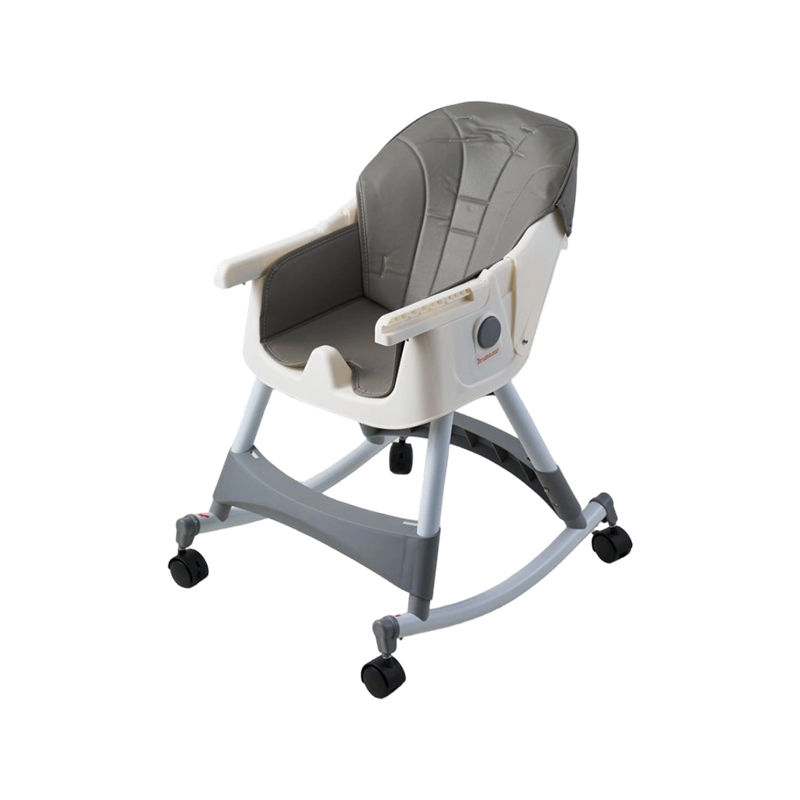
When to adjust tray and seating position as your child grows into self feeding
Self-feeding changes the way a chair is used. At first, the tray may sit closer to support basic feeding. Later, the same setting can feel tight or awkward once the child starts reaching more independently.
That is usually the point where small adjustments begin to matter. The tray should allow enough room for the hands to move, but not so much space that food keeps sliding out of reach. Seat position matters in a similar way. A slight shift can change how easily the child stays engaged with the meal.
There is no single fixed moment for adjustment. It tends to happen gradually. A child may begin by touching food, then holding a spoon, then asking for more space. The seat should move with those changes rather than resist them.
A helpful way to think about it is simple:
- Closer tray position can support early assisted feeding
- Slightly more room can help when hands become more active
- Seating angle may need adjustment when posture changes over time
The aim is not to force a perfect setup. It is to keep the feeding space comfortable as habits begin to shift.
How to choose a high chair that fits small spaces while supporting multi stage growth
Home space often decides how often a chair is used and where it ends up living. In a smaller room, a bulky shape can get in the way quickly. A design that folds neatly or stays compact may feel easier to work with in everyday movement.
At the same time, compact does not have to mean temporary. A chair can fit a smaller area and still stay useful through different stages, as long as the main parts adjust well and the frame remains steady. That balance is often what parents look for when one seat needs to serve more than one stage.
Things that usually help in a smaller home setting include:
- A base that does not spread out too far
- A frame that stores without creating clutter
- Adjustments that do not take too many steps
- A shape that works near the dining area without blocking movement
When space is limited, the chair needs to stay useful without becoming a constant obstacle. That is where thoughtful design makes daily use feel less demanding.
NEXT:Why Choose a Baby High Chair Supplier for Safe Feeding Products
-
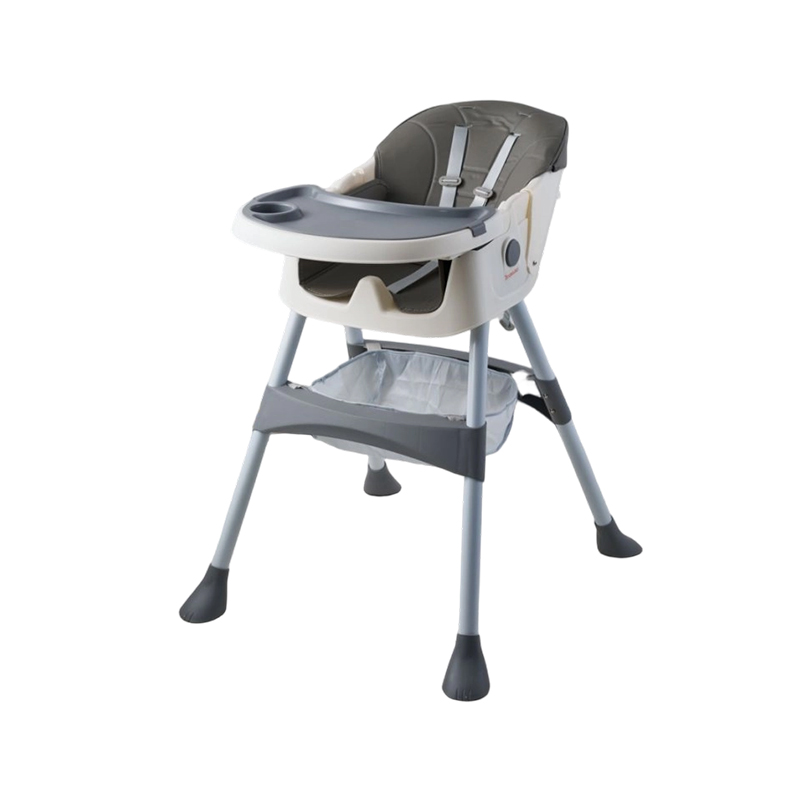 CY12 Features Description:1. No installation required, ready to use straight out of the box2. Can be...View More
-
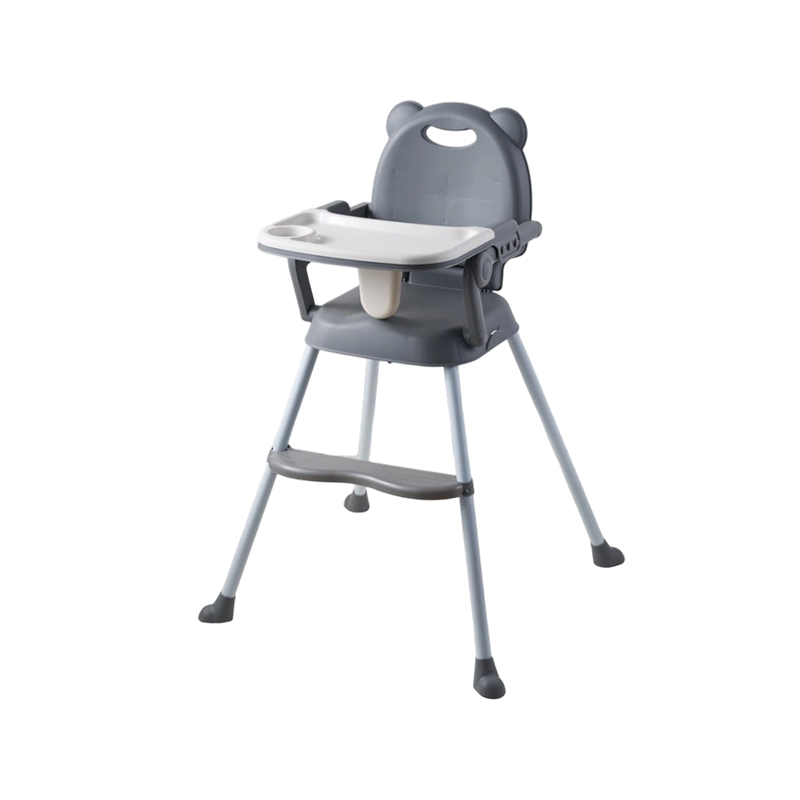 CY05 features description:1. Dining chair height is adjustable2. Multiple modes can be switched at w...View More
-
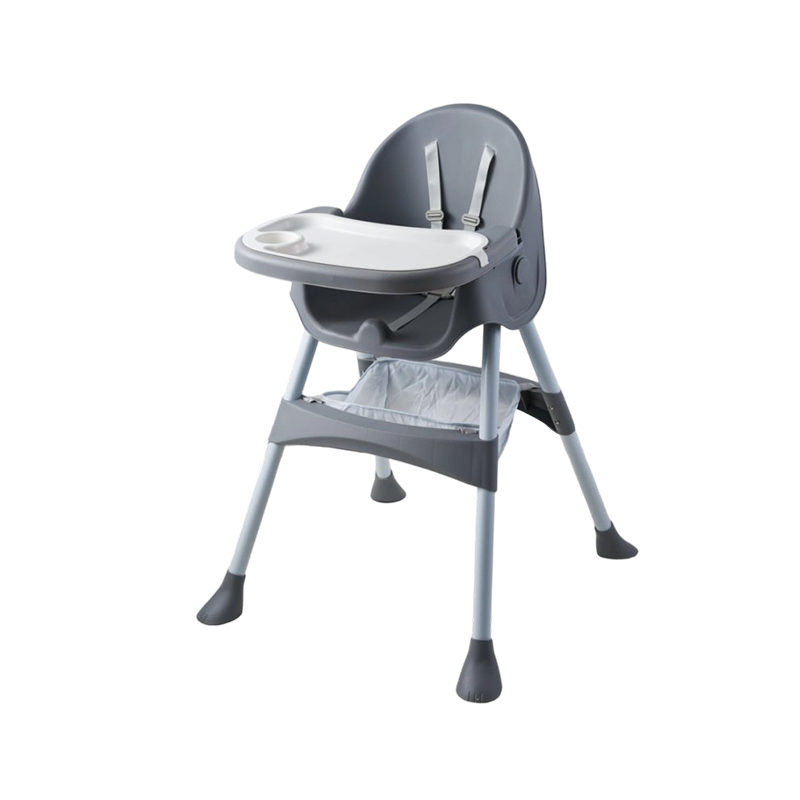 CYO3 Features:1. Dining chair height is adjustable2. Multiple modes can be switched at will3. Three-...View More
-
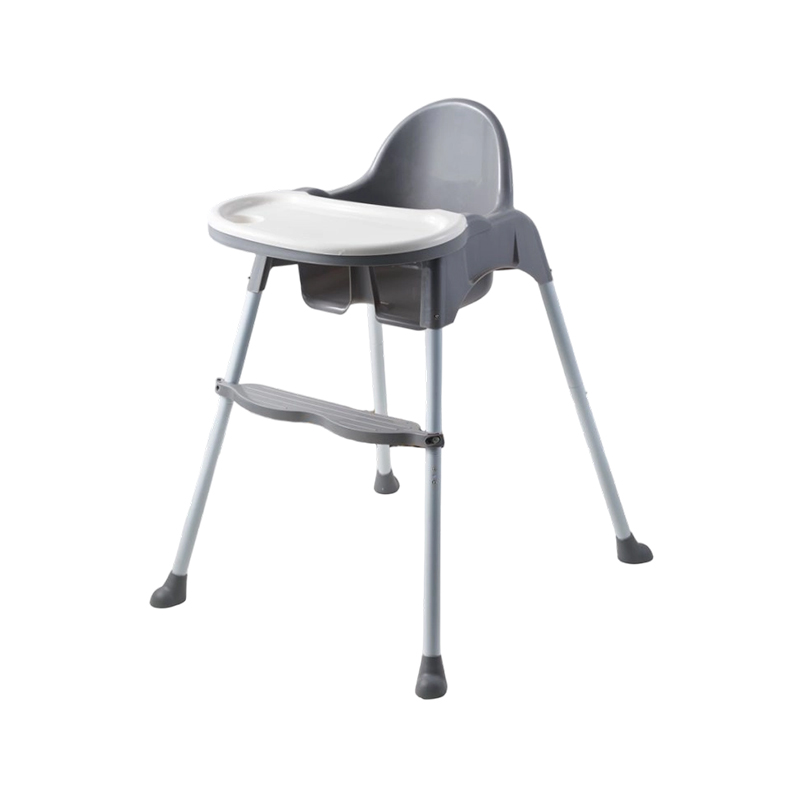 CY02 features description:1. Dining chair height is adjustable2. Multiple modes can be switched at w...View More
-
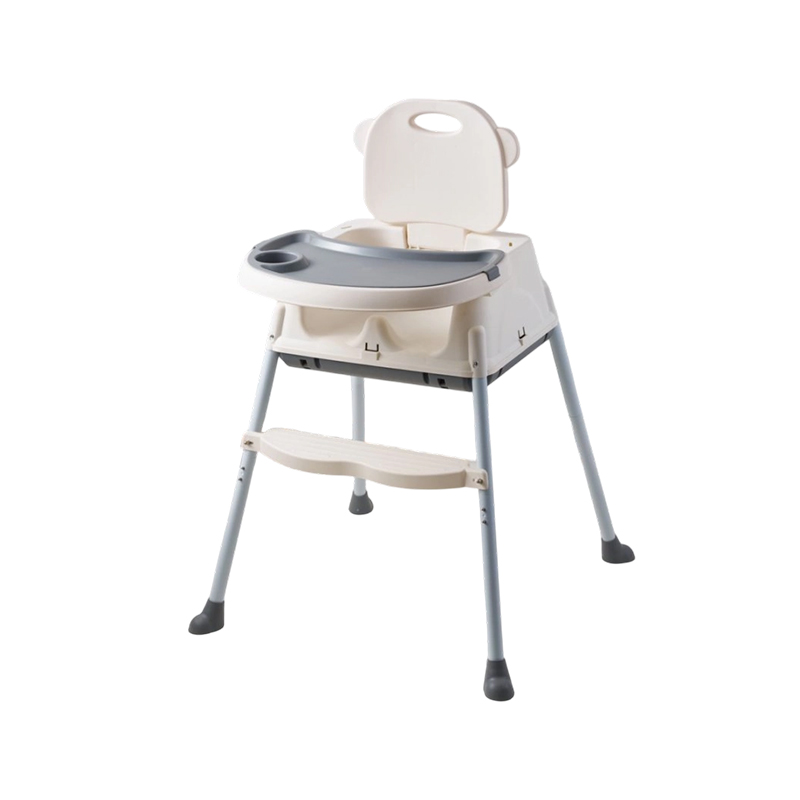 CY01 features description:1. Dining chair height is adjustable2. Multiple modes can be switched at w...View More
-
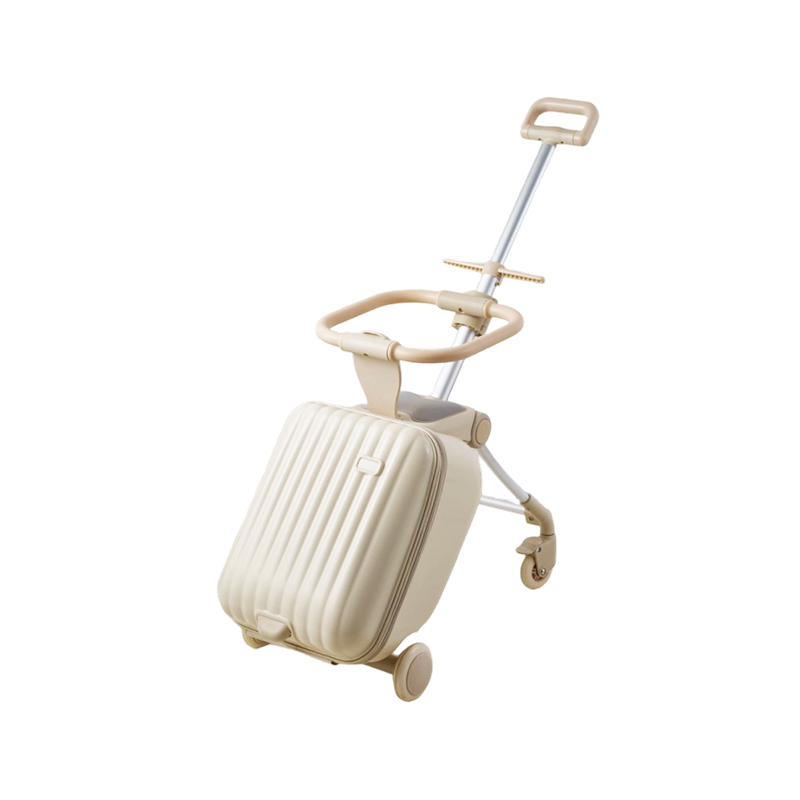 L-01 features description1. 20L, carry-on approved2. Snap-apart frame swaps modes in seconds3. Trian...View More

No. 17, Liboer Avenue, Xialixi Industrial Park, Yongkang City, Zhejiang Province, China
 +86-13345922055
 +86-18057957037
+86-18069926676
 [email protected]
 [email protected]
[email protected]
Get in Touch
Copyright © Yongkang Zhongdao Daily Necessities Co., Ltd. All Rights Reserved
OEM Baby Chair Manufacturer
