 EN
EN
 English
  Español
  Deutsch
Industry News

Industry News
How Does a Toddler Feeding Chair Manufacturer Create Better Designs
When families pick out a feeding chair for a toddler, attention usually goes toward how the product actually fits into daily life. A chair used at mealtimes needs to support comfortable sitting, simple cleaning, easy operation, and a design that genuinely works across different home environments. Behind all these everyday touchpoints, product development runs through a lot of decisions about structure, materials, functions, and manufacturing methods.
A Toddler Feeding Chair Manufacturer really does more than just bolt parts together. The process usually starts with understanding how children and caregivers actually interact with the product day to day. Small details — where the tray sits, how the seat's shaped, how components connect to each other — can shape how the chair performs once it's part of a real household routine.
For manufacturers, putting together a suitable feeding chair means balancing practical requirements against production realities. A well-thought-out design needs to weigh child comfort, family convenience, cleaning habits, storage needs, and product appearance all at once. These pieces work together to create something that genuinely matches how families actually use it.
How Can A Toddler Feeding Chair Manufacturer Meet Market Needs
Consumer expectations around toddler products keep shifting as family lifestyles grow more varied. Some households lean toward compact designs for smaller living spaces, while others care more about adjustable functions or easy maintenance. A Toddler Feeding Chair Manufacturer really needs to think through these different situations right at the design stage.
Market needs tend to show up in everyday problems. Parents might want a chair that's easier to wipe down after meals, while caregivers might prefer something that can adjust as their child grows. These kinds of requirements shape decisions around shape, materials, and overall structure.
A practical design process usually works through a handful of angles:
- How the chair fits into different home environments
- How caregivers interact with the product during meals
- How children feel while sitting and eating
- How easily different parts can be maintained
| User Concern | Design Consideration |
|---|---|
| Limited home space | Folding or space-saving structures |
| Frequent cleaning needs | Smooth surfaces and removable components |
| Changing usage habits | Adjustable and flexible functions |
| Daily convenience | Simple operation and practical details |
Manufacturers also need to think through market differences. Products aimed at different regions can carry different preferences around appearance, materials, packaging, or how functions get combined. A flexible production approach lets manufacturers respond to a wider range of customer requirements without much friction.
Rather than piling on unnecessary features, effective product development really focuses on useful improvements instead. A feeding chair should genuinely solve common problems and offer a comfortable experience for both the toddler and whoever's looking after them.
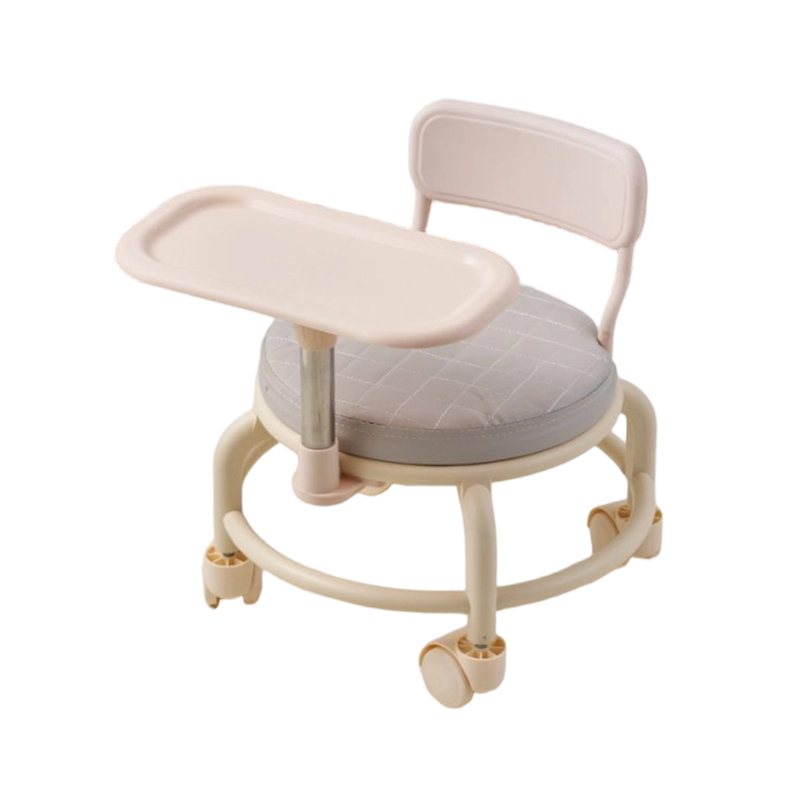
How Does A Toddler Feeding Chair Manufacturer Design Chairs For Comfortable And Practical Use
Comfort and practicality really tie together closely in feeding chair design. A chair that looks nice but doesn't support daily routines well probably won't meet what families actually expect from it. That's why manufacturers usually take a close look at how every part works alongside the others.
The seat area's one important piece here. Its shape, support, and the space around it can all affect how comfortably a toddler sits through a meal. A suitable design should let the child stay comfortable while still giving caregivers enough room to help out when needed.
The tray's another big part of the overall experience. Where it sits can shape feeding convenience, how hard it is to clean, and how children and adults interact around it. Manufacturers often tweak tray designs based on different usage preferences that come up across markets.
Some common design considerations tend to include:
- Seat shape and support structure
- Tray position and removal method
- Footrest placement
- Overall product balance
- Storage and movement convenience
A Toddler Feeding Chair Manufacturer also has to think about how families use the chair beyond just mealtime itself. Some households move it between rooms regularly, while others tuck it away when it's not in use. These kinds of situations push designers toward products that are genuinely easier to operate and maintain.
| Design Area | Practical Purpose |
|---|---|
| Adjustable structure | Helps fit different usage situations |
| Removable tray | Makes cleaning and daily care easier |
| Stable base design | Supports steady placement |
| Compact structure | Helps with storage needs |
Good design really comes together from a lot of small decisions stacked on top of each other. How each component connects, where every surface sits, and how users actually interact with the chair — all of it feeds into the final product experience.
Which Materials Are Used By Toddler Feeding Chair Manufacturers And Why Do They Matter
Material selection touches a lot of aspects of a feeding chair — appearance, maintenance, and even how the product feels in use. Different materials bring different characteristics along with them, so manufacturers need to pick options that genuinely suit the intended design.
Plastic materials tend to get considered for parts that need easy cleaning and flexible shaping. They let designers work through different forms and surface styles without too much trouble. Wooden elements might get chosen when a more natural look's desired. Metal components tend to show up in areas that need a bit of extra structural support.
A Toddler Feeding Chair Manufacturer usually weighs materials against several factors:
- Surface treatment requirements
- Cleaning convenience
- Production compatibility
- Appearance expectations
- Long-term everyday use
Material choice really isn't just about the material sitting there on its own. How different materials actually work together matters just as much. A feeding chair often combines several types of components, and each connection point needs to line up with the overall design.
A tray surface, for instance, might focus mainly on easy maintenance, while the support structure underneath focuses more on stability. Different parts carry different jobs, so manufacturers really need to think through the role each component plays during development.
What Safety Details Does A Toddler Feeding Chair Manufacturer Consider During Production
Safety's a genuinely important part of toddler product design. Since young children interact with feeding chairs constantly during daily routines, manufacturers need to think carefully through structural details across the whole development and production process.
A stable structure really depends on a lot of small elements working together well. Base design, connection points, supporting parts, and overall balance all feed into how the chair actually performs once it's in use.
Common safety-related design considerations tend to include:
- Smooth edges to reduce uncomfortable contact points
- Secure connections between components
- Suitable support areas for sitting posture
- Reliable adjustment mechanisms
A Toddler Feeding Chair Manufacturer typically reviews these details across different production stages, rather than leaving them for the end. Early design decisions can ripple into later manufacturing steps, so safety considerations usually get built in from the start rather than bolted on afterward.
Careful inspection of components also helps catch possible issues before products ever reach customers. This kind of approach supports steadier product quality and builds a bit more confidence for buyers and families alike.
How Do Toddler Feeding Chair Manufacturers Create Easy To Clean Designs For Families
Cleaning's genuinely one of the most common concerns families run into with feeding chairs. Food particles, spilled liquids, and constant daily contact all make maintenance a real part of the design conversation.
Manufacturers often think through cleaning needs while developing surfaces and detachable parts. A design with fewer hard-to-reach corners tends to make everyday care a lot more convenient.
A few design choices that tend to support easier maintenance:
- Smooth surface finishes
- Detachable trays
- Simple seat structures
- Materials that wipe down easily
A practical cleaning design really doesn't mean piling on complicated functions. It's more about trimming down unnecessary steps in the day-to-day routine.
For a Toddler Feeding Chair Manufacturer, understanding family routines helps shape products that fit naturally into everyday life. When cleaning gets easier, caregivers end up spending less time on maintenance and more time on the things that actually matter to the family.
How Does A Toddler Feeding Chair Manufacturer Control Quality During The Production Process
Product quality really gets shaped at every stage, from early design work all the way through final assembly. A manufacturing process needs careful coordination across material selection, component production, assembly, and inspection.
A Toddler Feeding Chair Manufacturer usually manages quality across several production steps, with each stage offering a chance to check whether components actually line up with design requirements.
| Production Stage | Main Focus |
|---|---|
| Material preparation | Checking suitable material conditions |
| Component production | Maintaining design consistency |
| Assembly | Ensuring parts connect properly |
| Final inspection | Reviewing overall product condition |
Production management really isn't just about checking over finished products at the very end. It also comes down to keeping communication tight between design teams, production workers, and quality teams throughout the process.
When each stage follows a genuinely clear process, manufacturers can cut down on unnecessary rework and put out products that match customer expectations a lot more consistently.
What Custom Options Can A Toddler Feeding Chair Manufacturer Provide For Different Markets
Different customers tend to have different product goals in mind. Retail brands, distributors, and businesses may all need adjustments in appearance, packaging, or functions depending on how they're positioned in their own market.
A Toddler Feeding Chair Manufacturer might offer a range of customization options, such as:
- Color selection
- Surface appearance adjustments
- Packaging preferences
- Functional combinations
- Product structure modifications
Customization usually starts with clear communication upfront. Buyers need to explain who their target users actually are, what product features they expect, and what their market realistically calls for. From there, manufacturers can work through suitable solutions based on what's actually feasible in production.
A flexible customization process helps businesses build products that genuinely fit their own customer base, while still keeping practical manufacturing considerations in view.
What Should Buyers Know About Toddler Feeding Chair Manufacturing Before Placing An Order
Before settling on a supplier, buyers usually need more than a look at product appearance. Manufacturing ability, how well design gets communicated, material selection, and production management all shape how the cooperation actually plays out.
Working with a Toddler Feeding Chair Manufacturer really calls for attention across a few areas:
- Whether the supplier genuinely understands product requirements
- Whether design details can be communicated clearly
- Whether production processes line up with expectations
- Whether customization needs can actually be supported
Clear communication helps head off misunderstandings before they become real problems during cooperation. Buyers who understand the manufacturing process tend to make more informed decisions once they start developing their own products.
A feeding chair really represents a mix of design thinking, production skill, and everyday user needs coming together. When manufacturers and buyers work from clear, shared goals, the final product tends to land a lot closer to what everyone actually expected from it.
NEXT:How Can an Easy Clean Baby High Chair Supplier Meet Buyer Needs
-
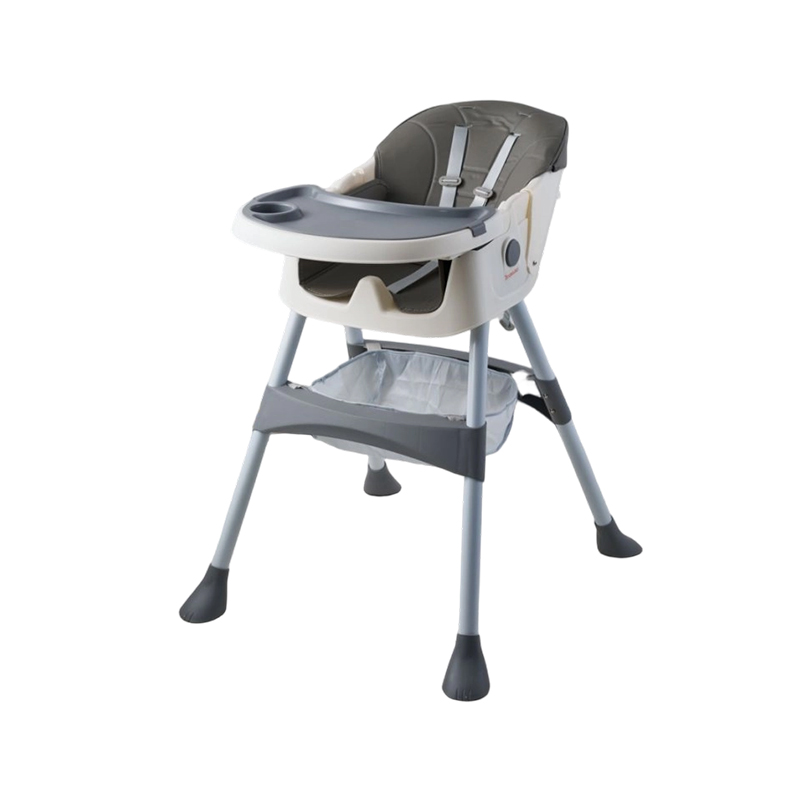 CY12 Features Description:1. No installation required, ready to use straight out of the box2. Can be...View More
-
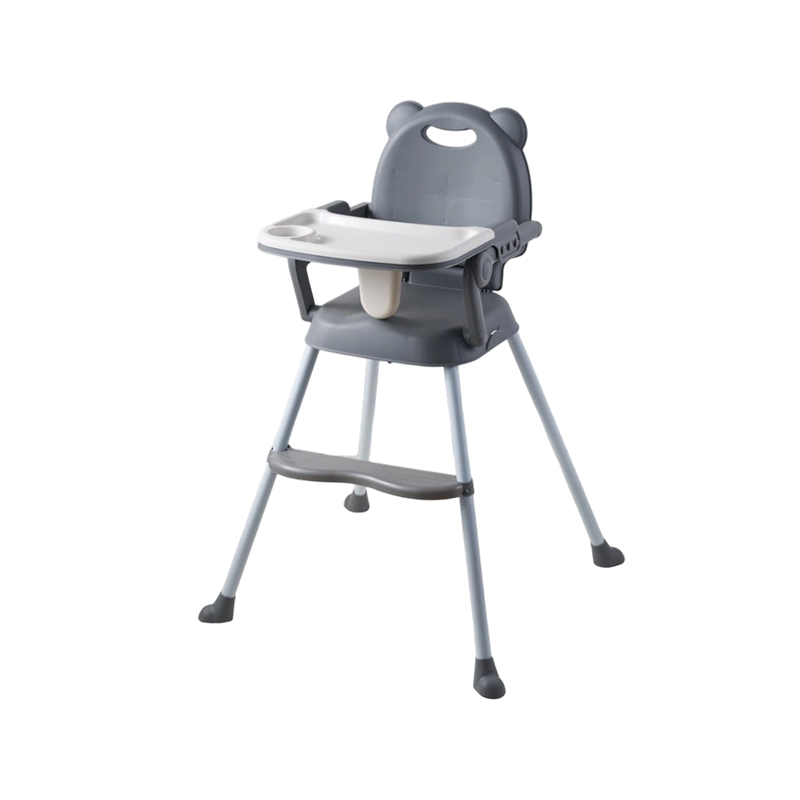 CY05 features description:1. Dining chair height is adjustable2. Multiple modes can be switched at w...View More
-
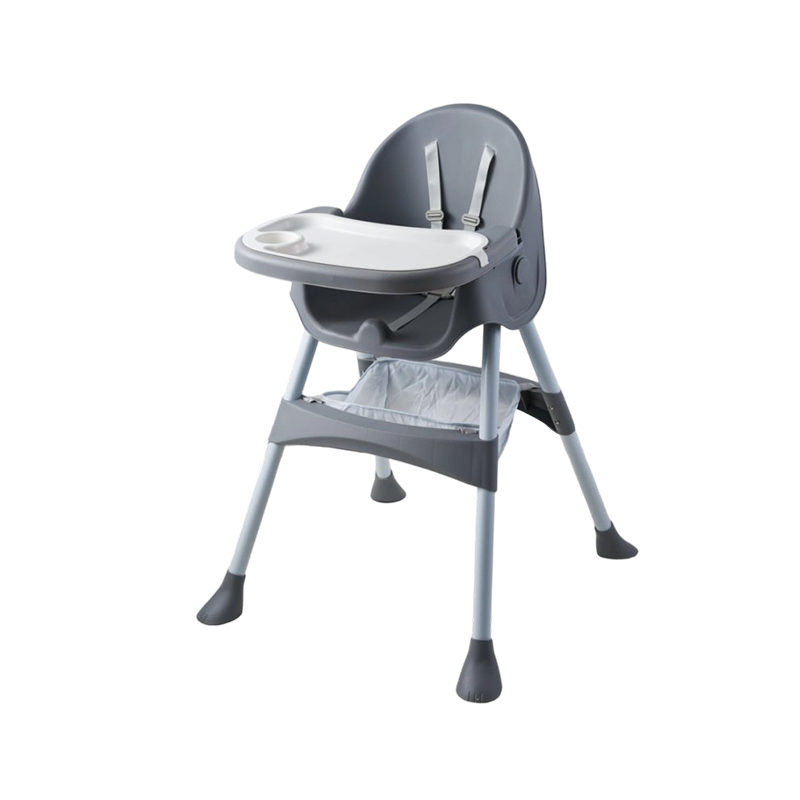 CYO3 Features:1. Dining chair height is adjustable2. Multiple modes can be switched at will3. Three-...View More
-
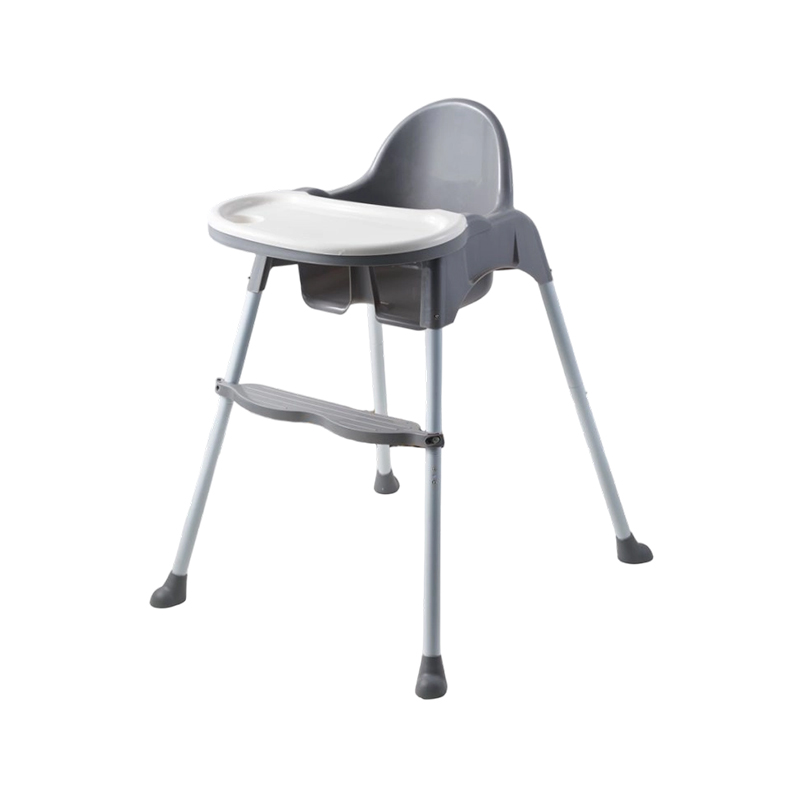 CY02 features description:1. Dining chair height is adjustable2. Multiple modes can be switched at w...View More
-
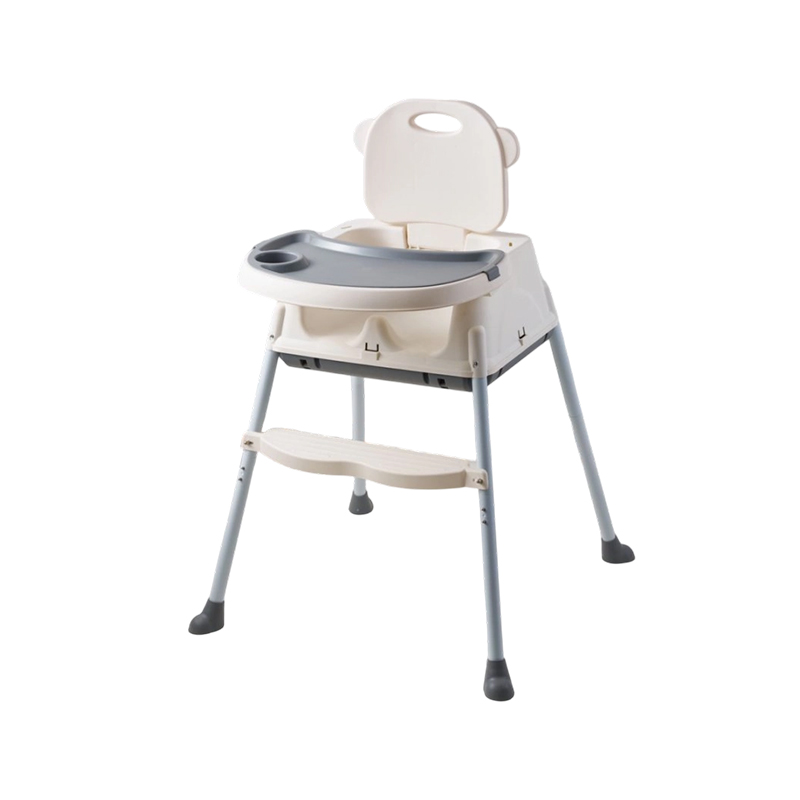 CY01 features description:1. Dining chair height is adjustable2. Multiple modes can be switched at w...View More
-
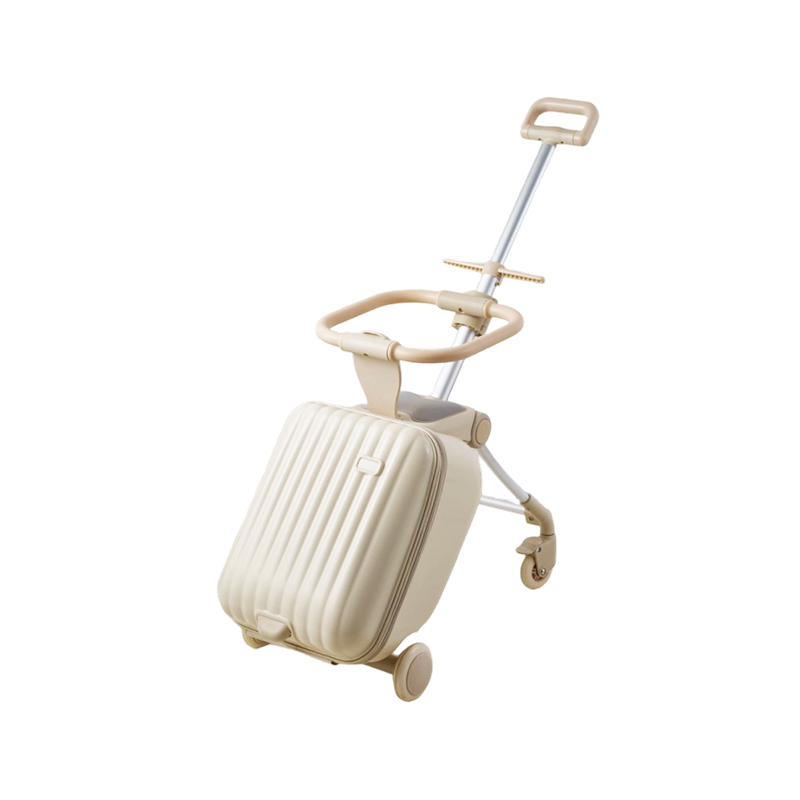 L-01 features description1. 20L, carry-on approved2. Snap-apart frame swaps modes in seconds3. Trian...View More

No. 17, Liboer Avenue, Xialixi Industrial Park, Yongkang City, Zhejiang Province, China
 +86-13345922055
 +86-18057957037
+86-18069926676
 [email protected]
 [email protected]
[email protected]
Get in Touch
Copyright © Yongkang Zhongdao Daily Necessities Co., Ltd. All Rights Reserved
OEM Baby Chair Manufacturer
