 EN
EN
 English
  Español
  Deutsch
Industry News

Industry News
What Should You Know About Baby High Chair Factory Direct Supply
Sourcing infant furniture isn't just a matter of scrolling through a catalog and picking whatever looks decent at the right price. For businesses dealing in baby products, real value comes from knowing how a manufacturer actually works — how a design moves from sketch to finished item, how production gets scheduled, and how much back-and-forth happens along the way.
A Baby High Chair Factory Direct Supply setup puts buyers face-to-face, so to speak, with the people actually handling development, production, customization, and quality checks. No layers of middlemen diluting the message. That closeness matters because it means fewer chances for a request to get garbled somewhere between the buyer's intent and what actually ends up on the production line.
Retailers, distributors, private label owners — anyone bringing a baby high chair to market knows these products can't be treated casually. The structure, the materials, how easy the thing is to wipe down after a messy dinner, even the box it ships in — all of it plays into whether the product lands well with a given market.
None of this works without solid communication from the very first conversation. Buyers need some clarity on their goals, who they're actually selling to, what the design should look like, and how supply will be handled before production even starts. Get that foundation right, and the rest of the process tends to go a lot easier for everyone involved.
What Should Buyers Know About Baby High Chair Factory Direct Supply Before Starting A Partnership
Jumping into a factory partnership without understanding how it actually runs is a bit like showing up to a meeting without knowing the agenda. Direct cooperation isn't the same as buying off-the-shelf stock — it demands a much closer conversation about design choices, production specifics, and how delivery will actually happen.
Most Baby High Chair Factory Direct Supply arrangements start with a fairly simple conversation: what does the buyer actually want? That usually covers style preferences, material choices, functional must-haves, packaging, and where the product is meant to sit in the market. Once the factory has that picture, they can tell you whether it's realistic given their setup.
A handful of things are worth sorting out before things get moving:
- Product expectations — Having a rough but clear sense of the chair's look, how families will actually use it day to day, what kind of adjustments it needs, and any extras worth including.
- Communication process — Talking through specifics early keeps the gap between "what we imagined" and "what we got" from growing too wide.
- Manufacturing understanding — Even a basic grasp of how a factory sources materials, handles assembly, and runs checks puts buyers in a much stronger position to make decisions.
Direct relationships also make it easier to pivot when something needs to change mid-project. Nobody's waiting on a message to travel through three different parties before a decision gets made — it just happens faster.
Anyone new to this kind of arrangement will save themselves a fair amount of headache by understanding how the factory side actually operates before an order gets placed.
How To Choose A Suitable Baby High Chair Factory Direct Supply Partner For Long Term Cooperation
Picking a manufacturing partner isn't something you can do just by browsing a portfolio. What actually matters is whether the factory understands what you need, responds clearly, and follows through on what's been agreed.
A few things worth checking before signing on with anyone:
| Area To Review | Questions Buyers May Consider |
|---|---|
| Product Development | Can the factory support design discussions and adjustments? |
| Manufacturing Process | How are materials, assembly, and inspections managed? |
| Communication | Does the factory provide clear responses during cooperation? |
| Customization Ability | Can product details be adjusted according to requirements? |
Good cooperation usually comes down to both sides knowing what they're responsible for. The buyer lays out expectations plainly; the factory pushes back with practical, experience-based suggestions rather than just agreeing to everything.
How adaptable a factory is also says a lot. Some buyers just want a small tweak here or there. Others are asking for a fairly different structure or packaging setup, and not every factory handles that kind of request equally well.
Looking at sample products, asking pointed questions about how production actually runs, and checking into past client relationships all help before jumping into something bigger. These partnerships tend to grow stronger over time through steady communication — a factory that actually gets what a customer needs usually shows it through better support at every stage, not just at the pitch meeting.
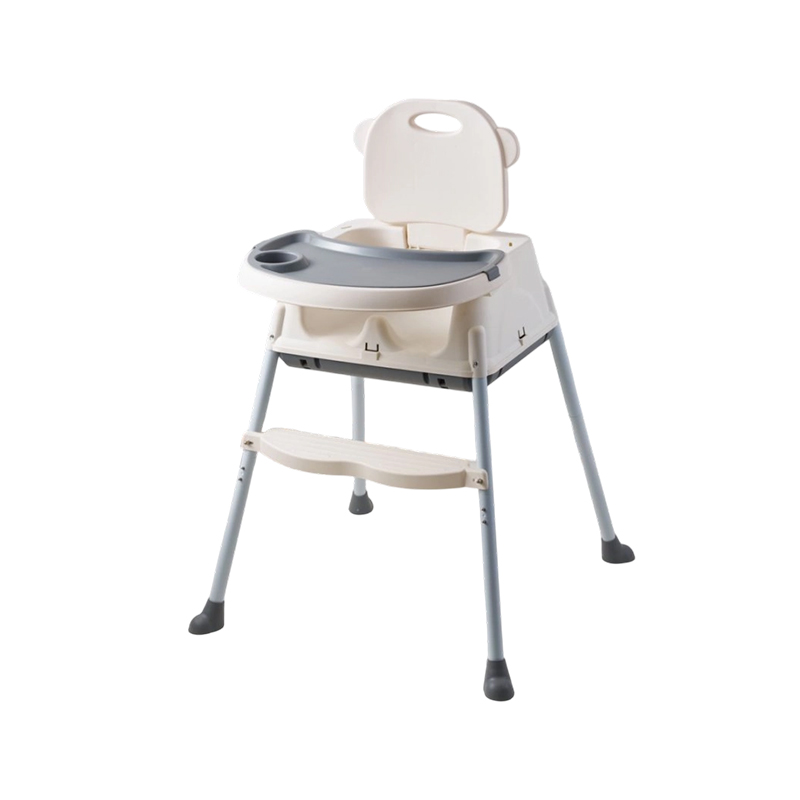
Which Baby High Chair Features Should Buyers Discuss With A Factory Before Production
The features that end up in a baby high chair decide, more than almost anything else, whether it actually fits into a family's daily routine. Talking these through with the factory before anything gets manufactured saves a lot of trouble later.
A few areas come up again and again in these conversations:
- Adjustment options — Height, tray position, seating configuration — families want different things here, so it's worth being specific rather than vague.
- Cleaning convenience — Given how often this product gets used (and how messy babies can be), surfaces and removable parts deserve real attention during design talks.
- Storage and movement — Homes with limited space often do better with foldable or compact builds.
- Comfort considerations — Seat shape, support points, material choice — all of it shapes how the chair actually feels for a baby sitting in it every day.
A good factory will tell you honestly whether a particular feature is practical to build and whether it'll actually suit the people using it. That kind of give-and-take between design vision and manufacturing reality is usually what produces a genuinely workable product.
| Feature Area | Discussion Points |
|---|---|
| Structure | Stability, assembly method, and usage needs |
| Materials | Surface feel, maintenance, and product appearance |
| Functions | Adjustment, folding, and removable parts |
| Packaging | Protection during storage and transportation |
These conversations belong before production starts, not after the first batch is already off the line. Sorting things out early avoids costly rework down the road.
How Does Baby High Chair Factory Direct Supply Help Brands Create Customized Products
A lot of businesses choose direct manufacturing specifically because of the customization it opens up. Working directly with a factory means brands can push for changes that actually match their market instead of settling for whatever's already sitting in a catalog.
Customization usually touches on things like:
- Colors and overall visual style
- Material preferences
- Packaging design
- Functional tweaks
- Structural changes
A Baby High Chair Factory Direct Supply setup gives brands room to build something that actually feels like theirs. Rather than choosing from a narrow set of pre-made options, buyers can lay out specific requirements and talk through what's achievable with the production team directly.
Take two different brands: one focused on compact home living might push for a design that folds down small and stores easily. Another, aiming at a retail shelf presence, might care more about how the box looks and how the product photographs.
Throughout all this, communication is really what carries the process. Buyers need to be clear about what they want; manufacturers need to be honest about what's actually feasible and what technical hurdles might come up. A workable customization process generally moves through a few stages — talking through the idea, confirming a sample, making adjustments, then locking in production. Each step gives both sides a sharper picture of where things are headed.
What Production Details Matter When Ordering From A Baby High Chair Factory Direct Supply Manufacturer
Production details are where consistency actually gets decided. Buyers working with a factory benefit from understanding, at least broadly, how the product comes together from raw material to something ready to ship out the door.
A few areas worth paying attention to:
- Material Selection — Materials shape how the chair looks, how much upkeep it needs, and how it feels to the person using it. Buyers can walk through different material options with the factory based on where the product is headed and what that audience expects.
- Component Preparation — A baby high chair usually has several parts that all need to fit together correctly. That means the factory has to manage matching components, coordinate assembly steps, and keep production organized.
- Assembly Process — A clearly defined assembly sequence keeps things consistent from one batch to the next. Manufacturers generally organize their steps around the chair's structure and whatever checks need to happen along the way.
- Packaging Preparation — This is its own stage, separate from actually building the chair. Good packaging protects the product during shipping and storage while also giving buyers something that presents well on a shelf.
Getting a feel for these details ahead of time helps buyers set expectations that actually match reality. Manufacturing has a lot of moving parts, and talking things through early keeps the whole process from getting bogged down later.
How Do Baby High Chair Factory Direct Supply Manufacturers Manage Quality During Bulk Orders
Quality control isn't something you bolt on at the end — it needs to run through the whole process, especially once orders start scaling up. Larger batches mean more room for small inconsistencies to slip through if nobody's watching closely.
A Baby High Chair Factory Direct Supply manufacturer typically keeps an eye on a handful of checkpoints:
- Condition of materials before production starts
- Accuracy of assembly as things move along
- Appearance checks on finished pieces
- Function testing before anything ships
- A packaging review near the end
Catching problems at multiple points along the way beats waiting until everything's boxed up and ready to go. It's just a lot less costly and disruptive to fix something halfway through than after the fact.
Manufacturers also need to stay in touch with buyers whenever a customized order shifts partway through. If specs change, both sides need to confirm the new details before production keeps going — assuming everyone's still on the same page is how mistakes happen.
A tight, consistent quality process is really what keeps production runs matching the original sample instead of drifting further away from it batch by batch. For buyers, understanding how this works tends to take a lot of the guesswork and anxiety out of the whole arrangement.
What Factors Influence Baby High Chair Factory Direct Supply Pricing And Order Planning
Pricing on a project like this almost never comes down to one thing. It's usually a mix of design choices, material selection, customization requests, and how the order itself is structured.
| Pricing Factor | How It Can Affect Planning |
|---|---|
| Material Choice | Different materials may change production requirements |
| Product Design | More complex structures may require additional preparation |
| Customization | Special requests may affect manufacturing arrangements |
| Packaging | Different packaging methods influence preparation needs |
Order planning ties directly into production scheduling and how specific the product requirements actually are. Buyers do themselves a favor by being upfront early about expected quantities, delivery timing, and exact specifications.
For brands and distributors, planning ahead gives the factory enough runway to line up materials and organize production without scrambling. Clear order details from the start just make the whole relationship run smoother.
Rather than fixating on one line item, it helps to step back and look at how all these pieces interact — design, materials, customization, and logistics working together rather than in isolation.
Tips For Working With A Baby High Chair Factory Direct Supply Supplier To Build A Reliable Product Line
Building something that lasts — a product line customers actually keep coming back to — takes more than a single good order. It's built through ongoing cooperation, consistent expectations, and regular feedback loops between buyer and factory.
A few habits that tend to pay off:
- Maintain clear product information — Detailed, well-organized requirements give the factory a real sense of where the product needs to go.
- Discuss improvements regularly — Feedback from sales channels or actual customers often surfaces small but valuable ideas worth folding into the next round.
- Create organized cooperation steps — Confirming samples, specs, packaging, and production details at each stage keeps everyone pointed in the same direction.
- Consider long-term product planning — Most product lines eventually branch into a few models or variations aimed at slightly different customer needs.
Strong manufacturing relationships tend to build up gradually through consistent communication and genuine effort on both sides to understand each other. When that partnership works well, buyers and factories end up responding to shifting market demands much faster than either could manage alone.
For companies weighing their options, the way they approach this partnership is a real part of their overall product strategy. Careful supplier selection, honest design conversations, and attentive production oversight all add up to steadier, more dependable operations over time.
NEXT:How Does a Toddler Feeding Chair Manufacturer Create Better Designs
-
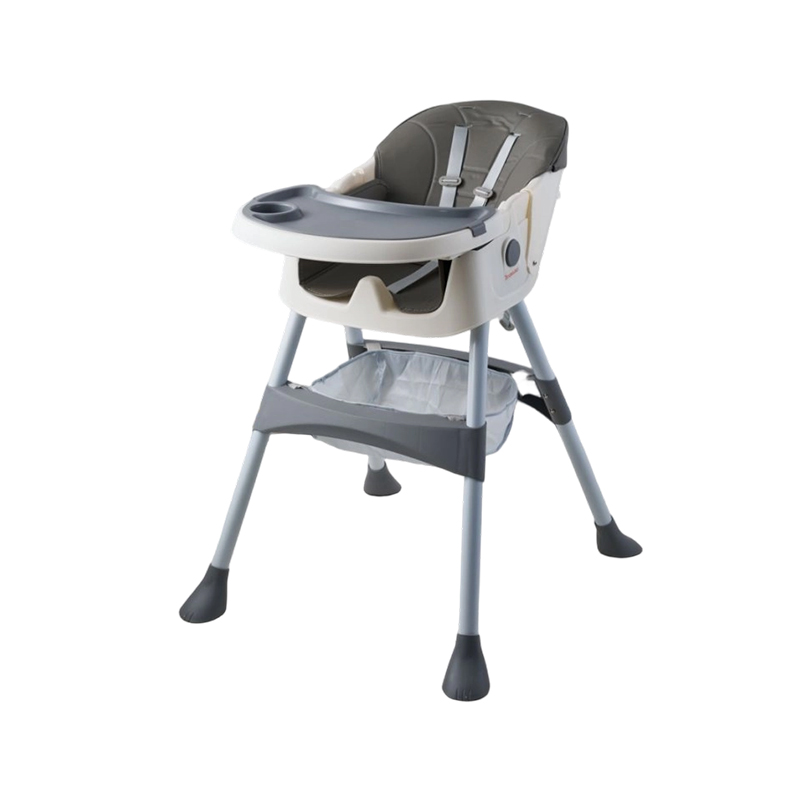 CY12 Features Description:1. No installation required, ready to use straight out of the box2. Can be...View More
-
 CY05 features description:1. Dining chair height is adjustable2. Multiple modes can be switched at w...View More
-
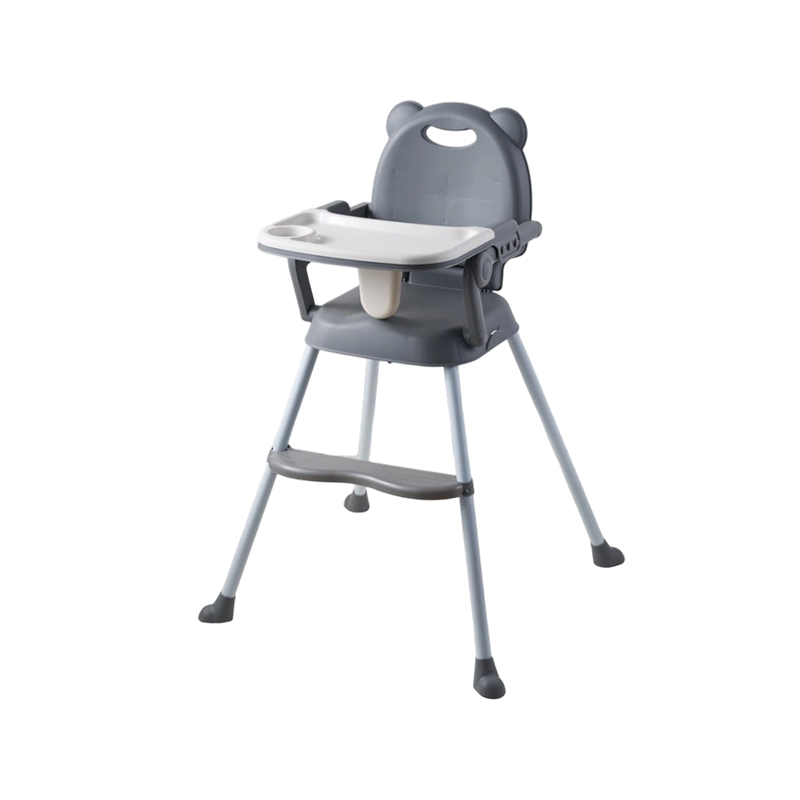
 CYO3 Features:1. Dining chair height is adjustable2. Multiple modes can be switched at will3. Three-...View More
-
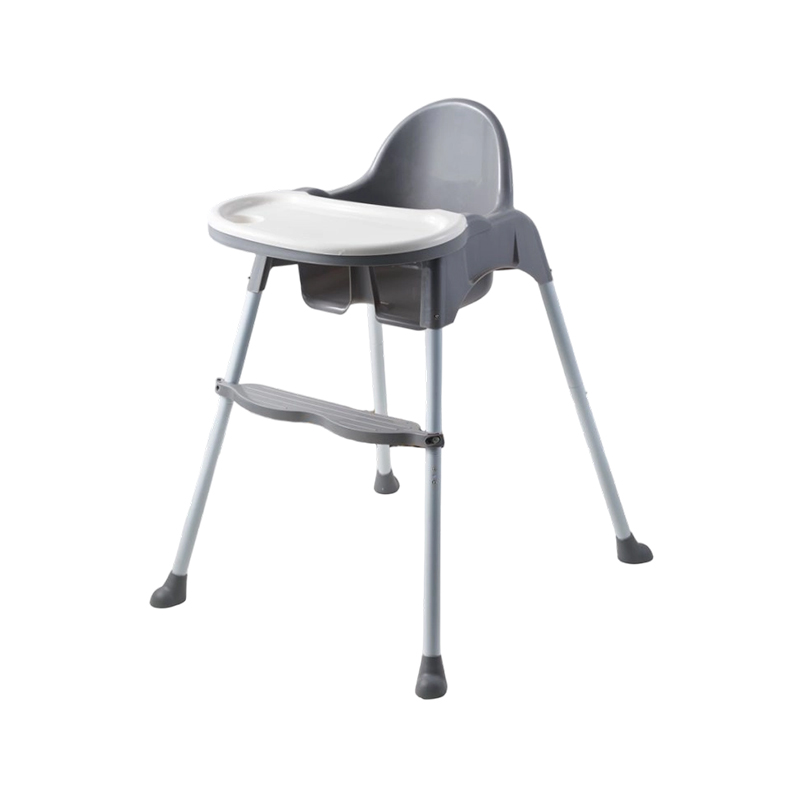 CY02 features description:1. Dining chair height is adjustable2. Multiple modes can be switched at w...View More
-
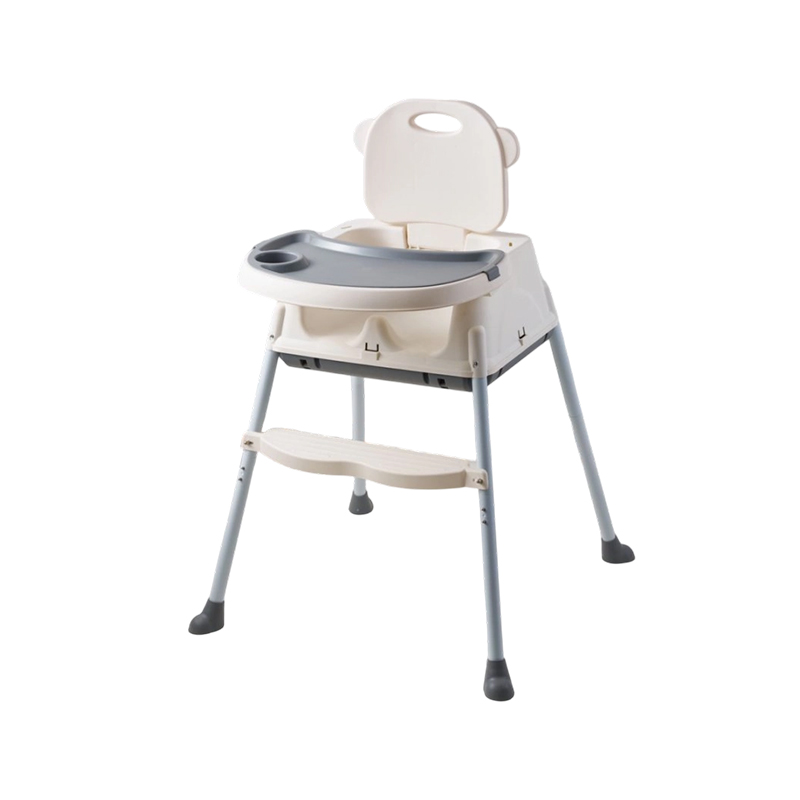 CY01 features description:1. Dining chair height is adjustable2. Multiple modes can be switched at w...View More
-
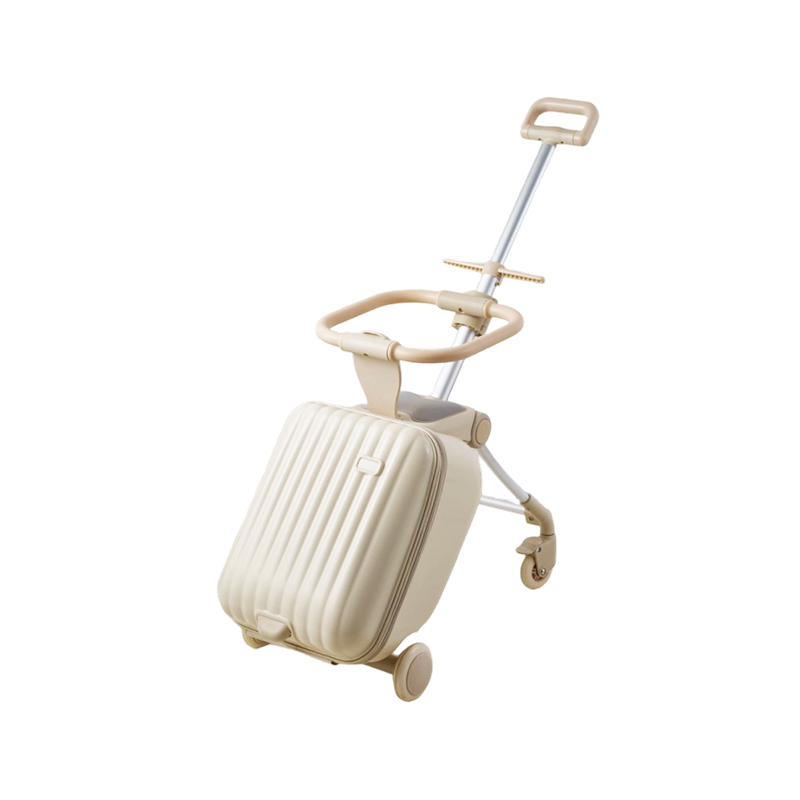 L-01 features description1. 20L, carry-on approved2. Snap-apart frame swaps modes in seconds3. Trian...View More

No. 17, Liboer Avenue, Xialixi Industrial Park, Yongkang City, Zhejiang Province, China
 +86-13345922055
 +86-18057957037
+86-18069926676
 [email protected]
 [email protected]
[email protected]
Get in Touch
Copyright © Yongkang Zhongdao Daily Necessities Co., Ltd. All Rights Reserved
OEM Baby Chair Manufacturer
